[pageLogInLogOut]

#Techtextil 2019

Toray presents flame-shielding fabric GULFENG at Techtextil in Frankfurt
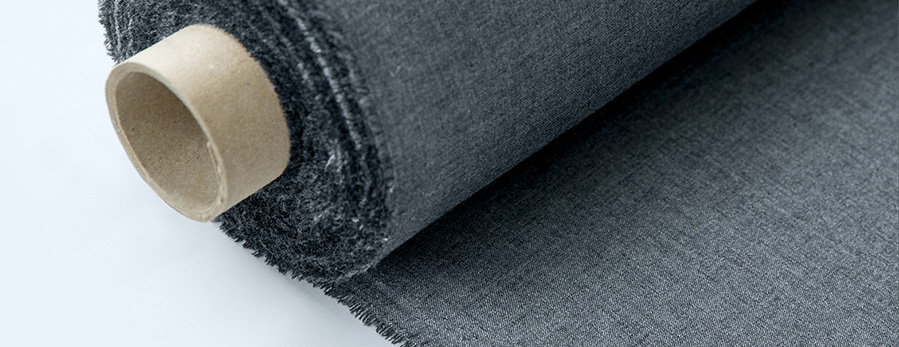
GULFENG woven (c) 2019 Toray
From 14 to 17 May 2019, Japanese material technology giant Toray is presenting its range of functional textiles at Techtextil 2019. One highlight on display is the new flame-shielding fabric GULFENG, which combines excellent fire-blocking and flame-retardant properties. The fabric is available in different textile forms, making it suitable for a wide range of applications.

Ranging from thin paper to thick felt, the material works as a fire blocker in electronic devices, seat cushions, and other application scenarios.

Reliable fire protection, soft to the touch

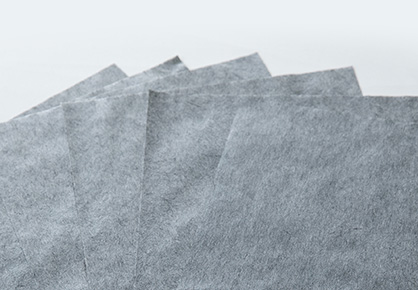
Compared to other flame-retardant materials that are made of glass-fiber, m- and p-aramid or Ox-PAN felt, GULFENG is lighter, thinner, and more flexible. The paper variant is no thicker than 0,06 mm and weighs 60 g/m² – it looks and feels just like regular paper. The material can also be knitted or woven into a soft fabric or felted into flexible mats. This versatility means that the material can be used for batteries, bedding and bus seats alike.
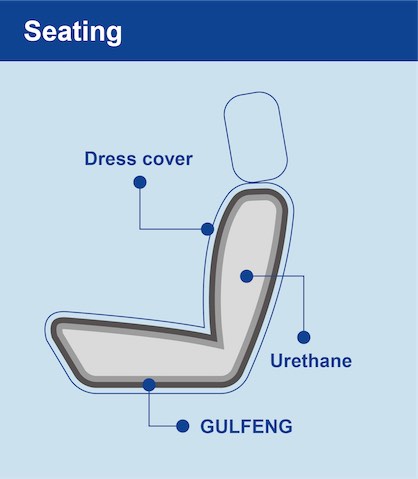
Toray seating (c) 2019 Toray


GULFENG paper (c) 2019 Toray


Despite its thinness, GULFENG loses none of its flame-retardant properties and serves as a fire barrier. Flames are stopped from spreading and igniting surrounding combustible materials. This is achieved by combining thermoplastic polyphenylene sulfide (PPS) with oxidized polyacrylonitrile (OX-PAN) fibers. When heated by a flame to 285°C, the PPS fibers start to melt and build a membrane around the non-melting Ox-PAN fibers. These absorb heat and start to carbonize, thus creating a closed barrier against flames

A history of material innovation 

In developing the GULFENG material, Toray was able to draw on its longtime experience with both PPS and carbon fiber technologies – it seemed only natural to combine both into one fire-blocking material. Starting with GULFENG paper, Toray engineers then worked to expand the use cases and textile structures to serve different customer needs. Currently, the company is also exploring GULFENG leather, a flame-retardant base material for synthetic leather. It eliminates the need for an intermediate layer of flame-shielding material and could make seating cushions even thinner and thus more comfortable.

Toray’s wide product portfolio will be on display at Techtextil. In Hall 4.2, booth D48, the company is also exhibiting a number of other technical textiles, including the Axtar polyester non-woven fabric and a LCP fiber named Siveras.
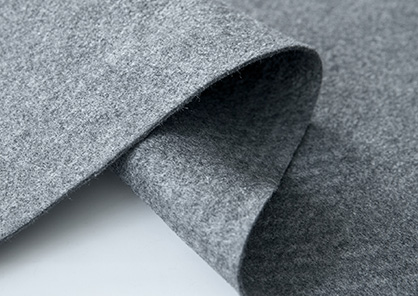

GULFENG felt (c) 2019 Toray


More News from Toray Engineering Co. Ltd.

#Man-Made Fibers

Toray develops AURLIST™ polyester filament fiber with luxurious luster and ultra-fine structure

Toray Industries has developed AURLIST™, a new polyester filament fiber designed to combine luxurious luster, soft loft and a subtle fibrillated surface texture. The company primarily targets applications in women’s apparel such as tops, bottoms and dresses.

#Recycling / Circular Economy

Toray develops recycling technology that retains carbon fiber strength and surface quality

Toray Industries, Inc., announced today that it has developed a recycling technology that can decompose diverse carbon fiber reinforced plastics (CFRP) made from thermosetting resins while retaining the strength and surface quality of those fibers. The company drew on this technology to create a nonwoven fabric employing recycled carbon fibers.

#Composites

HEAD launches more sustainable(1) BOOM RAW racquet on Earth Day by using Toray’s bio-circular carbon fibers

HEAD continues to innovate with the launch of the BOOM RAW tennis racquet, an encouraging development in the search for a more sustainable future for racquet sports. All of the carbon fibers are bio-circular carbon fibers in the limited-edition and highly innovative BOOM RAW racquet, which offers the same explosive power - along with the same fun, feel and easy playability - as the regular, in-line BOOM racquet. The bio-circular carbon fibers are manufactured by Toray and its subsidiary Toray Carbon Fibers Europe.

#Recycling / Circular Economy

Companies in Japan initiate demonstration to expand the automotive recycling process

DENSO CORPORATION and other partners have been chosen by an industry-government-academia collaborative project aiming to expand the recycle content for automobile in the fiscal year 2023 supported by Ministry of the Environment, Japan.

More News on Techtextil 2019

Latest News

#Functional Fabrics

PERFORMANCE DAYS announces new focus topic & forums for October 2026

With its upcoming October 13–14, 2026 edition, PERFORMANCE DAYS is placing the spotlight on one of the textile industry’s most important transformations: “Bio-Based Materials – From Fiber to Fabric”, a two-part Focus Topic exploring the future of bio-based innovation across the textile value chain. Part 1, presented in October 2026, will focus on fibers and next-generation material developments, while Part 2 at the March 2027 edition will shift the perspective toward dyeing, finishing, additives, and processing technologies.

#Nonwoven machines

MENANG rapidly resumes production with new ANDRITZ airlay line after major fire

MENANG, a Malaysian manufacturer of nonwoven automotive components, has resumed production after a major fire severely damaged its airlay line in mid-March 2026. A new airlay line supplied by ANDRITZ enabled production to restart within only four months.

#Exhibitions & Events

Febratex 2026 to be the largest edition of the leading textile trade fair in the Americas with 10 exhibition halls

Febratex 2026 will be the largest edition in the history of the leading textile trade fair in the Americas. Dedicated to the textile and apparel manufacturing industries, the event will take place from August 18–21, 2026, in Blumenau, Santa Catarina, Brazil, with a strong focus on technology, sustainability, and business generation.

#Raw Materials

Cotton Brazil Dialogues field trip brings international stakeholders closer to Brazil’s cotton production chain

How do you build trust across the global textile value chain? By opening the farm gates. This is the principle behind the Cotton Brazil Dialogues. At the end of July, the programme welcomed its first group of international participants for a five-day immersion into Brazilian cotton production, combining field visits with technical workshops to showcase the quality, sustainability, innovation and traceability behind one of the world’s leading cotton origins.

TOP