[pageLogInLogOut]

#Research & Development

Feasibility study shows potential to convert textile waste into PHB bioplastic
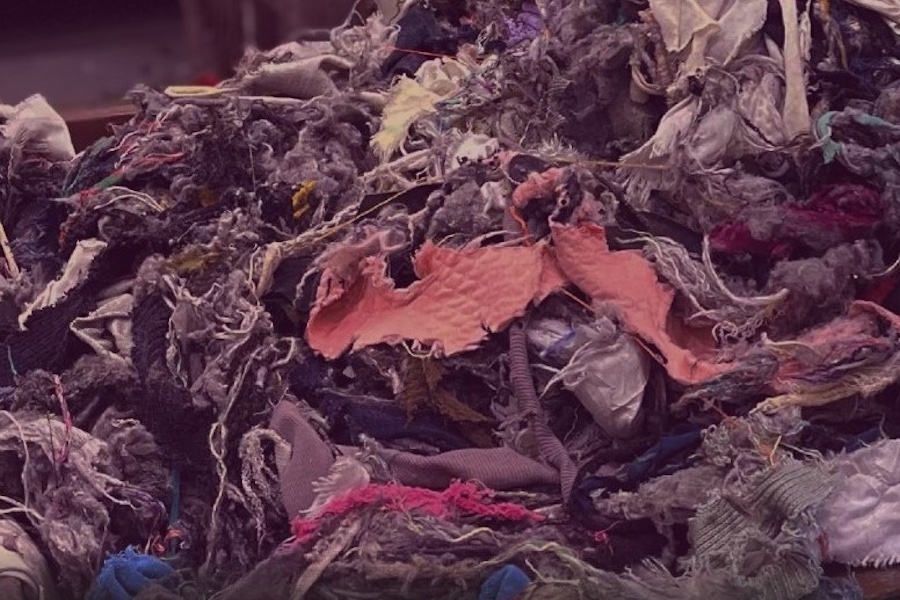
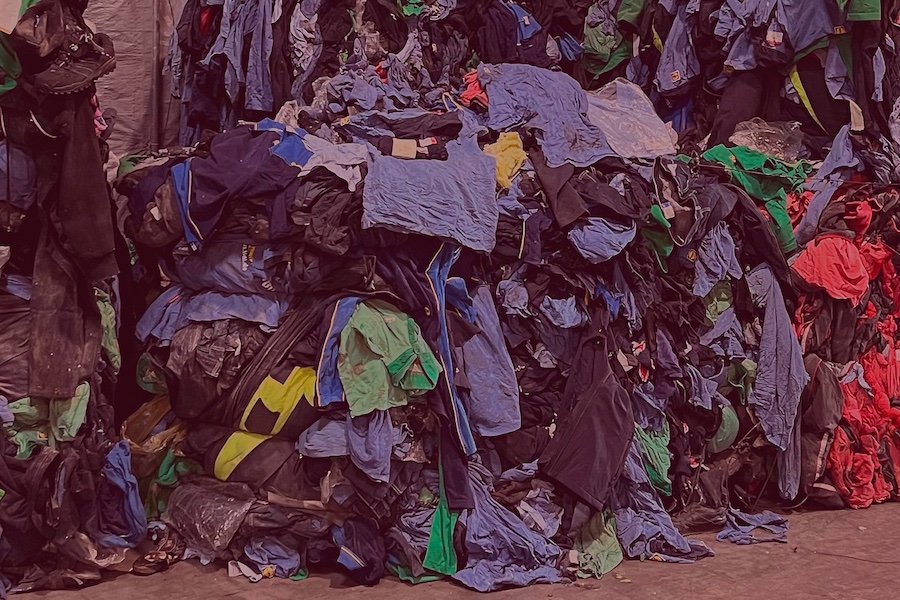
The feasibility study shows that textile waste can be converted into high-quality, biodegradable plastics. © Beneficial Design Institute GmbH
Textile waste could serve as a valuable source of raw materials for sustainable plastics in the future, according to the joint TexPHB feasibility study conducted by the Fraunhofer Institute for Applied Polymer Research IAP, Beneficial Design Institute GmbH and matterr GmbH. The study will be presented to the public for the first time at a network meeting on 25 November 2025 at the State Chancellery in Potsdam.


© Beneficial Design Institute GmbH

The feasibility study shows that textile waste can be converted into high-quality, biodegradable plastics.

Since Overshoot Day on July 24, 2025, humanity has used up its resource budget for this year. The textile industry contributes significantly to this: it causes around eight to ten percent of global CO₂ emissions. In the TexPHB feasibility study funded by the Ministry of Economic Affairs, Labour, Energy and Climate Protection (MWAEK), the partners show how this balance can be improved.

Feasible! From PET waste to biopolymer PHB

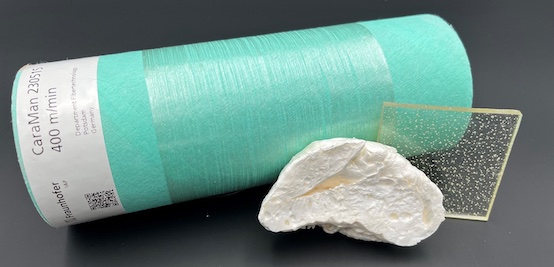
The approach: textiles that are difficult to recycle, such as mixed polyester-containing waste from fast fashion, workwear or industrial cleaning textiles, which are usually incinerated, are converted into the fully biodegradable bioplastic polyhydroxybutyrate (PHB). Together with textile services and textile waste companies, the Beneficial Design Institute investigated how textile waste previously destined for incineration could be recycled. The process developed by matterr GmbH for the hydrolysis of polyethylene terephthalate (PET), in which the central raw materials of PET – terephthalic acid and ethylene glycol – are recovered in their original quality, was tested for the first time for these critical material fractions. Scientists at Fraunhofer IAP used the ethylene glycol produced as a nutrient medium for wild-type bacteria, which convert it into the biopolymer polyhydroxybutyrate (PHB). At the Biopolymers Processing Centre in Schwarzheide, the PHB obtained was further processed and tested for its material properties. "We have thus demonstrated that PET waste from the textile industry can be converted into a biodegradable polymer using chemical and biotechnological processes, which could replace petroleum-based plastics in the long term," says Dr Maren Wandrey, biochemist at Fraunhofer IAP.

PHB: biodegradable and versatile

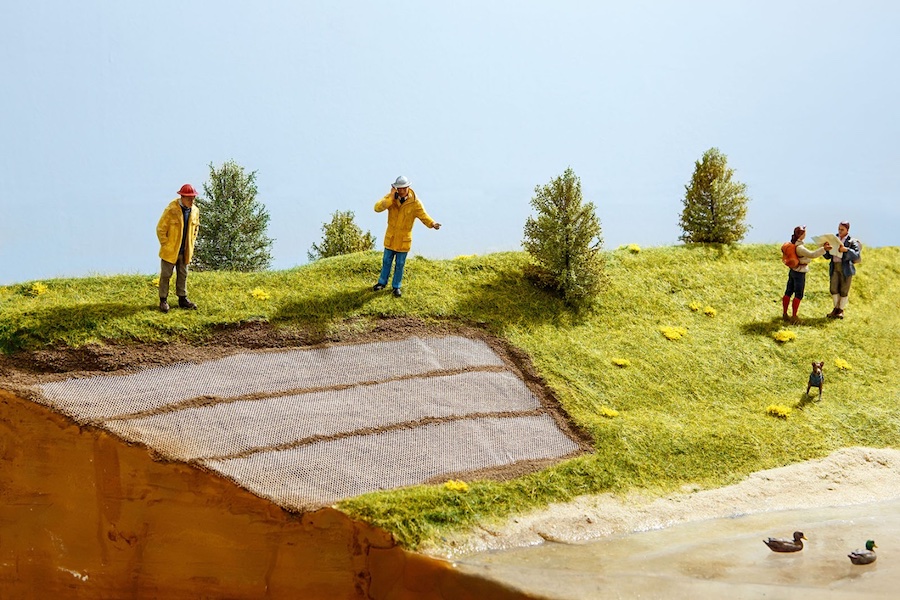
As part of the study, Beneficial Design Institute GmbH identified possible fields of application for the biopolymer. "PHB is completely biodegradable and biocompatible. Compared to other bioplastics, PHB also has a good barrier effect against oxygen and moisture. This means it offers great potential for products that are intended to degrade in the environment or in the body – for example, for medical applications, geotextile for erosion protection or agricultural products," explains Prof. Friederike von Wedel-Parlow, Managing Director of Beneficial Design Institute GmbH.

A recently published strategy paper translates the consortium's findings into concrete recommendations for policy makers in Brandenburg. It comprises a multi-stage package of measures designed to lay the foundations for a textile circular economy in Brandenburg.

Networking for regional value creation and textile transformation

Entitled "From Fabric to Bioplastic – From Waste to Value", the TexPHB market study and strategy paper will be presented on 25 November 2025 at a partnering meet-up in the State Chancellery in Potsdam. The event will take place following the 6th Brandenburg Waste Prevention Forum and will bring together stakeholders from business, research, politics and design. The aim is to initiate cooperation and investment that will drive forward the sustainable transformation of the textile and waste management industry in Brandenburg.

Prospects for Brandenburg's bioeconomy

The TexPHB project exemplifies how textile waste can be converted into high-quality, biodegradable plastics – and what opportunities this opens up for a circular economy. The results of the study will serve as a basis for further research and development work. In the long term, the aim is to create a continuous process chain – from textile waste recycling to the production of new biopolymers.

Policy Paper

Closing the Loop in the Textile Industry: Value Creation in the State of Brandenburg

Policy Paper for Stakeholders committed to a circular bioeconomy in Brandenburg


Key recommendations of the policy paper:

Promotion of start-ups and regional textile biorefineries for efficient resource use

Support programmes for research and development of new recycling technologies for old textiles

Establishment of a competence cluster for data-driven textile recycling

Support for digital data collection along the entire value chain

Qualification of companies for the upcoming Ecodesign Directive 2026

Integration of local companies into European value chains as part of the EU initiative "Regional Innovation Valleys for Circular Economy"


Download:

https://tinyurl.com/z6nnmssv

More News from Fraunhofer Institute for Applied Polymer Research (IAP)

#Research & Development

Fraunhofer IAP paves the way for "Green" carbon fibers

A new pilot plant in Guben is set to enable the production of bio-based carbon fibers. The plant is part of the Carbon Lab Factory Lausitz and will make an important contribution to the transformation of the Lausitz region—from a traditionally raw material- and basic industry-oriented region to a hub for innovative high-performance materials. The German federal government and the state of Brandenburg are providing the Fraunhofer Institute for Applied Polymer Research IAP with 53.3 million euros for this purpose.

#Research & Development

Sustainable design of Geosynthetics and roof underlayments made from recyclates

Is it possible to recover plastic recyclates from previously unused waste streams in order to produce high-quality fibers and films? How can bio-based polymer fibers be manufactured so as to allow adjustable biodegradability? These are the questions being addressed by researchers from the Fraunhofer Cluster of Excellence Circular Plastics Economy CCPE in the Zirk-Tex project.

#Recycling / Circular Economy

Closing the Loop in the Textile Industry: Value Creation in the State of Brandenburg

How can the state of Brandenburg benefit from a circular textile industry? This question is addressed in the new policy paper "Closing the loop in the textile industry: Value creation in the state of Brandenburg." Based on the „TexPHB“ feasibility study funded by the Brandenburg Ministry of Climate Protection, it shows how textile waste can be integrated into new value chains.

#Research & Development

Better, faster, bio-based: Functional new Plastic alternatives

How can new bio-based and biohybrid materials with improved features be developed faster? Six Fraunhofer institutes are jointly exploring this question in the SUBI²MA flagship project, using an innovative bio-based polyamide developed by Fraunhofer researchers as a model. Its specific properties make it a promising alternative to fossil-based plastics.

More News on Research & Development

#Research & Development

Textile cascade filter for removing microplastics from wastewater

Microplastics are now found almost everywhere, even in remote regions of Antarctica. They enter the human body through the food chain. Studies indicate that microplastics may have negative effects on the human health.

#Research & Development

Hof University develops sustainable textile coating for the fashion of tomorrow from mushrooms

Clothing is often treated as disposable: T-shirts for events, general merchandise, or short-term campaigns frequently end up in the trash after only a few uses. This is particularly problematic given that their production still largely relies on fossil-based materials. This is precisely where a new research project at Hof University of Applied Sciences comes in.

#Research & Development

Textilfabrik 7.0 launched: Mönchengladbach becomes a real-world lab for sustainable textile production

With the official kick-off event of the Textilfabrik 7.0 (T7), a major transformation project for the German textile and apparel industry has been launched in the Monforts Quarter in Mönchengladbach. At the “Textile Roundtable,” an event format organized by the Zukunftsagentur Rheinisches Revier, representatives from industry, research, politics, and the regional economy came together to jointly lay the foundation for CO₂-neutral, circular, and economically viable textile production in Germany.

#Techtextil 2026

STFI presents concepts for the textile circular economy and solutions for a healthy and safe life at Techtextil

Sächsisches Textilforschungsinstitut e.V. (STFI) has been supporting companies in developing marketable innovations for over 30 years. With a clear focus on sustainability, the environment, health and protection, the STFI offers future-oriented research, textile testing for tailor-made solutions and certification of per- sonal protective equipment. At Techtextil 2026, the institute will present ideas for the textile circular econ- omy and showcase solutions for healthy and safe living.

Latest News

#Techtextil 2026

Modernizing Needling – DiloGroup at Techtextil & INDEX 2026

With the theme “Modernizing Needling”, the DiloGroup presents a comprehensively enhanced portfolio for needling technology. The objective is to further increase the performance and application range of needlefelt production lines in terms of productivity, flexibility, and the development of new products, thereby meeting the growing demands of modern technical textiles.

#Advertorial

New Gravimax MMX-R X-ray sensor platform opens up new application fields

The demands placed on quality control in web-based production processes are increasing: materials are becoming more complex, basis weights are varying more widely, and at the same time, pressure is growing to make processes more efficient and transparent. Precise measurement data across the entire web width has therefore become a key factor in ensuring stable production processes. With its new Gravimax MMX-R sensor platform, Mahlo introduces a radiometric measurement solution designed to set new standards in determining basis weight and material composition. The platform combines advanced X-ray technology with newly developed signal processing, enabling measurement tasks that previously often required multiple sensor technologies.

#Recycling / Circular Economy

Carbios confirms Longlaville plant in France following financing progress

Carbios has reaffirmed its plans to build its Longlaville plant in France within a project financing framework, targeting the start of production in the first half of 2028. The company also reports a solid cash position of around €60 million at the end of 2025 and has appointed Benoît Grenot as Deputy Chief Executive Officer to support the execution of its strategic projects.

#Composites

KARL MAYER strengthens partnerships in the composites industry at JEC World 2026

KARL MAYER further strengthened its role as a reliable and competent partner to the composites industry at JEC World 2026. The global market leader in textile machinery manufacturing used the trade show to meet key customers, establish numerous new contacts, and engage in in-depth technical discussions.

TOP