[pageLogInLogOut]

#Raw Materials

Incentivising smallholder farmers for implementing climate-smart agricultural practices
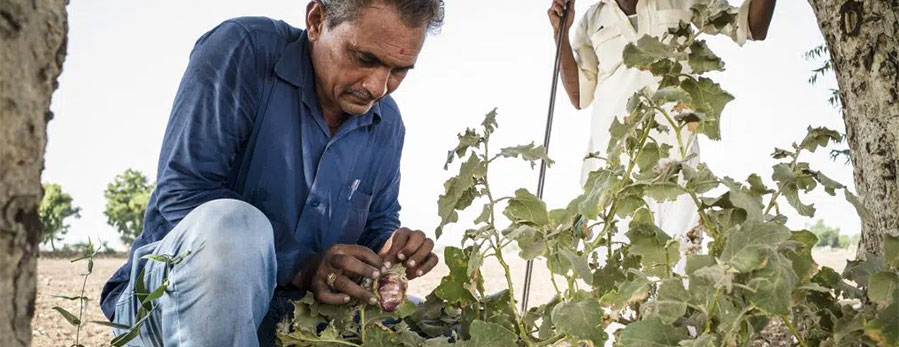
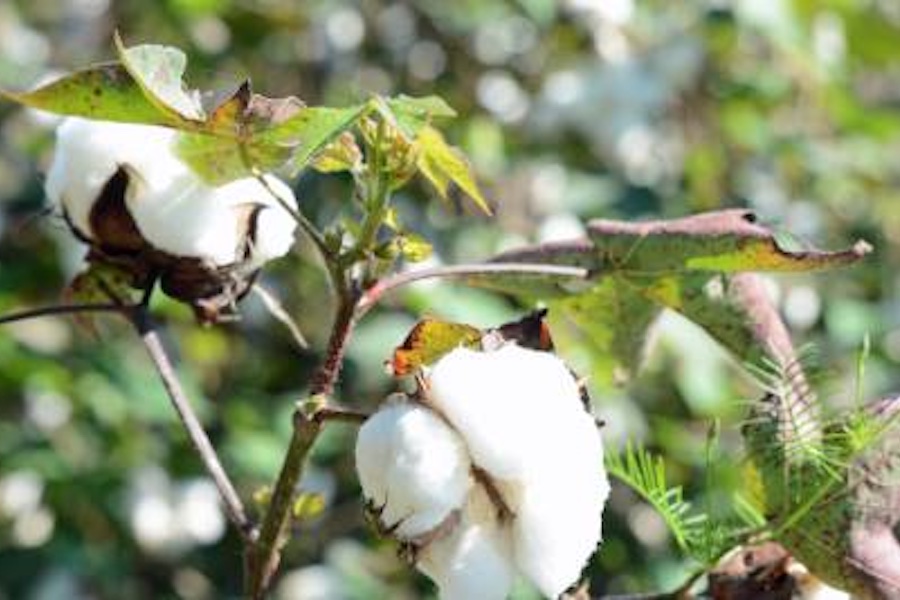
Photo Credit: BCI/Florian Lang
Better Cotton announces its involvement with the Clinton Global Initiative (CGI), which convenes global and emerging leaders to create and implement solutions to the world’s most pressing challenges.

Better Cotton makes the announcement as part of its Commitment to Action at the Clinton Global Initiative 2022 Meeting.

As part of this initiative, Better Cotton is working with smallholder farmers to pioneer an insetting mechanism to promote and incentivize sustainable agricultural practices. The organisation commits to developing a cotton-specific carbon insetting accounting framework to be integrated into the Better Cotton traceability platform.  Better Cotton’s traceability system is due to be launched in 2023, and will provide the backbone for the insetting mechanism. Once implemented, the insetting mechanism will  enable retail companies to know who grew their more sustainable cotton, and allow them to incentivize farmers directly with credits. Until now, it has been impossible to build a carbon insetting mechanism to reduce GHG emissions in the cotton supply chain at scale. Farmer centricity is a key pillar of Better Cotton’s work, and this solution ties into the 2030 Strategy, which lays the foundation for a strong response to climate threats within the cotton value chain, and mobilises action for change with farmers, field partners and members.  

To launch Better Cotton’s Commitment to Action, Better Cotton COO, Lena Staafgard, will attend the CGI meeting on 19th September 2022. The event will showcase the initiatives of organisations working towards climate resiliency, and will feature a video of Alia Malik, Senior Director of Data and Traceability at Better Cotton, introducing Better Cotton’s innovative solution.  


We are pleased to be a part of the CGI community. This will amplify our work with smallholder farmers, and ultimately help us achieve our goals of enabling farmers to profit from implementing more sustainable practices in cotton growing. It will also allow to further build the business case for traceability up and down the supply chain and enable brands to have more insight in to who grows the cotton in their products.

Alan McClay, Better Cotton CEO



More News from TEXDATA International

#ITM 2026

ITM 2026: The new geography of textile production

New production hubs are emerging across North Africa and Central Asia, while Türkiye is accelerating its transformation toward higher-value, technology-driven and more sustainable textile manufacturing.

#Research & Development

“Production is a product”

From technical textiles and AI-driven robotics to the limitations of textile circularity: Professor Dr Thomas Gries looks back on more than two decades of development at ITA Aachen. In the interview, he explains why production technology remains a decisive success factor, discusses international collaborations and innovation ecosystems, and shares his views on the transformation of production landscapes and the challenges facing an increasingly regulated industry.

#Knitting & Hosiery

“We need to move away from the price trap and return to a value-driven mindset.”

With its new Textile Innovation Center, KARL MAYER is sending a strong signal for innovation, collaboration, and the future of textile applications. In this interview, Karl Josef Mayer discusses new opportunities in warp knitting, the processing of staple fibres, recycling, the changing role of machinery manufacturers, and why the textile industry must once again focus more strongly on the value of textiles. by Oliver Schmidt

#Associations

“Innovation, resilience and international experience remain the great strengths of the Swiss textile machinery industry”

Geopolitical uncertainty, growing competitive pressure from China, new free trade agreements and the shift towards a circular economy are currently reshaping the global textile industry. In this interview, Cornelia Buchwalder discusses the current mood within the Swiss textile machinery sector, the industry’s distinctive innovative strength, new market opportunities in India and Asia, and the technological trends that could shape the upcoming trade fair cycle leading up to ITMA 2027.

More News on Raw Materials

Latest News

#Spinning

"We will become a recycling powerhouse"

The textile industry is now in its fourth consecutive year of crisis, while automation, artificial intelligence and recycling are reshaping the rules of the game. In this interview, Rieter CEO Thomas Oetterli discusses the first signs of a market recovery, reflects on his first three years at the helm of the company, explains the integration of Barmag, outlines Rieter’s vision of the fully automated spinning mill and highlights the strategic importance of recycling. In doing so, he explains why the new Rieter Group aims to play a leading role in transforming the textile value chain into a circular economy.

#Man-Made Fibers

ROICA™ launches new global brand identity and digital experience

ROICA™, the premium stretch fiber developed by Asahi Kasei, today announced the launch of its new global brand identity, including a new key visual and a fully redesigned website. This milestone initiative marks the beginning of a new phase in ROICA™’s evolution as a global brand.

#Nonwovens

EDANA launches landmark continence report to mark the start of the World Continence Week

Today marks the official commencement of the World Continence Week. To honour this global awareness initiative, EDANA has published a comprehensive report titled "The Central Role of Absorbent Hygiene Products in the Management of Adult Urinary Incontinence: Benefits, Costs and Environmental Impact." The World Continence Week (WCW) is an annual global initiative dedicated to raising public awareness about incontinence and bladder or bowel health issues. Traditionally held in June, this awareness week aims to shed light on a condition that affects millions of people worldwide but is frequently kept secret due to widespread social stigma, embarrassment, and taboo.

#Associations

Mario Jorge Machado re-elected President of EURATEX

The EURATEX General Assembly has re-elected Mario Jorge Machado as President of EURATEX, renewing its confidence in his leadership at a crucial moment for the European textile and clothing industry. The sector is facing rising costs, global competitive pressure and an increasingly challenging transition towards sustainability and digitalisation.

TOP