[pageLogInLogOut]

#Texprocess 2026

Interview Elgar Straub (VDMA)

Between investment restraint and modernization pressure

Elgar Straub (VDMA) on market dynamics and key technology drivers ahead of Texprocess 2026
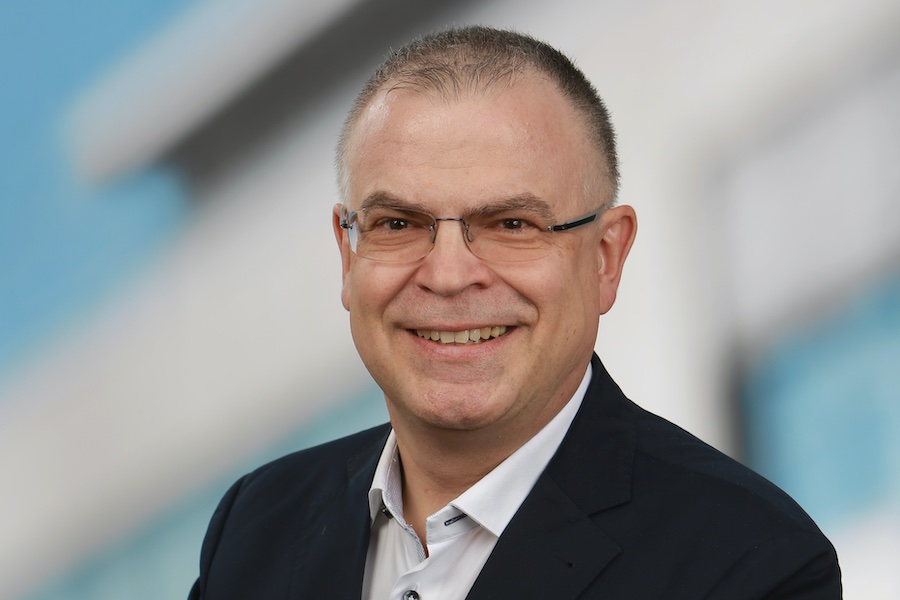
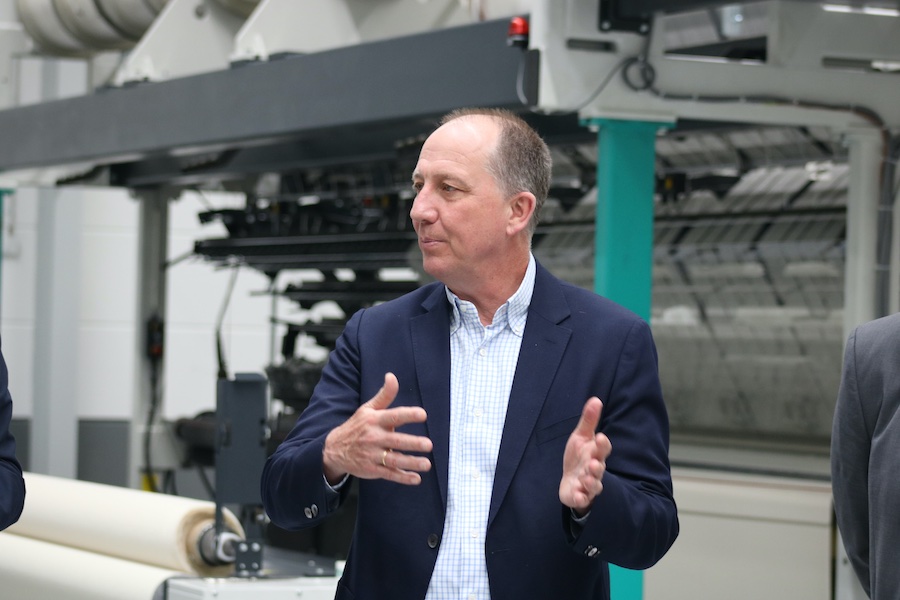
Texprocess 2026 takes place in a complex market environment shaped by uncertainty and innovation pressure. In this interview, Elgar Straub (VDMA) explains why the trade fair is particularly relevant this year and which technologies are driving efficiency and competitiveness.

Interview

Elgar Straub

VDMA, Managing Director Bavaria, Managing Director Textile Care, Fabric and Leather Technologies


by Oliver Schmidt


In just a few weeks, from April 21 to 24, the trade fair duo Techtextil and Texprocess will once again take place. The last edition was held in 2024 – a year you once described as the most challenging you had experienced in your 25-year career. Where do we stand today? Is the textile industry still under pressure from recession, high energy costs and restrained investment? And how would you currently assess the situation in your specific segment, Textile Care, Fabric and Leather Technologies?

Yes, the pressure is still clearly noticeable – however, compared to 2024 the starting position in our Textile Care, Fabric and Leather Technologies sector has changed. Investments continue to be made cautiously and very selectively, driven by cost pressures, uncertainty and longer decision‑making processes. At the same time, the need for modernization among our global customers is increasing significantly: companies are investing where technologies demonstrably improve efficiency, flexibility and process stability, as well as sustainability. This very tension currently characterizes our industry – and it lies at the heart of Texprocess.


Further challenges for the industry have emerged with the return of U.S. President Trump and the introduction of new tariffs, which are making business with the U.S. more difficult – in some cases even grinding it to a halt. How strongly are your member companies affected by these measures, and what disadvantages do they create not only for European suppliers but also for the U.S. market and consumers?


For companies in the Textile Care, Fabric and Leather Technologies (TFL) sector, US tariffs have a twofold effect: they increase the cost of machines and components in the US target market while simultaneously raising uncertainty regarding investment decisions among global customers whose products are in turn delivered to the US. Particularly in a technology‑driven segment such as TFL, this leads to modernization projects being postponed or subjected to very careful scrutiny.

For the US market itself, this has long‑term consequences: if investments in efficient and productive technologies fail to materialize, productivity and competitiveness come under pressure – an effect that becomes noticeable along the entire value chain and is also clearly addressed in the context of Texprocess.


At the same time, the European Union has concluded two free trade agreements with Mercosur and India, both intended to have a positive economic impact. How are these agreements viewed by your members, and what expectations are associated with them?

For our member companies, reliable and openly structured trade relations represent an important opportunity – especially in an internationally interlinked market environment. Improved market access can facilitate investments, strengthen cooperation and accelerate technological innovation. What is crucial is a practical implementation: if tariff reductions take effect effectively, procedures are efficient and technical as well as regulatory requirements are well aligned, tangible planning security emerges. This creates stable framework conditions for our members, promotes competitiveness and supports sustainable growth. Both regions are important trading partners and we expect a lasting investment boost. Accordingly, we also call on the EU Commission to bring the free trade agreement with Mercosur into provisional force as quickly as possible.


Turning to the trade fair itself: as early as August 2025, Messe Frankfurt reported a very strong booking situation for Texprocess. How do you assess the current state of preparations? What are your expectations for this year’s edition of Texprocess?

The signs are very positive. A strong booking status was communicated at an early stage: more than 200 exhibitors from 24 countries, including many new exhibitors as well as established brands. In terms of content, Texprocess 2026 is clearly positioned as a platform where the industry provides answers to the major challenges: automation, digitalization and AI, as well as sustainability, are at the center, because these are precisely the drivers of efficiency and flexibility gains.

I therefore expect a trade fair of very high relevance for decision‑makers: concrete solutions that can be translated into investment decisions – ranging from intelligent material flow systems and robot‑assisted units to AI‑based real‑time quality control.


Texprocess is regarded as the world’s leading trade fair for your industry – making it worthwhile to visit almost every time. Why might this particular edition be even more relevant than usual?

Texprocess is fundamentally always worth attending, because it is the only global platform that brings together all technologies and services of textile processing – from design and cutting to sewing, finishing and digital printing.

In 2026, from my perspective, an additional factor comes into play: the combination of economic pressure (budget constraints, volatile demand, tariffs/geopolitics) and, at the same time, a strong surge in innovation makes visiting the trade fair particularly valuable. Visitors will find exactly the technological answers that are currently needed to stabilize processes, use resources more efficiently and reduce dependencies in order to remain competitive.


Technologies aimed at increasing efficiency are expected to play a key role at Texprocess 2026. What exactly does this mean in practical terms? Which developments or approaches should visitors pay particular attention to?

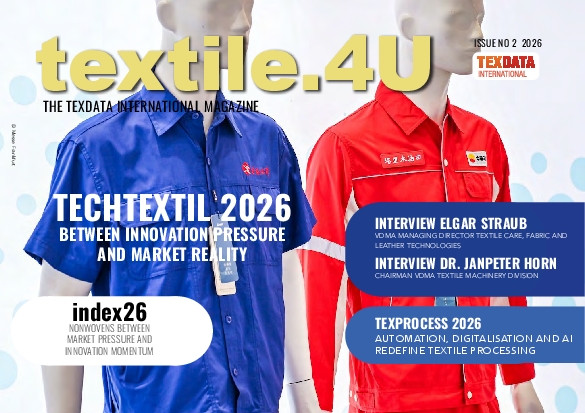
The full interview can be read in the latest issue of textile.4U, available for free download here:
More News from TEXDATA International

#

“Production is a product”

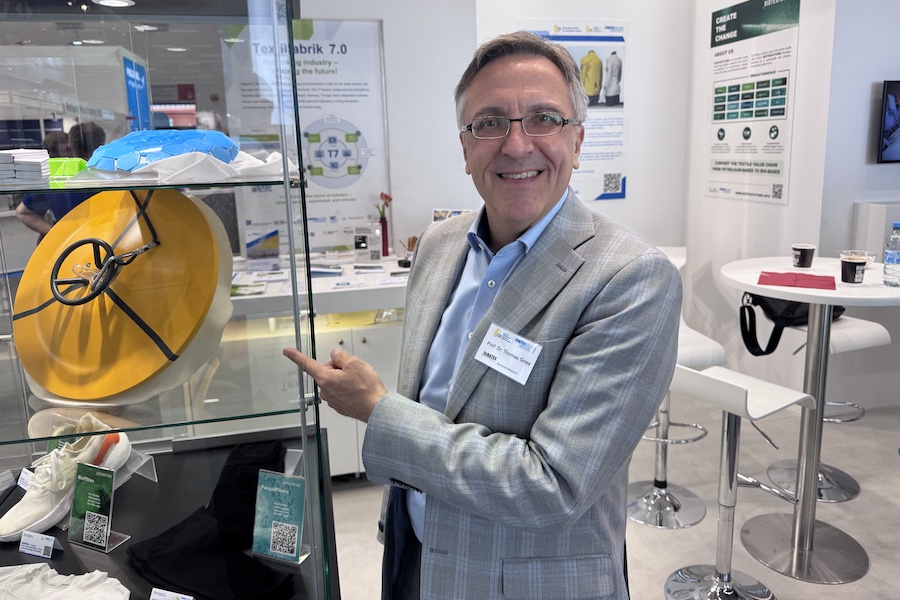
From technical textiles and AI-driven robotics to the limitations of textile circularity: Professor Dr Thomas Gries looks back on more than two decades of development at ITA Aachen. In the interview, he explains why production technology remains a decisive success factor, discusses international collaborations and innovation ecosystems, and shares his views on the transformation of production landscapes and the challenges facing an increasingly regulated industry.

#Knitting & Hosiery

“We need to move away from the price trap and return to a value-driven mindset.”

With its new Textile Innovation Center, KARL MAYER is sending a strong signal for innovation, collaboration, and the future of textile applications. In this interview, Karl Josef Mayer discusses new opportunities in warp knitting, the processing of staple fibres, recycling, the changing role of machinery manufacturers, and why the textile industry must once again focus more strongly on the value of textiles. by Oliver Schmidt

#Associations

“Innovation, resilience and international experience remain the great strengths of the Swiss textile machinery industry”

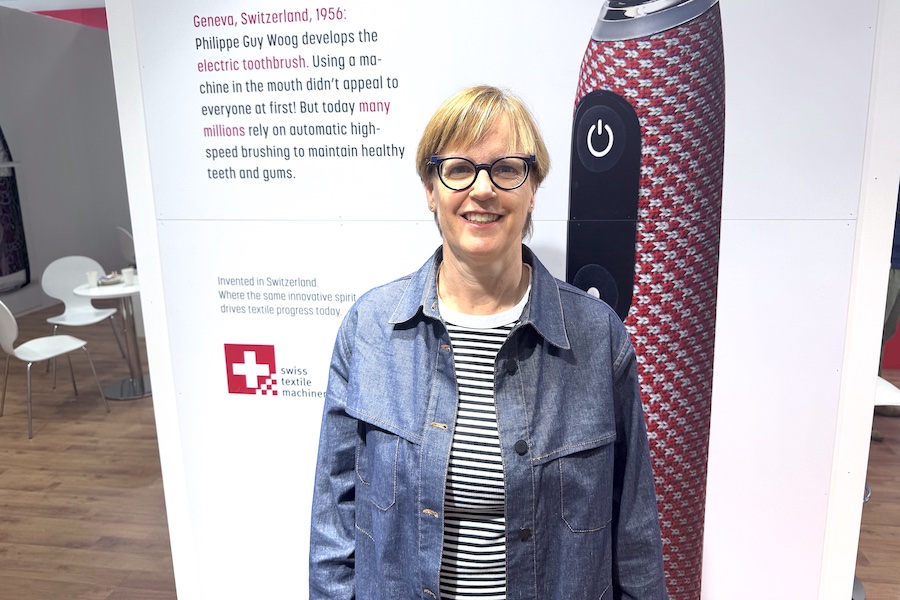
Geopolitical uncertainty, growing competitive pressure from China, new free trade agreements and the shift towards a circular economy are currently reshaping the global textile industry. In this interview, Cornelia Buchwalder discusses the current mood within the Swiss textile machinery sector, the industry’s distinctive innovative strength, new market opportunities in India and Asia, and the technological trends that could shape the upcoming trade fair cycle leading up to ITMA 2027.

#Technical Textiles

“ We have multiple companies and divisions operating in textiles, and we decided to integrate them into one platform. ”

At Techtextil 2026, the Aditya Birla Group presented its textile activities as a unified platform for the first time. In this interview, Kapil Agrawal, Business Head Textiles, Acrylic Fibres & Overseas Spinning, explains how the group is expanding from traditional textile products towards integrated technical textile solutions, circularity and higher-value applications – and outlines the role India could play in scaling fibre-to-fibre recycling in the years ahead.

More News on Texprocess 2026

#Texprocess 2026

Eton’s AI-driven sorting system targets growing resale market

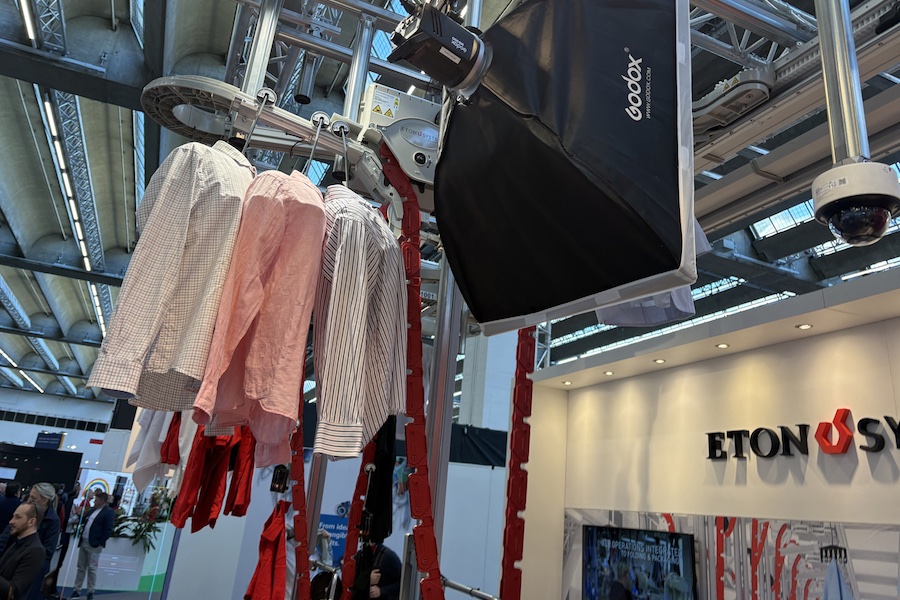
At the recent Texprocess exhibition in Frankfurt, Eton Systems – a member of TMAS, the Swedish textile machinery association – demonstrated its new aUPS module for the rapid sorting of used garments.

#Texprocess 2026

Sustainable embroidery materials and digital finishing attract attention at GUNOLD booth

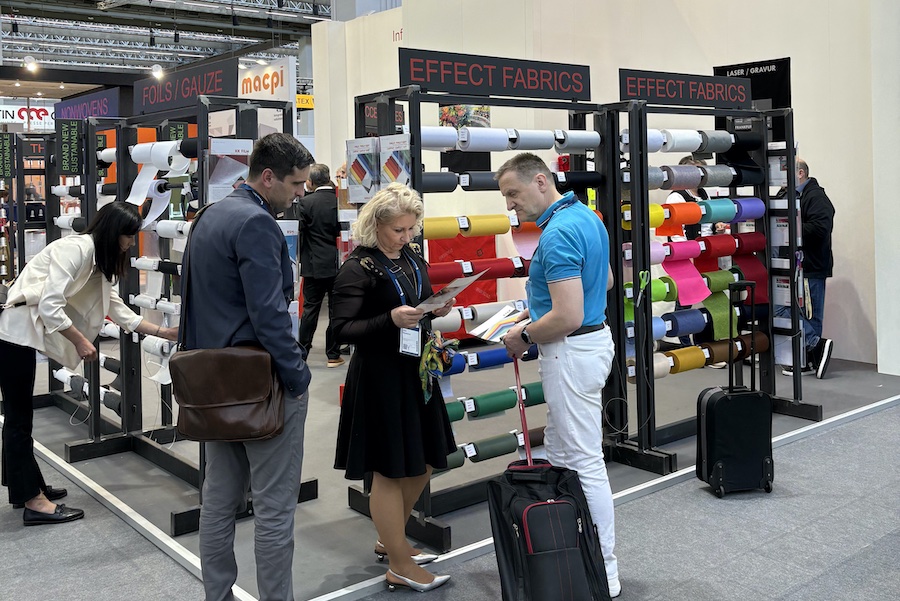
More exhibition space, more visitors, and a high level of international participation: GUNOLD’s concept for this year’s Texprocess 2026, which took place in Frankfurt am Main from April 21 to 24, 2026, was a complete success. “Our decision to showcase our entire product range alongside application examples and expert tips was very well received,” says Marketing Director Stephan Gunold, delighted with the positive outcome of the trade show. The focus was particularly on the Stockstadt-based company’s sustainable products as well as its laser, engraving, and sublimation services.

#Texprocess 2026

AMANN reviews successful Texprocess 2026 and highlights innovations for circularity and performance

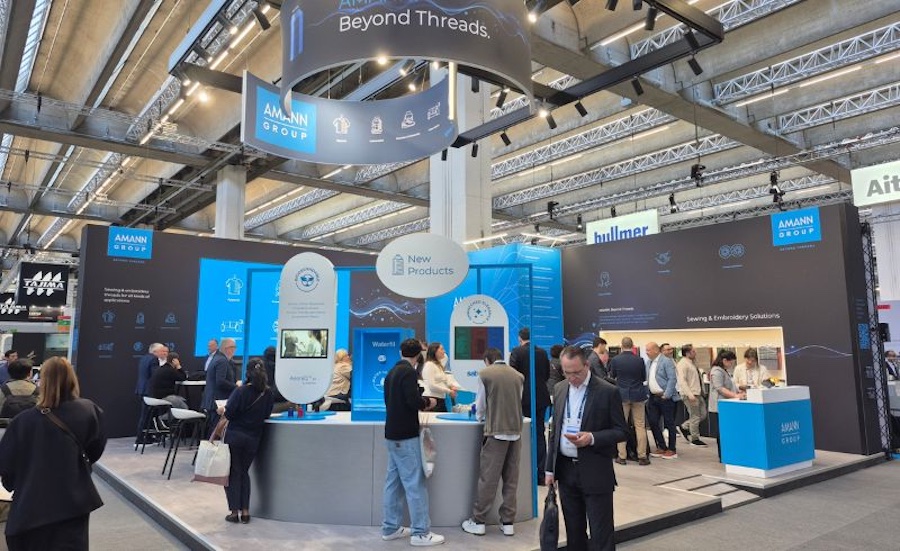
AMANN Group has drawn a positive conclusion following four successful days at Texprocess 2026 in Frankfurt. The company highlighted the many inspiring discussions, valuable exchanges, and new connections established with partners, customers, and industry experts during the event.

#Texprocess 2026

Texprocess 2026: Style3D | ASSYST showcases AI, 3D, 2D and automation and meets strong industry response

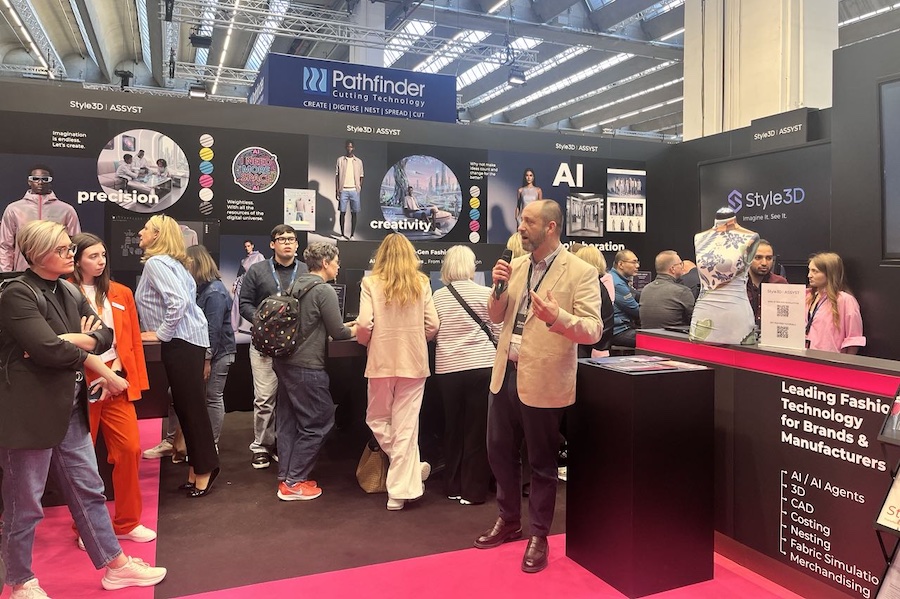
Four days, countless discussions and a clear signal from the industry: the future of fashion is digital and AI-driven. At Texprocess 2026, Style3D | ASSYST demonstrated how AI, 3D and automation are already fundamentally transforming processes from design to production.

Latest News

#Textile processing

YKK invests USD 150 million in new manufacturing facility in India

YKK Corporation has announced plans to construct a new manufacturing facility in India, reinforcing its long-term commitment to one of the world's fastest-growing textile and apparel production hubs. The new factory will be built at Origins by Mahindra in Chennai, Tamil Nadu, and will become the third manufacturing site of YKK India Private Limited. The facility is expected to be completed by February 2028 and represents an investment of approximately USD 150 million, covering land, buildings, machinery and equipment.

#ITM 2026

Marzoli promotes ‘Don’t Replace, Repower’ approach at ITM 2026

At ITM 2026 in Istanbul, Marzoli will place a strong focus on spinning mill modernization, presenting retrofitting and reengineering solutions designed to improve efficiency, extend machine lifetime and maximize the value of existing assets.

#Recycling / Circular Economy

Mesdan to showcase laboratory-scale textile recycling solutions at Textiles Recycling Expo 2026

At Stand 2235 during the Textiles Recycling Expo 2026 in Brussels, Mesdan will present laboratory solutions designed to support the development and evaluation of textile-to-textile recycling processes.

#Technical Textiles

Trelleborg celebrates grand opening of advanced manufacturing facility in North Carolina

Trelleborg Engineered Coated Fabrics proudly celebrated the grand opening of its new, state-of-the-art extrusion coating manufacturing facility in Forest City, North Carolina, US on May 6, 2026. The event brought together community leaders, customers, partners and Trelleborg leadership to mark a significant milestone in the company’s continued investment in innovation, capacity and sustainable operations. The new facility represents a significant investment and reinforces Trelleborg’s long-term commitment to advancing high-performance engineered coated fabric solutions for critical applications across aerospace, healthcare & medical, safety & protection and industrial markets.

TOP