[pageLogInLogOut]

#Raw Materials

China projected to increase cotton production, yields, and imports in 2026/27

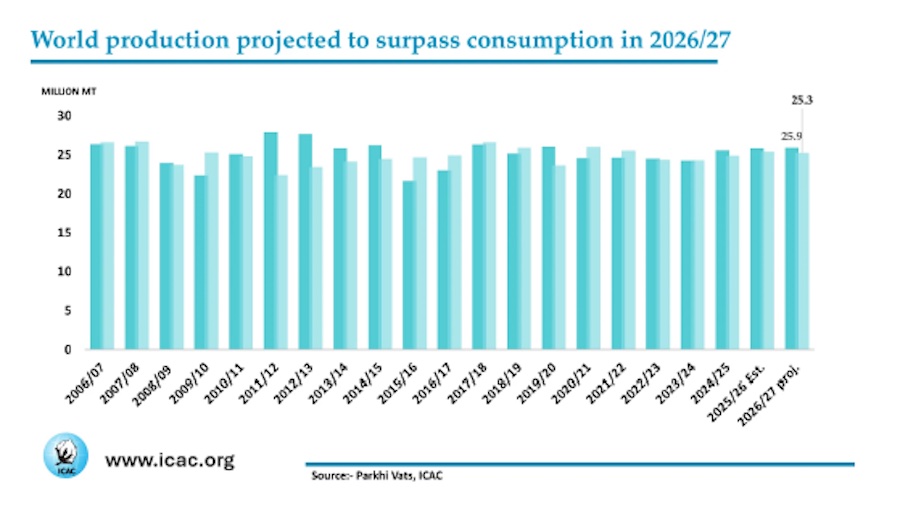
World cotton production in the 2026/27 season is projected at 25.9 million tonnes, exceeding global consumption of 25.2 million tonnes, according to the May 2026 issue of Cotton This Month. That means both production and consumption are expected to remain close to current season levels, while global cotton trade is projected to decline by 2.7% to approximately 9.6-9.7 million tonnes.

There are some key market drivers having an impact:

  • Geopolitical tensions in the Middle East could disrupt fertilizer supply chains, increasing input costs for producers
  • Severe drought in the United States is affecting most cotton-growing areas, raising the likelihood of abandonment
  • Rising prices for synthetic fibers may improve cotton’s competitiveness
  • Favorable conditions in China are expected to support strong yields

Production, consumption, and trade

China is expected to remain the world’s largest producer (nearly 7 million tonnes) and the leading consumer (accounting for 32% of global use).

Global exports will continue to be led by Brazil, followed by the United States and Australia. On the import side, Bangladesh is projected to remain the world’s largest importer at 1.8 million tonnes, followed by China, Vietnam, Pakistan, and Türkiye.

World cotton ending stocks for 2026/27 are projected to rise by 4% to 17.9 million tonnes, reflecting higher production and increased imports, particularly in China.
© 2026  ICAC
© 2026 ICAC


ICAC’s price projections

The Secretariat’s current Cotlook A price forecast for the 2025/26 season, based on current supply and demand estimates, ranges from 73 to 84 cents per pound, with a midpoint of 78 cents per pound. ICAC’s price projections are made by Ms Lorena Ruiz, ICAC Economist.

ICAC’s statistical data portal

For the most current statistics, users are encouraged to consult ICAC’s Statistical Data Portal, which is updated continuously.

The author of Cotton This Month is Parkhi Vats, Principal Statistician and Data Architect at ICAC.

The next issue of Cotton This Month will be released on June 1, 2026.

If you are a subscriber to Cotton This Month, please access your account with your username and password here: https://tinyurl.com/yx96edfk

To subscribe to Cotton This Month, please click here: https://tinyurl.com/bd2tk49p.


More News from International Cotton Advisory Committee (ICAC)

#Natural Fibers

Global cotton trade poised for recovery as India and China drive import demand

The July 2026 issue of Cotton This Month highlights a changing global cotton market, with consumption and trade expected to strengthen despite a modest decline in production during the 2026/27 season. The next issue of Cotton This Month will be released on August 1, 2026.

#Natural Fibers

Organic cotton at the crossroads: Ideology, evidence, and the road ahead

Organic cotton occupies one of the most contentious spaces in global agriculture. While praised by brands and consumers for its environmental ideals, it also faces persistent questions about yield stability, certification integrity, and scalability. The current edition of The ICAC Recorder cuts through the ideology to deliver a rigorous, evidence-based assessment of both sides of the debate.

#Raw Materials

CSITC adds ABRAPA as a round trial sample provider

Beginning with the Q2 2026 Round Trials, the ICAC's Committee on the Commercial Standardization of Instrument Testing of Cotton has expanded its sample provision framework by adding the Brazilian Cotton Growers Association (ABRAPA) as an official sample provider.

#Raw Materials

Dr N Vigneshwaran is named 2026 ICAC Researcher of the Year

The International Cotton Advisory Committee (ICAC) is pleased to announce the selection of Dr N Vigneshwaran, Principal Scientist and Head of the Chemical and Biochemical Processing Division at the ICAR–Central Institute for Research on Cotton Technology (ICAR-CIRCOT), Mumbai, India, as the ICAC Researcher of the Year 2026.

More News on Raw Materials

#Natural Fibers

Cotton made in Africa partners receive top marks in independent verifications

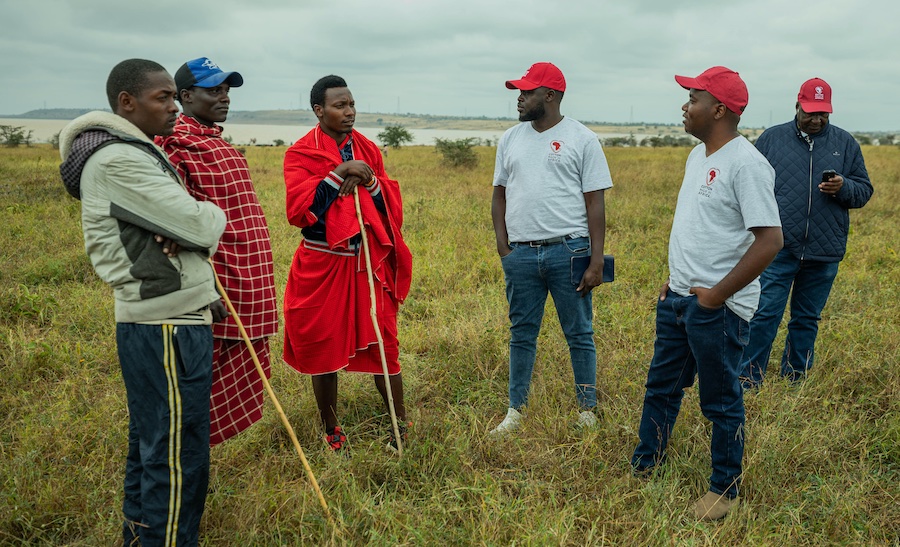
Cotton made in Africa® (CmiA) and CmiA Organic are two internationally recognised standards that aim to promote sustainable development in the African cotton sector south of the Sahara. To ensure the standards’ credibility among brands, retailers, and consumers, independent verifiers evaluate compliance on the ground. The verification results for 2025, now published in the Aggregated Verification & Implementation Report, were very strong: The verifiers awarded consistently very good remarks regarding management, people, prosperity, and the environment.

#Natural Fibers

Cotton ConneXions Insight to Impact brings supply chain leaders together around cotton innovation

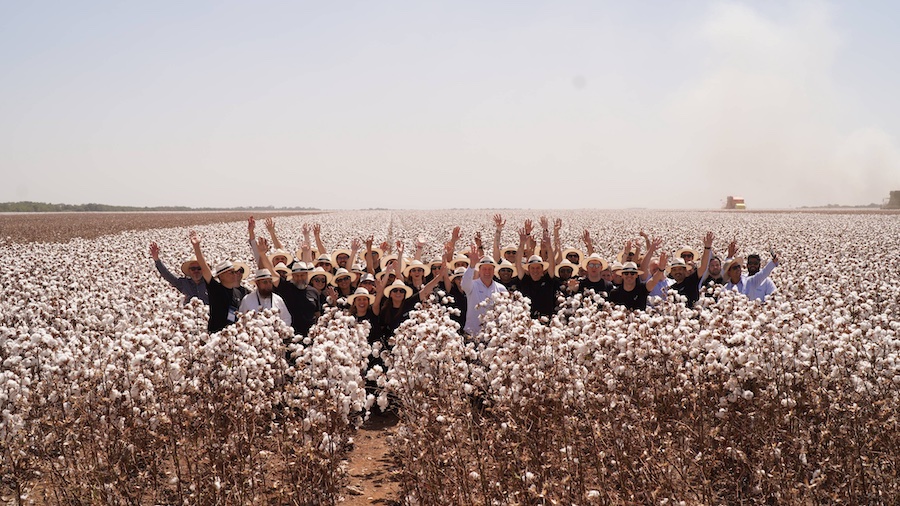
Cotton Incorporated’s Cotton ConneXions Insight to Impact brought together more than 300 industry leaders from 140 companies across 10 countries, including more than 45 top global brands and sourcing organizations, underscoring strong global interest in cotton-rich product development, sourcing and supply chain collaboration.

#Natural Fibers

Bremen Cotton Exchange: Fritz A. Grobien re-elected as President

The members of the Bremen Cotton Exchange have re-elected Fritz A. Grobien as President during the association’s 152nd General Assembly on June 18, 2026. The election confirms the organization’s commitment to maintaining its role as a leading international platform for the cotton and fiber industry amid a period of geopolitical and economic uncertainty.

#Man-Made Fibers

Christian Wichert appointed Chief Executive Officer to lead next phase of growth

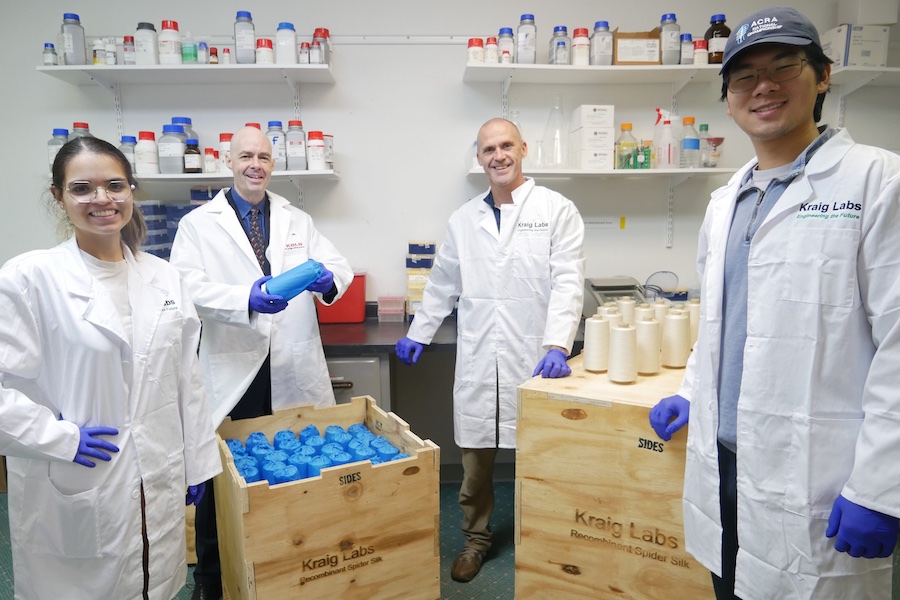
AMSilk GmbH (“AMSilk”), a global leader in advanced biomaterials made from silk proteins, today announces the appointment of Christian Wichert as its new Chief Executive Officer (CEO), effective 1 June. The appointment marks a pivotal moment in AMSilk’s journey, as the Company advances from development through scale-up to commercialization.

Latest News

#Spinning

Ibrahim Fibres and Trützschler: A strong partnership enters its next phase with the TC 30Si

For more than two decades, Ibrahim Fibres and Trützschler have grown side by side, driven by a shared ambition to continuously improve spinning performance, strengthen technology leadership and set new benchmarks in the textile industry. Today, Ibrahim Fibres is a leading yarn and polyester staple fiber manufacturer in Pakistan. The company operates the largest number of Trützschler cards in the country, with more than 200 machines running across its mills in Faisalabad, and plays an important role in one of Asia’s largest textile industries.

#Digital Printing

USColorworks expands digital platform with Kornit Atlas MATRIX and Atlas MAX PLUS solutions

Kornit Digital Ltd. (NASDAQ: KRNT), a global pioneer in sustainable, on-demand digital fashion and textile production, today announced that USColorworks, a North Carolina-based apparel decoration and fulfillment company specializing in custom and on-demand printing for retail and promotional markets, has expanded its Kornit digital production platform with the addition of Atlas MATRIX and Atlas MAX PLUS systems to deliver high-quality, on-demand apparel across cotton, blended fabrics and polyester.

#Functional Fabrics

CovationBio introduces two new bio-based innovations at Functional Fabric Fair New York

Covation Biomaterials LLC (“CovationBio®”) is showcasing its two new bio-based innovations, Xatryx® and Sorona® elasterell-p fiber, at this year’s Functional Fabric Fair in New York City, July 7–9, 2026. Attendees can visit CovationBio at Booth #404 to explore this next generation of bio-based performance materials.

#Research & Development

Geotextiles made from recycled materials: GREEN leads the way into the industry

For the industry, recycled materials are creating new opportunities in geotextile production. In the GREEN project, the Fraunhofer Cluster of Excellence Circular Plastics Economy CCPE demonstrates that recycled polypro-pylene (PP), polyethylene terephthalate (PET), and high-density polyeth-ylene (HDPE) can be processed into nonwovens, fibers, and membranes that meet industrial requirements. This creates opportunities for use in existing production lines and new value chains in the geotextile market.

TOP