[pageLogInLogOut]

#Industry 4.0 / Digitalization

Lenzing expands fiber identification technology to TENCEL™ branded fibers

The Lenzing Group is proud to announce the extension of its revolutionary fiber identification technology to TENCEL™ branded lyocell and modal fibers, solidifying its commitment to providing supply chain transparency along the entire textile production process. The successful launch and feedback from the industry on the system used for LENZING™ ECOVERO™ branded fibers, as well as the growing number of wood-based cellulosic manufacturers, encouraged Lenzing to further expand the technology for the TENCEL™ brand to ensure traceability of its products.
  • Lenzing’s fiber identification technology relies on physical identification of the fiber, enabling traceability and protection from counterfeiting.
  • The system will now be expanded to include all fiber types under the TENCEL™ brand, elevating supply chain transparency for the textiles industry.


Pioneering technology to increase visibility for brands and consumers

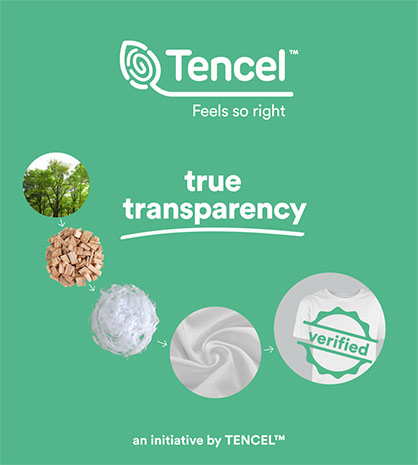
Lenzing’s fiber identification technology provides physical identification of fiber origin at different stages of textile products such as the fabric and garment level. This enables full traceability of the fiber, protects from counterfeiting and provides assurance to brands and retailers that their products are made from TENCEL™ branded lyocell and modal fibers. It also guarantees that the fibers are produced in state-of-the-art-production facilities that meet high standards for resource efficiency and environmental and social responsibility. This allows brands and consumers to have full visibility of how and where their products have been made.

Fiber identification will be a vital part of the fabric certification process within Lenzing E-Branding Service. From November 2021, Lenzing will test fabrics for fiber identification, enhancing the security of Lenzing’s online services and testing facilities and increasing transparency and security between value chain partners. By the first half of 2022, additional services for brands and retailers will be integrated onto Lenzing E-branding Service.

Enhancing sustainability in the supply chain

The textile industry has always been aiming to tackle environmental issues such as pollution and carbon emissions. Increasingly, brands are embracing sustainability, but the take up has been slow, especially for manufacturers and suppliers. In order to enhance the industry’s ability to manage its value chain more sustainably, both brands and consumers must be fully aware of the nature and magnitude of the issues within the process. Tracking and traceability of raw materials in the final product can ensure raw materials originate from responsible resources, comply with industry standards and thereby prevent usage of materials from controversial sources. In the long run, this will help improve the overall sustainability of the industry thanks to informed decision-making by all parties.

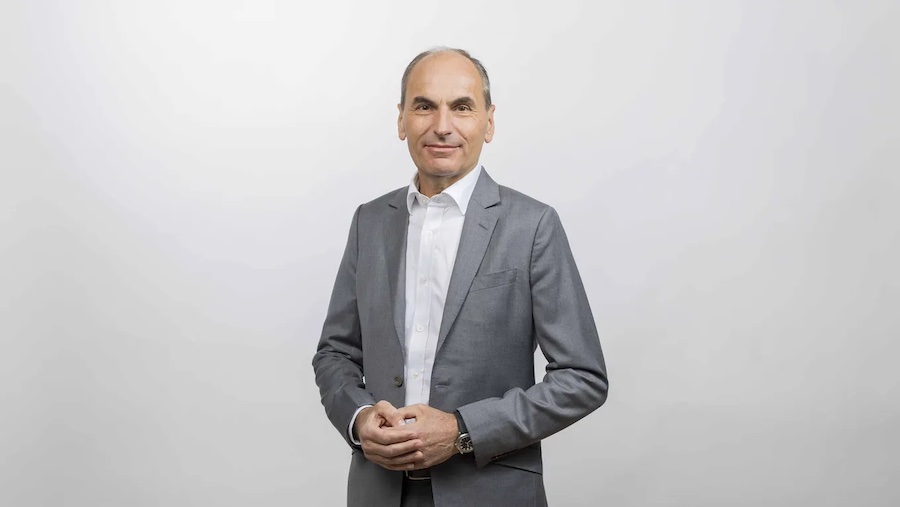
“As the awareness of sustainability grows, we see the need to continuously improve transparency and traceability of our products, so as to make sure our brand credentials are well protected and trusted by industry stakeholders and consumers,” says Florian Heubrandner, Vice President Global Textiles Business at Lenzing AG. “By extending the TENCEL™ brand’s effort on supply chain transparency with our fiber identification technology, we hope to enable the textile industry to become more sustainable, as well as ensure our brand partners have the credibility to communicate their sustainability efforts and combat greenwashing.”


Protecting brand credentials with eco-friendly assurance

As a result of the push for sustainability in the fashion industry, more brands are looking to commit to sourcing cellulosic fibers from eco-conscious producers with stringent wood sourcing policies and industry-recognized production guidelines in terms of ecological and social impact. Using Lenzing’s fiber identification technology and being able to track fibers throughout the process, provides consumers with an assurance that the clothing and home textile products they buy are made of sustainable TENCEL™ branded fibers.
© 2021 Lenzing
© 2021 Lenzing


Fostering the future of raw material transparency through fiber identification technology

As brands and consumers become more aware of the importance of informed purchase decisions, it is becoming more imperative to offer proofs around the production process. The combination of both physical and digital traceability allows brands to easily verify the materials used in their products – this will become a key driver in the textile and fashion industry. Through Lenzing’s partnership with TextileGenesis™ to launch a blockchain-enabled supply chain traceability platform, in addition to its innovative E-branding Service, Lenzing has been at the forefront of digital traceability and has been creating an unprecedented level of traceability.

“Over the next few years, branded fiber products will employ fiber identification technology on a broader level, and, in time, it will be possible to real time track and trace materials through the supply chains. We hope that our success can provide the industry with an example of how innovation empowers sustainability and help to shift perception towards proven sustainable solutions,” comments Heubrandner.

More News from Lenzing

#Nonwovens

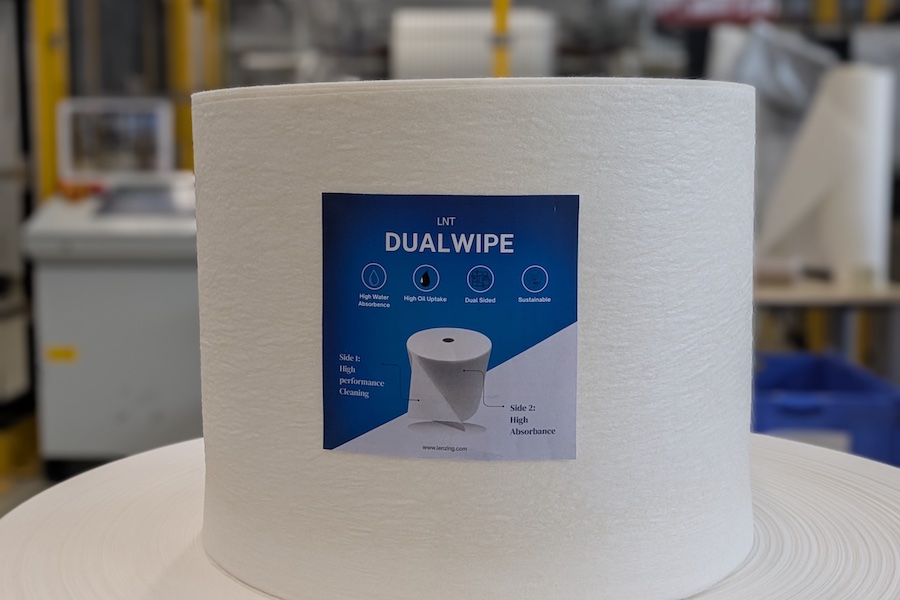
VEOCEL™ Lyocell production expands to Asia – Launching a new chapter for nonwovens in the region

VEOCEL™, Lenzing's flagship specialty nonwovens brand, expands production at its Thai plant in Prachinburi. This is the first-ever production of its nonwoven-grade lyocell fibers in Asia. Built in 2022 with a 100,000-ton annual production capacity, the facility - previously focused on fibers for textile applications - now can directly meet the demand for VEOCEL™’s biodegradable¹, wood-based lyocell fibers for nonwovens products. These fibers are an essential ingredient for high-quality nonwovens products, ranging from baby wipes to facial sheet masks and everyday personal hygiene items.

#Man-Made Fibers

Lenzing advances its transformation: Higher EBITDA, stronger free cash flow and more than EUR 200 million in cost savings

The business performance of the Lenzing Group in 2025 was affected particularly in the second half of the year by external factors such as international tariff measures, subdued demand and declining market prices. As a result, revenue decreased slightly by 2.3 percent to EUR 2.6 billion, primarily due to lower fiber sales volumes and lower prices for fibers and pulp, which were further negatively impacted by currency developments. Nevertheless, thanks to the comprehensive Performance Program, Lenzing was able to improve its operating performance and key financial indicators compared with the previous year.

#Man-Made Fibers

“Lead Transformation – Generate Impact”: Lenzing presents its 2025 Annual and Sustainability Report

The Lenzing Group has published its 2025 Annual and Sustainability Report, entitled LEAD TRANSFORMATION – GENERATE IMPACT. The report shows how Lenzing is actively shaping change in the industry and making a lasting impact: economically, ecologically, and socially. Lenzing is consistently focused on the future: with targeted investments in premiumization, excellence, innovation, and sustainability, the company is strengthening its position as a leading provider of sustainable, cellulose-based premium fibers. The combined report is available in digital format.

#Raw Materials

Lenzing Group positions bio‑based materials as a strategic asset for Europe’s economic security

The Lenzing Group, a leading supplier of regenerated cellulose fibers for the textile and nonwovens industries, hosted a high‑level roundtable in Brussels to discuss how bio‑based materials can strengthen Europe’s economic security and support the shift toward a fossil‑free future. Organized in cooperation with Euractiv, the event brought together representatives of the European Commission, the UK Mission to the EU, academia, civil society, and industry.

More News on Industry 4.0 / Digitalization

#Research & Development

Textilfabrik 7.0 launched: Mönchengladbach becomes a real-world lab for sustainable textile production

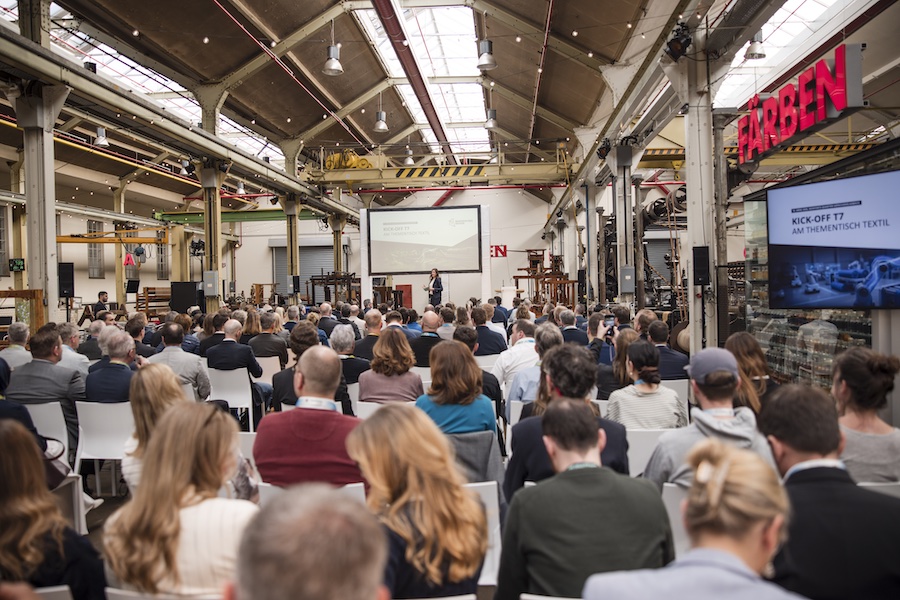
With the official kick-off event of the Textilfabrik 7.0 (T7), a major transformation project for the German textile and apparel industry has been launched in the Monforts Quarter in Mönchengladbach. At the “Textile Roundtable,” an event format organized by the Zukunftsagentur Rheinisches Revier, representatives from industry, research, politics, and the regional economy came together to jointly lay the foundation for CO₂-neutral, circular, and economically viable textile production in Germany.

#Man-Made Fibers

OnceMore® from Södra brings end-to-end traceability for circular Man-made Cellulosic Fibers (MMCF) using TextileGenesis

OnceMore® from Södra, the world’s first large-scale process for recycling blended fabrics into high‐quality dissolving pulp, will begin using TextileGenesis, a Lectra company, to strengthen traceability from raw material to retail across the value chain. OnceMore® produces dissolving pulp made from blended textile waste and wood sourced from responsibly managed Swedish forests. By integrating TextileGenesis, OnceMore® supports the growing need for verified data and secure, transparent tracking throughout increasingly complex supply chain.

#Denim

Jeanologia launches Billy

The new AI extracts precise laser designs from a garment image in minutes, transforming how vintage denim is recreated for production. If Jeanologia’s laser changed the way jeans were made at the end of the last century, its AI now takes the next step: moving from reproducing wear to designing it. / archive photo © 2026 Jeanologia

#Dyeing, Drying, Finishing

Monforts unveils interactive digital platform for textile finishers

Monforts has launched a new digital platform designed to give textile manufacturers faster, more intuitive access to the company’s finishing technologies, technical expertise and aftersales support worldwide.

Latest News

#Raw Materials

New study shows low environmental impact by Cotton made in Africa Organic Cotton from Tanzania

Today, the Aid by Trade Foundation (AbTF) is announcing the results of a comprehensive life-cycle analysis (LCA) for cotton produced in Tanzania under the Cotton made in Africa Organic (CmiA Organic) standard. The study emphasises the small ecological footprint of CmiA Organic verified cotton. This can largely be traced back to the absence of synthetic pesticides, artificial fertilisers, and artificial irrigation. Consequently, CmiA Organic cotton can help the textile industry meet regulatory requirements as well as science-based targets. The results also show that the consequences of climate change threaten the livelihoods of these cotton farmers, even though the type of agriculture they practise barely contributes to climate change.

#Raw Materials

Better Cotton Initiative strengthens regenerative focus in standard update

The Better Cotton Initiative (BCI) has strengthened the regenerative focus of its field-level standard with the launch of a new version of its Principles & Criteria (P&C), which marks the next step in the organisation’s journey to becoming a regenerative standards system.

#Man-Made Fibers

Selenis and Kintra Fibers partner to scale 100% bio-based synthetic fiber technology

Selenis, a leading global specialty polyester manufacturer, today announced a strategic manufacturing partnership with materials science company Kintra Fibers to scale Kintra’s patented fiber-grade PBS resin - a 100% bio-based and biodegradable material designed for textile applications.

#Functional Fabrics

PERFORMANCE DAYS proves its relevance as the industry’s key meeting point

Held on March 18–19, 2026, PERFORMANCE DAYS once again confirmed its position as a leading international platform for functional textiles. A total of 3.366 trade visitors and around 560 exhibitors gathered in Munich, with the event already kicking off successfully on DAY 0, which received highly positive feedback for its interactive format. Despite challenging conditions caused by the public transport strike in Munich, the event saw strong attendance and a consistently high level of activity across both exhibition days.

TOP