[pageLogInLogOut]

#Denim

Jeanologia launches Billy

The first artificial intelligence for denim design
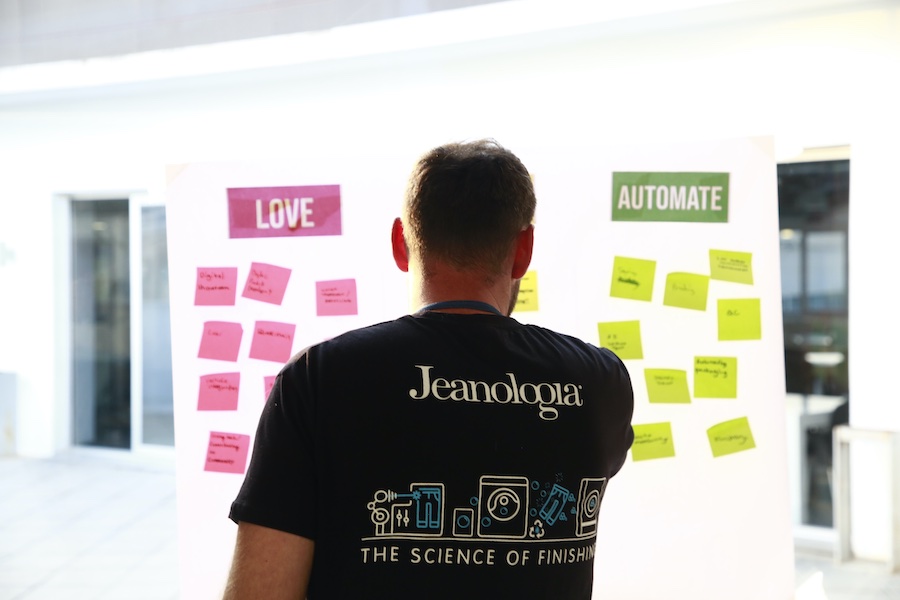
The new AI extracts precise laser designs from a garment image in minutes, transforming how vintage denim is recreated for production. If Jeanologia’s laser changed the way jeans were made at the end of the last century, its AI now takes the next step: moving from reproducing wear to designing it. / archive photo © 2026 Jeanologia

Over 25 years ago, Jeanologia revolutionized the denim industry by introducing laser technology for jean finishing, a solution that replaced manual processes with high impact on both workers’ health and the environment, marking the beginning of a new era in denim production. Today, the Spanish company is once again transforming the sector with the launch of BILLY, the first artificial intelligence developed specifically for the denim industry, capable of extracting precise designs directly from a picture. With this launch, Jeanologia brings AI into one of the most creative and complex phases of denim development: design.

For decades, translating the character of a vintage garment into a laser design ready for production required hours, sometimes even days, of work by highly skilled designers. Achieving an authentic result depended not only on their experience and precision, but often also on manual retouching during production to refine the final look.

With Jeanologia AI, this process changes completely. In just minutes, the system analyzes a garment image and extracts a precise laser design, capturing the natural wear patterns and authentic character of vintage denim. The result is a design perfectly optimized for laser technology, eliminating the need for manual retouching or inefficient traditional processes in production. With BILLY, that process becomes almost instantaneous. By analyzing a garment image, the system extracts a precise laser design that captures the natural wear patterns and character of vintage denim. The result is a design perfectly optimized for laser technology, ready to be executed with accuracy and consistency, without the need for manual retouching or inefficient traditional processes.

“BILLY brings intelligence to the creative process,” explains Enrique Silla, CEO of Jeanologia. “For the first time, designers can transform a garment image into a precise laser design ready for production in just minutes. What previously required a full day of expert work can now be achieved almost instantly.”

More than a new tool, BILLY represents a game changer for denim design, connecting inspiration, digital creation, and industrial execution in a matter of minutes.

© 2026 Jeanologia
© 2026 Jeanologia


From heritage to artificial intelligence

The name BILLY pays tribute to one of the most emblematic garments in the Jeanologia archive: a pair of jeans dating back to World War II. The garment belonged to a young American soldier named Billy who crossed the ocean to fight in Europe. Decades later, Jeanologia acquired the jeans, which became a central piece of the company’s ‘Truth & Light’ exhibition, where the industry first saw how technology could reproduce the authentic wear patterns of vintage garments.

Every repair, fade, or crease on these jeans tells a story, capturing a moment in time and reflecting the authenticity that defines denim culture. Today, that same spirit inspires the development of BILLY AI, transforming that legacy into a digital tool that shapes the future of jean design.

“As a company, we have spent decades studying vintage garments to understand how denim naturally ages,” adds Enrique Silla. “BILLY AI translates that accumulated knowledge into intelligence.”

BILLY has been trained with over 9,000 laser designs, developed by Jeanologia during more than 25 years of experience working with laser technology and creating laser files. That extensive archive allows this new generation of multimodal artificial intelligence to understand the structure, depth, and natural behavior of denim wear patterns, extracting them from any garment image and converting them into accurate laser designs ready for marking.

Combined with Jeanologia’s laser technology, the system ensures that what is designed digitally is reproduced on the garment with precision, consistency, and authenticity.

Empowering designers and accelerating creativity 

Beyond efficiency, BILLY is designed to empower designers. “BILLY does not replace designers; it amplifies their creativity,” explains Enrique Silla. “It removes the most labor-intensive technical work and allows them to focus on what truly matters: creating.” By automating the extraction of complex wear patterns, designers can dedicate more time to creative exploration and concept development rather than technical reconstruction. This new workflow accelerates product development cycles and allows designs to move from inspiration to production more quickly and accurately.

BILLY also responds to one of the strongest fashion trends nowadays, the demand for authentic vintage aesthetics. From luxury houses to premium brands, retailers, and fast fashion, jeans with character and a vintage look remain central to collections. However, reproducing complex wear patterns required extensive manual work, often involving water-intensive, chemical, and labor-intensive processes with high environmental and safety costs.

With BILLY extracting the design and laser technology executing it with precision, brands can now recreate authentic vintage garments with unprecedented accuracy and reproducibility. The process is efficient, precise, and sustainable, eliminating the need for manual retouching while guaranteeing quality, authenticity, and natural-looking results.

Jeanologia pushes the boundaries of denim innovation once again, bringing artificial intelligence directly into the creative process. The company reinforces its commitment to a more digital, creative, and eco-efficient denim industry, where technology preserves the essence of the past while redefining the design of the future.


More News from JEANOLOGIA S.L.

#Industry 4.0 / Digitalization

Jeanologia and BCome connect factory data with Life Cycle Assessment and Digital Product Passports

A new white paper by EIM by Jeanologia and BCome demonstrates how primary environmental data from denim finishing processes can be integrated into a garment's Life Cycle Assessment (LCA) and prepared for use in a Digital Product Passport (DPP). A comparative case study highlights significant improvements at the production stage while also showing how these translate into the environmental performance of the finished garment.

#Industry 4.0 / Digitalization

Jeanologia presents expanded EIM platform and COMMON GROUND collection at Kingpins Amsterdam

Jeanologia is presenting two approaches to textile product development at Kingpins Amsterdam on October 14–15: measuring the environmental impact of textile production and exploring new creative possibilities through garment finishing technologies.

#Industry 4.0 / Digitalization

EIM evolves into a new Environmental Intelligence to measure the impact of textile production

¿Do we really know the environmental impact behind a garment? Answering this question remains one of the textile industry’s major challenges. Garment production involves multiple stages, from yarn and fabric to final finishing, carried out by different players across the supply chain. Accesing reliable data from each process, connecting it and establishing a common language are essential to understanding a product’s true impact.

#Sustainability

Jeanologia Sustainability Report highlights environmental impact of textile technologies

Jeanologia has published its Sustainability Report 2025, reporting a 13.64% reduction in its own carbon footprint and quantifying the environmental impact associated with the use of its technologies across the global textile industry. According to the company’s calculations, their use avoided the pollution of 21.52 million m³ of water and emissions of approximately 103,530 tonnes of CO₂ compared with conventional textile finishing processes.

More News on Denim

#Recycling / Circular Economy

Blue Jeans Go Green celebrates 20 years of denim recycling with more than six million items collected

Cotton Incorporated is celebrating the 20th anniversary of its Blue Jeans Go Green™ denim recycling program. Since its launch in 2006, the initiative has collected more than six million denim items, diverted over 3,000 tons of textile waste from landfills and enabled the production of more than 12 million square feet of denim-based insulation. What began as a college campus collection drive has developed into a nationwide recycling initiative involving consumers, retailers, schools and community organisations across the United States.

#Denim

Inside the Making connects denim and sportswear supply chains at Ecomondo 2026

Six European companies are joining forces at Ecomondo 2026 in Rimini to demonstrate how different stages of denim and sportswear production are interconnected. The new initiative, Inside the Making, highlights the importance of cooperation across the textile supply chain in addressing sustainability challenges, from reducing resource consumption to improving transparency and the reliability of environmental claims.

#Denim

Catalyst Club connects fashion industry leaders and emerging talent at Kingpins Amsterdam

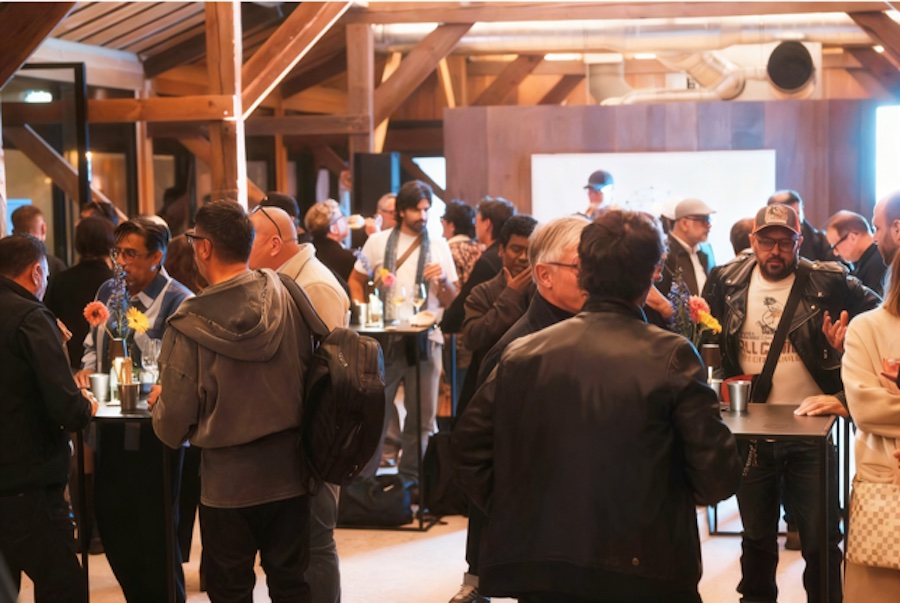
Following its debut in Florence, Catalyst Club hosted its second networking event during the Kingpins Show in Amsterdam, bringing together international fashion and denim industry representatives to exchange ideas, share experiences and explore new opportunities for collaboration.

#Denim

Wrangler introduces debris-repellent sherpa fleece technology Hay Away™

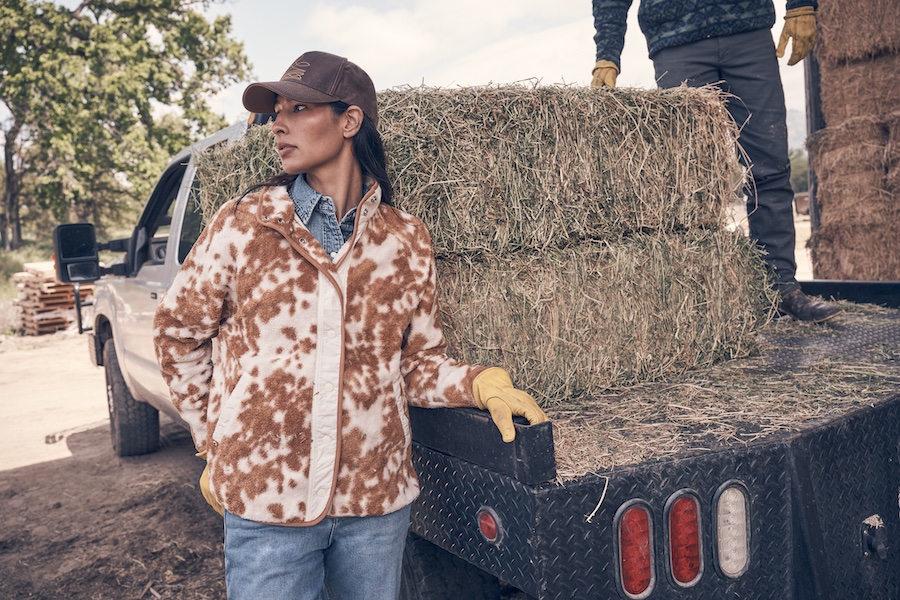
The patent-pending fabric technology prevents hay, straw, mulch and grass from clinging to high-pile fleece. The development received a category award in Fast Company's 2026 Innovation by Design Awards.

Latest News

#Recycling / Circular Economy

Circulose resumes recycling of discarded cotton textiles and appoints interim CEO

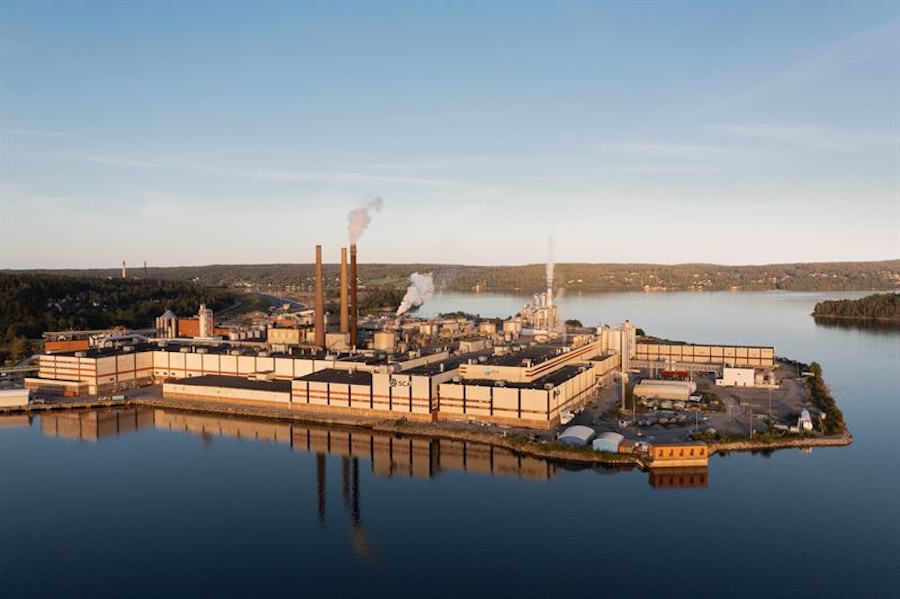
Circulose today announced its restart of commercial-scale production plant at Ortviken in Sundsvall, Sweden, marking a significant step in scaling next-generation materials for the global fashion industry. The Ortviken plant is the world’s first commercial-scale chemical textile recycling facility. Its restart demonstrates that the fashion industry is seeking ways to scale proven solutions that move beyond pilots and into commercial production.

#ITMA Asia + CITME 2026

Itema brings textile versatility to ITMA ASIA + CITME 2026

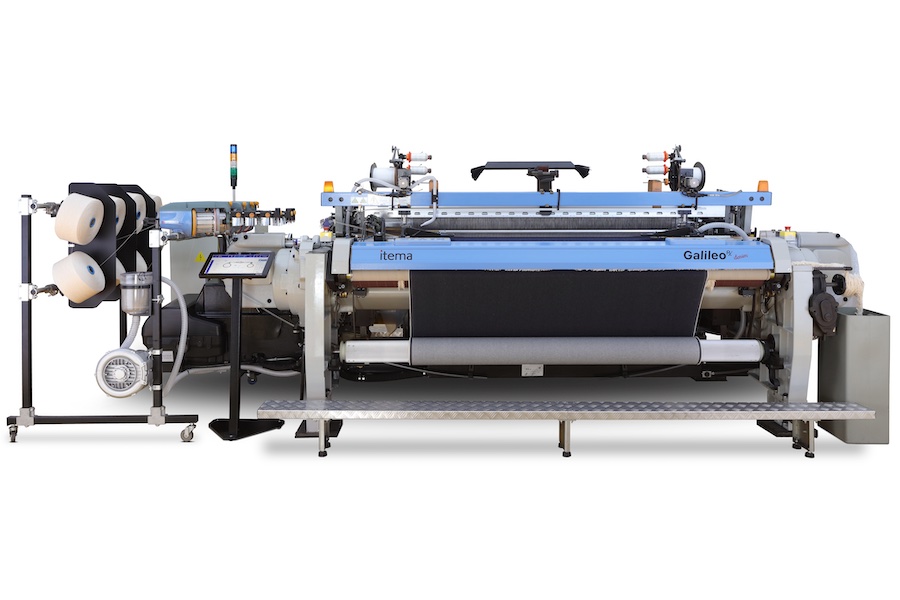
Itema announces its participation in ITMA ASIA + CITME 2026, taking place November 20–24 at the National Exhibition and Convention Center in Shanghai. In Hall 3 – Stand D06, the company will showcase two Galileo-RX rapier weaving machines weaving heavy denim and conveyor belt fabrics, demonstrating its ability to address different textile requirements with application-specific configurations. Five additional Itema machines at partner booths will extend the exhibition lineup to upper shoe fabric, label, Jacquard leno fabrics, and shirting, offering visitors a broader view of Itema rapier and air-jet weaving technologies.

#Dyeing, Drying, Finishing

AEI reaps the benefits of all-electric new Monforts range

The impact of the rising cost of energy on the textile industry has been well documented, with some European countries paying up to seven times more to run their manufacturing operations than in other regions of the world.

#ITMA Asia + CITME 2026

Brückner showcases sustainable technologies for the future of textile finishing at ITMA ASIA 2026

With rising energy costs, increasing environmental requirements, and growing competitive pressure, textile manufacturers worldwide are facing the challenge of making their production processes both more sustainable and more cost-effective. As one of the world's leading specialists in textile finishing machinery, Brückner will present innovative solutions and advanced production technologies at ITMA ASIA 2026 in Shanghai. These technologies can play a key role in significantly reducing both energy consumption and emissions.

TOP