[pageLogInLogOut]

#Nonwovens

VEOCEL™ Lyocell production expands to Asia – Launching a new chapter for nonwovens in the region
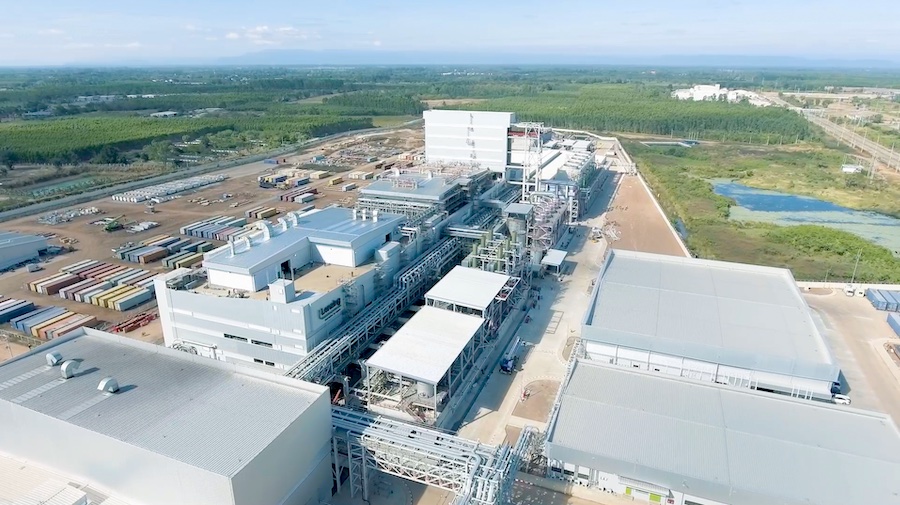
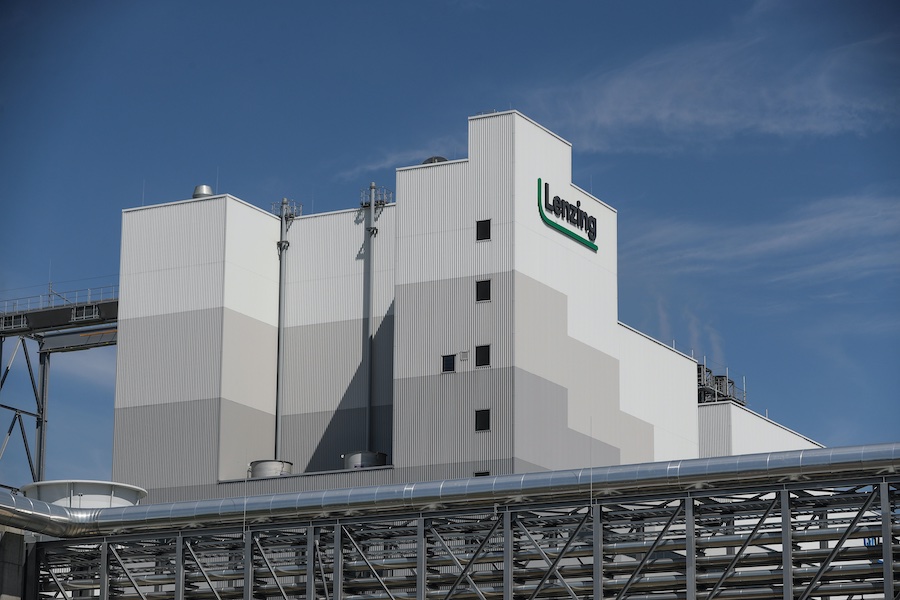
Lenzing’s Thailand production plant starts producing nonwoven-grade lyocell fibers, marking a significant milestone. Built to serve Asia from Asia, the site strengthens regional lyocell fiber supply and reduces the fiber’s transport-related environmental impact due to significantly shorter lead times © 2026 Lenzing
VEOCEL™, Lenzing's flagship specialty nonwovens brand, expands production at its Thai plant in Prachinburi. This is the first-ever production of its nonwoven-grade lyocell fibers in Asia. Built in 2022 with a 100,000-ton annual production capacity, the facility - previously focused on fibers for textile applications - now can directly meet the demand for VEOCEL™’s biodegradable¹, wood-based lyocell fibers for nonwovens products. These fibers are an essential ingredient for high-quality nonwovens products, ranging from baby wipes to facial sheet masks and everyday personal hygiene items.

Serving Asia from Asia

For more than 25 years, Lenzing has led the way in lyocell fiber production, driving sustainability, pioneering innovation, and setting new standards in cellulosic fibers. This expansion brings those fibers closer to nonwovens customers and value-chain partners across Asia, improving access and reinforcing VEOCEL™’s commitment to the region. With production in Thailand, manufacturers and brand partners can now count on greater supply chain stability with significantly shorter lead times.

Localized production also means fewer miles traveled. Sourcing these fibers directly within Asia, rather than from Lenzing’s other lyocell facility in Austria, reduces the need for intercontinental imports. This significantly contributes to reducing transport-related emissions, supporting the environmental commitments of both Lenzing and its partners in Asia.

“This expansion is a landmark achievement for the VEOCEL™ brand and the broader nonwovens industry in Asia,” said Patricia A. Sargeant, Executive Vice President Nonwovens at Lenzing AG speaking at the launch ceremony on 18th March in Prachinburi. “We are now ideally positioned to serve our valued customers with enhanced speed, stability, and sustainability². We deeply value the partnership we have built so far, yet there is more to come. We believe that true progress is only possible when we move forward together. By offering a robust local supply of biodegradable¹, wood-based lyocell fibers, we are empowering our partners in Asia to meet the consumer demand for environmentally responsible wipes and hygiene products, while significantly reducing the carbon footprint associated with global logistics.

 Patricia A. Sargeant © 2026 Lenzing
Patricia A. Sargeant © 2026 Lenzing


Building on a sustainable foundation

The Prachinburi plant itself exemplifies Lenzing’s commitment to responsible fiber manufacturing. Its production of VEOCEL™ Lyocell fibers utilizes a resource-efficient, closed-loop production process that results in low air and water emissions². The facility also drives Lenzing’s broader climate goals, targeting 95 percent biomass energy by 2027 and Scope 1 and 2 carbon neutrality by 2030³.

“Our site in Thailand was built with future growth and our ambitious climate goals in mind,” added Krishna Manda, Global Head of Sustainability for Lenzing Group. “Expanding the facility’s capabilities for VEOCEL™ fibers is a testament to our ongoing investments in sustainable innovation. Once fully commercialized, this capability will play a vital role in transitioning the regional nonwovens industry from fossil-based synthetics to biodegradable, cellulosic alternatives. We look forward to strengthening collaboration as we begin this new chapter together.”

Krishna Manda © 2026 Lenzing


The plant uses optimized processes to guarantee the high performance, skin comfort, and sustainability benefits VEOCEL™ is known for. By aligning local supply with global environmental standards, Lenzing is advancing an eco-conscious supply chain and reinforcing its leadership in environmentally responsible fibers.
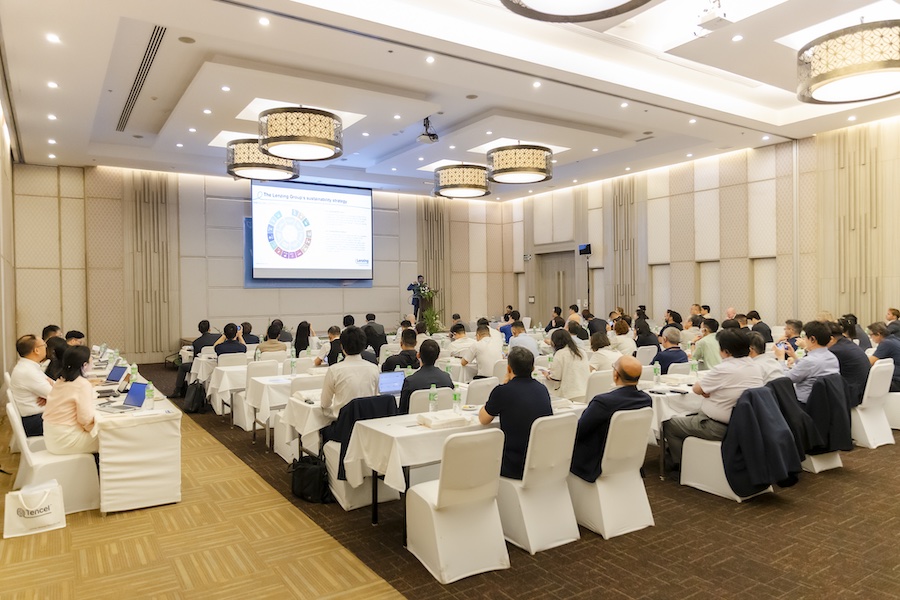
Customer event  © 2026 Lenzing
Customer event © 2026 Lenzing


¹ A range of LENZING™ Lyocell fibers for nonwoven applications are certified by TÜV AUSTRIA to be biodegradable in soil, freshwater and marine conditions and compostable under home and industrial conditions.

² VEOCEL™ Lyocell fibers have gained a commendable reputation for their environmentally responsible, closed loop production process, which transforms wood pulp into cellulosic fibers using a highly resource-efficient process with low ecological impact. Within this solvent-spinning process, the process water is recycled, and the solvent can be recovered up to 99.8 percent and reused. 

³ Please refer to Lenzing Annual and Sustainability Report 2025.


More News from Lenzing

#Nonwovens

Lenzing Group highlights scalable, bio-based nonwovens solutions at leading global industry fairs

From CIDPEX in China to Techtextil in Frankfurt and INDEX in Geneva, the Lenzing Group showcases ready-for-market, bio-based nonwoven solutions and receives industry recognition for LENZING™ Nonwoven Technology.

#Yarn & Fiber

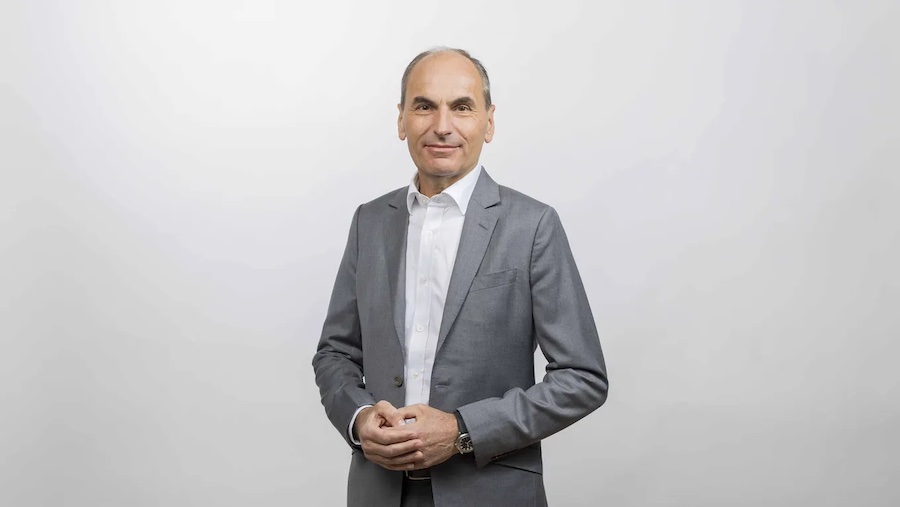
Lenzing AG appoints Georg Kasperkovitz as Chief Executive Officer

The Supervisory Board of Lenzing AG has appointed Georg Kasperkovitz, Member of the Management Board and Chief Operations Officer, as Chief Executive Officer (CEO) of Lenzing AG with effect from June 1, 2026.

#Denim

TENCEL™ Lyocell - HV100 achieves global denim availability in six months; Vol. 2 debuts at Kingpins Amsterdam

When TENCEL™ Lyocell - HV100 debuted at last year’s Kingpins Amsterdam in October, 17 mill partners across five countries presented fabrics featuring the new fiber. Just six months on, participation has more than doubled, evolving into a global network that spans nine countries and four continents, signaling both strong industry momentum and growing demand.

#Techtextil 2026

Lenzing unveils three-tier cellulosic fiber portfolio for next generation protective wear

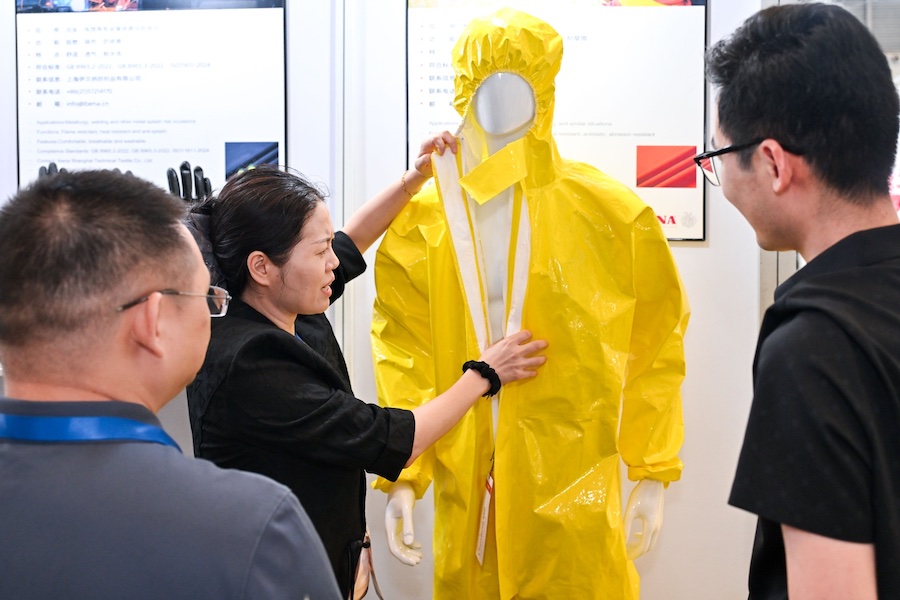
The Lenzing Group, a leading supplier of regenerated cellulosic fibers for the textile and nonwovens industries, today introduces Lenzing Solutions for Protective Wear. This integrated three-tier portfolio is anchored by LENZING™ FR fibers at the highest protection tier for inherent flame resistance and brings together complementary solutions including TENCEL™ Lyocell fibers, both EU Ecolabel-certified² and derived from certified or controlled wood sources³, within a unified protective wear architecture for the first time. The launch marks the most significant expansion of Lenzing’s protective wear business since the company pioneered inherently flame-resistant cellulosic fiber in 1977, and comes as the global personal protective equipment (PPE) market accelerates toward an estimated USD 130 billion by 2033⁴.

More News on Nonwovens

#Nonwovens

Katharina Obergruber appointed to the Management Board of Sandler AG

The Supervisory Board of Sandler AG has appointed Katharina Obergruber to the company’s Management Board. Effective September 1, 2026, the Board will consist of Philipp Ebbinghaus (CEO), Dr. Ulrich Hornfeck (currently CCO, future COO), and Katharina Obergruber (CCO). Katharina Obergruber, currently Chief Sales Officer Hygiene and member of the Management Team of Sandler AG, will assume responsibility for all sales activities as Chief Commercial Officer. She will assume this role from Dr. Ulrich Hornfeck, who will focus primarily on production and supply chain topics.

#Functional Fabrics

Ahlstrom launches breathable ChemoGard BVB fabric to enhance protection and comfort in chemotherapy handling

Ahlstrom, a global leader in fiber-based specialty materials, announces today the launch of ChemoGard BVB, a breathable protective apparel fabric designed for chemotherapy drug handling in clinical, laboratory, and operating room environments.

#Associations

Sustainability: European industry calls on EU to keep Single-Use Plastics Directive unchanged

A broad coalition of European industry associations, including EDANA, Euratex and Plastics Europe, has urged EU institutions to maintain the current legal framework of the Single-Use Plastics Directive (SUPD). In a joint statement, the organisations argue that reopening the Directive at this stage would create legal uncertainty, increase regulatory complexity and undermine investment, while its implementation across the European Union is still incomplete.

#Nonwovens

EDANA announces five new board members following 2026 Annual General Meeting

The EDANA Board of Governors is elected or re-elected at the Annual General Meeting by the member companies. The Governors are senior executives (business leaders) from member companies, based in different countries and representing different sectors of the nonwovens industry. The Board has central responsibility for guiding EDANA's overall strategy and approving its policies and priorities. It meets three times a year.

Latest News

#Research & Development

ALADIN paves the way for circular and demand-driven textile production in Europe

Textile production can be organized sustainably by utilizing short supply chains and preventing overproduction. This can already be achieved today by intelligently connecting and efficiently utilizing existing infrastructure. At the same time, production becomes circular when innovative technologies and materials are used that enable high-quality recycling. The ALADIN research project, launched in May 2026 and co-funded with five million euros under the EU Horizon Europe program, is creating the conditions for this.

#Recycling / Circular Economy

Ence and ShareTex begin initial testing of the ATENEA innovation project to promote textile recycling in Spain

Ence and ShareTex are making progress on the Atenea R&D project, which aims to develop a complete value chain for textile recycling in Spain. Specifically, the goal of the ATENEA project—which is funded by the Center for Technological Development and Innovation (CDTI)—is to connect all the necessary stages for the recovery of textile waste, from collection and management, through recycling and transformation into new raw materials, to their incorporation into new textile products.

#Recycling / Circular Economy

DePoly Inaugurates its Showcase Plant in Monthey Switzerland

What if used plastic bottles, PET packaging material and polyester textiles could become raw materials just as high performing as virgin resources? That is the ambition of DePoly, a circular materials company based in Sion, Switzerland which inaugurated its Showcase Plant in Monthey on July 6th & 7th. The first depolymerization facility of its kind and scale in Switzerland, this industrial Showcase Plant represents a major milestone in the company's growth and its journey toward commercialization.

#Recycling / Circular Economy

Commission clarifies rules on plastic bottles recycling

The European Commission today adopted new rules on recycling of single-use plastic beverage bottles made primarily of polyethylene terephthalate (PET bottles). These rules establish, for the first time, a methodology to calculate, verify and report chemically recycled content. This is part of the Commission’s December 2025 plastics package.

TOP