[pageLogInLogOut]

#Man-Made Fibers

Lenzing commissions 14 MW power‑to‑heat facility, strengthening grid stability and heat management
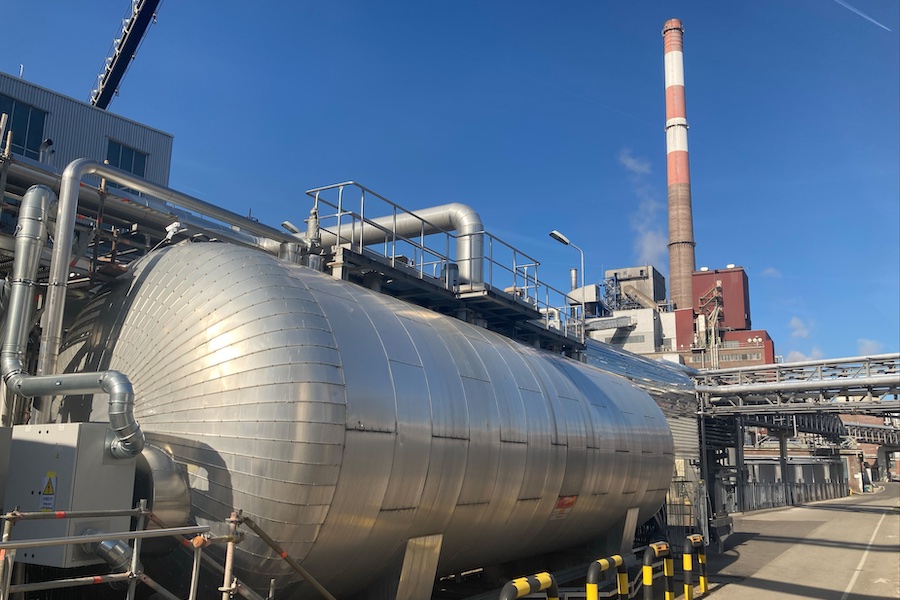
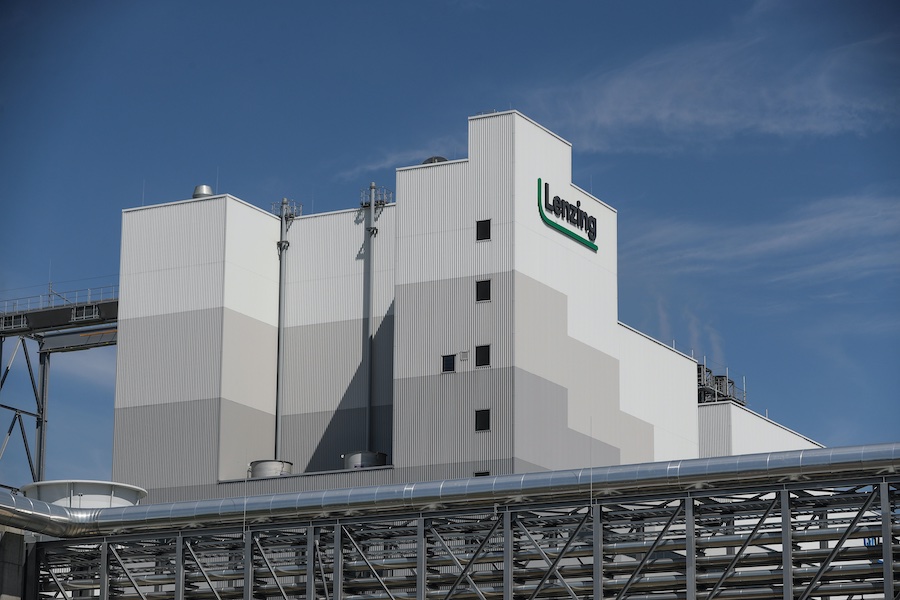
The Lenzing Group has successfully commissioned a new power‑to‑heat (P2H) facility with an electrical capacity of 14 megawatts. The installation converts renewable electricity directly into process heat, is fully integrated into the existing heat network at the industrial site, and represents a key building block for a fossil‑free heat supply. As project partner, VERBUND was responsible for the energy‑market integration and will operate the facility for balancing energy marketing, enabling it to respond flexibly to short‑term fluctuations in the power grid.

The P2H facility ranks among the most powerful of its kind in Austria’s industrial sector and helps stabilize the electricity system by converting surplus renewable energy into usable process heat.

The facility is primarily deployed during periods when wind and solar generation place a heavy load on the grid and electricity prices fall. In such situations, it can ramp up within a very short time, absorb renewable power, and feed it directly into the site’s heat network. This relieves pressure on the Austrian power grid, reduces curtailment of renewable electricity generation, and simultaneously enhances security of supply at the Lenzing site. Its flexible operation allows Lenzing to make economically optimal use of low‑cost renewable energy. At the same time, fuels – including fossil energy sources – can be replaced and CO₂ emissions effectively reduced.

“The new power‑to‑heat facility demonstrates how industrial decarbonization can be implemented in practice – technologically sophisticated, economically viable, and with a clear positive impact on the site,” says Georg Kasperkovitz, member of the Managing Board of the Lenzing Group.

The project was implemented through close cooperation between Lenzing and VERBUND. Lenzing was responsible for the technical design, construction, and full integration of the facility into the site’s energy and heat management system. VERBUND contributed its expertise in infrastructure, energy marketing, and market operations, integrates the facility into Austria’s balancing energy market, and ensures its optimal deployment within the power system. In addition, VERBUND has been implementing renewable energy projects at the Lenzing site for several years, including photovoltaic installations and EV charging infrastructure, thereby supporting a holistic approach to industrial decarbonization.

“Our partnership with Lenzing clearly demonstrates the potential that lies in close collaboration between industry and the energy sector. By integrating the power‑to‑heat facility into the balancing energy market, industrial processes become an active part of a flexible energy system. Solutions like this are essential to making optimal use of renewable energy while sustainably strengthening security of supply,” emphasizes Michael Strugl, Chairman of the Executive Board of VERBUND AG.

With the commissioning of the 14‑MW power‑to‑heat facility, Lenzing unlocks additional potential for climate‑friendly, future‑oriented production. The new installation increases flexibility in energy use, strengthens heat management, enables efficient utilization of renewable energy, and makes a significant contribution to the industrial heat transition and the long‑term implementation of climate‑neutral production pathways.
More News from Lenzing

#Denim

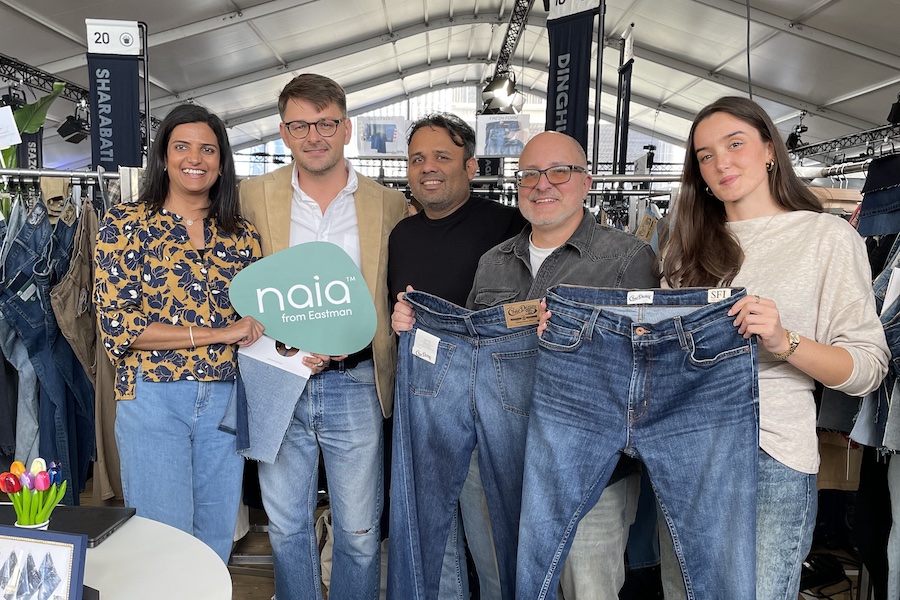
TENCEL™ Lyocell - HV100 achieves global denim availability in six months; Vol. 2 debuts at Kingpins Amsterdam

When TENCEL™ Lyocell - HV100 debuted at last year’s Kingpins Amsterdam in October, 17 mill partners across five countries presented fabrics featuring the new fiber. Just six months on, participation has more than doubled, evolving into a global network that spans nine countries and four continents, signaling both strong industry momentum and growing demand.

#Techtextil 2026

Lenzing unveils three-tier cellulosic fiber portfolio for next generation protective wear

The Lenzing Group, a leading supplier of regenerated cellulosic fibers for the textile and nonwovens industries, today introduces Lenzing Solutions for Protective Wear. This integrated three-tier portfolio is anchored by LENZING™ FR fibers at the highest protection tier for inherent flame resistance and brings together complementary solutions including TENCEL™ Lyocell fibers, both EU Ecolabel-certified² and derived from certified or controlled wood sources³, within a unified protective wear architecture for the first time. The launch marks the most significant expansion of Lenzing’s protective wear business since the company pioneered inherently flame-resistant cellulosic fiber in 1977, and comes as the global personal protective equipment (PPE) market accelerates toward an estimated USD 130 billion by 2033⁴.

#Nonwovens

VEOCEL™ Lyocell production expands to Asia – Launching a new chapter for nonwovens in the region

VEOCEL™, Lenzing's flagship specialty nonwovens brand, expands production at its Thai plant in Prachinburi. This is the first-ever production of its nonwoven-grade lyocell fibers in Asia. Built in 2022 with a 100,000-ton annual production capacity, the facility - previously focused on fibers for textile applications - now can directly meet the demand for VEOCEL™’s biodegradable¹, wood-based lyocell fibers for nonwovens products. These fibers are an essential ingredient for high-quality nonwovens products, ranging from baby wipes to facial sheet masks and everyday personal hygiene items.

#Man-Made Fibers

Lenzing advances its transformation: Higher EBITDA, stronger free cash flow and more than EUR 200 million in cost savings

The business performance of the Lenzing Group in 2025 was affected particularly in the second half of the year by external factors such as international tariff measures, subdued demand and declining market prices. As a result, revenue decreased slightly by 2.3 percent to EUR 2.6 billion, primarily due to lower fiber sales volumes and lower prices for fibers and pulp, which were further negatively impacted by currency developments. Nevertheless, thanks to the comprehensive Performance Program, Lenzing was able to improve its operating performance and key financial indicators compared with the previous year.

More News on Man-Made Fibers

#Raw Materials

ECCO introduces first shoe featuring innovative protein-based fibre

ECCO, in partnership with Spinnova, announces the launch of the limited edition ECCO BIOM® 720, a first-of-its-kind shoe utilising an often overlooked leather by-product, transformed into a protein-based fibre. The fibres are produced using patented technology that advances material innovation while reducing waste and supporting full resource use across the leather and textile industry.

#Man-Made Fibers

The LYCRA Company strengthens sustainability leadership, appoints Alistair Williamson as VP of Product Sustainability

The LYCRA Company has appointed longtime executive Alistair Williamson as vice president of product sustainability, reaffirming its commitment to developing sustainable solutions for apparel and personal care products. In this role, he will guide the company’s next chapter of sustainability strategy and oversee all initiatives aimed at reducing environmental impact across products, operations, and innovation platforms.

#Raw Materials

Kraig Biocraft Laboratories reports major progress converting record-setting spider silk cocoon production into reeled silk

Kraig Biocraft Laboratories, Inc. (OTCQB: KBLB) (“the Company”, “Kraig Labs”, or “Kraig’s”), a world leader in spider silk technology*, today announced significant progress in the processing of its recently produced recombinant spider silk cocoons into reeled silk.

#Spinning

Barmag Huitong Engineering technology makes PA6 direct spinning economically viable

Barmag’s subsidiary Barmag Huitong (Yangzhou) Engineering Co., Ltd. commissioned the first continuous polymerization (CP) plant for polyamide 6 in the Chinese province of Zhejiang.

Latest News

#Sustainability

Number of GOTS-certified facilities grow 15% globally as demand for credible sustainability standards continues to strengthen

Global Organic Textile Standard (GOTS) certification continued to grow in 2025, with nearly 18,000 certified facilities worldwide, despite ongoing geopolitical uncertainty and rapidly evolving regulatory requirements across global textile supply chains.

#Textile processing

trinamiX mobile NIR spectroscopy: New applications for the footwear and textile industry

trinamiX GmbH expands its solution portfolio for the circular economy, now enabling the identification of materials used in the footwear and textile industries. With its mobile near-infrared (NIR) spectroscopy solutions, trinamiX supports manufacturers, sorters, recyclers, and brand owners in reliably identifying materials and improving transparency across increasingly complex value chains.

#Sustainability

bluesign technologies introduces bluepass

bluesign technologies ag (www.bluesign.com) today announces the launch of bluepass, a new certification mark and product labeling system created to deliver clear, substantiated, and verifiable sustainability claims at scale.

#Texprocess 2026

Texprocess 2026: Style3D | ASSYST showcases AI, 3D, 2D and automation and meets strong industry response

Four days, countless discussions and a clear signal from the industry: the future of fashion is digital and AI-driven. At Texprocess 2026, Style3D | ASSYST demonstrated how AI, 3D and automation are already fundamentally transforming processes from design to production.

RETECH expert at drawing your fibers to perfection
TOP