[pageLogInLogOut]

#Research & Development

Regional hemp bast for lightweight construction profiles

Establishment of a regional, bio-based value chain for fibre-reinforced plastics
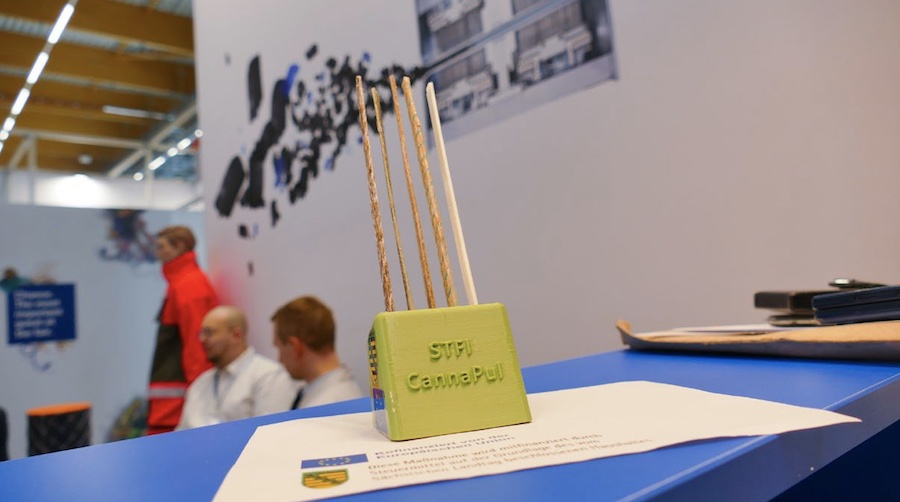
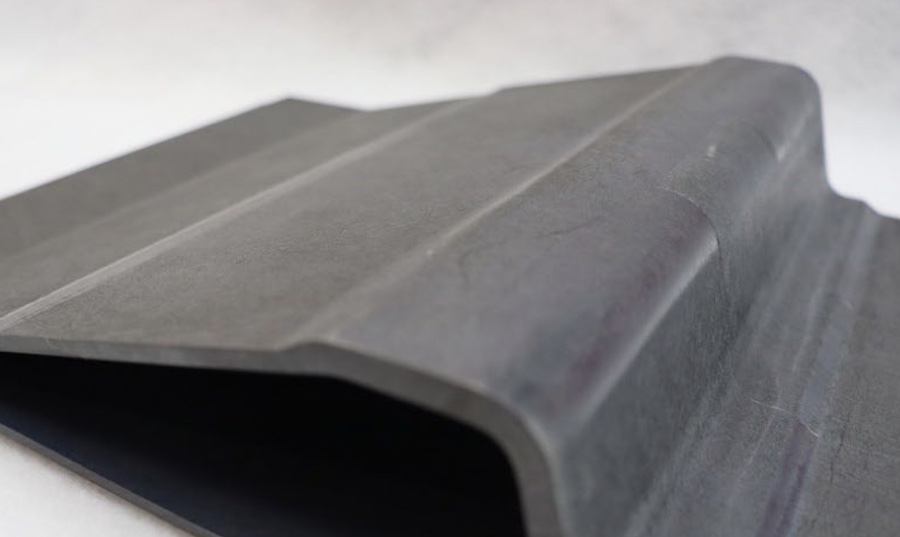
Initial lightweight profiles made from hemp bast have already been successfully realized in pilot trials and were presented in 2026 at AGRA as well as at Techtextil. © 2026 Photo: STFI
The cultivation of fibre hemp for the production of ropes and clothing has a long tradition in Saxony. Due to its excellent fibre properties, it is also suitable as a renewable raw material for reinforcement in fibre composites. At the STFI and IWU in Chemnitz, the CannaPul project is cur- rently investigating how a regional value chain for hemp-based lightweight construction profiles can be established. To this end, the technical processing of hemp fibres into continuous fibre strands and their embedding in a suitable bio-based matrix are being investigated.


The starting point

Fibre-reinforced plastics are materials consisting of reinforcing fibres and a plastic matrix, and have es- tablished themselves as versatile and high-performance materials with high strength and stiffness. ul- trusion is a continuous manufacturing process used to produce high-quality fibre-reinforced profiles. Continuous fibre strands made of glass, carbon or natural fibres, known as rovings, are drawn through a thermosetting resin bath into a heated mould and thermally cured. This produces high-quality profiles with a constant cross-section, high strength and low weight, which are ideally suited to applications re- quiring lightness, corrosion resistance and durability. The aim is to replace the petroleum-based compo- nents with bio-based raw materials in the future.

The development objective

The central challenge in the CannaPul research project is the development and application of bio-based, regionally available materials. The aim is to produce continuous-fibre-reinforced profile structures from hemp bast fibres in combination with a bio-based thermoplastic matrix. A prerequisite for this is, on the one hand, the provision of suitable natural fibre strands from the renewable regional raw material hemp bast. On the other hand, the process requires the application of a thermoplastic biopolymer matrix with low viscosity and correspondingly high flowability, as well as a low melting temperature, to prevent ther- mal damage or burning of the hemp fibres.

The collaboration

The project partners in CannaPul are the Sächsisches Textilforschungsinstitut e. V. Chemnitz (STFI) and the Fraunhofer Institute for Machine Tools and Forming Technology IWU Chemnitz (IWU).

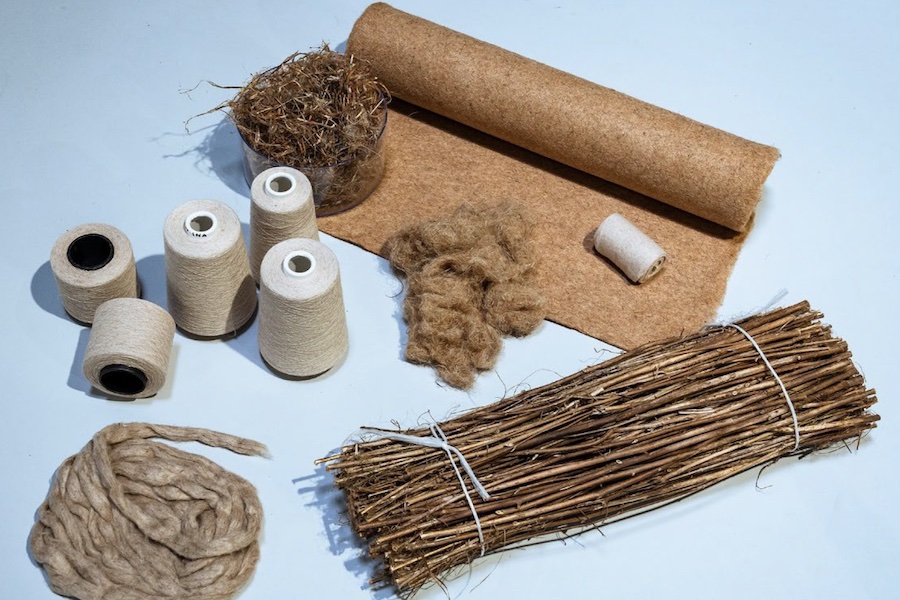
The STFI is investigating the textile processing of high-strength hemp bast strips into continuous fibre strands and, as a result, is providing bio-based reinforcing fibres for the pultrusion process. The peeled hemp bast strips are separated by a fibrillation process and deposited evenly as a ribbon. The ribbon is stabilised against tensile stress through a coating process and made available as yarn.

The IWU is addressing the numerous challenges involved in the pultrusion process. The aim here is to match the viscosity of the melt and the processing temperature of the thermoplastic to the biogenic fibre material.

The process

In pultrusion, the thermoplastic melt is produced from granules. The challenge lies in the complete im- pregnation of the fibres and ensuring an even fibre distribution. At the same time, a fibre volume fraction of at least 50% must be achieved to ensure high mechanical properties, in particular a high specific (weight-based) tensile strength.

At a pull-off speed of up to 1000 mm/min, a cross-sectional area of 20 mm2 must be reliably and com- pletely impregnated with the thermoplastic melt during pultrusion.

Heike Metschies, project manager at STFI, notes: “Initial results are already available in the form of rectangular profiles with hemp reinforcement and a thermoplastic matrix. We were able to present these at AGRA 26 in Leipzig to, among others, the Saxon Minister of State for the Environment and Agriculture, Georg-Ludwig von Breitenbuch, and to a large specialist audience at Techtextil in Frankfurt am Main. “

Outlook

As the CannaPul project progresses, the substitution of the currently petroleum-based thermoplastic matrix with a biogenic thermoplastic matrix will be investigated, the profile cross-section will be in- creased, and further efforts will be made to improve the quality of the hemp fibre roving.

Acknowledgements

The project is co-financed by tax revenue from the European Union and the Free State of Saxony under the Regional Development Programme (ERDF) and the Just Transition Fund (JTF) for the funding period 2021 to 2027.
More News from Sächsisches Textilforschungsinstitut e.V. (STFI)

#INDEX 2026

STFI highlights textile circular economy and alternative fibres at INDEX™ 2026

From 19 to 22 May 2026, INDEX will invite visitors to Lake Geneva for the world's leading nonwovens trade fair. The Centre of Excellence in Nonwovens at the Sächsisches Textilforschung- sinstitut e.V. (STFI) will be in attendance to present the latest developments in nonwovens research. In the field of the textile circular economy, the STFI will present acoustically effective nonwovens made from chemical recycling residues. The range also includes innovations aimed at replacing conventional raw materials, such as the biobased and biodegradable polymer polybutylene succinate (PBS) and Kendyr as an alternative to cotton.

#Techtextil 2026

STFI presents concepts for the textile circular economy and solutions for a healthy and safe life at Techtextil

Sächsisches Textilforschungsinstitut e.V. (STFI) has been supporting companies in developing marketable innovations for over 30 years. With a clear focus on sustainability, the environment, health and protection, the STFI offers future-oriented research, textile testing for tailor-made solutions and certification of per- sonal protective equipment. At Techtextil 2026, the institute will present ideas for the textile circular econ- omy and showcase solutions for healthy and safe living.

#Composites

STFI at JEC

The Sächsisches Textilforschungsinstitut e.V. (STFI) will present composites for aviation made from recycled carbon fibres and natural fibres, as well as printed lightweight elements for surface heating in electric vehicles at JEC World in Paris.

#Research & Development

The region of renewable raw materials: Central German Alliance for Bioplastics

The development of sustainable plastic solutions is rapidly gaining importance in light of global environ- mental pollution, dwindling fossil resources and ambitious climate protection targets. As part of the re- gional alliance RUBIO, which brings together 18 partners from central Germany and the Berlin-Branden- burg area, the bio-based and biodegradable plastic polybutylene succinate (PBS) was comprehensively investigated, starting with the raw material, through the manufacturing process, to industrial application.

More News on Research & Development

#Research & Development

TCLF: Resilient value chains in times of crises

The textiles, clothing, leather and footwear (TCLF) industry was at the centre of the webinar “Resilient value chains in times of crises”, which took place on 28 April 2026. Global supply chains continue to face increasing pressure, raw material dependencies are growing and economic uncertainties are affecting the entire sector.

#Research & Development

Textile climate control system in workwear – exhibition at the 2026 SME Innovation Day!

Conventional protective workwear often reaches its limits during strenuous physical activity. In particular, the transport of sweat and excess body heat poses a problem. The German Institutes of Textile and Fiber Research (DITF) conducted research on flow-optimized, air-conducting textile structures that enable targeted climate control directly on the body. These structures can be integrated straight into protective work garments. The textile climate control system supports the body’s natural thermoregulation. This contributes to improved workplace safety and comfort.

#Research & Development

Elastic yarns to become more recyclable and environmentally friendly in future

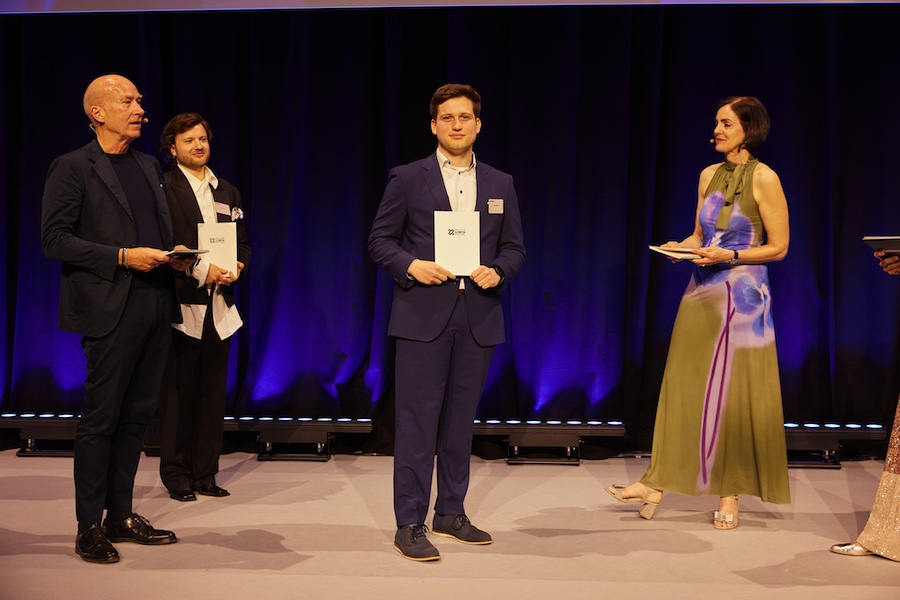
On 29 April 2026, ITA student Tobias Dickmeiß was awarded a sponsorship prize by the Wilhelm Lorch-Stiftung for his innovative approach, to replacing conventional elastane with elastic yarns made from thermoplastic copolyester elastomers (TPC). Thanks to their thermoplastic nature and compatibility with typical polyesters used in the textile industry, elastic TPC yarns offer improved recyclability. Furthermore, the use of the melt-spinning process in yarn production eliminates the need for solvents that are harmful to the environment and human health.

#Research & Development

Walter Reiners Foundation Prize awarded to three ITA graduates

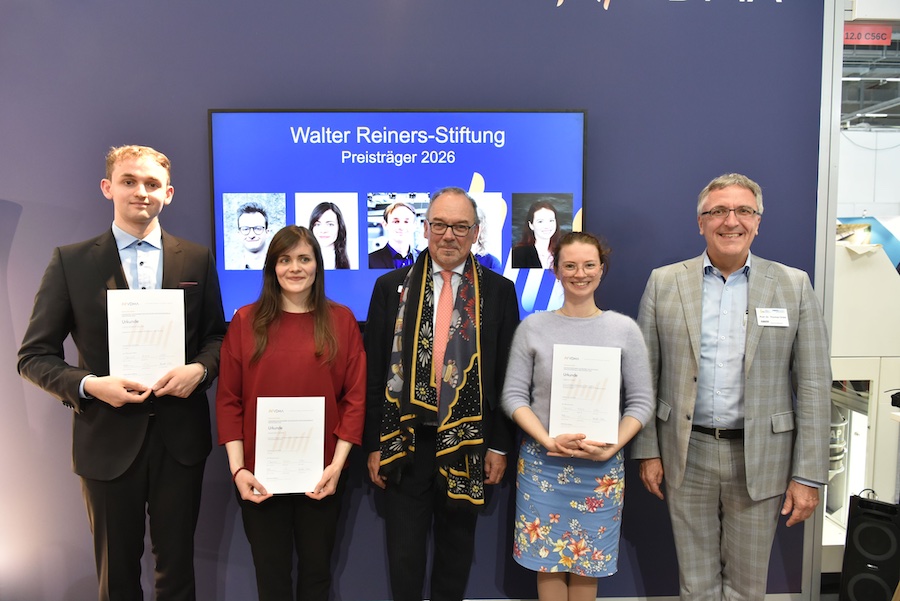
Sabina Dann, Lukas Balon and Annegret Storm from the Institut für Textiltechnik (ITA) of RWTH Aachen University were awarded the Walter Reiners Foundation Prize by the German Engineering Federation (VDMA) for their master’s and bachelor’s theses. Peter Dornier, Chairman of the Walter Reiners Foundation, presented the awards during Techtextil at the VDMA stand in Frankfurt am Main, Germany.

Latest News

#Home Textiles

Intertextile Shanghai Home Textiles unveils Trends 2027 alongside new lifestyle zone and product expansion

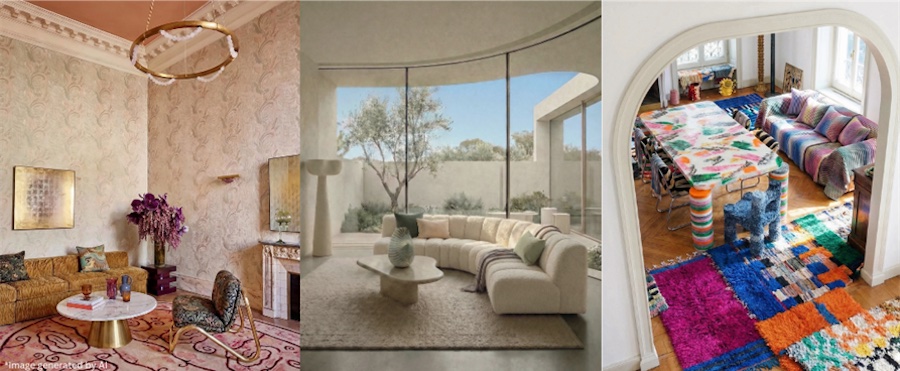
Intertextile Shanghai Home Textiles – Autumn Edition 2026 will spotlight forward-looking design directions and evolving consumer demand, as the global home and lifestyle market continues to adapt to sustainability priorities, emotional well-being, and diversified living spaces. Taking place from 18 – 20 August 2026 at the National Exhibition and Convention Center (Shanghai), the fair will present its latest trend theme, ‘BREATHE UP!’, developed in collaboration with leading international trend forecaster NellyRodi™ Agency, alongside expanded product categories, and the debut of the Home Textiles Lifestyle Zone.

#ITM 2026

Groz-Beckert brings new knitting, weaving and nonwovens technologies to ITM 2026

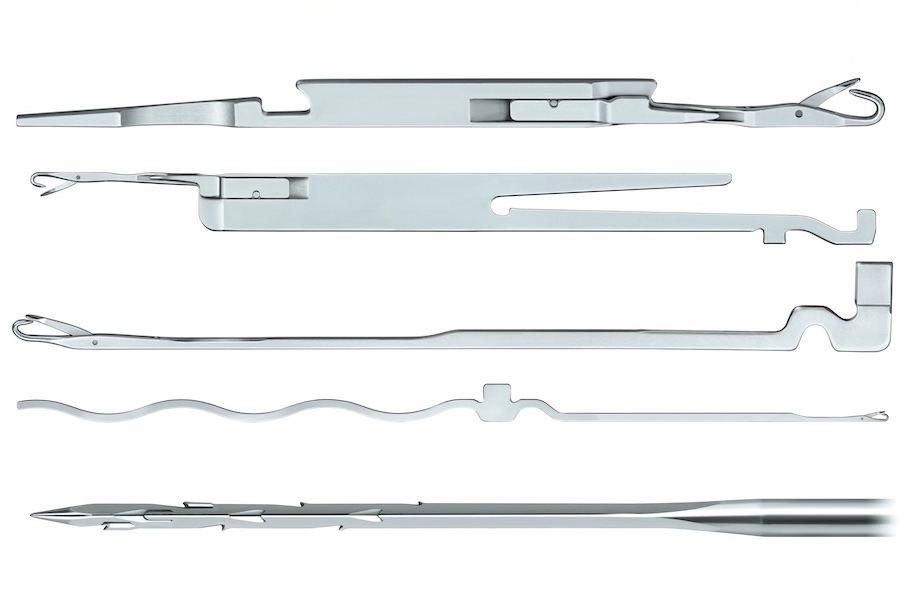
From June 9 to 13, 2026, Groz-Beckert will present its latest innovations and solutions across the product areas of Knitting, Weaving and Nonwovens at ITM in Istanbul (Hall 3, Booth 304B).

#ITM 2026

Itema to showcase weaving excellence at ITM 2026

From June 9 to 13, Itema will exhibit at ITM 2026 in Istanbul (Hall 8 – Stand 806D), unveiling a distinctive exhibition concept designed to highlight the Company’s expertise across the entire weaving value chain. For this year’s edition, Itema will introduce an innovative stand experience built around two core areas: advanced weaving and spare parts solutions and an immersive textile gallery featuring fabrics produced by Itema Customers worldwide.

#Textiles & Apparel / Garment

Global size study for brands and retailers to optimize fit and market coverage

Hohenstein Apparel Fit Solutions, a global leader in apparel fit, sizing, and product development, today announces the launch of its Global Size Study, a new initiative designed to equip brands to better understand and serve their target consumers through more accurate, market-relevant sizing.

TOP