#Raw Materials
International Women’s Day: Cotton made in Africa strengthens equality for women through targeted investments
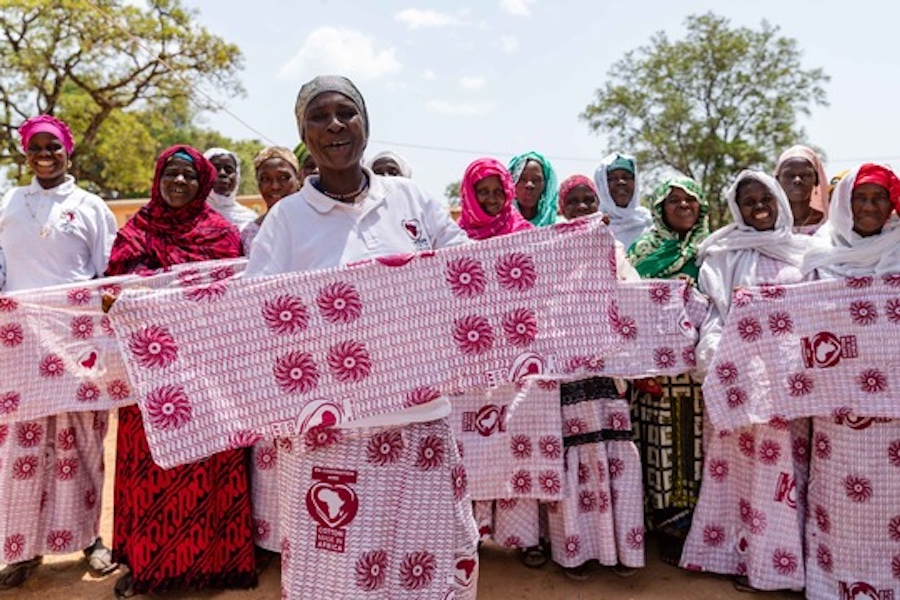
The UN Food and Agriculture Organization (FAO) estimates that development programmes focussed on empowering women in rural areas could increase the incomes of 58 million more people and build up the resilience of 235 million people. Women’s structural disadvantage is a major cause of social and economic injustice and of missed opportunities for development worldwide. This manifests itself in unequal wages, limited access to resources, and the under-representation of women in decision-making processes.
The Hamburg-based Aid by Trade Foundation has made it a cornerstone of its work to provide women and girls with support in rectifying these disadvantages. For instance, criteria for equality between women and men are firmly anchored in its Cotton made in Africa Standard; these include equal access to training, resources, and decision-making processes. In addition, targeted projects for cotton farmers at Cotton made in Africa create long-term opportunities and ensure independence for women. Conducted together with partners through the CmiA Community Cooperation Programme (CCCP), these projects extend beyond cotton cultivation. In one example, smaller start-ups launched by women’s groups receive targeted funding as well as tailored business training in order to tap into sources of income that complement cotton cultivation. In another example, village communities learn about important topics, including women’s health, through innovative methods such as creative plays; this approach creates awareness and breaks taboos. Over 100 women’s clubs and other women-specific projects have already been funded through the CmiA Community Cooperation Programme.
“Commitment to fundamentally improving women’s economic and social position is part of Cotton made in Africa’s mission statement,” says Alexandra Perschau, the head of Standards & Outreach at the Aid by Trade Foundation, adding, “Securing the future of cotton cultivation requires equal income, equal access to resources and means of production, the creation of supplementary sources of income specifically for women, and women’s active participation in CmiA initiatives and training. This is the only way to achieve resilient agriculture.”