[pageLogInLogOut]

#Raw Materials

Regenerative Cotton Standard®: Impressive results following first harvest in India
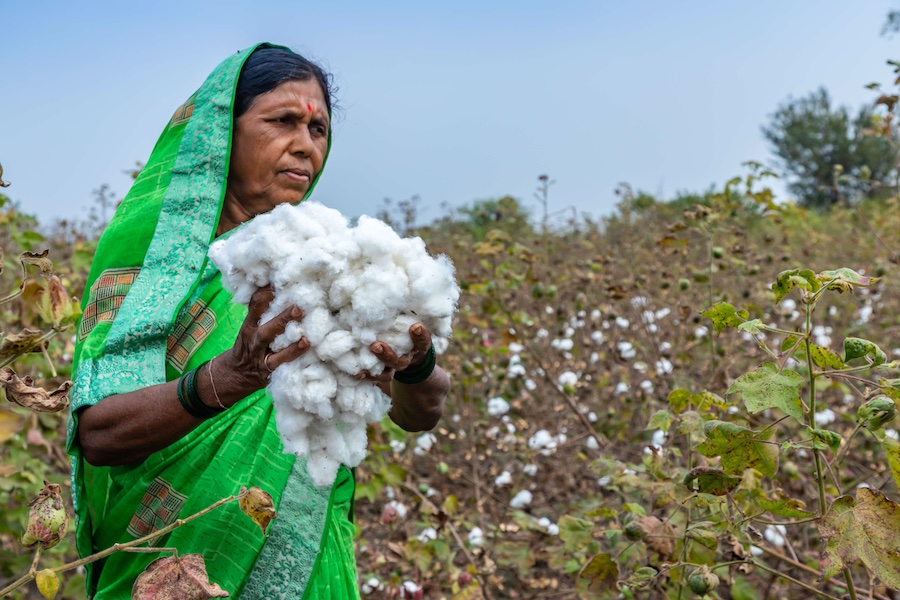
With higher crop yields, lower costs and an increased awareness of regenerative agriculture, the Regenerative Cotton Standard® (RCS) is delivering promising results after only one harvest in the Indian state of Maharashtra. The findings from the initial RCS verification and an analysis of the measures implemented within the RCS framework in India demonstrate the standard’s effectiveness and feasibility. They also underline its transformational potential for building up the resilience and sustainability of the cotton industry.
Female farmer with RCS Cotton, © 2025 Credit Masban Pereira for AbTF


Around 5,000 farmers in over 70 villages in the Indian state of Maharashtra began cultivating cotton in accordance with the RCS standard last season. They have now reaped the fruits of their labour, harvesting about 4,400 tonnes of ginned RCS cotton. Farmers report an increase in yield of 2 percent compared with the previous harvest; in combination with a simultaneous cost reduction of 7 percent, this has led to higher net incomes for the farmers. The environment benefits, too. The use of biochar helps to regenerate depleted soils. Demonstration fields where biochar was tested, achieved a yield 15 percent higher than that of conventional cotton cultivation. At a more individual level, 90 percent of participants consider the new training methodology effective. Coming after the first harvest, the farmers’ positive feedback on RCS’s training methods and innovative approaches underscores the success the standard is having in India.

To ensure the successful implementation of the project and to directly involve the local population in the process, a wide range of measures were taken, including the involvement of local leaders, close co-operation with lead farmers, and the establishment of farmers’ groups to ensure direct communication with the farming communities. Through a variety of approaches—including targeted support for women, the creation of demonstration fields, and workshops and training materials for the introduction of regenerative cultivation methods—cotton farmers were convinced to give the standard a chance and to try out its production methods, such as cover crop cultivation, crop rotation, and methods for soil conservation and for organic nutrient management. Numerous farmers attended training sessions and Farmer Field Day events to experience, at first hand, the efficiency of the Regenerative Cotton Standard® and its measures. The practicality and efficiency of RCS were tested on site by AbTF together with its partner, Vijay Cotton & Fibre CO. LLP, and over 40 agricultural consultants.

“With its holistic approach and its focus on farmers’ experiences, the standard proves to be a winning proposition for everyone involved,” states Tina Stridde, the managing director of AbTF, adding, “The pilot project in India has impressively demonstrated its potential to be a real help for farmers in regenerating their depleted soils, increasing their incomes, and finding a future in cotton cultivation despite the growing threat posed by climate change.”

For the textile supply chain, the transparent integration of RCS-verified cotton into the textile chain by means of AbTF’s tracking system is also a key factor in meeting social and political demands for textile traceability from the field to the finished product. “The standard therefore offers tangible advantages not only for farmers but also for purchasers of RCS cotton,” concludes Stridde.

The pilot project in India started in July 2024 and will be continuing. In addition to India, the Regenerative Cotton Standard®—which was introduced by the Aid by Trade Foundation in late 2023—is also being implemented in Tanzania. This East African country has successfully completed its first RCS cotton cycle and is now entering its second season.


More News from Aid by Trade Foundation (AbTF)

#Natural Fibers

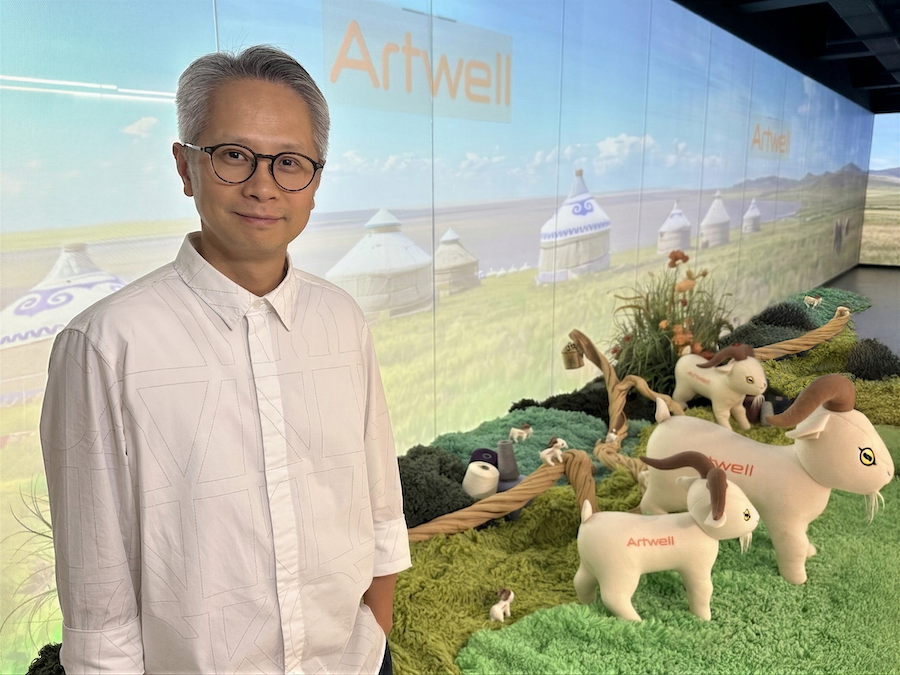
Aid by Trade Foundation publishes 2024 annual report: Growing impact for environment and people

The Aid by Trade Foundation (AbTF) is on a growth track. Despite a challenging global economy, AbTF increased its income by six percent from 2023 to 2024, reaching a total of EUR 8.6 million. This revenue has been invested in comprehensive measures for the sustainable production of cotton and cashmere as well as for expanded measures to ensure transparency in global value chains. In addition to gaining new partners in 2024—including big names like Mango, Nordstrom, and CWS Workwear—AbTF was able to expand its global stakeholder network active in the production of raw materials or textiles.

#Raw Materials

Aid by Trade Foundation receives Honorary Award of the German Africa Foundation 2025

On the evening of 25 June, the Hamburg-based Aid by Trade Foundation (AbTF) received the Honorary Award of the German Africa Foundation 2025. Prof. Dr Michael Otto, the foundation’s founder and a prominent entrepreneur, accepted the award at a ceremony held at the German Bundestag. The Parliamentary State Secretary to the Federal Minister for Economic Cooperation and Development (BMZ), Dr Bärbel Kofler, presented the award in the presence of guests from politics, business and civil society as well as representatives of African embassies.

#Sustainability

Aid by Trade Foundation turns 20, invests half a million Euros in new biodiversity fund

To effectively promote nature conservation and biodiversity, the Aid by Trade Foundation (AbTF) announced at the second Hamburg Sustainability Conference (HSC) that it would be investing 500,000 euros in the ‘AbTF Biodiversity Fund’ to mark the foundation's 20th anniversary. Since it was established in 2005 by the entrepreneur Prof. Dr Michael Otto, AbTF has been committed to transforming the textile and fashion industries.

#Raw Materials

Laly Lichtenfeld joins AbTF Board of Trustees

The Aid by Trade Foundation is pleased to welcome Laly Lichtenfeld, an internationally renowned leader in community-driven nature conservation, to its board of trustees. After years of researching community-driven conservation, including as a Fulbright Scholar in 1996, she co-founded African People & Wildlife in 2005 with the aim of promoting peaceful coexistence between rural communities and wildlife such as lions and elephants.

More News on Raw Materials

#Natural Fibers

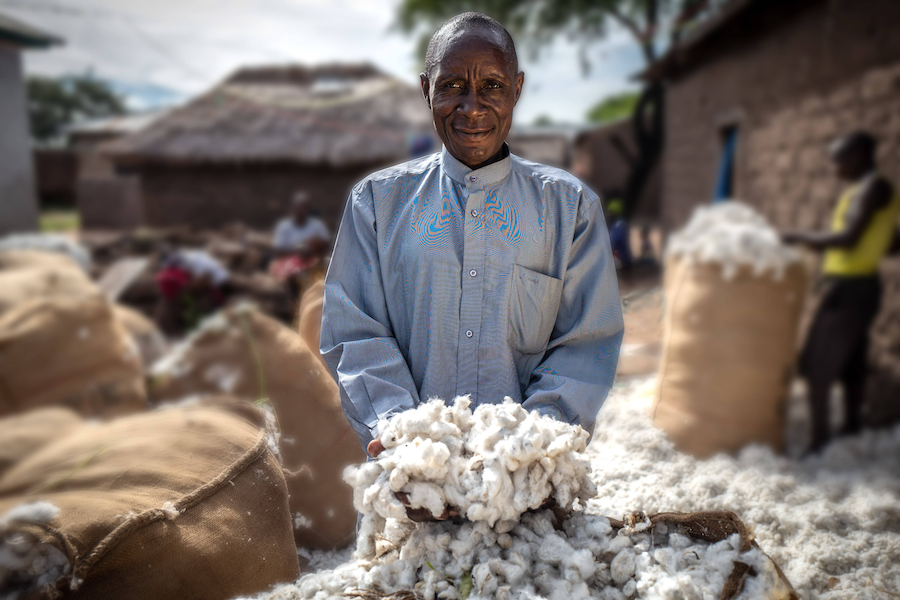
Human Rights Day: Cotton made in Africa reinforces its commitment to ensuring respect for human rights in cotton production

The sustainable cotton standard Cotton made in Africa (CmiA) has always focussed on respect for human rights, including by prohibiting child labour and discrimination. With the new version of the CmiA standard coming into force, AbTF raises requirements for due diligence in the areas of human rights and risk management.

#Research & Development

How innovations drive BASF’s success

“Innovation has always been part of BASF’s DNA. Especially in these volatile times, it is crucial to leverage our innovative strength to develop competitive solutions that differentiate us as a company in our markets and give us a competitive edge,” said Dr. Stephan Kothrade, Member of the Board of Executive Directors of BASF and Chief Technology Officer, at the company’s Research Press Briefing held today. To achieve this, BASF implemented its “Winning Ways” strategy about a year ago with the clear goal of becoming the preferred chemical company to enable its customers’ green transformation.

#Natural Fibers

38th International Cotton Conference Bremen launches registration and unveils key topics

Participants can now register online for the 38th International Cotton Conference Bremen, which will be held on 25-27 March 2026 at the Haus der Bürgerschaft parliament building on market square. All visitors can look forward to a high-calibre conference programme, numerous additional meetings and a valuable exchange of knowledge and information. The comprehensive range of topics covering the entire value chain will provide practical expertise, address current developments, answer key industry questions, and provide new impetus for the future.

#Natural Fibers

ICAC to collaborate with Uzbekistan and Bizpando on regenerative agriculture

The Government of Uzbekistan has allocated 55,000 hectares of land to implement a regenerative agriculture program for cotton as part of a collaborative project with the International Cotton Advisory Committee (ICAC) and Bizpando, a company with a a blockchain-based internet platform designed to ensure supply chain compliance.

Latest News

#Spinning

First PA66 spinning plant with EvoQuench successfully commissioned

With the successful commissioning of a multi-digit PA66 spinning line for microfiber yarns, Chinese textile company Shandong Nanshan Fashion Technology Co., Ltd. has added yarn production to its textile value chain.

#Knitting & Hosiery

SHIMA SEIKI returns to ShanghaiTex

Leading flat knitting solutions provider SHIMA SEIKI MFG., LTD. of Wakayama, Japan, together with its Hong Kong and Chinese market subsidiary SHIMA SEIKI (HONG KONG) LTD., will exhibit at the ShanghaiTex 2025 exhibition (Booth No.: Hall N3, Booth A20) held in Shanghai, China this month. This marks the return of SHIMA SEIKI to ShanghaiTex after a 14-year hiatus, its last exhibit at the show having been in 2011.

#Research & Development

Fraunhofer CCPE presents the “Monomaterial Design Set” – Innovative solutions for circular product design

Composite materials made from different types of plastic often extend the lifetime of products but make recycling more difficult in the circular economy. That is why Fraunhofer CCPE has developed the “Monomaterial Design Set”. This new approach helps to reduce the variety of plastics used in durable products and offers circular solutions for designers and product developers.

#Man-Made Fibers

arena introduces renewable LYCRA® EcoMade fiber in its latest swimwear collection

Italian swimwear specialist arena has unveiled a new collection that brings sustainability and performance even closer together. Launched on December 4, the line features swimsuits made from recycled nylon and renewable LYCRA® EcoMade fiber — the first time the bio-based spandex has been used commercially in swimwear.

TOP