#Raw Materials
Higher-Further-Faster: Textile processes on the fast track
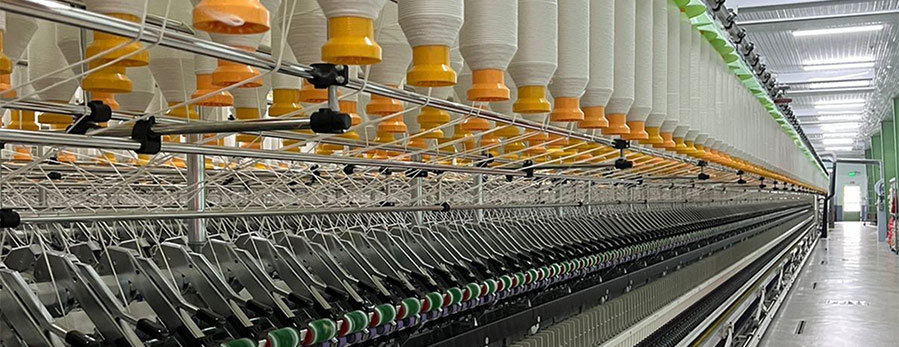
Cotton testing methods, fiber quality, and the impact on spinning process productivity have been at the heart of the International Cotton Conference since 1965. Experts in textile processing discuss from different perspectives. We take a deep look into textile processes with a focus on greater efficiency and speed.
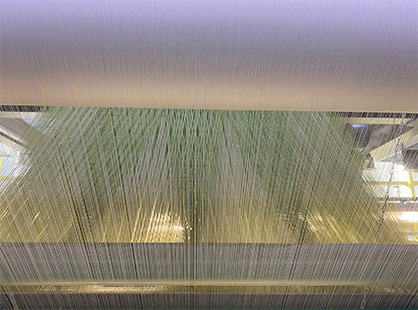
On Friday, 30th September, two sessions at the Cotton Conference will address some problem areas within textile processes and at the same time offer ideas for suitable solutions. Examples include:
Precleaning of Cotton
For Ralf Müller from the German textile machine manufacturer Trützschler, a higher cleaning performance, growing production demands and flexibility of the processing of raw materials are key topics of the spinning preparation of cotton. The removal of coarse contaminations is of particular importance here. For this purpose, Trützschler has developed a new generation of a precleaning aggregate that due to doubled production capacity leads to a reduction of energy consumption and to a significant increase of cleaning efficiency compared with the forerunners. With this, Trützschler wants to make the preliminary stage of the blow room more productive, especially because the processes could be regulated by an electronic waste control system. After all, according to Trützschler, intelligent cleaning can spare the wastage of up to 150 bales of cotton per year if it causes a maximum utilisation of raw material and a minimal loss of good fibres.
Targeted Raw Material Management Pays off
Oswald Baldischwieler from Swiss company Uster explains in his speech that in order to reach a consistent quality of cotton products like yarns and fabrics it is necessary to carry out an intensive examination of the cotton fibres in the early stages of production. Uster is a world leader in textile examination and quality control.
For Uster, targeted raw material management is important for the success of a spinning mill because it absorbs the main part of costs for the spinning mill. In most countries, the raw material cotton accounts for more than 60 percent of total yarn production costs. An optimal blending of fibres at the moment of opening the bale is prerequisite for a consistent and long-lasting yarn quality. It is crucial to keep yarn quality variations at a minimum and the quality as constant as possible in the long term. Bail management pays off.
Spinning Waste Cotton
Rieter AG, Harald Schwippl: The recycling of raw materials has been an increasing trend for several years to achieve more sustainability. In addition to the recycling of chemically or mechanically dissolved raw materials, the recycling of spinning waste is also a possibility to meet the increasing demand for raw material recycling.
For this purpose, carding or blowroom waste is processed. The study shows which adjustments are necessary in the spinning process for recycling. It also shows which spinning units and qualities are possible as a result. The raw material was used to produce a rotor yarn.
Shortening Production Processes
Yonathan Sissay from the Ethiopian Textile Industry Development Institute, Addis Ababa, will report on the results of his research. It is about reducing lead times in production processes of clothing from the fabric warehouse and manufacturing to packaging and delivery. In the study, necessary and unnecessary working steps were analysed based on a cause analysis and new process flow charts for economically efficient work were defined following the Pareto principle.
Effect of Cotton Short Fiber Content on Drafting Force and its Variability in the Drafting Zone
These results are relevant for the machine setup. Within his research project, the Pakistani researcher Quaim Siddiqui found that the drafting force is the intuitive factor initiated by the dynamic frictional forces between slow moving and fast moving fibers in the drafting zone. According to Siddiqui, the fibre length is one of the most important factors influencing the drafting force and its variability. Using data from the online-draftometer, the scientific study analyses the interaction between the dynamic drafting force and its variability with respect to the short fiber content of carded cotton sliver.
In Advance:
Spinning and Textile Seminar: Expert meeting at the beginning of the cotton conference
On 28th September, that is on the eve of the conference, an exchange among experts will take place under the headline “Quality Requirements along the Textile Value-Added Chain”. All textile raw materials will be included here, we are thus going beyond cotton. The Bremen Fibre Institute e. V. (FIBRE), the Bremen Cotton Exchange, the Industrial Association Finishing – Yarns – Fabrics and Technical Textiles (IVGT) and the International Textiles Manufacturers Federation (ITMF) are inviting to this together.
Conference Venue
The conference venue this year is not the historic town hall, but the Chamber of Commerce in Bremen in the immediate vicinity of the Cotton Exchange. The Chamber of Commerce has been representing the interests of trade in Bremen since 1451 and is in close contact with the Bremen Cotton Exchange.
Other highlights of the anniversary week
This year´s International Cotton Conference is taking place in the anniversary year of the Bremen Cotton Exchange. The organisation was founded in 1872 and is celebrating its 150th birthday this year.
The International Cotton Conference is therefore embedded in an entire anniversary week. On the evening of September 29th, following the first day of the conference, the Bremen Cotton Exchange and the Faserinstitut Bremen invite you to the popular and well-known Bremen Cotton Night. This event is dedicated to the 150th anniversary of the Bremen Cotton Exchange and will be held at the Bremen Übersee-Museum for good reason. At the same time, the doors will open to an exhibition well worth seeing on the cultural history of cotton. The participants of the conference will be able to celebrate in the big atrium of the museum and get a tour of the exhibition in the meantime. Enjoying good music and good food, it will at last be able once again to spin personal networks and at the same time to pass in review the multi-faceted world of cotton with a beautiful and well-conceived exhibition.
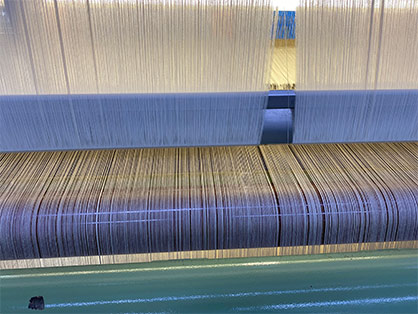
Registration is underway
The starting gun for the registration has been fired: you can register at https://cotton-conference-bremen.de/ from now on. You will also find regularly updated information there.
We will continually inform about the International Cotton Conference on 29 and 30 September and about the complete programme in the run-up in the form of further press releases as well as target-group-specific newsletters and also via our social media channels.