[pageLogInLogOut]

#Raw Materials

38th Bremen Cotton Conference

Beyond the wardrobe – innovative cotton takes the spotlight
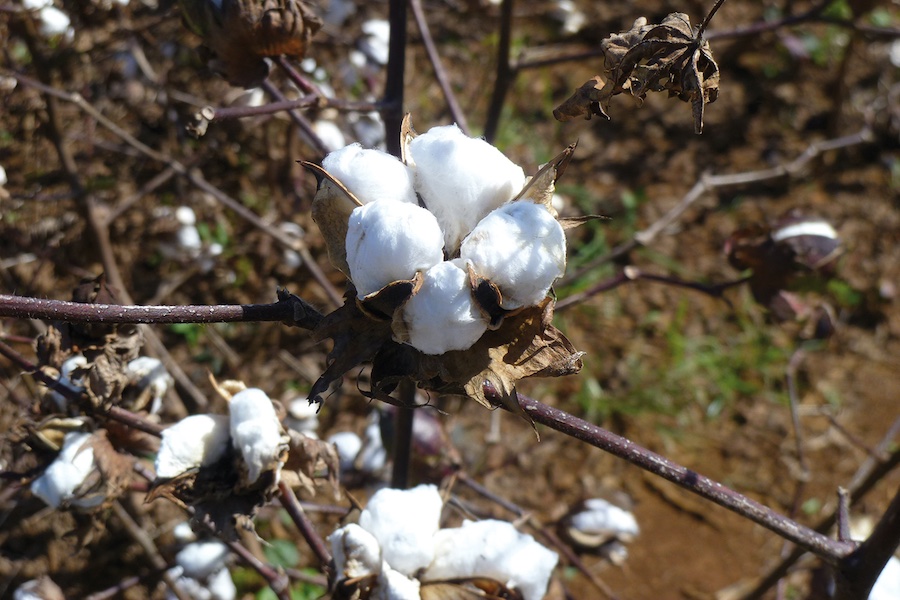
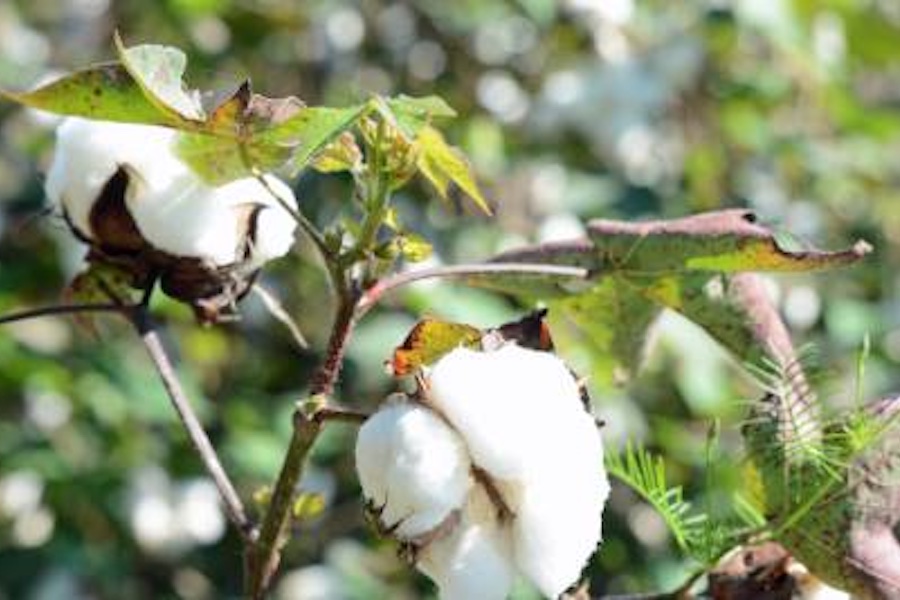
Cotton plant in Brasil © 2026 Bremen Cotton Exchange
Cotton can do more – a lot more. Cutting-edge textiles and high-tech products made from 100% cotton prove just how powerfully performance and sustainability can come together. That very surge of innovation is front and centre at the 38th Bremen Cotton Conference, taking place March 25–27, 2026, at Bremen’s Parliament on the historic market square – culminating in a bold and dedicated closing session on Friday. In the spotlight: performance upgrades for pure cotton, smart strategies for circular textile waste solutions, and pioneering concepts for demanding technical applications. From natural fibre–reinforced composites to highly effective flame-retardant solutions, cotton steps out of the closet and shows the future potential woven into every fibre.

Cotton is so much more than just a T-shirt. As a renewable resource, it’s biodegradable, free from microplastics, naturally breathable, and delivers comfort you can actually feel. But this fibre has long since broken free from the fashion rack. Cotton is evolving into a versatile high-tech material.Thanks to advanced finishing technologies, functional coatings, innovative hybrid yarns, and bio-based material blends, its range of applications is expanding fast – far beyond traditional textiles. For companies, that means real opportunity: replacing fossil-based resources with sustainable alternatives, staying ahead of regulatory demands, and unlocking new high-performance markets. Cotton is transforming from a natural product into a true engine of innovation.

Cotton textile waste as a resource

Future-ready innovation means thinking across the entire product lifecycle. Production scraps, offcuts, and post-consumer textiles are not just a growing waste problem — they are also a valuable and largely untapped resource. In his presentation, Dr. Matthew Farrell of Cotton Incorporated (USA) demonstrates how cotton textile waste can be converted into glucose. Since these materials consist primarily of cellulose — aside from dyes and finishes — they can be broken down into their sugar building blocks through hydrolysis.* The resulting glucose serves as a bio-based platform feedstock for a wide range of value-added products. Drawing on two processes developed in recent years, Farrell illustrates how used cotton textiles can be integrated into viable circular economy concepts.

* Note: During hydrolysis, cellulose chains are broken down into glucose using water — often supported by acids or enzymes.

Natural fibre systems and flame retardancy

At the same time, the market for natural fibre-reinforced composites is expanding rapidly, as industry and research increasingly turn to renewable, lightweight, and resource-efficient materials. Natural fibres generally offer a lower carbon footprint than glass or carbon fibre reinforcements and are especially attractive for applications driven by clear sustainability targets. However, fire performance presents specific challenges. As plant-based fibres are inherently combustible, natural fibre composites often exhibit less favourable fire behaviour than their glass- or carbon-fibre-reinforced counterparts. Meanwhile, regulatory and safety requirements are becoming more stringent: beyond flammability itself, parameters such as heat release rate, smoke development, and smoke toxicity are moving into sharper focus.

At the Bremen conference, Dr. Thomas Mayer-Gall from the German Institutes of Textile and Fibre Research North-West (DTNW), Krefeld, will present newly developed, halogen-free flame-retardant systems from DTNW research designed for these demanding applications.

More performance from 100% cotton

Complementing the circularity perspective, Seth Winner of Cotton Incorporated turns the spotlight on enhancing the performance of textiles made from pure cotton. The goal: to elevate 100% cotton fabrics with targeted functional upgrades — improving breathability, thermal insulation, and stretch, among other properties.

He will present innovative approaches that enable the precise functionalization of cotton textiles, using both new and established technologies to unlock the full performance potential of pure cotton.

Innovation meets circularity

Against the backdrop of rising demands for resource efficiency, circular economy solutions, and product safety, the closing session of the Bremen Cotton Conference sends a strong message. It delivers fresh, hands-on impulses for manufacturers, finishers, and developers — and showcases the remarkable innovative power of cotton.

Cotton is no longer just a traditional apparel fibre. It is evolving into a high-performance raw material platform for technical and sustainable applications — with strategic relevance for the textile and materials industries of tomorrow.



More News from Bremer Baumwollbörse

#Raw Materials

Fiber traceability - A vehicle to ensure sustainability or injustice?

The Bremen Cotton Exchange is making a new paper available for download. In this paper, analyst Veronica Bates Kassatly and statistician Terry Townsend examine the justifications behind this approach and assess the consequences for textile and apparel sustainability claims and global legislation.

#Raw Materials

A Powerful Opening: Global thought leaders launch the International Cotton Conference Bremen

The International Cotton Conference Bremen will open on 25 March 2026 in the Parliament building of the Free Hanseatic City of Bremen with a keynote session of exceptional calibre. Distinguished international experts will set the stage for the conference by offering incisive perspectives on the most pressing challenges and the defining trends shaping the future of the global cotton trade. Their insights will span a broad spectrum — from geopolitically driven disruptions affecting global supply chains to the opportunities emerging from innovation-led agriculture capable of supporting a growing world population. Together, these opening keynotes will frame the dialogue of the conference, highlighting both the complexity of today’s market environment and the pathways toward a resilient and forward-looking cotton sector.

#Natural Fibers

Beyond Cotton: Natural Fibres in the Spotlight at the Bremen Cotton Conference - Branded by DNFI

Climate targets, fragile supply chains, and rising regulatory requirements are fundamentally changing the perspective of the textile industry - the focus is increasingly shifting toward the base material. Not only cotton, but natural fibres are gaining significant importance: they stand out not only because of their outstanding functional properties, but also because they make a valuable contribution to the bioeconomy and responsible product development.

#Raw Materials

Modern testing methods for raw cotton

The 38th International Cotton Conference Bremen will take place from 25 to 27 March 2026 at the Bremen Parliament. This conference has traditionally stood for in-depth expertise and international exchange. The program will focus on technical innovations, market trends, and regulatory frameworks across the entire value chain – from agriculture to the circular economy. With high-profile speakers, the conference is regarded as the key meeting point for the global cotton industry. Today’s focus: Cotton quality and testing methods.

More News on Raw Materials

#Raw Materials

CSITC adds ABRAPA as a round trial sample provider

Beginning with the Q2 2026 Round Trials, the ICAC's Committee on the Commercial Standardization of Instrument Testing of Cotton has expanded its sample provision framework by adding the Brazilian Cotton Growers Association (ABRAPA) as an official sample provider.

#Raw Materials

Dr N Vigneshwaran is named 2026 ICAC Researcher of the Year

The International Cotton Advisory Committee (ICAC) is pleased to announce the selection of Dr N Vigneshwaran, Principal Scientist and Head of the Chemical and Biochemical Processing Division at the ICAR–Central Institute for Research on Cotton Technology (ICAR-CIRCOT), Mumbai, India, as the ICAC Researcher of the Year 2026.

#Raw Materials

Global Cotton area and production are projected to decline in the 2026/27 Season

The June 2026 issue of Cotton This Month projects a modest contraction in global cotton area, production, and trade during the 2026/27 season, reflecting weaker demand sentiment, rising production costs, and shifting environmental factors across major producing nations.

#Raw Materials

New U.S. cotton study uses real-world grower data to reveal where fiber impacts occur

Cotton Incorporated has released a critically reviewed life cycle assessment (LCA) of U.S. cotton fiber production that examines how cotton’s environmental impacts are measured and where meaningful improvements can be made across the value chain. The new data, grounded in real‑world grower inputs, measures what drives U.S. cotton’s environmental footprint from field to gin.

Latest News

#Associations

Keeping products moving with Swedish automation at FILTECH 2026

At FILTECH 2026, taking place in Cologne from June 30th to July 2nd, members of TMAS – the Swedish textile machinery association – will highlight how the country’s engineering expertise is enabling filtration manufacturers to increase productivity, improve traceability and reduce dependence on labour-intensive manual processes.

#ITM 2026

Global Mmeeting of textile technologies, ITM 2026, attracts great interest

ITM 2026, one of the world's most prestigious organizations in the field of textile technologies, opened its doors with the participation of over 1,000 companies and company representatives from 59 countries, as well as thousands of professional visitors from nearly 100 country. Attracting thousands of international visitors on its first day, ITM 2026 once again demonstrated its status as a global meeting point for the textile industry with its advanced technologies on display, newly established business connections, and record-breaking international participation.

#Recycling / Circular Economy

Countdown to Textiles Recycling Expo 2026: Brussels prepares for Europe’s textile recycling gathering

With only two weeks remaining until the start of the second edition of the Textiles Recycling Expo 2026, preparations are entering the final phase. The exhibition and conference, dedicated exclusively to textile recycling and circularity, will take place on 24–25 June 2026 at Brussels Expo and is expected to attract stakeholders from across the textile recycling value chain.

#Recycled Fibers

Indorama Ventures enables brands to scale circular textiles through proven, traceable supply chains

Indorama Ventures, a global leader in recycled polyester staple fibers and filament yarns, will exhibit at Textiles Recycling Expo in Brussels on June 24–25. At the event, the company will show how brands and textile manufacturers can build traceable, circular textile supply chains by working with proven partners who deliver recycled materials on an industrial scale.

TOP