[pageLogInLogOut]

#Natural Fibers

Better Cotton Initiative marks World Cotton Day with launch of innovative product label
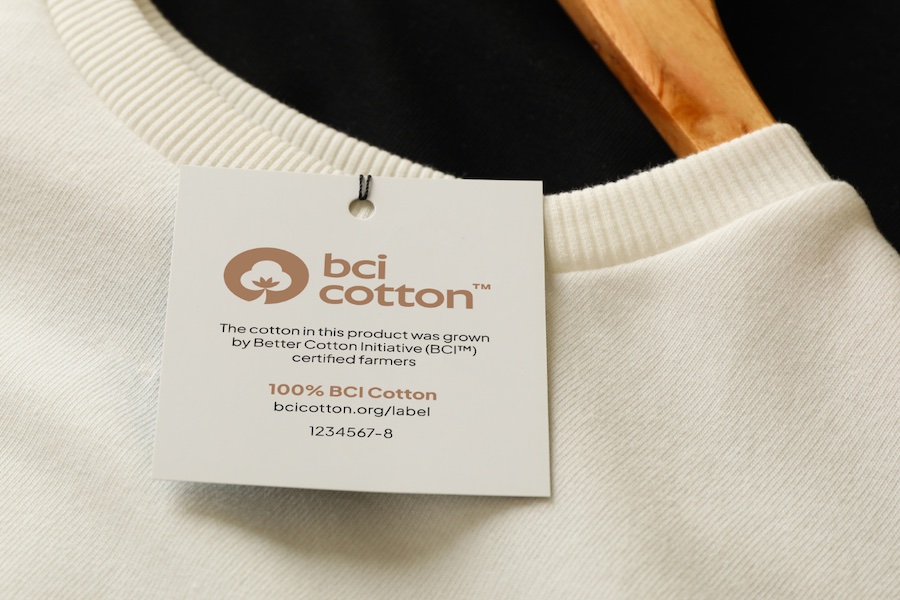
The Better Cotton Initiative (BCI) has launched an innovative product label for the fashion and textile sectors which allows retailer and brand members to provide consumers with greater clarity about the origin and percentage of BCI Cotton in their products.
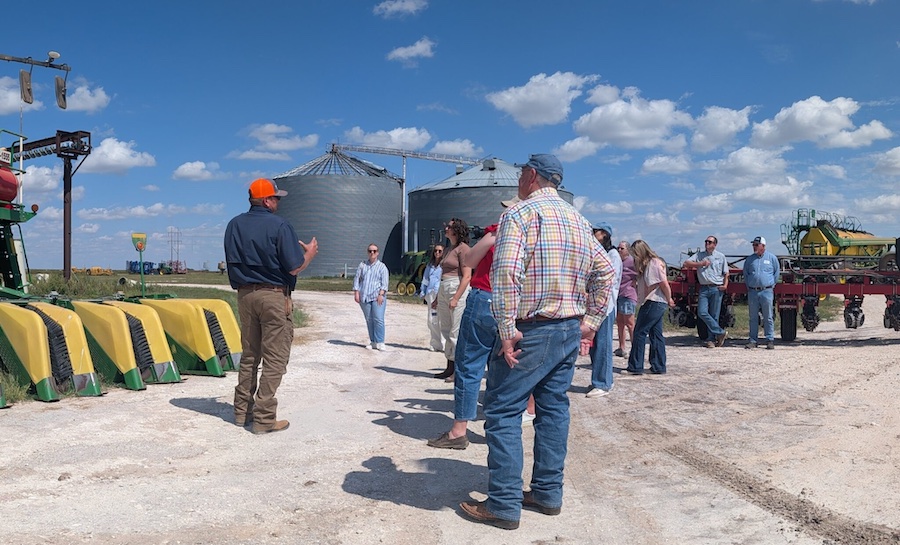
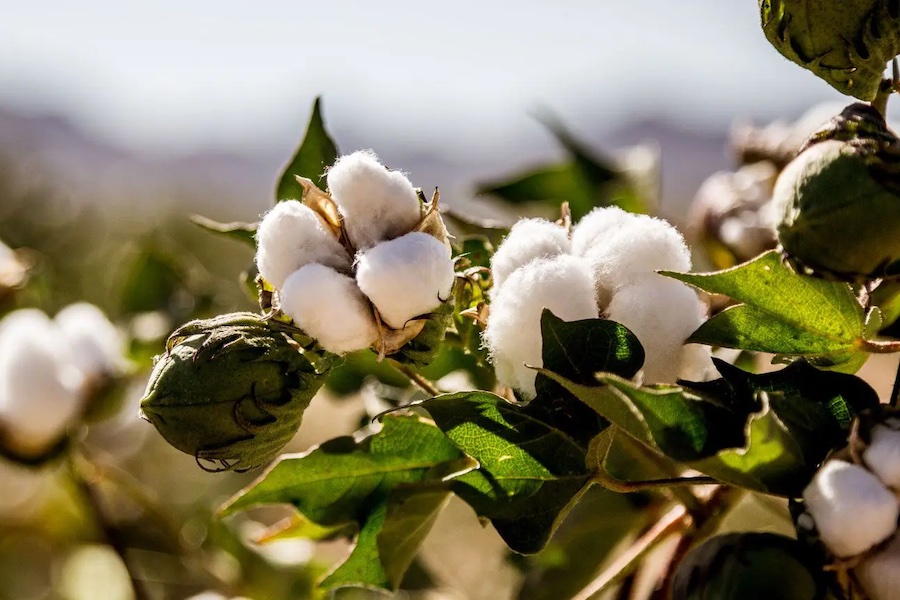
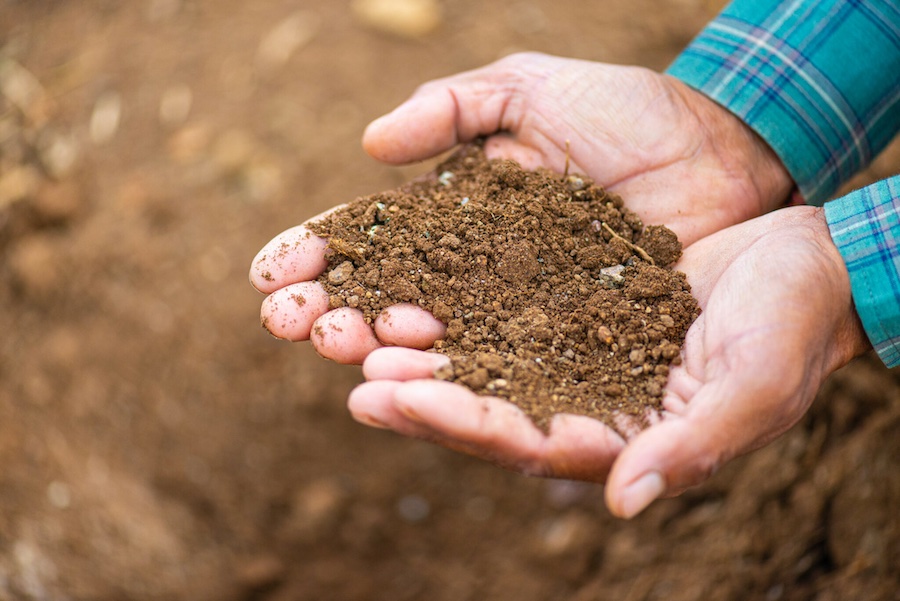
© 2025 BCI
© 2025 BCI


The new label, launched on this year’s World Cotton Day, will enable retailers and brands to claim with confidence that their products contain physical BCI Cotton, certified by a third-party body, that has been traced from its country of origin. The label is expected to gradually arrive in stores in the coming months. 

Nick Weatherill, CEO at the Better Cotton Initiative, said: “In a time of increasing scrutiny around sustainability claims, global trade pressures, and shifting Environmental, Social, and Governance (ESG) priorities, transparency and accountability are more critical than ever. 

“As we celebrate World Cotton Day, our new label reaffirms our commitment to both, as part of our mission to drive measurable impact and continuous improvement in sustainability across the cotton sector.” 

Alongside the launch of the new label, the organisation has announced that as part of a refreshed brand identity, it will call itself the Better Cotton Initiative (BCI), a move that provides more clarity to both its institutional identify and the cotton it sources, now to be called BCI Cotton. The new label and brand come as the Better Cotton Initiative publishes its 2024/2025 Annual Report, highlighting the impact of its programmes over more than 15 years in driving environmental, social, and economic improvements in cotton farming. This impact includes: 

+++ Improving incomes for more than 650,000 licensed farmers;

+++ Reducing synthetic nitrogen use per kilogram of cotton produced across 2.15 million hectares of land, supporting 700,000 farmers;

+++ Championing women in cotton by training more than 575,000 female farmers or workers as part of capacity strengthening activities;

+++ Reducing the volume of synthetic pesticide applied per hectare for more than 788,000 licensed farmers. 81% of our licensed farmers do not use Highly Hazardous Pesticide (HHP).

Nick Weatherill added: “These results represent real change in cotton farming communities around the world. Both our new label and annual report are more than updates, they are evidence of our steadfast determination to catalyse and scale sustainable practices in cotton production. We are proud of our progress but also recognise there is much more to do. Time is of the essence, and with our multistakeholder membership and network of field-level partners, I’m confident we will rise to the challenge.”
More News from Better Cotton

#Natural Fibers

Better Cotton Initiative partners with Uzbek government agency to offset certification costs

The Better Cotton Initiative (BCI) has today announced a strategic agreement with Uzbekistan’s Light Industry Agency to increase financial support for cotton farming clusters adopting sustainable agricultural practices.

#Natural Fibers

Better Cotton Initiative surpasses 50% traceable BCI Cotton milestone

Two years since the launch of its traceability solution, the Better Cotton Initiative (BCI) has announced that over 50% of BCI Cotton volumes entering global fashion and textile supply chains are now traceable, deriving from 15 countries.

#Natural Fibers

BCI warns against ‘dangerous dilution’ of EU corporate directives

The approval of the European Commission’s Omnibus I proposal by the European Parliament’s Committee on Legal Affairs, accepting controversial changes to key sustainability directives is of great concern. These changes, namely to the Corporate Sustainability Reporting Directive (CSRD) and the Corporate Sustainability Due Diligence Directive (CSDDD), threaten to significantly dilute business reporting and due diligence obligations.

#Natural Fibers

Better Cotton partners with Planboo to reduce emissions using cotton crop waste

Better Cotton, the world’s largest cotton sustainability initiative, has teamed up with climate technology startup Planboo to help cotton farmers reduce greenhouse gas (GHG) emissions – and earn carbon credits for it.

More News on Natural Fibers

#Natural Fibers

Dr. Jane Dever inducted into the 2025 Cotton Research and Promotion Hall of Fame

Dr. Jane K. Dever, a recognized leader in cotton breeding and fiber quality research, was inducted into the 2025 Cotton Research and Promotion Hall of Fame during the joint Cotton Incorporated/Cotton Board Annual Meeting held on December 9 in New Orleans, LA.

#Natural Fibers

Cashmere producers stress the importance of The Good Cashmere Standard®

At the invitation of the Aid by Trade Foundation (AbTF), over 70 experts from the cashmere production and supply chain, as well as other specialists, met at the GCS Unit Meeting in Shanghai, China to discuss the progress and new objectives of The Good Cashmere Standard (GCS). The meeting focused on implementation and verification of the standard, important aspects of animal welfare and the importance of the standard in the global textile market.

#Natural Fibers

38th International Cotton Conference Bremen: Let´s Talk about Cotton!

The 38th International Cotton Conference Bremen, to be held on 25-27 March 2026 in Bremen’s parliament building on market square, once again sends a powerful signal for professional excellence and international dialogue. The focus is on the latest market trends and technical innovations throughout the entire value chain – from agriculture and quality assurance to processing and the circular economy. With its high-calibre speakers, the conference remains an indispensable forum for anyone involved in shaping the cotton industry scientifically, technically, or economically.

#Natural Fibers

Human Rights Day: Cotton made in Africa reinforces its commitment to ensuring respect for human rights in cotton production

The sustainable cotton standard Cotton made in Africa (CmiA) has always focussed on respect for human rights, including by prohibiting child labour and discrimination. With the new version of the CmiA standard coming into force, AbTF raises requirements for due diligence in the areas of human rights and risk management.

Latest News

#Research & Development

Innovation center for textile circular economy inaugurated

Just over eight months after the foundation stone was laid, the new Innovation Center for Textile Circular Economy was officially inaugurated today at TITK Rudolstadt. Thuringia's Minister President Mario Voigt, TITK Director Benjamin Redlingshöfer, and other guests of honor cut the ribbon to the modern building complex and viewed the premises, which are now ready for occupancy. The “DICE – Demonstration and Innovation Center for Textile Circular Economy” is TITK's largest single investment to date. The Free State of Thuringia supported the total cost of €11.5 million with €8 million in GRW and FTI funding.

#Research & Development

Sustainable design of Geosynthetics and roof underlayments made from recyclates

Is it possible to recover plastic recyclates from previously unused waste streams in order to produce high-quality fibers and films? How can bio-based polymer fibers be manufactured so as to allow adjustable biodegradability? These are the questions being addressed by researchers from the Fraunhofer Cluster of Excellence Circular Plastics Economy CCPE in the Zirk-Tex project.

#Associations

Waste2Fashion: FTTH Committed to advancing Circular Fashion in the Mediterranean

As an official partner of the Waste2Fashion project, the Tunisian Federation of Textile and Apparel (FTTH) participated in the Kick-off Meeting held on 10–11 December in Spain. The event brought together project partners from across the Mediterranean, including Spain, Italy, Egypt, Lebanon, and Tunisia, to align on a shared vision and initiate the first implementation steps.

#Associations

AATCC announces 2025 Herman & Myrtle Goldstein Graduate Student Paper Competition winners

The American Association of Textile Chemists and Colorists (AATCC) recognized the winners of the 2025 Herman & Myrtle Goldstein Graduate Student Paper Competition. Founded in 1982 to give student members the chance to conduct and present original research, the competition was renamed in 1994 in honor of Herman and Myrtle Goldstein, following their US$60,000 endowment. Their gift is a lasting remembrance of their dedication to young people in the textile industry.

TOP