[pageLogInLogOut]

#Raw Materials

Better Cotton Initiative marks certification anniversary with progress update and accreditation
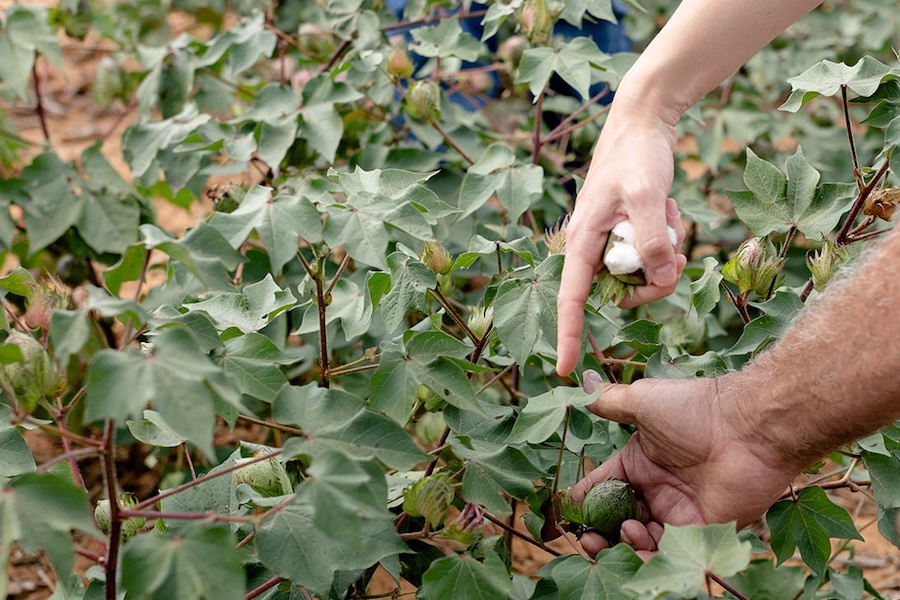
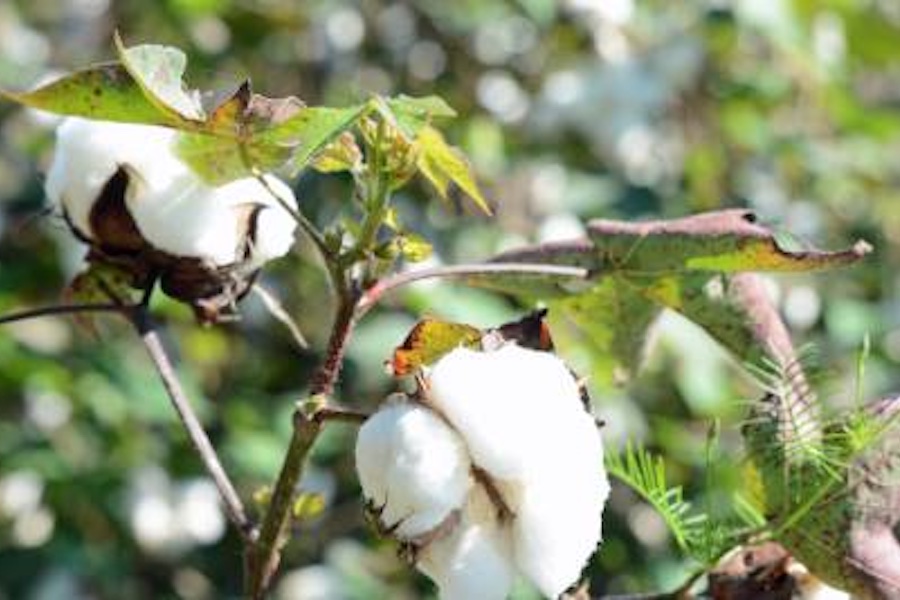
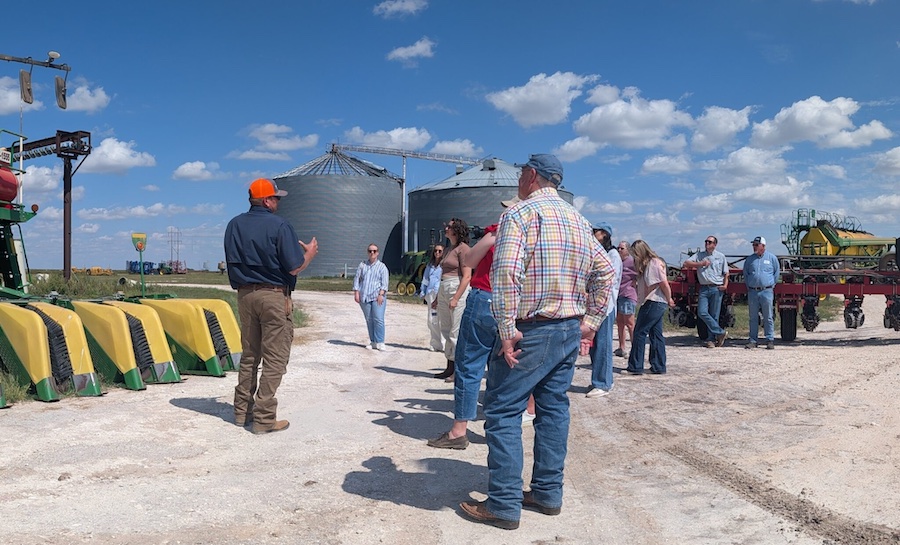
© 2026 Photo credit: BCI/Katrina McArdle Photography. Location: Plainview, Texas, 2025.
One year since becoming a certification scheme, the Better Cotton Initiative (BCI) has announced that more than 3,000 supply chain actors have been certified. At farm level, more than 30% of farms and producer units supplying BCI Cotton have received a positive audit outcome.


The organisation, which has onboarded a growing network of over 50 certification bodies to complete this work, has also been formally recognised as an ISO17065 compliant certification scheme by organisations including the International Organic Accreditation Service (IOAS).

Tom Owen, Head of Certification at the Better Cotton Initiative, said: “The level of engagement we have seen across agricultural and textile supply chains in our first year as a certification scheme reflects a growing recognition of certification’s importance within these sectors. The continued rollout of this work is integral to improving supply chain sustainability and transparency on a global scale.” 

A BCI certificate is issued when a farm or organisation complies with the relevant BCI standard, enabling them to produce and trade BCI Cotton, and promote their commitment to sustainable best practice. As of January 2026, every supply chain actor sourcing Physical BCI Cotton has been certified.

Retailers and brands who undergo certification and source Physical BCI Cotton from a fully certified supply chain are also eligible to use the recently launched BCI Cotton Label, which informs that a product contains more than 30% Physical BCI Cotton. These highlights support for BCI and farming communities around the world.

US cotton marketing cooperative Staplcotn and Australian retailer Big W are among the thousands of organisations to have achieved certification.

Shane Stephens, Vice President of Cotton Services and Warehousing at Staplcotn, said: “We believe BCI Certification will serve to satisfy many of the modern marketplace demands. It can meet those increasing requirements associated with obtaining assurance and comfort in purchasing decisions. Our goal is to increase the value of our grower/owner’s cotton by providing what the customer needs, which certainly can include product certification.”

Andrew Whale, Sustainability Delivery Lead at Big W, added: “When a customer purchases a product from our business, they are walking away with the confidence that we’re doing the right thing [and] that we are working towards better outcomes, not just for Australian communities, but for communities in our supply chain all over the world.”

To help strengthen and scale its certification efforts, BCI has now partnered with IOAS – a leader in agricultural supply chain certification and accreditation – which will evaluate and accredit all certification bodies operating in the BCI system.

Lauren Carlyle, Executive Director of IOAS Inc., said: “We are pleased to launch BCI accreditation at IOAS, not just for sustainable agriculture, but for safeguarding the rights of cotton farmers and workers around the world.”
More News from Better Cotton

#Raw Materials

Better Cotton Initiative opens enrollment in the US with promising opportunities for producers

Producer enrollment for the US Program of the Better Cotton Initiative (BCI) is open until May 15 for the 2026-2027 season. With over 2,600 members spanning the cotton supply chain and more than 11,000 users of its Better Cotton Platform (BCP) as of 2025, BCI’s standard is implemented in 15 countries and covers one fifth of global cotton production.

#Natural Fibers

Better Cotton Initiative partners with Uzbek government agency to offset certification costs

The Better Cotton Initiative (BCI) has today announced a strategic agreement with Uzbekistan’s Light Industry Agency to increase financial support for cotton farming clusters adopting sustainable agricultural practices.

#Natural Fibers

Better Cotton Initiative surpasses 50% traceable BCI Cotton milestone

Two years since the launch of its traceability solution, the Better Cotton Initiative (BCI) has announced that over 50% of BCI Cotton volumes entering global fashion and textile supply chains are now traceable, deriving from 15 countries.

#Natural Fibers

BCI warns against ‘dangerous dilution’ of EU corporate directives

The approval of the European Commission’s Omnibus I proposal by the European Parliament’s Committee on Legal Affairs, accepting controversial changes to key sustainability directives is of great concern. These changes, namely to the Corporate Sustainability Reporting Directive (CSRD) and the Corporate Sustainability Due Diligence Directive (CSDDD), threaten to significantly dilute business reporting and due diligence obligations.

More News on Raw Materials

#Man-Made Fibers

Lenzing AG to become majority owner of TreeToTextile AB and accelerates industrialization of new fibers

The Lenzing Group is taking another strategic milestone by acquiring a controlling majority in the Swedish innovation company TreeToTextile AB. This step strengthens Lenzing’s position as a leading provider of sustainable, wood‑based specialty fibers and expands its innovation pipeline with a highly scalable, patent‑protected technology platform. The transaction is executed through the issuance of new shares.

#Raw Materials

Cotton Incorporated appoints Bev Sylvester as Chief Marketing Officer

Cotton Incorporated announces the appointment of Bev Sylvester as chief marketing officer. In this newly created role, Sylvester will oversee Cotton Incorporated’s marketing strategy, brand positioning, consumer engagement and global outreach to increase demand for cotton and strengthen its relevance in the marketplace.

#Sustainability

OEKO-TEX® chooses TextileGenesis to advance digital traceability for organic cotton

OEKO-TEX® today announced a full collaboration with TextileGenesis, a Lectra company, to digitally trace and authenticate organic cotton, strengthening fraud prevention across the supply chain. This announcement follows a successful pilot and brings together OEKO-TEX®’s certification expertise and closed testing system with TextileGenesis’ digital traceability platform to deliver a secure, end-to-end solution for managing certified organic cotton flows.

#Raw Materials

Cotton production continues to exceed consumption, some growers shift away from cotton

World cotton lint production in the 2025/26 season is currently estimated at 26 million tonnes, continuing to exceed world consumption, which is estimated at 25.2 million tonnes, according to the February 2026 edition of Cotton This Month. Global production is estimated to be 1% higher than the previous season, while consumption is estimated to be 0.4% higher, resulting in a continued supply surplus in the world cotton market.

Latest News

#Functional Fabrics

“Action helps us change what we do!”

DAY 0 takes place deliberately before PERFORMANCE DAYS begins. It is conceived as a space for reflection, dialogue and active engagement — a moment to pause before the fair, rethink established systems and address sustainability not as a trend, but as a fundamental transformation challenge. Under the guiding metaphor “Turn the Tap Off”, DAY 0 focuses on root causes rather than symptoms, systemic change rather than isolated solutions, and collective responsibility rather than individual silos.

#Textiles & Apparel / Garment

Pets in fashion: functional and sustainable textiles find new market at Intertextile Apparel

China’s pet economy is booming, especially amongst younger generations, and pet apparel – from designer outfits to functional garments – was a RMB 3.5 billion (over USD 500 million) market in 2024, growing more than 20% annually¹. To help exhibitors harness this trend, Intertextile Shanghai Apparel Fabrics – Spring Edition 2026 will launch the Pet Boutique, presenting a range of innovative, sustainable materials that prioritise both functionality and comfort for pets.

#Sustainability

VAUDE eliminates PFAS from all products

PFAS (per- and polyfluoroalkyl substances) are now detectable worldwide – in drinking water, soil and the human body. These so-called “forever chemicals” are considered hazardous to health and potentially carcinogenic, as they do not break down and remain in the environment permanently. Despite these risks, PFAS are still used in a wide range of products. More than 15 years ago, VAUDE made a strategic decision to gradually eliminate PFAS from all product categories.

#Composites

Alliance for European Flax-Linen & Hemp expands bio-materials presence at JEC World 2026

The Alliance for European Flax-Linen & Hemp is pleased to announce its participation at JEC World 2026, featuring a significantly expanded presence and an enhanced offering for the global composites industry.

TOP