[pageLogInLogOut]
TRÜTZSCHLER SPINNING - THE NEW CARD

#Industry 4.0 / Digitalization

Softwear Automation announces 'Sewbots as a Service'

From 1994 to 2005, the United States lost more than 900,000 textile and apparel jobs to offshoring. Fast-forward to 2018. The pendulum is swinging back and textiles are returning as lean, highly automated, environmentally conscious production facilities. Within the last six years, there have been significant announcements by foreign-owned textile companies investing in the United States, with site selection choices clustered in the Southeast including the first Chinese owned Cut Make Trim factory in Arkansas.

Despite this industry reversal, the seamstresses are not returning. While the knowledge can be shared to upskill workers, people don’t have the desire to work in a traditional textile factory.

To solve this and accelerate the growth of US based textile manufacturing, Softwear Automation is announcing SEWBOTS-as-a-Service, a rental lease service to allow manufacturers, brands, and retailers to source and manufacture here in the US at a lower cost than outsourcing and with greater predictability and quality. While we understand the benefits of “Made in America”, the focus of this program is to offer US textile manufacturing more control, greater margin, faster turn times and less inventory.

SEWBOTS-as-a-Service creates immediate ROI benefits while enabling scale across retailer, brand, and manufacturer. For a monthly fee starting at $5,000 per month per robot, a factory can add annual production capacity of up to 1M units (product dependent). This enables a manufacturer to bring on a Sewbot for just over $55/shift (based on 7 days a week and 3 shifts a day).

SEWBOTS-as-a-Service is focused on bringing scale to basic sewn good production within the country of destination (a local supply chain). This focus allows manufacturers to move current seamstresses to premium products while creating a more reactive, reliable and sustainable textile ecosystem.
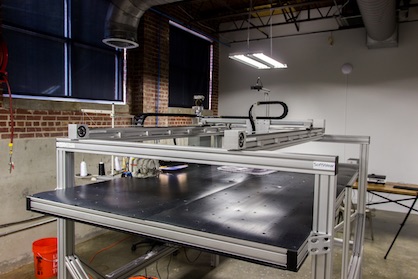
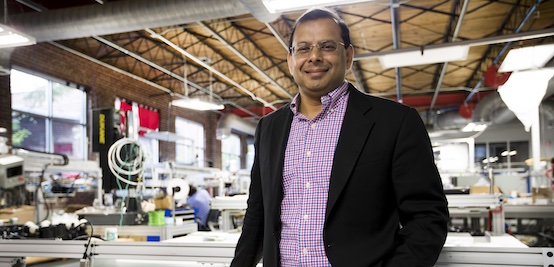
SEWBOT technology (c) 2019 Softwear Automation


More News from Softwear Automation

More News on Industry 4.0 / Digitalization

#ITM 2026

Driving digitalization, efficiency, and Smart Manufacturing across textiles and carpets

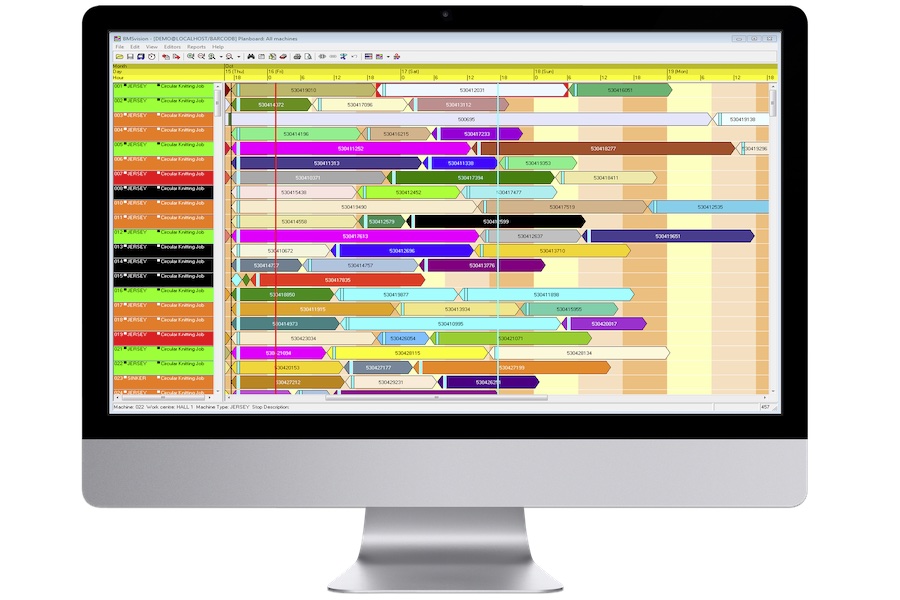
At this year’s ITM, BMSvision proudly showcases its next leap forward in digital manufacturing excellence. As a long-standing global pioneer in Manufacturing Execution Systems (MES) for the textile and plastics industries, BMSvision continues to accelerate digital transformation by delivering powerful, data-driven solutions that boost productivity, enhance quality and support sustainable growth. Visit BMSvision at the Vandewiele booth in Hall 7, Booth 710, to experience the future of textiles manufacturing.

#Industry 4.0 / Digitalization

Textile ETP launches digital transformation strategy, calling for urgent collective action across the value chain

Textile ETP’s DigitX Innovation Hub published its strategic roadmap for the digital transformation of Europe's textile and apparel industry.

#Research & Development

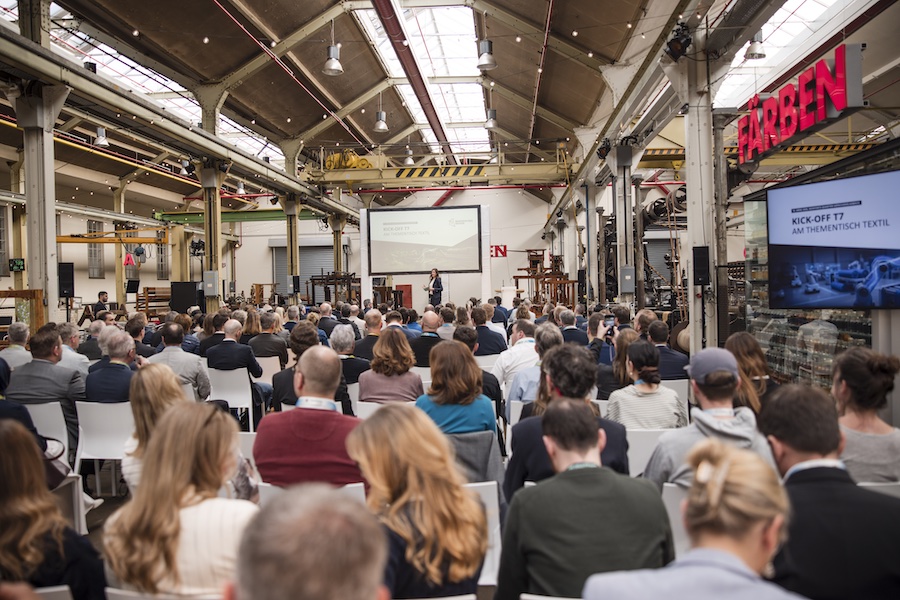
Textilfabrik 7.0 launched: Mönchengladbach becomes a real-world lab for sustainable textile production

With the official kick-off event of the Textilfabrik 7.0 (T7), a major transformation project for the German textile and apparel industry has been launched in the Monforts Quarter in Mönchengladbach. At the “Textile Roundtable,” an event format organized by the Zukunftsagentur Rheinisches Revier, representatives from industry, research, politics, and the regional economy came together to jointly lay the foundation for CO₂-neutral, circular, and economically viable textile production in Germany.

#Man-Made Fibers

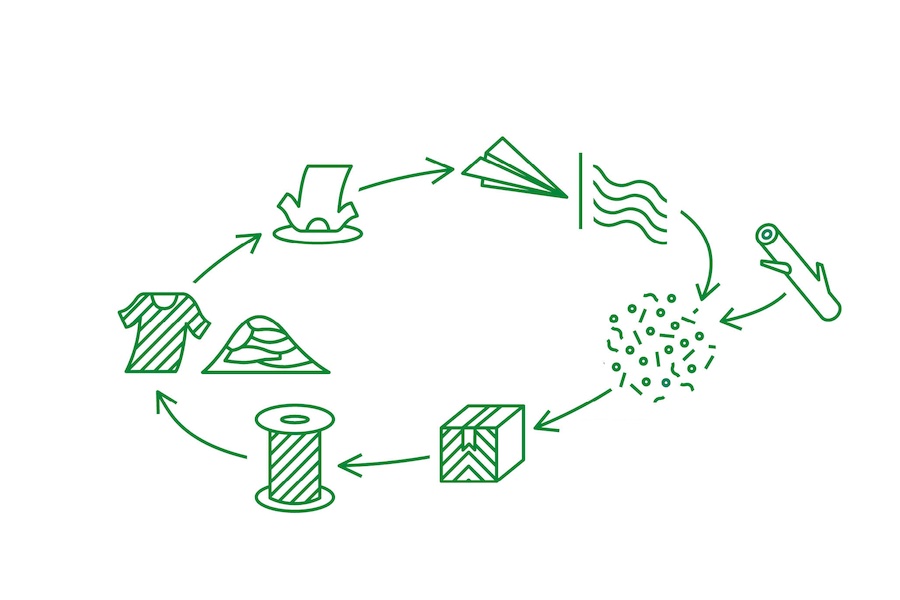
OnceMore® from Södra brings end-to-end traceability for circular Man-made Cellulosic Fibers (MMCF) using TextileGenesis

OnceMore® from Södra, the world’s first large-scale process for recycling blended fabrics into high‐quality dissolving pulp, will begin using TextileGenesis, a Lectra company, to strengthen traceability from raw material to retail across the value chain. OnceMore® produces dissolving pulp made from blended textile waste and wood sourced from responsibly managed Swedish forests. By integrating TextileGenesis, OnceMore® supports the growing need for verified data and secure, transparent tracking throughout increasingly complex supply chain.

Latest News

#Natural Fibers

Bremen Cotton Exchange: Fritz A. Grobien re-elected as President

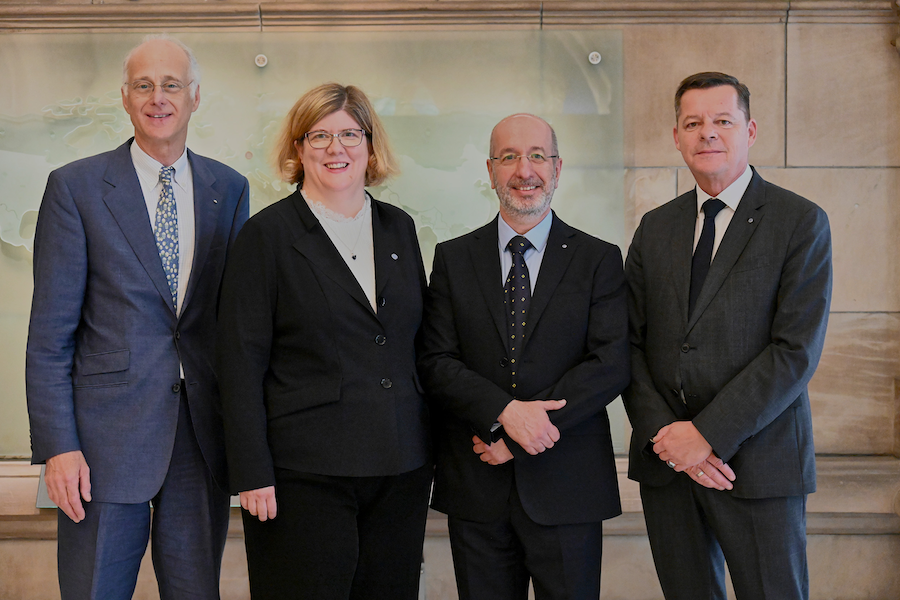
The members of the Bremen Cotton Exchange have re-elected Fritz A. Grobien as President during the association’s 152nd General Assembly on June 18, 2026. The election confirms the organization’s commitment to maintaining its role as a leading international platform for the cotton and fiber industry amid a period of geopolitical and economic uncertainty.

#Natural Fibers

Organic cotton at the crossroads: Ideology, evidence, and the road ahead

Organic cotton occupies one of the most contentious spaces in global agriculture. While praised by brands and consumers for its environmental ideals, it also faces persistent questions about yield stability, certification integrity, and scalability. The current edition of The ICAC Recorder cuts through the ideology to deliver a rigorous, evidence-based assessment of both sides of the debate.

#Spinning

New spinning package with two-step filtration for recycled yarns and more

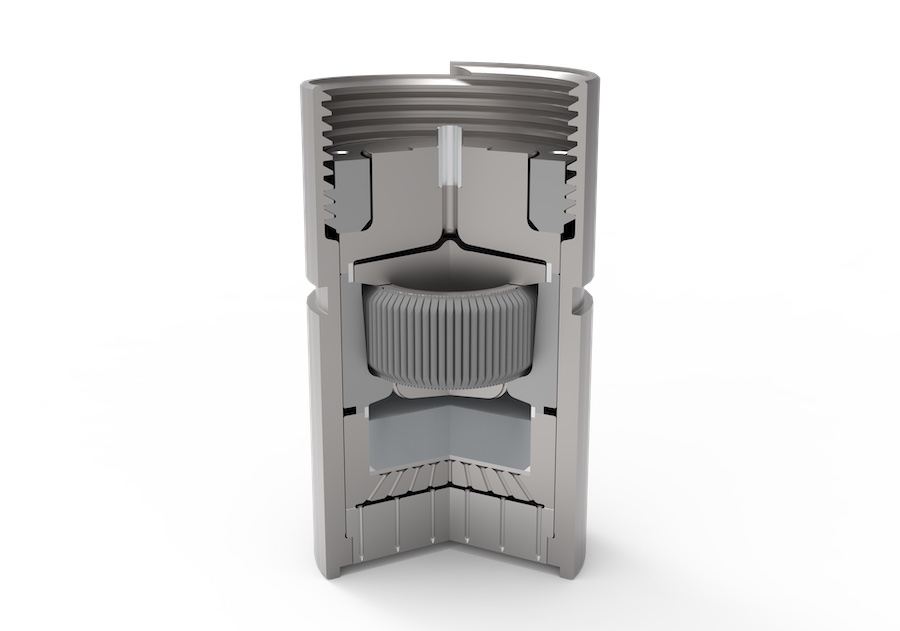
At the ITM in Istanbul, BB Engineering unveiled its new, patented ValuePack spinning package for the first time, which features a two-stage filtration system. This is particularly beneficial for re-cycling processes. Until now, spinning packs have used either metal powder (“sand”) or filter candles as filter media. Both options are suitable for differ-ent applications, and each has its own specific advantages and dis-advantages.

#ITMA 2027

ITMA 2027 gains strong momentum

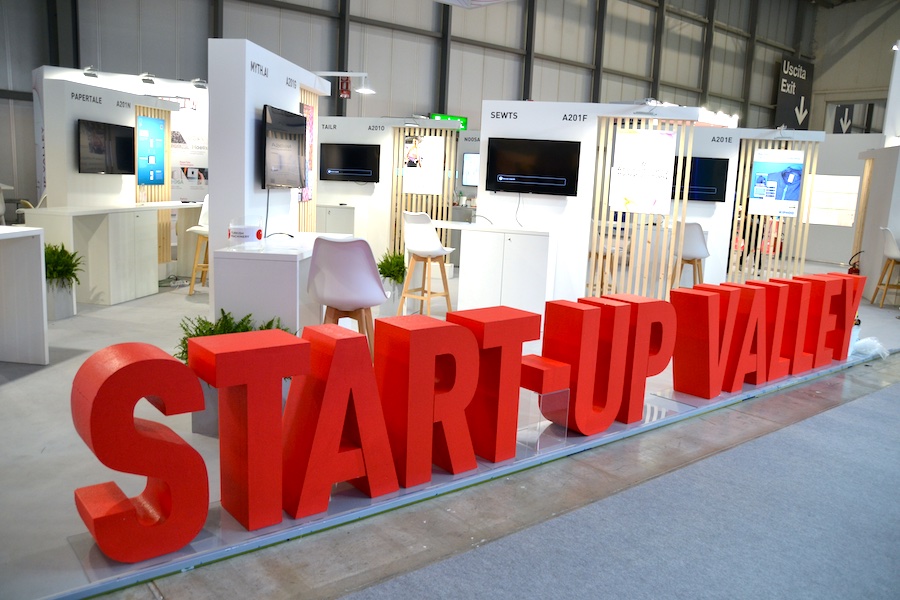
In line with the theme "Co-creating the future of textiles", ITMA continues to strengthen its support for start-ups, recognising their role in driving innovation and shaping the future of textile and garment manufacturing. Through the Start-Up Valley, emerging companies gain access to a global marketplace where they can connect with industry leaders, potential partners, investors and customers.

TOP