#Europe
EU aims to advance global clean transition and implementation of the Paris Agreement at UN's COP30
The conference is a pivotal moment to step up action to meet the Paris Agreement goals set ten years ago. In these times, it is important to show up for the multilateral system and our partners across the world, in particular the small islands and least developed countries that are the most affected by climate change. The EU will continue leading these efforts, acting as a reliable and ambitious partner that is delivering at home, driving cooperation and decarbonisation abroad, and staying the course to achieve climate neutrality by 2050.
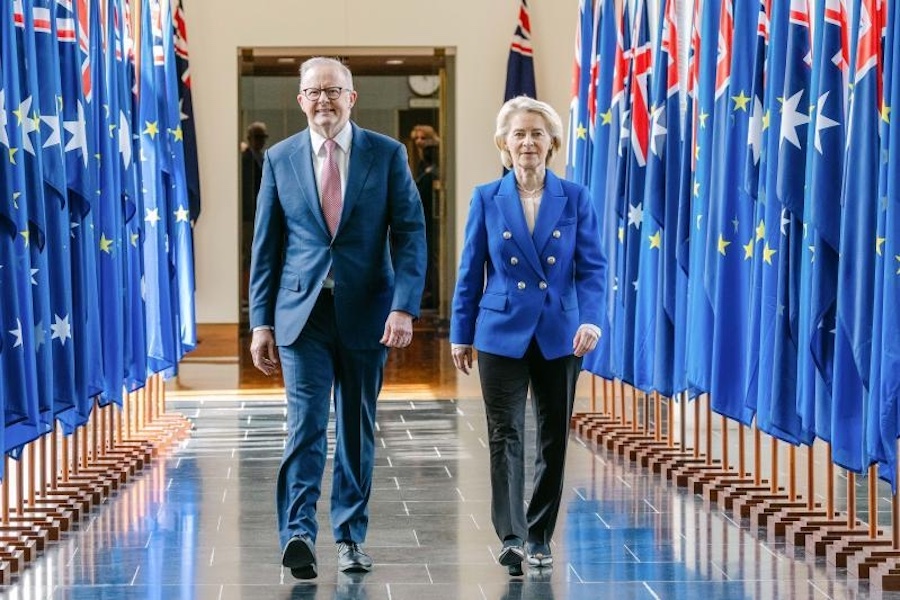
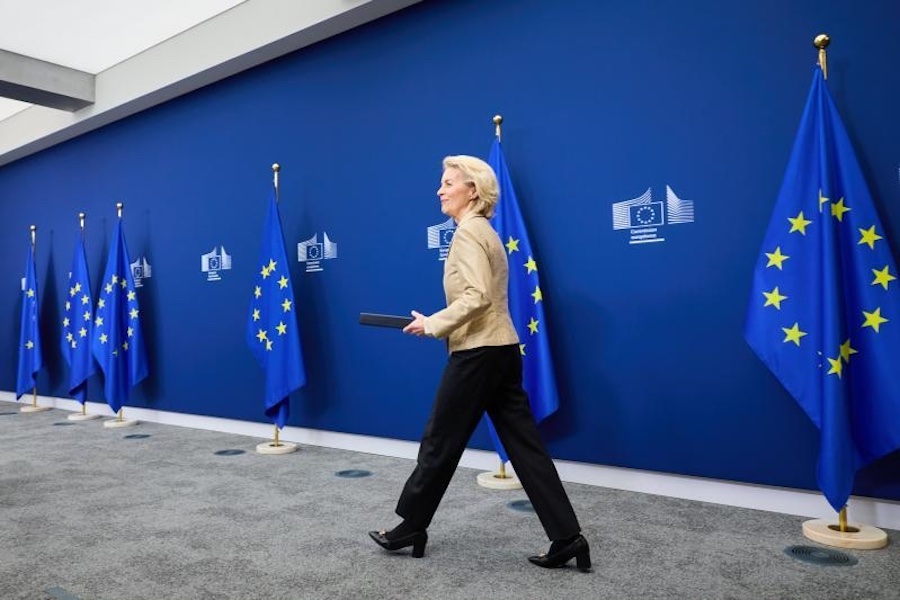
European Commission President, Ursula von der Leyen, said: “At COP30 this week, we will underline our strong commitment to the Paris Agreement. The global clean transition is ongoing and irreversible. It is our priority to ensure that this transition is fair, inclusive and equitable. In Belém, we will listen to our global partners and discuss the key issues. To keep our shared goal in sight, we must recognise diverse national realities and work together to deliver.”
At COP30, the EU will call for a collective response to the ambition and implementation gaps of climate targets, accelerating the global clean energy transition, minimising the extent and duration of any overshoot beyond 1.5°C, and the full implementation of COP commitments such as the first Global Stocktake (GST) under the Paris Agreement and the Global Pledges to triple the installed capacity of renewables and double the global rate of energy efficiency improvements by 2030. These proposed outcomes are aligned with the recently adopted Global climate and energy vision, the EU's external engagement strategy with global partners where the focus lies on driving the global transition away from fossil fuels towards renewables, energy efficiency, and climate resilience, with the Union remaining committed to supporting partner countries in fulfilling these goals.
This year's conference should notably follow up on the GST and the recent UN Synthesis Report on the new national climate plans, known as Nationally Determined Contributions (NDCs), building on the progress achieved and setting out how to step up and accelerate the implementation of COP28 commitments.
All COP Parties were requested to submit their new NDCs ahead of COP30. The new EU NDC, which will now be submitted to the United Nations Framework Convention on Climate Change (UNFCCC), is to reduce net GHG emissions by 66.25 –72.5 % below 1990 levels by 2035, covering all sectors of the economy and all GHGs. This is an ambitious milestone on the path to a 90% net reduction by 2040 compared to 1990 levels, leading the way towards EU climate neutrality by 2050 and aligned with Paris Agreement targets.
On carbon pricing and markets, the COP30 Presidency intends to launch the Open Coalition for Compliance Carbon Markets. This Coalition should bring together countries and jurisdictions who are either already implementing carbon pricing mechanisms or making a tangible progress towards that goal.
The EU negotiating team will also work towards reaching an agreement on the climate adaptation indicators under the UAE–Belém Framework for Global Climate Resilience, helping all countries track progress and strengthen preparedness.
Another important element in this COP30 will be climate finance. The ‘Baku to Belém Roadmap' to be presented by Azerbaijan and Brazil will be a strategic opportunity to scale up finance for developing countries to at least $1.3 trillion per year by 2035, with engagement from all actors within and beyond the UNFCCC, and with particular attention to the needs of the most vulnerable, especially Least Developed Countries and Small Island Developing States. As the world's largest contributor of public climate finance, the EU and its Member States together provided in 2024 €31.7 billion from public sources and mobilised a further € 11 billion in private finance.
Members of the College present at the COP30
On Thursday, 6 November, President von der Leyen will participate in the General Plenary of the World Leaders' Summit, which officially starts the COP30 conference.
On Friday, 7 November, President von der Leyen will take part in a ‘High-Level Roundtable on Industry Decarbonisation', which will discuss how to guide the world industry towards low and clean energy sources. Later, President von der Leyen will participate in a dedicated session to the energy transition.
Executive Vice-President Ribera participated this week in the ‘COP30 Local Leaders Forum' in Rio de Janeiro, ahead of the high-level segment in Belém. Commissioner Hoekstra will again lead the EU negotiating team at COP30, working closely with the Danish Council Presidency and Member States to deliver on the negotiating mandate approved on 21 October. Commissioner Jørgensen will participate to the COP30 Energy Days and attend other high-level energy related events, including co-chairing the Global Methane Pledge with Canada.
In the margins of the conference, the members of the College in Brazil will hold meetings with national authorities, representatives from international organisations, civil society, and the private sector.
Background
Under the 2015 Paris Agreement, 194 countries agreed to keep average global temperature change well below 2°C and as close as possible to 1.5°C by the end of the century. To do this, they agreed to submit NDCs which represent their individual emissions reduction targets. The European Union is firmly committed to the Paris Agreement, having already cut its greenhouse gas emissions by 37% since 1990, while growing its economy by almost 70%, accounting only for 6% of global emissions. This steady progress keeps Europe firmly on track to cut emissions by at least 55% by 2030 and to achieve climate neutrality by 2050. Such transition is supported by a robust package of legislative measures, including the expansion of carbon pricing, the Social Climate Fund, and unprecedented financial support from the Innovation and Modernisation Funds.