[pageLogInLogOut]

#Europe

Vaccinating the world: ‘Team Europe' to share more than 200 million doses of COVID-19 vaccines with low and middle-income countries by the end of 2021

Ensuring access to safe and affordable COVID-19 vaccines around the world, and notably for low and middle-income countries, is a priority for the European Union.

At the Global Health Summit in Rome, on 21 May 2021, President von der Leyen announced that ‘Team Europe' would share with low and middle-income countries at least 100 million doses by the end of 2021, mainly via COVAX, our partner in vaccinating the world.

Team Europe (the EU, its institutions and all 27 Member States) is on track to exceed this initial goal, with 200 million doses of COVID-19 vaccines foreseen to be shared with the countries that need them most, by the end of 2021.

President von der Leyen said: “Team Europe takes its responsibility in helping the world fight the virus, everywhere. Vaccination is key – that's why it is essential to ensure access to COVID-19 vaccines to countries worldwide. We will be sharing more than 200 million doses of COVID-19 vaccines with low and middle-income countries by the end of this year.”

The more than 200 million doses of COVID-19 vaccines that have been committed by Team Europe will reach their destination countries, mainly through COVAX, by the end of this year.

COVAX has so far delivered 122 million doses to 136 countries.

In parallel, Team Europe has launched an initiative on manufacturing and access to vaccines, medicines and health technologies in Africa.

The initiative will help create the right conditions for local vaccine manufacturing in Africa, backed by €1 billion from the EU budget and the European development finance institutions such as the European Investment Bank (EIB).

On 9 July, Team Europe agreed to support large-scale investment in vaccine production by the Institut Pasteur in Dakar, alongside other support measures. The new manufacturing plant will reduce Africa's 99% dependence on vaccine imports and strengthen future pandemic resilience in the continent.


Background

The EU has been the driving force behind the Coronavirus Global Response and the creation of the ACT-Accelerator, the world's facility for access to COVID-19 vaccines, diagnostics and treatments.

As most low and middle-income countries need time and investments to build their own manufacturing capacities, the immediate and most effective response still is vaccine sharing.

The Global Health Summit was convened by President von der Leyen and the Prime Minister of Italy Mario Draghi on 21 May 2021. This very first G20 summit on health marked the beginning of a new chapter in global health policy.

World leaders committed to multilateralism, global cooperation in health and to ramping up vaccine manufacturing capacities worldwide, to make this pandemic the last pandemic.
More News from TEXDATA International

#ITM 2026

ITM 2026: The new geography of textile production

New production hubs are emerging across North Africa and Central Asia, while Türkiye is accelerating its transformation toward higher-value, technology-driven and more sustainable textile manufacturing.

#Research & Development

“Production is a product”

From technical textiles and AI-driven robotics to the limitations of textile circularity: Professor Dr Thomas Gries looks back on more than two decades of development at ITA Aachen. In the interview, he explains why production technology remains a decisive success factor, discusses international collaborations and innovation ecosystems, and shares his views on the transformation of production landscapes and the challenges facing an increasingly regulated industry.

#Knitting & Hosiery

“We need to move away from the price trap and return to a value-driven mindset.”

With its new Textile Innovation Center, KARL MAYER is sending a strong signal for innovation, collaboration, and the future of textile applications. In this interview, Karl Josef Mayer discusses new opportunities in warp knitting, the processing of staple fibres, recycling, the changing role of machinery manufacturers, and why the textile industry must once again focus more strongly on the value of textiles. by Oliver Schmidt

#Associations

“Innovation, resilience and international experience remain the great strengths of the Swiss textile machinery industry”

Geopolitical uncertainty, growing competitive pressure from China, new free trade agreements and the shift towards a circular economy are currently reshaping the global textile industry. In this interview, Cornelia Buchwalder discusses the current mood within the Swiss textile machinery sector, the industry’s distinctive innovative strength, new market opportunities in India and Asia, and the technological trends that could shape the upcoming trade fair cycle leading up to ITMA 2027.

More News on Europe

#Europe

Textile ETP launches bioeconomy strategy for Europe’s textile industry

On 22 September 2026, Textile ETP's Circular & Biobased Textiles Innovation Hub published its strategy for the biobased and circular transformation of Europe's textile and apparel industry.

#Europe

European textile industry calls for €10 handling fee on ultra-fast-fashion imports

The introduction of the €3 customs duty on low-value imports marks an important milestone in Europe’s efforts to address the challenges created by the rapid growth of ultra-fast-fashion imports. Together with the abolition of the €150 customs duty exemption, it demonstrates that policymakers are willing to act when market distortions become impossible to ignore. However, the European textile and clothing industry considers this a first step rather than the final destination.

#Europe

The Digital Product Passport registry is now live

On 20 July, the European Commission launched the Digital Product Passport Registry together with a testing environment, marking an important milestone in making the Digital Product Passport (DPP) a practical reality for businesses placing products on the EU market.

#Europe

EU ban on destroying unsold clothing and footwear now in force

The European Union's ban on the destruction of unsold clothing, clothing accessories and footwear has entered into force. Since July 19, 2026, large companies across the EU have been prohibited from destroying unsold textile products, while medium-sized companies will be required to comply with the same rules from 2030.

Latest News

#Recycling / Circular Economy

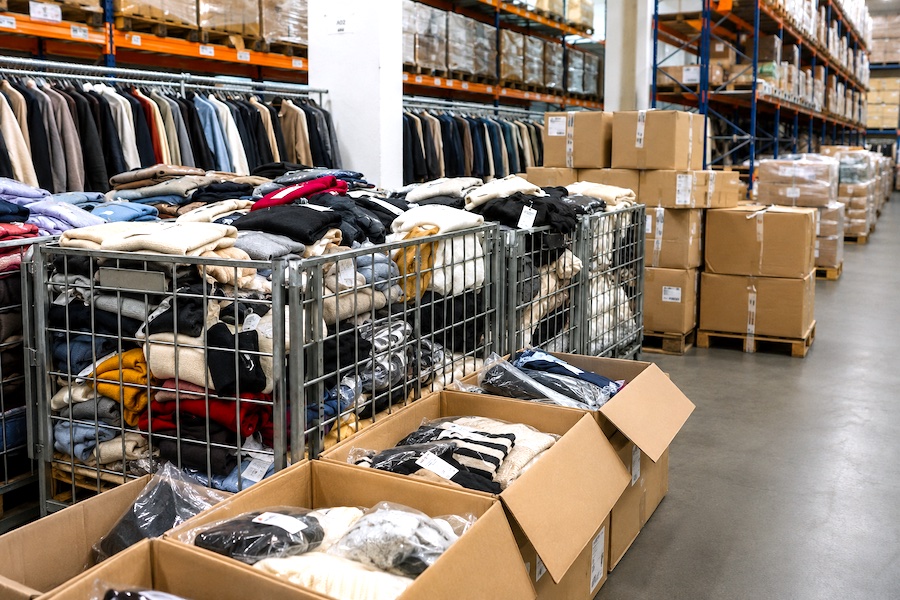
Fashion for Good launches Cotton Reloop Matrix Project to unlock commercial scale for recycled cotton

Fashion for Good today announces the launch of the Cotton Reloop Matrix Project, a cross-industry initiative that will map and physically validate the quality of commercially available recycled cotton yarns against brand specifications, giving the industry a data-backed overview of how quality, price, and recycled content intersect. The project is convened with Fashion for Good partners Arvind, BESTSELLER, C&A, Interloop, Reformation, and Shahi, together with ecosystem partner Uster.

#Digital Printing

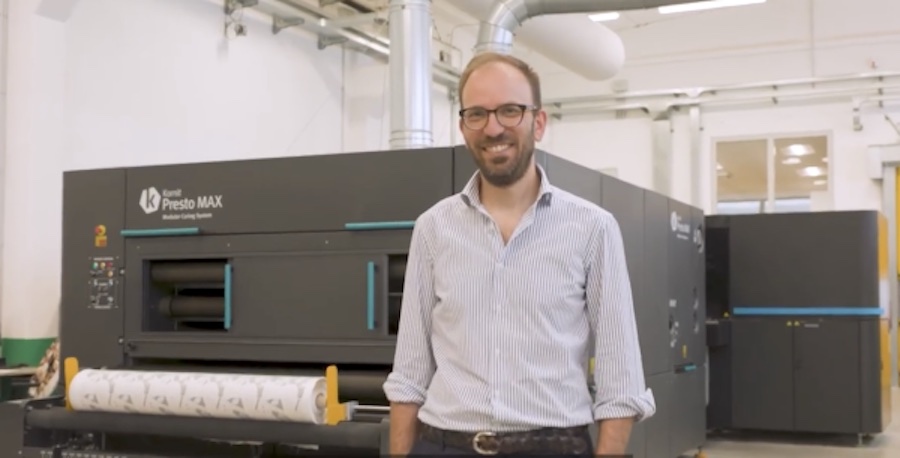
Italian textile finishing specialist injects digital agility into luxury textile manufacturing with Kornit Digital

1st October 2026 – Kornit Digital, a global pioneer in sustainable, on-demand digital fashion and textile production technologies, shares the news that Tintoria Finissaggio 2000, one of Italy's leading textile dyeing and finishing specialists, has integrated the Kornit Presto MAX into its production environment to expand its premium textile offering to improve manufacturing efficiency and support growing demand for sustainable, agile fabric production.

#Recycling / Circular Economy

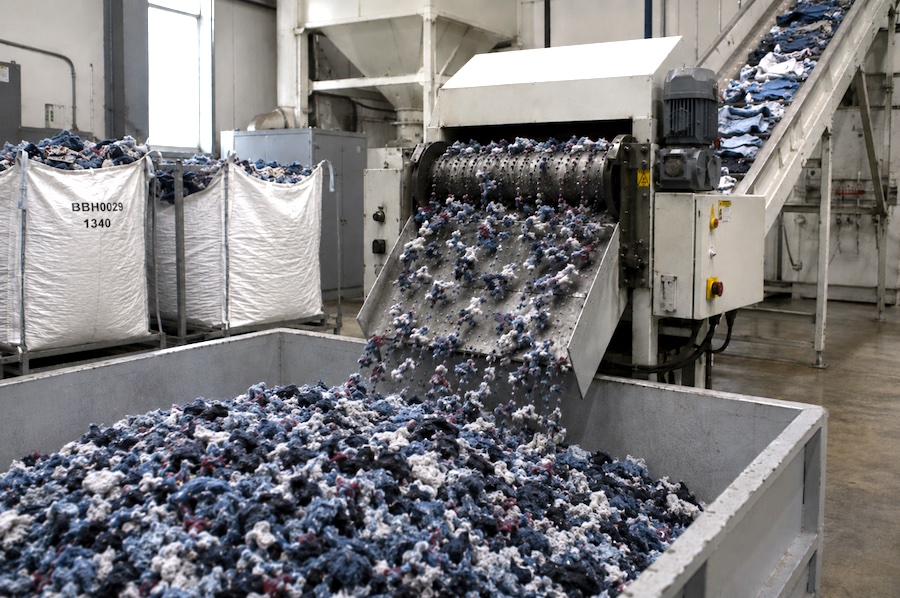
ReHubs names Béatrice Moureaux CEO to advance textile recycling in Europe

ReHubs has appointed Béatrice Moureaux as Chief Executive Officer, marking a new chapter for the European alliance as it continues to strengthen its work to scale textile-to-textile recycling across Europe. Béatrice has served as Board Advisor to ReHubs since December 2025, working closely with its Board, team and members on the organisation’s strategy and projects. She brings more than 25 years of experience across technical textiles, advanced fibres, nonwovens and circular innovation.

#Textiles & Apparel / Garment

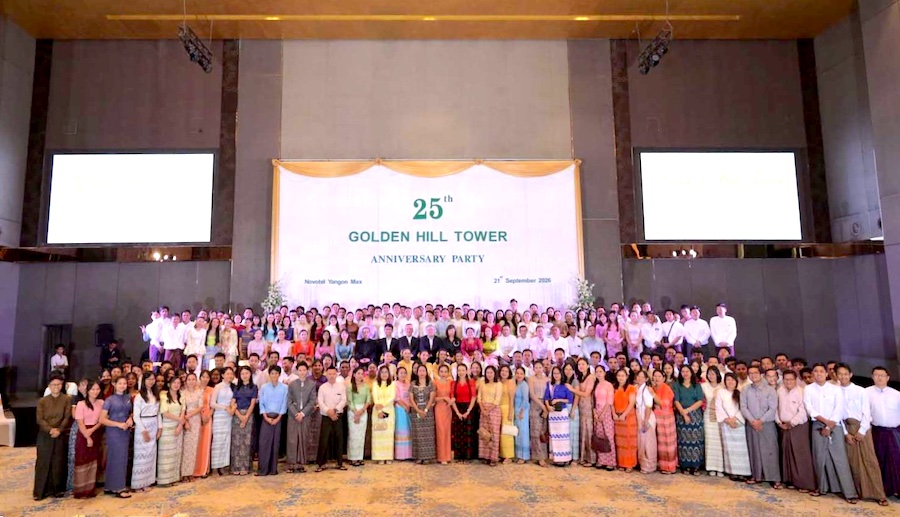
YKK subsidiary Golden Hill Tower Limited marks 25 years of operations in Myanmar

Golden Hill Tower Limited, a subsidiary of YKK Corporation, celebrated its 25th anniversary with a ceremony in Myanmar on September 21, 2026. The event brought together approximately 230 guests, including senior executives from the YKK Group, to commemorate the company's development since the launch of its serviced apartment business in November 2000.

TOP