[pageLogInLogOut]

#Europe

EU ban on destroying unsold clothing and footwear now in force

Large companies must prioritise reuse, resale or recycling instead of destroying unsold products
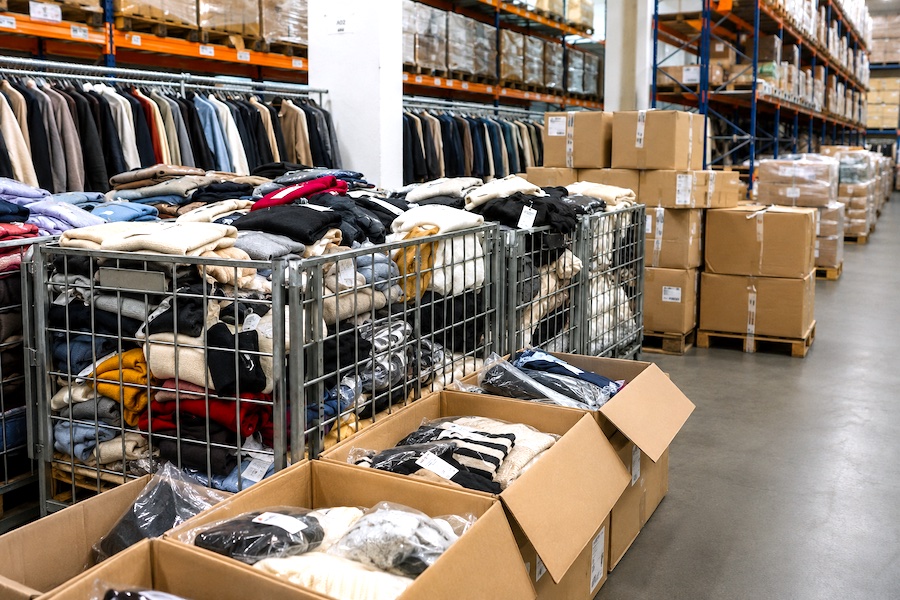
The European Union's ban on the destruction of unsold clothing, clothing accessories and footwear has entered into force. Since July 19, 2026, large companies across the EU have been prohibited from destroying unsold textile products, while medium-sized companies will be required to comply with the same rules from 2030.

The measure forms part of the Ecodesign for Sustainable Products Regulation (ESPR) and is intended to prevent the unnecessary destruction of usable products and the waste of valuable raw materials, water, energy and labour invested in their production. By encouraging reuse, repair and more resource-efficient business practices, the regulation supports the transition towards a more circular and competitive European economy.

Reuse before destruction

Under the new rules, companies must prioritise keeping products in use. Unsold goods should first be offered for sale, including through discounts or alternative markets, donated to charities or social enterprises, or prepared for reuse through repair, refurbishment or remanufacturing.

Destruction is only permitted under specific circumstances and must follow the waste hierarchy, giving priority to recycling wherever possible.

Limited exemptions

The regulation allows exemptions in clearly defined cases, including products that are unsafe or damaged, counterfeit or infringing intellectual property rights, or items that have been rejected by charities or donation schemes.

Companies relying on these exemptions must be able to provide supporting evidence, such as documentation or test results, and are required to publish annual reports on discarded products.

Enforcement and reporting

National authorities are responsible for enforcing the regulation and may impose penalties for non-compliance. Companies must retain relevant records for five years to facilitate inspections.

To reduce administrative burden, reporting requirements are based on existing customs and logistics codes. Small and micro-enterprises are exempt from these obligations.

First concrete ESPR measure

The ESPR, which entered into force in 2024, establishes a framework for making products more durable, repairable, recyclable and resource-efficient throughout the European Union.

The ban on destroying unsold textiles is one of the first concrete measures implemented under the regulation. According to the European Environment Agency (EEA), between 4% and 9% of all textile products placed on the European market are destroyed before ever being used, corresponding to an estimated 264,000 to 594,000 tonnes of textiles every year.

More News from European Commission

#Europe

The Digital Product Passport registry is now live

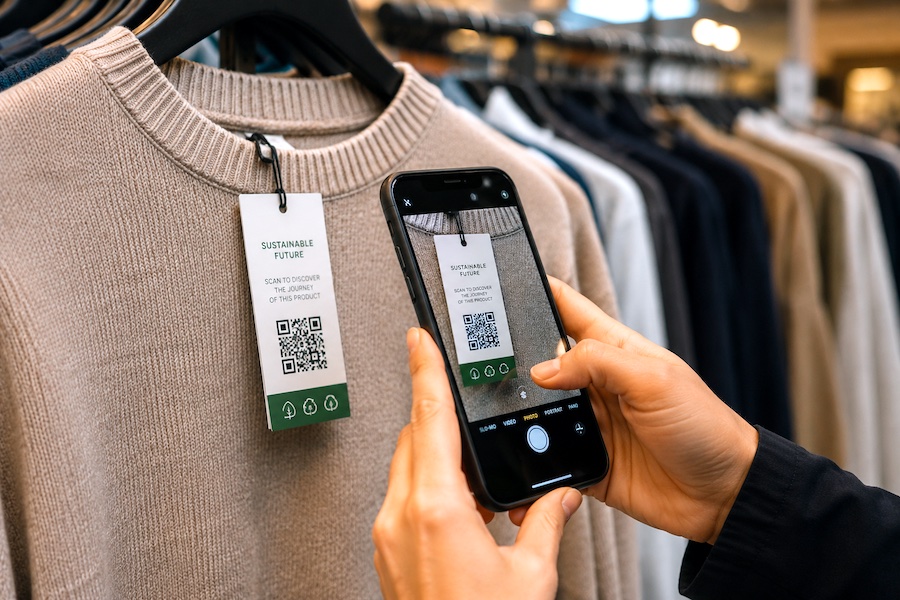
On 20 July, the European Commission launched the Digital Product Passport Registry together with a testing environment, marking an important milestone in making the Digital Product Passport (DPP) a practical reality for businesses placing products on the EU market.

#Recycling / Circular Economy

Commission clarifies rules on plastic bottles recycling

The European Commission today adopted new rules on recycling of single-use plastic beverage bottles made primarily of polyethylene terephthalate (PET bottles). These rules establish, for the first time, a methodology to calculate, verify and report chemically recycled content. This is part of the Commission’s December 2025 plastics package.

#Europe

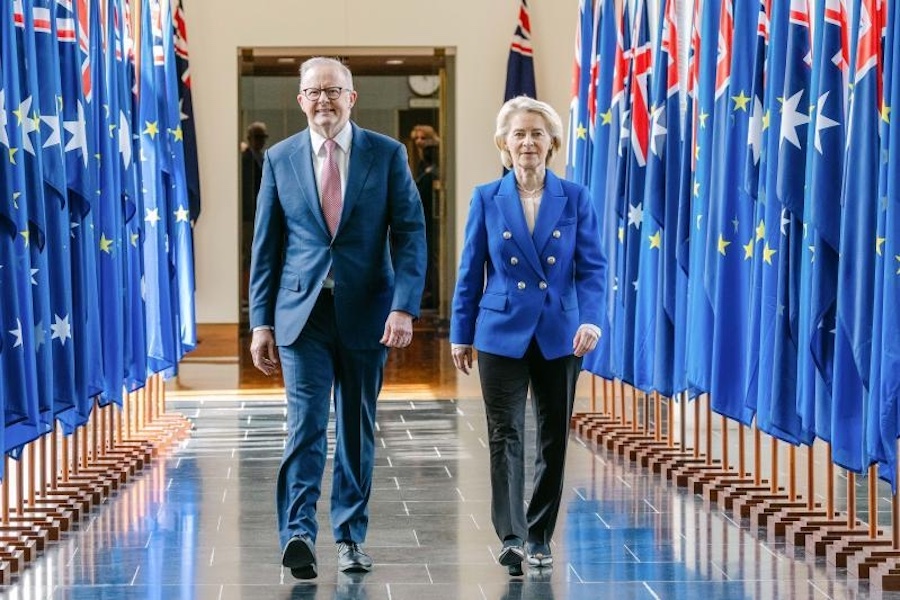
EU and Australia strengthen relations with Security and Defence Partnership and Trade Agreement

The EU and Australia have today announced the adoption of a groundbreaking Security and Defence Partnership. They have also concluded negotiations for an ambitious and balanced free trade agreement (FTA) and agreed to launch formal negotiations for the association of Australia to Horizon Europe, the world's largest funding programme for research and innovation. With these steps, the EU and Australia are delivering mutually beneficial outcomes and further reinforcing their already close relations in a time of geopolitical uncertainty.

#Europe

Commission presents proposal for EU Inc. - unlocking the full potential of the Single Market for Europe's entrepreneurs

Today, the European Commission presented its proposal for EU Inc., a new single set of corporate rules, building the cornerstone and starting point for the EU's 28th regime. EU Inc. is an optional, digital-by-default European corporate framework. It will make it easier for businesses to start, operate and grow across the EU – incentivising them to stay in Europe, and encourage those who once looked elsewhere to return.

More News on Europe

#Europe

Circular economy offers the EU win-win on environment and economy

Stepping up a circular economy offers the European Union the potential for significant positive impacts on Europe’s environment and poses an untapped and strategic economic opportunity in terms of better access to materials and the creation of new businesses. Three new assessments on circularity, published today by the European Environment Agency (EEA), also stress the need to accelerate investment in circularity efforts to meet EU climate and environment policy targets.

#Associations

European Business Coalition welcomes provisional application of EU–Mercosur Agreement and calls for Swift and full implementation

With the European Commission’s decision to provisionally apply the EU–Mercosur Interim Trade Agreement, a process spanning more than 25 years now moves decisively into its implementation phase.

#Europe

Antwerp Declaration community urges EU leaders to deliver emergency measures as Europe’s competitiveness crisis deepens

EURATEX, representing the European textile and fashion industry, joins the Antwerp Declaration Community’s call on EU Heads of State and Government to adopt emergency measures that restore industrial competitiveness and deliver tangible results for Europe’s manufacturing base in 2026.

#Europe

New EU rules to stop the destruction of unsold clothes and shoes

The European Commission today (Feb 9) adopted new measures under the Ecodesign for Sustainable Products Regulation (ESPR) to prevent the destruction of unsold apparel, clothing, accessories and footwear.

Latest News

#Knitting & Hosiery

SHIMA SEIKI brings new flat knitting technologies to FEBRATEX 2026

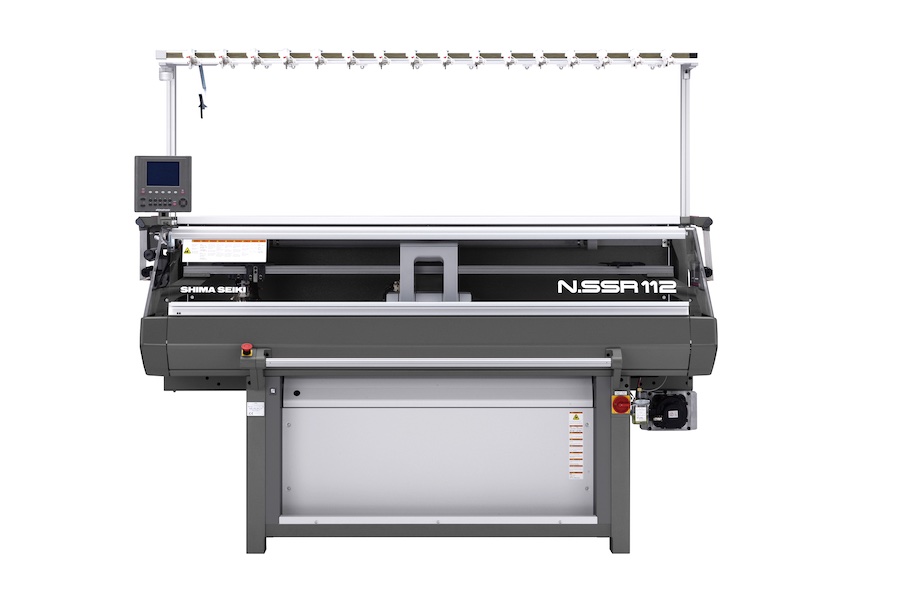
Leading flat knitting solutions provider SHIMA SEIKI MFG., LTD. of Wakayama, Japan, together with its Brazilian representative BRASTEMA TECNOLOGIA TEXTIL LTDA., will exhibit at the Brazilian Textile Industry Fair (FEBRATEX 2026) this month. On display will be a roundup of SHIMA SEIKI computerized flat knitting technology, represented by WHOLEGARMENT® knitting machines, computerized flat knitting machines featuring a brand-new model with high productivity and excellent cost performance, a glove knitting machine and the latest digital solutions.

#Man-Made Fibers

Lenzing reports improved half-year results and advances strategic transformation

Despite a persistently challenging market environment in the first half of 2026, characterized by volatile energy and raw material prices, subdued global consumer demand and intensified competition from Asia, the Lenzing Group significantly improved its financial performance. Net result after tax more than doubled to EUR 35.6 million, compared with EUR 15.2 million in the first half of 2025. Free cash flow increased to EUR 45.8 million, while EBITDA amounted to EUR 239.2 million. Revenue totaled EUR 1.27 billion, compared with EUR 1.34 billion in the previous year.

#Recycling / Circular Economy

German 'ZOLL' turns end-of-life uniforms into valuable raw materials

Together with CWS Workwear, the German Customs Administration is extending the life cycle of service uniforms through reuse, recycling and material recovery, demonstrating how circular economy principles can be successfully implemented in the public sector while delivering significant savings.

#Spinning

Trützschler’s latest spinning and card clothing innovations at CAITME 2026

From September 8 to 10, 2026, Trützschler will present its latest innovations in spinning and card clothing for state-of-the-art fiber processing at CAITME in Tashkent, Uzbekistan. Visitors are invited to meet the experts at Pavilion 2, Booth D50 and explore solutions designed to increase productivity, streamline processes, and ensure consistently high yarn quality. Key topics include the next-generation card TC 30i, the integrated draw frame IDF 3, the high-performance comber TCO 21XL as well as Trützschler Card Clothing’s new flat top series STEELTOP®.

TOP