[pageLogInLogOut]
USTER Think Quality

#Yarn & Fiber

58th Venice Biennale: Suedwolle Group partners with COSMOSOLUNA

Suedwolle Group, the well-known spinner of pure wool and wool blend worsted yarns, will be attending the 58th Venice Biennale as a partner for COSMOSOLUNA, an interdisciplinary performance created by textile artist and social designer Miro Craemer. It takes place on 9th and 10th of May 2019 in the picturesque setting of Palazzo Bembo in Venice.

On 9th and 10th of May, Palazzo Bembo will host a performance that uses textiles as a global language, in tune with the values of Suedwolle Group

COSMOSOLUNA is a performance inspired by the 50th anniversary of the moon landing and involves a variety of creative languages – contemporary dance, textile art, painting and music. The free-access performance creates a choreographed itinerary leading visitors through the Renaissance palace, starting in the open space outside, adjoining the Rialto Bridge. It will play at regular intervals throughout both days.

Under the direction of Miro Craemer, a group of contemporary dancers from Vicenza choreographed by Betty Tezza will perform to the rhythm of a soundtrack created for the occasion by Alexander Löwenstein. They wear costumes designed by Craemer himself using also textiles made of yarns by Suedwolle Group. The colour palette consists of a “lunar” range of blue, silver and white, with shades of orange reminiscent of the painting “Azimut” by Gotlind Timmermanns, which will be displayed at the venue along with other works by the German artist.

Textiles created with Suedwolle Group yarns were an inspiration for the iconic style of Miro Craemer, a designer renowned for his highly impactful cuts and colour combinations. His creative vision brings together mostly recycled materials and a range of colour palettes and different artistic languages to create an “aesthetic manifesto on the cosmos and humankind’s responsibilities and desires”.


Suedwolle Group, just like Miro Craemer, understands textiles as a “global language” that goes beyond borders and is able to connect different aspects of the contemporary world, such as people, nature and technology. “We are happy to support Miro Craemer’s project because his artistic approach has many affinities with our company values. As a yarn producer that is positioned right in the middle of the textile supply chain, we aim to foster social responsibility – especially of concern for the environment – and a dialogue that builds connections between different disciplines and needs. For some years we’ve been supporting new generations of fashion designers and artists in order to make room for new inspirations, because that is what we need: We are asked to broaden our horizons to find new ideas for the challenges of our time – not just in arts, but also in fashion and the whole textile industry” comments Klaus Steger, President of ERWO Group, which includes Suedwolle Group.

COSMOSOLUNA is organised and hosted by the Global Art Affairs Foundation (GAA), a non-profit contemporary art body which during the Venice Biennale - opening on 11th May - will present the “Personal Structures” exhibition at Palazzo Bembo.

More News from TEXDATA International

#India ITME 2026

India’s textile industry: Current position, growth targets and industrial development

With ambitious export targets, major investments in manufacturing infrastructure and new international trade agreements, India is pursuing a comprehensive development strategy for its textile and apparel industry. An overview of the industry’s current position, government initiatives, progress achieved and challenges ahead.

#India ITME 2026

India ITME 2026: Textile technology meets India's investment ambitions

With ambitious growth targets, government incentive programmes and industrial development initiatives already underway, India is preparing for the next stage of its textile transformation. Against this backdrop, the 12th India ITME, taking place in Greater Noida from 4 to 9 December 2026, arrives at a particularly important moment for machinery manufacturers and textile producers alike.

#Digital Printing

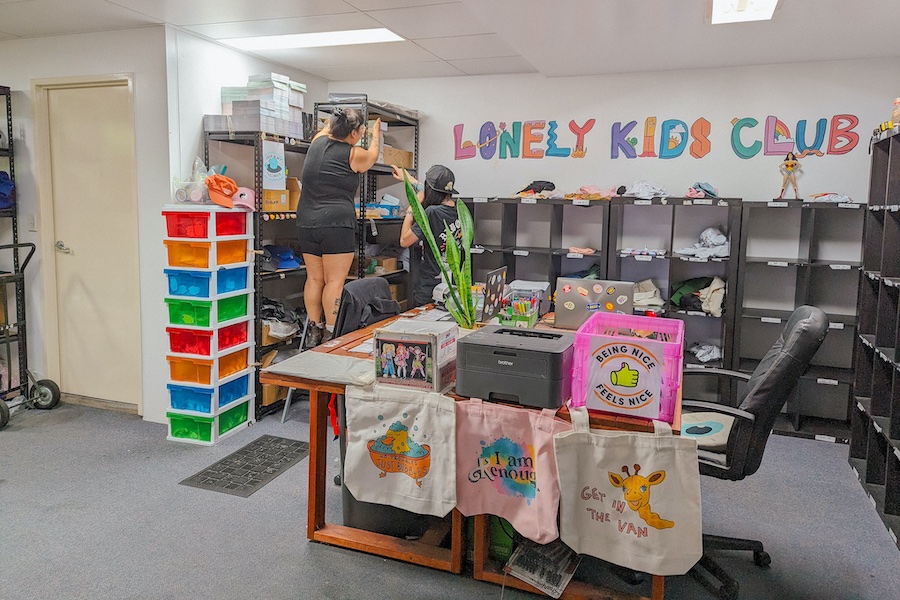
From a bedroom startup to 3,000 designs: How Lonely Kids Club built its business with DTG printing

Founded in Sydney in 2011, independent clothing label Lonely Kids Club has grown from a bedroom startup into a business offering around 3,000 graphic T-shirt designs. With its own production studio, direct-to-garment printing and a demand-driven manufacturing model, the company demonstrates how smaller apparel brands can combine creative independence with flexible production – while navigating the everyday challenges of quality control, workflow efficiency and sustainability.

#Weaving

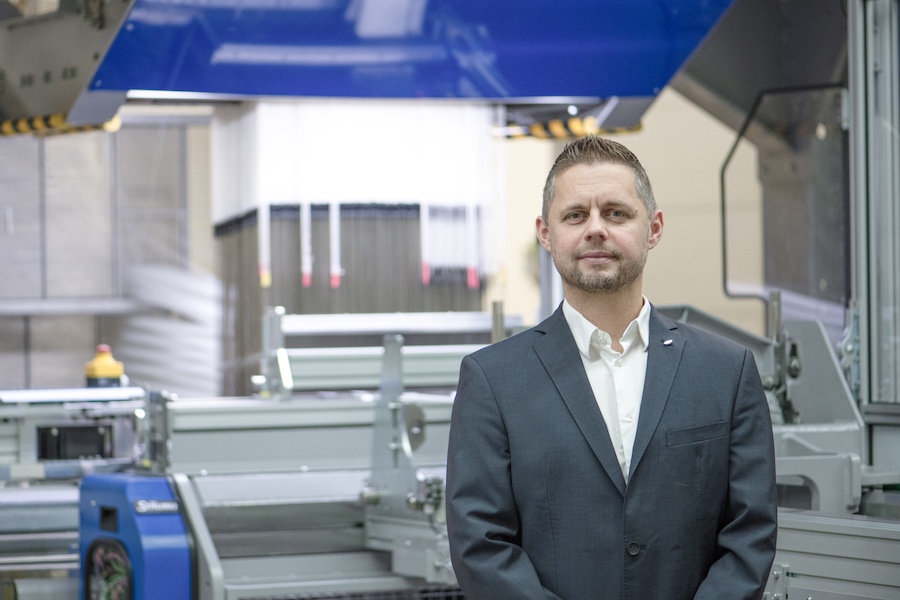
“A complex design is only useful if the machine can reproduce it consistently”

Andreas Schnabel, Head of R&D for Technical Weaving Systems at Stäubli, discusses how 3D weaving can create textile reinforcements tailored to the loads within a composite component, where near-net-shape weaving can reduce processing steps and material waste, and what it takes to produce complex structures reliably and economically. He also explains how manufacturers can adapt Stäubli’s modular TF weaving platforms to new applications and how the company’s centre of excellence in Bayreuth supports the transition from research to industrial production.

More News on Yarn & Fiber

#Man-Made Fibers

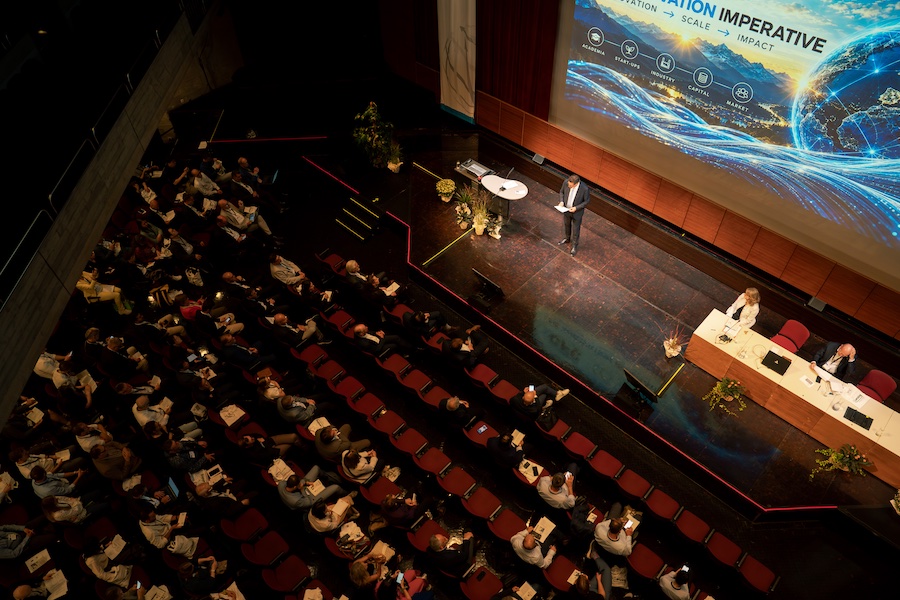
Dornbirn GFC 2027 launches call for papers with a focus on industrial and market impact

The Dornbirn Global Fiber Congress (Dornbirn GFC) has launched its call for papers for the 66th edition of the international conference, which will take place from 14 to 16 September 2027 in Dornbirn, Austria. Under the theme “From innovation to industrial & market impact”, the congress will focus on six key topics, addressing technological innovation, industrial implementation and emerging market opportunities across the fibre and textile value chain. Researchers, developers and companies are invited to submit their presentation proposals by 15 February 2027.

#India ITME 2026

Uster to present novel solutions at India ITME 2026

Tackling contamination is a critical quality target in yarn production – and Uster now enables spinners to make the right choices for optimized profitability, with top technology, precise data and integrated analysis across the entire process. The new Uster Contamination Control solution and latest Uster Vision Shield 3i put spinners in command of contaminant removal, ensuring yarn quality, minimizing waste and protecting profits. These exciting developments – and even more news – will be featured at India ITME 2026.

#Man-Made Fibers

Lenzing improves profitability as strategic transformation gains momentum

The Lenzing Group reported improved operating profitability in the first nine months of 2026 despite declining revenue and a challenging market environment. Revenue decreased by 2.3 percent to EUR 1.93 billion, while adjusted EBITDA remained stable at EUR 353 million. The adjusted EBITDA margin increased from 17.9 percent to 18.3 percent, reflecting progress in the company's strategic transformation under its “Grow Nonwovens. Reset Textiles.” strategy.

#Recycled Fibers

C&A and Zalando join Altag® Fiber Club to accelerate adoption of agricultural waste-based fibres

Fashion for Good and AltMat announced today that C&A and Zalando have joined the Altag® Fiber Club as its first brand signatories, marking a critical commercial milestone in the journey to mainstream adoption of next-generation fibres derived from agricultural waste.

Latest News

#India ITME 2026

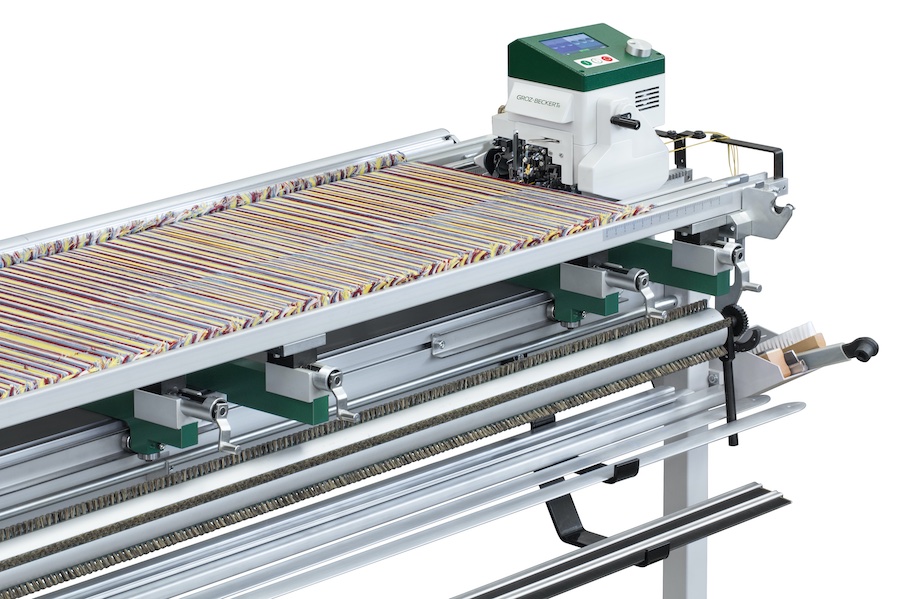
Groz-Beckert targets energy efficiency, productivity and process reliability across six textile technology sectors at India ITME 2026

At India ITME 2026 in Greater Noida from 4 to 9 December, Groz-Beckert will present its latest innovations across all six product areas – Knitting, Weaving, Nonwovens, Sewing, Tufting and Spinning. At Hall 14, Booth B6, the German textile technology specialist will showcase advanced components, systems, services and digital solutions designed to improve energy efficiency, productivity, process reliability and textile quality while addressing the increasingly diverse requirements of modern textile manufacturing.

#Knitting & Hosiery

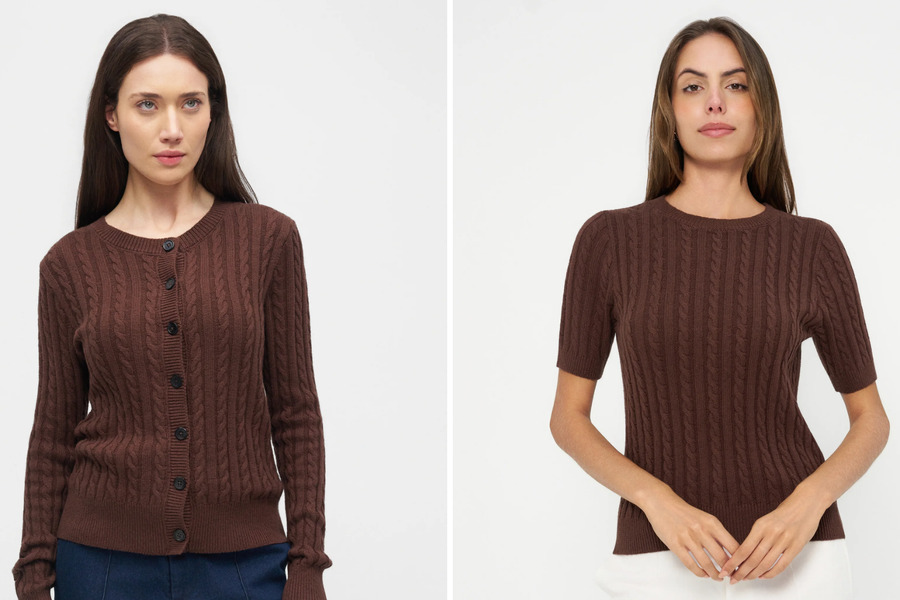
Monarch extends its Woven Look knitting technology from mattress ticking to apparel and performance textiles

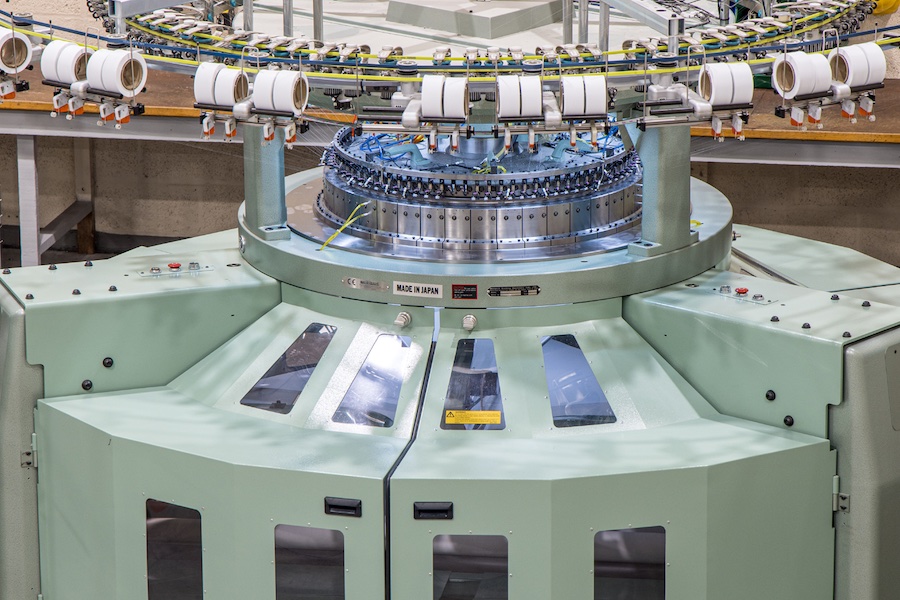
A fabric technology originally developed to reproduce the appearance of woven mattress ticking by Monarch Knitting Machinery, a member of the British Textile Machinery Association (BTMA), is finding new applications in apparel. With the introduction of its 36-gauge OD5B-M-7ED44 double-knit machine, Monarch is expanding the possibilities for producing fine knitted structures that closely resemble woven textiles while retaining the stretch and comfort associated with knitting.

#Textiles & Apparel / Garment

VIATT 2027 names Thailand as its inaugural Partner Country

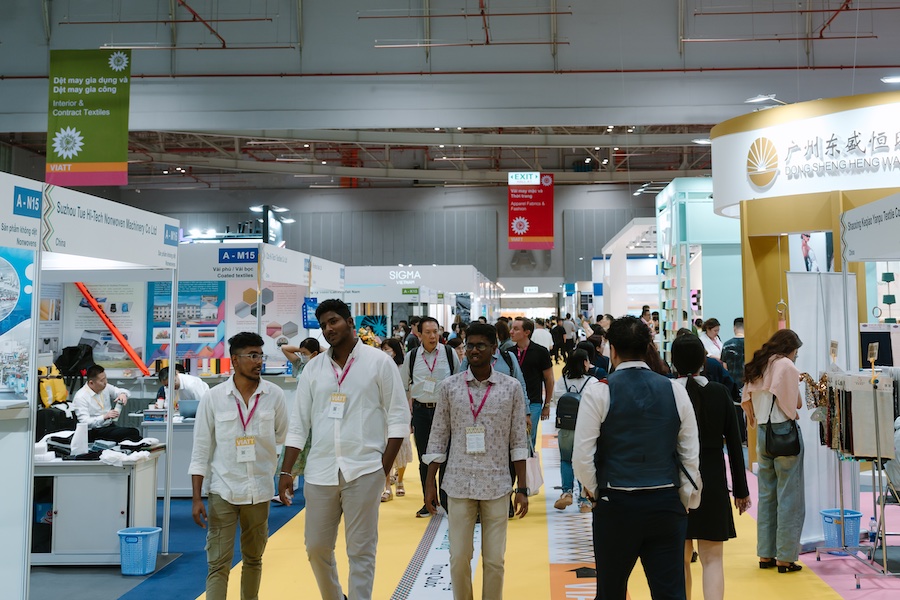
Thailand will take centre stage as the inaugural Partner Country at the Vietnam International Trade Fair for Apparel, Textiles and Textile Technologies (VIATT), returning to Ho Chi Minh City from 24 to 26 February 2027. Featuring a pavilion, dedicated product displays and various fringe events, the Partner Country programme will showcase Thailand’s textile and fashion capabilities, complementing an exhibitor line-up spanning VIATT’s three sectors. Alongside this new cooperation, eight additionally confirmed country and region pavilions and zones are set to strengthen the fair’s international offering.

#Recycling / Circular Economy

IVGT presents initial findings from the Erasmus+ project Skills4Circularity

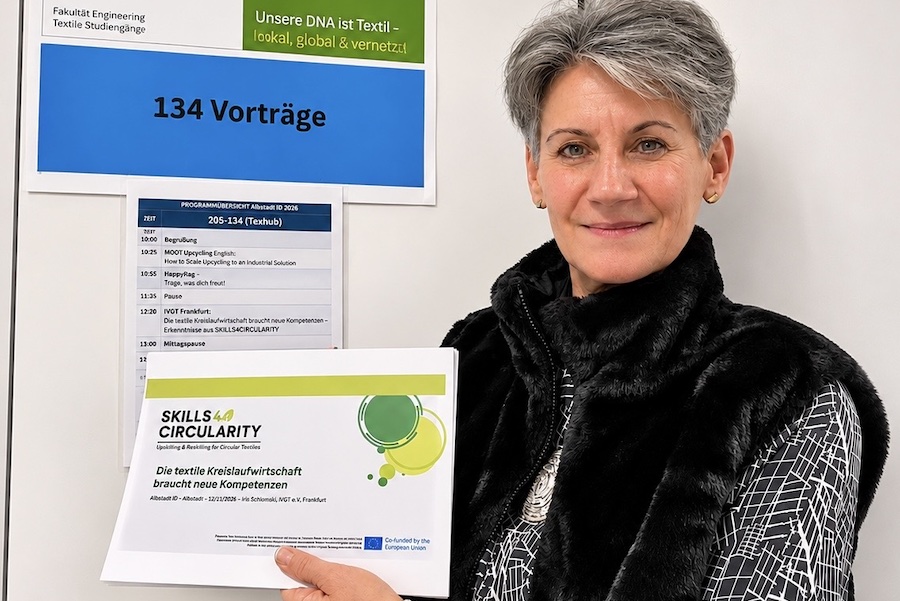
At Albstadt ID 2026, hosted by Albstadt-Sigmaringen University of Applied Sciences, IVGT project manager Iris Schlomski presented initial findings from Skills4Circularity on 12 November 2026. She opened her presentation with an estimate from the European Environment Agency: the EU generated around seven million tonnes of textile waste in 2022. The Erasmus+ project brings together 21 partners from twelve countries to identify the skills textile and clothing professionals need to design more durable products, use fewer resources in production and recover fibres after use.

TOP