[pageLogInLogOut]

#Sustainability

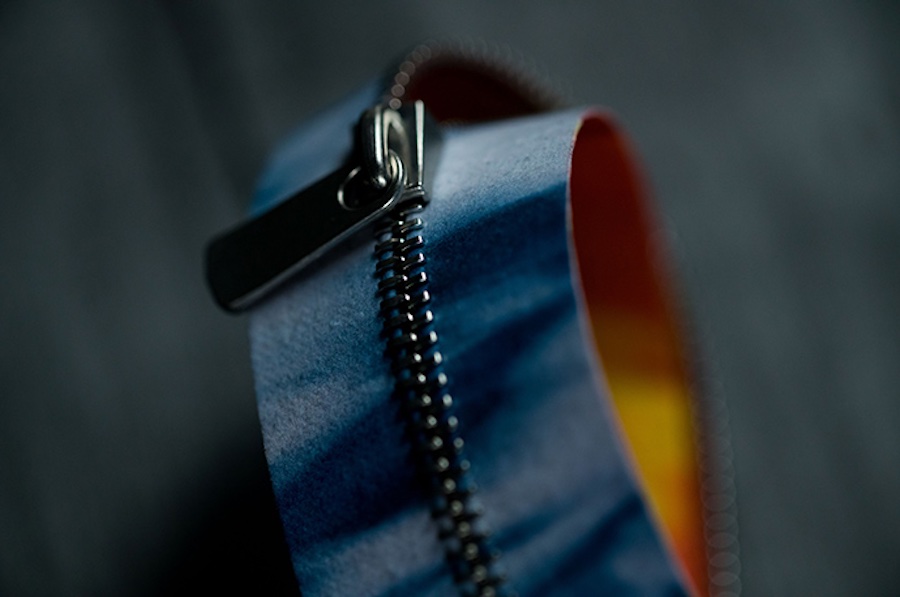
YKK adopts low-carbon aluminum for use in zippers

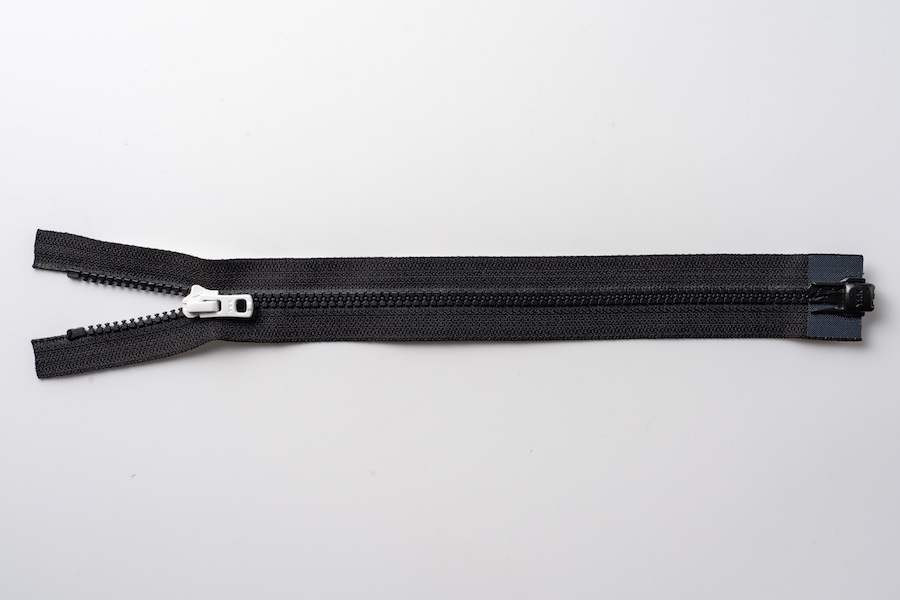
YKK Corporation is pleased to report that it will begin purchasing alloy wires that utilize low-carbon aluminum, with the aim of making a staged transition from conventional aluminum alloy zippers to eco-friendly zippers which use low-carbon aluminum.

YKK, together with Sumitomo Electric Industries, Ltd., and Sumitomo Electric Toyama Co., Ltd., agreed to a contract pertaining to the use of low-carbon aluminum. Beginning in FY2024, YKK will begin purchasing alloy wires that utilize low-carbon aluminum for use as materials in aluminum alloy zippers, and gradually expand their application.

YKK has adopted the YKK Sustainability Vision 2050, its sustainability goals for achieving climate neutrality by 2050, and set targets under the five themes of climate change, material resources, water resources, chemical management, and respect people. YKK has been working to achieve 10 of the SDGs which are related to each of these themes. For the theme of climate change, under the 1.5°C target recognized by the Science Based Targets initiative (SBTi), YKK is striving to cut greenhouse gas (GHG) emissions within the company and across the YKK supply chain, with the goal of reducing Scope 1 and Scope 2 emissions by 50% (compared to 2018) and Scope 3 emissions by 30% (compared to 2018) by 2030. The adoption of low-carbon aluminum as a material for zippers is one of YKK’s initiatives to achieve the reduction target for Scope 3 emissions.

YKK will continue to work together with customers and suppliers to reduce GHG emissions through the development and expansion of eco-friendly products and technologies and accelerate its efforts to bring about a sustainable society.

Comment from Terry Tsukumo, Vice President of the Product Strategy Division, Global Sales Headquarters, YKK Corporation

“Up to this point, YKK has been working to reduce GHG emissions by increasing the use of recycled materials and plant-based materials in textile materials for zippers and switching to eco-friendly products. In addition to this, low-carbon aluminum is a new YKK initiative to reduce the environmental impact of metal materials used for zippers. We will continue to work with our business partners to reduce our environmental impact throughout the supply chain.”

YKK Digital Showroom

Information about YKK’s sustainability initiatives and its eco-friendly products can be viewed at the YKK Digital Showroom.

https://ykkdigitalshowroom.com/

State of Progress Toward the YKK Sustainability Vision 2050

YKK Corporation's sustainability goal is to achieve climate neutrality by 2050. YKK is working on five themes – Climate Change, Material Resources, Water Resources, Chemical Management, Respect People – and ten SDG goals related to each of these, and each year reports on its state of progress in the YKK Integrated Report, “This is YKK.”

https://www.ykk.com/english/corporate/csr/eco/report/index.html

Sustainability and the YKK Philosophy of the Cycle of Goodness®

YKK is constantly pursuing the creation and realization of a sustainable society through our business. At the core of all our corporate activities is the philosophy of YKK founder Tadao Yoshida, the “Cycle of Goodness®.” The idea that “no one prospers without rendering benefit to others” clearly expresses the YKK Group’s corporate philosophy of continuing to prosper together with society, customers, related industries, and employees, and is highly compatible with sustainability.

Tadao Yoshida repeatedly shared the essence of this corporate philosophy with employees in a variety of ways. His words “business is like building a bridge,” which are connected to the “Cycle of Goodness®,” can be understood in terms of the SDGs, as he believed that unless we benefit society as a whole, we will not be able to prosper ourselves. The words “manufacturing like clear spring water” and “trash can be a great resource if it is utilized with ingenuity” are linked to environmental consideration, and the words “the strength of a forest is better than a big tree” are linked to respect for human rights and individuality. The circumstances and background today differ significantly from the time when our founding president spoke these words, but a philosophy that is highly compatible with sustainability has nevertheless been at the core of YKK's management since those early days. It continues to be inherited at the company even today, 90 years later.

https://www.ykk.com/english/shared/pdf/corporate/csr/eco/report/This_is_YKK_part02.pdf

Note: Low-carbon aluminum: The aluminum smelting process requires a large amount of electricity and emits different amounts of carbon dioxide depending on the power source used. The low-carbon aluminum to be used by YKK produces less than four tons of carbon dioxide for each ton of aluminum ingots produced, because renewable energy is used as the power source. The use of renewable energy significantly reduces carbon dioxide emissions when compared to the use of fossil fuel-based electricity sources, such as thermal power generation.
More News from YKK

#Textile processing

YKK receives ISPO Textrends Awards for circular innovations

YKK Corporation (Headquarters: Chiyoda-ku, Tokyo; President: Koichi Matsushima; hereafter, YKK) is pleased to announce that the ISPO Textrends judges have selected YKK's 3D Composite Puller as the Best Product in the Accessories category. They also selected YKK’s NATULON Plus® Fiber Sourced™ zipper with Recycled PET Open Parts as a Top 5 item in the same category. The competition, held twice a year in conjunction with the ISPO trade show, recognizes the most innovative performance textiles, components, and apparel.

#Textiles & Apparel / Garment

YKK’s net-zero commitment drives new business strategy for decarbonization and circular economy 

Sustainability is not just a priority at YKK—it is the foundation of its global business strategy. In its latest integrated report, This is YKK 2025, the company outlines its FY2024 achievements and FY2025 initiatives under the banner of Contributing to a Sustainable Society as ONE YKK. These efforts advance the YKK Sustainability Vision 2050, a long-term commitment to climate neutrality and harmony with nature. This vision is structured around five key themes: climate change, material resources, water resources, chemical management, and respect for people—all aligned with the UN Sustainable Development Goals (SDGs).

#Sustainability

YKK to exhibit at Textile Exchange Conference 2025 in Lisbon

YKK Corporation (Headquarters: Chiyoda-ku, Tokyo; President: Koichi Matsushima; hereafter, YKK) will exhibit at the Textile Exchange Conference 2025 in Portugal, held from Monday, October 13 to Friday, October 17, to showcase its products and initiatives that contribute to the realization of a circular economy in the fashion industry.

#Textiles & Apparel / Garment

Providing zippers dyed with ECO-DYE® technology for the World Expo

YKK Corporation (Headquarters: Chiyoda-ku, Tokyo; President: Koichi Matsushima; hereafter, YKK) will provide zippers to the University of Fukui’s Fukumira Design Factory for its booth at the “Science: Connecting You to the Future” exhibit (sponsored by the Ministry of Education, Culture, Sports, Science and Technology), which will take place at the Expo 2025 Osaka, Kansai, Japan from August 14 (Thursday) to August 19 (Tuesday).

More News on Sustainability

#Research & Development

The region of renewable raw materials: Central German Alliance for Bioplastics

The development of sustainable plastic solutions is rapidly gaining importance in light of global environ- mental pollution, dwindling fossil resources and ambitious climate protection targets. As part of the re- gional alliance RUBIO, which brings together 18 partners from central Germany and the Berlin-Branden- burg area, the bio-based and biodegradable plastic polybutylene succinate (PBS) was comprehensively investigated, starting with the raw material, through the manufacturing process, to industrial application.

#Textile chemistry

Archroma funds development of sustainable textile laboratory at Mumbai’s Institute of Chemical Technology

Archroma, a global leader in specialty chemicals focused on sustainable solutions, has supported the Institute of Chemical Technology (ICT), Mumbai, India in the renovation and development of a sustainable laboratory facility as part of its Corporate Social Responsibility (CSR) program.

#Sustainability

Peak Sustainability Ventures & Arvind launch India’s first industrial-scale cotton-stalk torrefaction project, decarbonizing textile manufacturing in Gujarat

Arvind Limited, one of India’s leading textile-to-retail conglomerates, and Peak Sustainability Ventures, a Mumbai-based global climate investment firm, have entered into a partnership to build a large-scale cotton stalk torrefaction plant in Gujarat, with a capacity of 40,000+ tonnes per year, to accelerate Arvind’s decarbonization goals and promote torrefaction at scale in India.

#Sustainability

Textile Exchange evolves its membership structure to unlock the next stage of collective action for climate and nature

Textile Exchange is excited to announce that it is evolving its membership structure to a more action-oriented, impact-driven model designed to provide clearly defined pathways that help organizations respond to the climate and nature crisis.

Latest News

#Recycling / Circular Economy

Advanced Recycling Conference 2025 fuels innovation across key waste streams

The Advanced Recycling Conference (ARC) 2025 brought together nearly 220 experts from 28 countries to spotlight pioneering advancements and foster industry collaboration in recycling across diverse waste streams including plastics, textiles, automotive and other materials.

#Dyeing, Drying, Finishing

Navis TubeTex announces U.S. partnership with Icomatex

Navis TubeTex, a global leader in advanced dyeing and finishing machinery solutions, is pleased to announce a new partnership with Icomatex (www.icomatex.com), a respected European manufacturer of high-quality stenters and textile finishing equipment. Under this agreement, Navis TubeTex will exclusively represent the Icomatex stenter line in the United States.

#Recycling / Circular Economy

ADVANSA launches ADVA®tex: A new step toward textile-to-textile recycling

ADVANSA has introduced ADVA®tex, a new filling fibre made entirely from recycled pre-consumer textile waste, positioning the material as a significant step forward in textile-to-textile (T2T) recycling. The fibre is designed for use in duvets, pillows, mattresses, and furniture applications and is available in three versions.

#Knitting & Hosiery

KARL MAYER celebrates 35 years of EL pattern drive

KARL MAYER is celebrating an anniversary this year: on 30 November 1990, the first warp knitting machine with electronic guide bar control, the KS 4 EL, was delivered – another milestone for patterning. As early as 1980, the SU gearbox with the MRS42SU had initiated the transition from mechanical chains to digital data.

TOP