#Europe
Green Deal: New proposals to make sustainable products the norm and boost Europe's resource independence
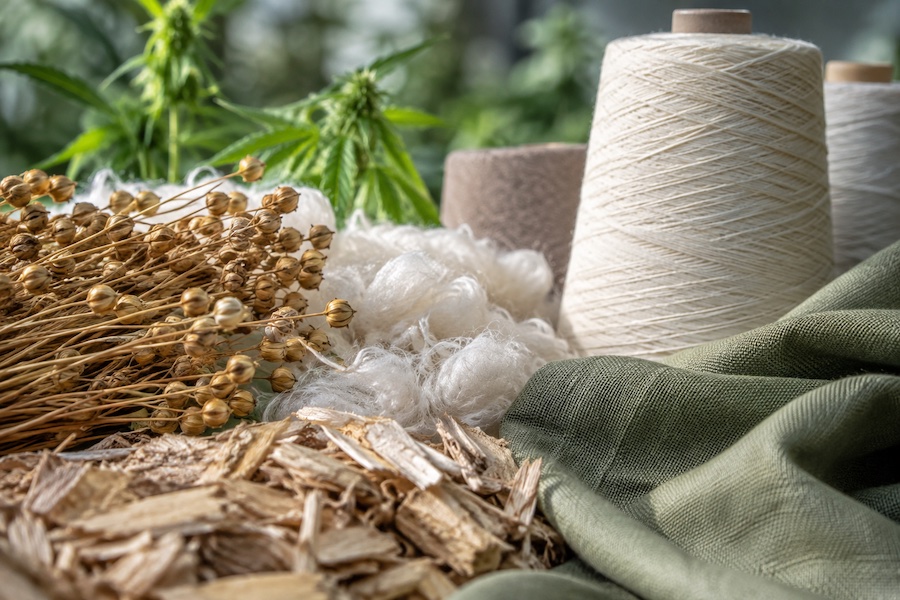
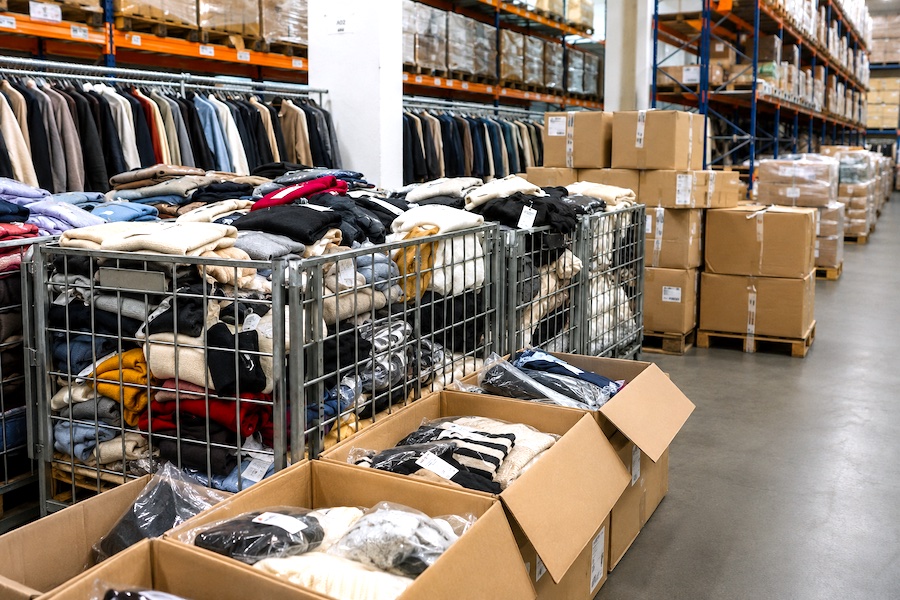
The Commission is also presenting today a new strategy to make textiles more durable, repairable, reusable and recyclable, to tackle fast fashion, textile waste and the destruction of unsold textiles, and ensure their production takes place in full respect of social rights.
A third proposal aims to boost the internal market for construction products and ensure that the regulatory framework in place is fit for making the built environment deliver on our sustainability and climate objectives.
Finally, the package includes a proposal on new rules to empower consumers in the green transition so that consumers are better informed about the environmental sustainability of products and better protected against greenwashing.
With today's proposals, the Commission is presenting the tools to move to a truly circular economy in the EU: decoupled from energy- and resource dependencies, more resilient to external shocks and respectful of nature and people's health. The proposals build on the success of EU's existing Ecodesign rules, which have brought remarkable reductions in EU's energy consumption and significant savings to consumers. In 2021 alone, existing ecodesign requirements saved consumers €120 billion. The rules have also led to a 10% lower annual energy consumption by the products in scope. By 2030, the new framework can lead to 132 mtoe of primary energy savings, which corresponds roughly to 150 bcm of natural gas, almost equivalent to EU's import of Russian gas.
Making sustainable products the norm
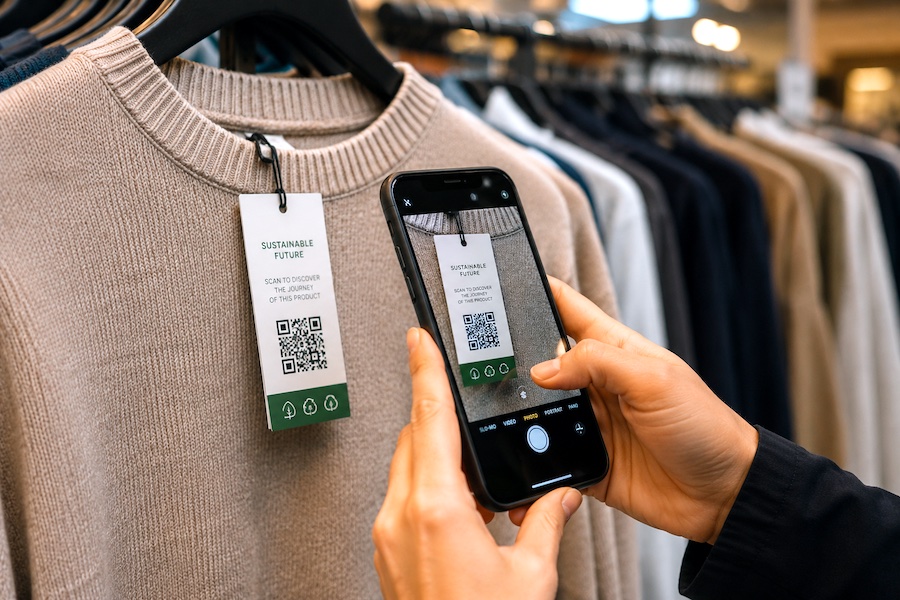
The proposal for a Regulation on Ecodesign for Sustainable Products addresses product design, which determines up to 80% of a product's lifecycle environmental impact. It sets new requirements to make products more durable, reliable, reusable, upgradable, reparable, easier to maintain, refurbish and recycle, and energy and resource efficient. In addition, product-specific information requirements will ensure consumers know the environmental impacts of their purchases. All regulated products will have Digital Product Passports. This will make it easier to repair or recycle products and facilitate tracking substances of concern along the supply chain. Labelling can be introduced as well. The proposal also contains measures to end the destruction of unsold consumer goods, as well as expand green public procurement and provide incentives for sustainable products.
Today's proposal extends the existing Ecodesign framework in two ways: first, to cover the broadest possible range of products; and second, to broaden the scope of the requirements with which products are to comply. Setting criteria not only for energy efficiency, but also for circularity and an overall reduction of the environmental and climate footprint of products will lead to more energy and resource independence and less pollution. It will strengthen the Single Market, avoiding diverging legislation in each Member State, and create economic opportunities for innovation and job creation, notably in remanufacturing, maintenance, recycling and repair. The proposal will set a framework and a process through which the Commission, working in close cooperation with all those concerned, will progressively set out requirements for each product or group of products.
Together with this proposal, the Commission has also adopted an Ecodesign and Energy Labelling Working Plan 2022-2024 to cover new energy-related products, update and increase the ambition for products that are already regulated, as a transitionary measure until the new regulation enters into force. It notably addresses consumer electronics (smartphones, tablets, solar panels) - the fastest growing waste stream.
To support the deployment of sustainable products across the EU market, targeted sectoral initiatives are also presented today. The EU Strategy for Sustainable and Circular Textiles and the revision of the Construction Products Regulation will address two priority product groups with significant impacts.
Sustainable and circular textiles
European consumption of textiles has the fourth highest impact on the environment and climate change, after food, housing and mobility. It is also the third highest area of consumption for water and land use, and fifth highest for the use of primary raw materials.
The EU Strategy for Sustainable and Circular Textiles sets out the vision and concrete actions to ensure that by 2030 textile products placed on the EU market are long-lived and recyclable, made as much as possible of recycled fibres, free of hazardous substances and produced in respect of social rights and the environment. Consumers will benefit longer from high quality textiles, fast fashion should be out of fashion, and economically profitable re-use and repair services should be widely available. In a competitive, resilient and innovative textiles sector, producers have to take responsibility for their products along the value chain, including when they become waste. In this way, the circular textiles ecosystem will be thriving, and be driven by sufficient capacities for innovative fibre-to-fibre recycling, while the incineration and landfilling of textiles has to be reduced to the minimum.
The specific measures will include ecodesign requirements for textiles, clearer information, a Digital Product Passport and a mandatory EU extended producer responsibility scheme. It also foresees measures to tackle the unintentional release of microplastics from textiles, ensure the accuracy of green claims, and boost circular business models, including reuse and repair services. To address fast fashion, the Strategy also calls on companies to reduce the number of collections per year, take responsibility and act to minimise their carbon and environmental footprints, and on Member States to adopt favourable taxation measures for the reuse and repair sector. The Commission will promote the shift also with awareness-raising activities.
The Strategy also aims to provide support to and accompany the textiles ecosystem throughout its transformative journey. Therefore, the Commission is launching today the co-creation of a transition pathway for the textiles ecosystem. This is an essential collaborative tool to help the ecosystem to recover from negative impacts of the Covid-19 pandemic which have been affecting companies in their daily operations for the last two years. It will also strengthen their capacities to withstand both a fierce global competition and future shocks for their long-term survival. All the actors are encouraged to take active part in the co-creation process through their commitments on circularity and circular business models, actions to strengthen sustainable competitiveness, digitalisation and resilience, and identification of specific investments needed for the twin transition.
The construction products of tomorrow
The construction ecosystem represents almost 10% of EU value added, and employs around 25 million people in over 5 million firms. The construction products industry counts 430,000 companies in the EU, with a turnover of €800 billion. These are mainly small and medium-size enterprises. They are a key economic and social asset for local communities in European regions and cities.
Buildings are responsible for around 50% of resource extraction and consumption and more than 30% of the EU's total waste generated per year. In addition, buildings are responsible for 40% of EU's energy consumption and 36% of energy-related greenhouse gas emissions.
The revision of the Construction Products Regulation will strengthen and modernise the rules in place since 2011. It will create a harmonised framework to assess and communicate the environmental and climate performance of construction products. New product requirements will ensure that the design and manufacture of construction products is based on state of the art to make these more durable, repairable, recyclable, easier to re-manufacture.
It will also make it easier for standardisation bodies to do their work of creating common European standards. Together with enhanced market surveillance capacities and clearer rules for economic operators along the supply chain, this will help to remove obstacles to the free movement of the internal market. Finally, the revised Regulation will offer digital solutions to reduce administrative burdens, particularly on SMEs, including a construction products database and a Digital Products Passport.
Members of the College said:
Executive Vice-President for the European Green Deal Frans Timmermans said: “It's time to end the model of ‘take, make, break, and throw away' that is so harmful to our planet, our health and our economy. Today's proposals will ensure that only the most sustainable products are sold in Europe. They allow consumers to save energy, repair and not replace broken products, and make smart environmental choices when they are shopping for new ones. This is how we bring balance back in our relationship with nature and reduce our vulnerability to disruptions in global supply chains.”
Commissioner for the Internal Market Thierry Breton said: “European consumers rightly expect more environment-friendly and longer-lasting products. More sustainability and resource efficiency also means more resilience when a crisis disrupts our industrial supply chains. By harnessing the potential of the Single Market, making the most of digital tools and improving market surveillance, we will maximise opportunities for businesses and consumers alike. Greater resource and energy efficiency in the construction and textile sectors in particular will generate highly skilled jobs across Europe.”
Commissioner for the Environment, Oceans and Fisheries Virginijus Sinkevi?ius said: “Our circular economy proposals kick off an era where products will be designed in a way that brings benefits to all, respects the boundaries of our planet and protects the environment. Giving a longer lifespan to the phones we use, to the clothes we wear and to many other products will save money for European consumers. And at the end of their life products will not be a source of pollution, but of new materials for the economy, decreasing the dependency of European businesses on imports.”