[pageLogInLogOut]

#Raw Materials

Fiber traceability - A vehicle to ensure sustainability or injustice?
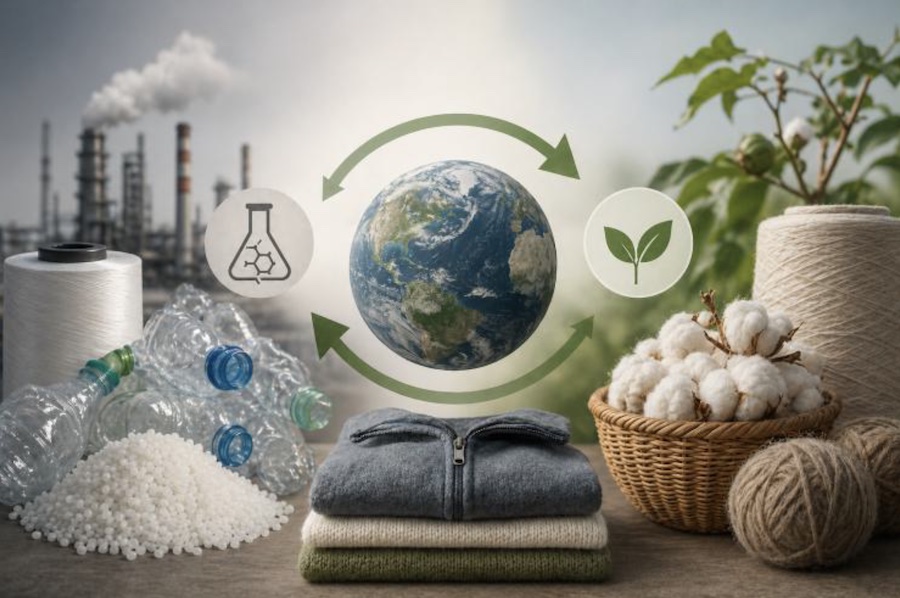
(Images generated with DALL·E (OpenAI) © 2026 Bremen Cotton Exchange
The Bremen Cotton Exchange is making a new paper available for download. In this paper, analyst Veronica Bates Kassatly and statistician Terry Townsend examine the justifications behind this approach and assess the consequences for textile and apparel sustainability claims and global legislation.


Polyester accounts for almost 60% of all fibre production, while cotton accounts for a little over 20% and wool 1%. Only 12% of polyester is of recycled origin, and 98% of that comes from bottles diverted from the beverage industry. In other words, recycled polyester is just virgin polyester one step removed. Yet, nobody traces virgin polyester, and there are no virgin polyester certification schemes.

The report titled “Fiber Traceability – a Vehicle to Ensure Sustainability or Injustice?” highlights key problem areas. A sample of findings of concern examined in the paper includes the following: More than 2500 chemicals, 800 of which are known to be highly hazardous, are used, present, or released by the most common form of polyester fibre, PET. In comparison, only 135 highly hazardous chemicals are used worldwide in pesticides applied to cotton. Equally concerning, a further 1,609 chemicals associated with PET have not been tested and so are evaluated as harmless but might be hazardous

Further findings show that the water footprint of one kilogram of polyester fibre is between 5 and 7 times greater than that of one kilogram of cotton.

In addition, one-fifth of all the polyester produced in the world is made from oil or natural gas feedstock that originated in sanctioned countries. By importing polyester in the form of textiles and apparel, countries are facilitating the circumvention of sanctions.

The report, “Fiber traceability - a Vehicle to Ensure Sustainability or Injustice?” is a must-read for anyone and everyone in sustainable fashion, particularly those with an interest in legislation and impact claims.

Both authors are available for questions and interviews. The Bremen Cotton Exchange can facilitate contact.

Link to the paper: Fiber Traceability

https://baumwollboerse.de/en/competencies/publications/report-on-tracebility/



More News from Bremer Baumwollbörse

#Raw Materials

A Powerful Opening: Global thought leaders launch the International Cotton Conference Bremen

The International Cotton Conference Bremen will open on 25 March 2026 in the Parliament building of the Free Hanseatic City of Bremen with a keynote session of exceptional calibre. Distinguished international experts will set the stage for the conference by offering incisive perspectives on the most pressing challenges and the defining trends shaping the future of the global cotton trade. Their insights will span a broad spectrum — from geopolitically driven disruptions affecting global supply chains to the opportunities emerging from innovation-led agriculture capable of supporting a growing world population. Together, these opening keynotes will frame the dialogue of the conference, highlighting both the complexity of today’s market environment and the pathways toward a resilient and forward-looking cotton sector.

#Natural Fibers

Beyond Cotton: Natural Fibres in the Spotlight at the Bremen Cotton Conference - Branded by DNFI

Climate targets, fragile supply chains, and rising regulatory requirements are fundamentally changing the perspective of the textile industry - the focus is increasingly shifting toward the base material. Not only cotton, but natural fibres are gaining significant importance: they stand out not only because of their outstanding functional properties, but also because they make a valuable contribution to the bioeconomy and responsible product development.

#Raw Materials

Beyond the wardrobe – innovative cotton takes the spotlight

Cotton can do more – a lot more. Cutting-edge textiles and high-tech products made from 100% cotton prove just how powerfully performance and sustainability can come together. That very surge of innovation is front and centre at the 38th Bremen Cotton Conference, taking place March 25–27, 2026, at Bremen’s Parliament on the historic market square – culminating in a bold and dedicated closing session on Friday. In the spotlight: performance upgrades for pure cotton, smart strategies for circular textile waste solutions, and pioneering concepts for demanding technical applications. From natural fibre–reinforced composites to highly effective flame-retardant solutions, cotton steps out of the closet and shows the future potential woven into every fibre.

#Raw Materials

Modern testing methods for raw cotton

The 38th International Cotton Conference Bremen will take place from 25 to 27 March 2026 at the Bremen Parliament. This conference has traditionally stood for in-depth expertise and international exchange. The program will focus on technical innovations, market trends, and regulatory frameworks across the entire value chain – from agriculture to the circular economy. With high-profile speakers, the conference is regarded as the key meeting point for the global cotton industry. Today’s focus: Cotton quality and testing methods.

More News on Raw Materials

#Man-Made Fibers

Lenzing commissions 14 MW power‑to‑heat facility, strengthening grid stability and heat management

The Lenzing Group has successfully commissioned a new power‑to‑heat (P2H) facility with an electrical capacity of 14 megawatts. The installation converts renewable electricity directly into process heat, is fully integrated into the existing heat network at the industrial site, and represents a key building block for a fossil‑free heat supply. As project partner, VERBUND was responsible for the energy‑market integration and will operate the facility for balancing energy marketing, enabling it to respond flexibly to short‑term fluctuations in the power grid.

#Raw Materials

Kraig Biocraft reaches next step in production growth

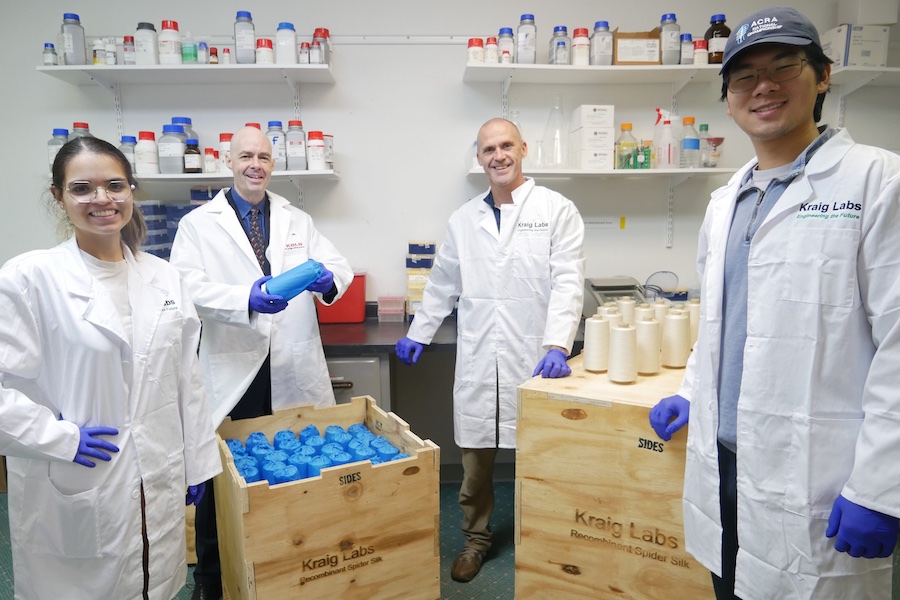
Kraig Biocraft Laboratories, Inc. (OTCQB: KBLB) (“the Company”, “Kraig Labs”, or “Kraig’s”), a world leader in spider silk technology*, today announced that it has produced more than 1.3 metric tons of recombinant spider silk cocoons in a single month. This is a new world record and shatters the Company’s previous production record by a factor of five. Today marks a pivotal step forward in the transition of spider silk from laboratory innovation to an industrial-scale material platform.

#Raw Materials

New study shows low environmental impact by Cotton made in Africa Organic Cotton from Tanzania

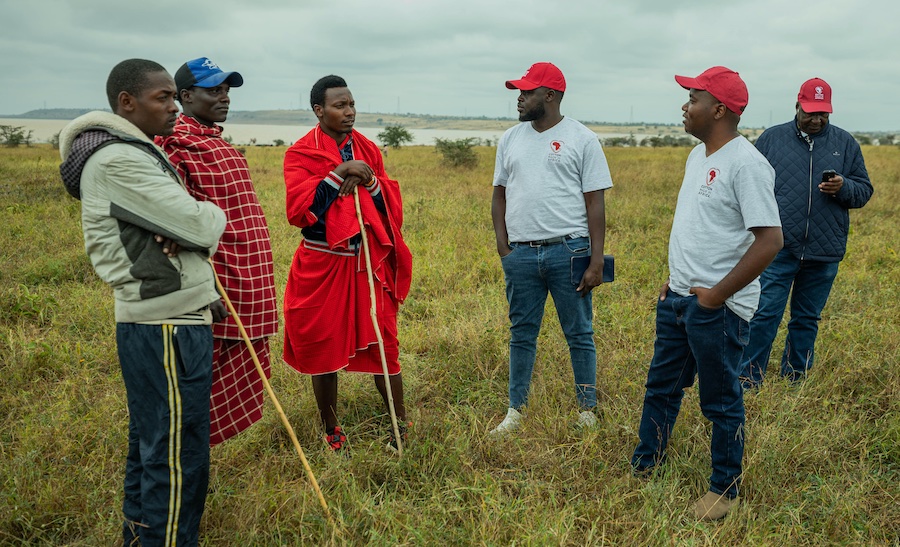
Today, the Aid by Trade Foundation (AbTF) is announcing the results of a comprehensive life-cycle analysis (LCA) for cotton produced in Tanzania under the Cotton made in Africa Organic (CmiA Organic) standard. The study emphasises the small ecological footprint of CmiA Organic verified cotton. This can largely be traced back to the absence of synthetic pesticides, artificial fertilisers, and artificial irrigation. Consequently, CmiA Organic cotton can help the textile industry meet regulatory requirements as well as science-based targets. The results also show that the consequences of climate change threaten the livelihoods of these cotton farmers, even though the type of agriculture they practise barely contributes to climate change.

#Raw Materials

Better Cotton Initiative strengthens regenerative focus in standard update

The Better Cotton Initiative (BCI) has strengthened the regenerative focus of its field-level standard with the launch of a new version of its Principles & Criteria (P&C), which marks the next step in the organisation’s journey to becoming a regenerative standards system.

Latest News

#Texprocess 2026

Texprocess 2026: Style3D | ASSYST showcases AI, 3D, 2D and automation and meets strong industry response

Four days, countless discussions and a clear signal from the industry: the future of fashion is digital and AI-driven. At Texprocess 2026, Style3D | ASSYST demonstrated how AI, 3D and automation are already fundamentally transforming processes from design to production.

#Dyeing, Drying, Finishing

Smart Quality Control for Technical Textiles

In the end, what matters is the result: a filter that performs reliably, a membrane that remains stable in storm conditions, a composite material with precisely defined properties. But the path to achieving this is demanding. In the production of technical textiles, numerous parameters interact – and even the smallest deviations can have major consequences.

#Digital Printing

FESPA’s new textile event set to debut in Barcelona this May

In less than one month, the first edition of FESPA’s new Textile event will take place at the Gran Via, Fira de Barcelona, from 19 – 22 May 2026. Co-located with FESPA Global Print Expo, European Sign Expo, Personalisation Experience, WrapFest and the brand-new Corrugated, each of the events will serve as the ideal meeting point for experts across each field to discover the latest technologies and trends, and explore cross-sector opportunities for business growth.

#Textile chemistry

Officina39 expands in South Asia with dual trade show presence and new low-impact dyeing innovation

Officina39 reinforces its strategic expansion in South Asia by announcing its participation in two key textile industry events in Bangladesh and India, alongside the launch of a new solution designed to reduce the environmental impact of reactive dyeing.

TOP