[pageLogInLogOut]

#Raw Materials

Aid by Trade Foundation partners with Lectra’s TextileGenesis™ to enhance traceability of Cotton Made in Africa® fiber
The Aid by Trade Foundation (AbTF) and TextileGenesis, a Lectra Group company, have announced the continuation of their partnership to strengthen the traceability of Cotton made in Africa® (CmiA) verified fiber. Building on the success of their previous collaboration for The Good Cashmere Standard® earlier this year, this renewed alliance underscores their shared commitment to advancing sustainable and ethical practices in the textile industry.
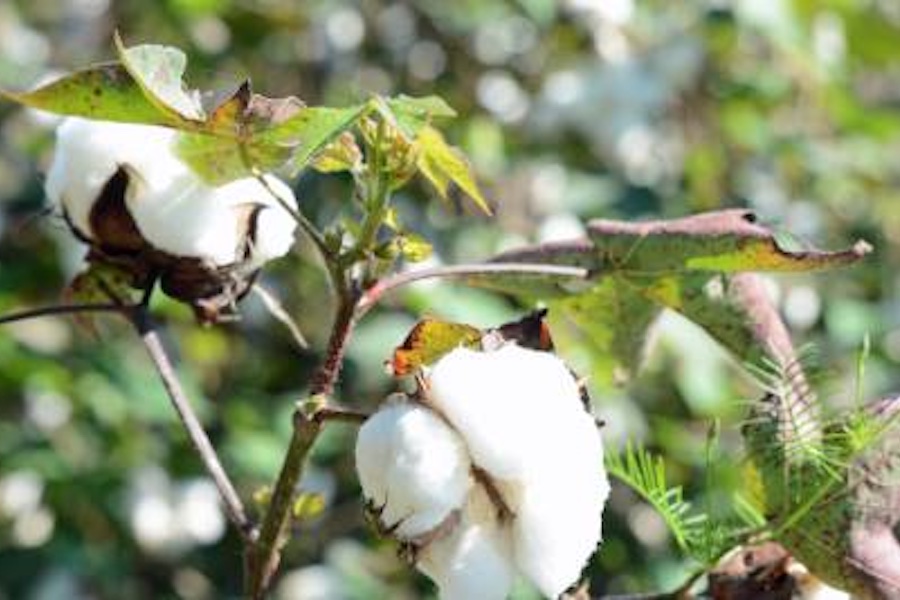
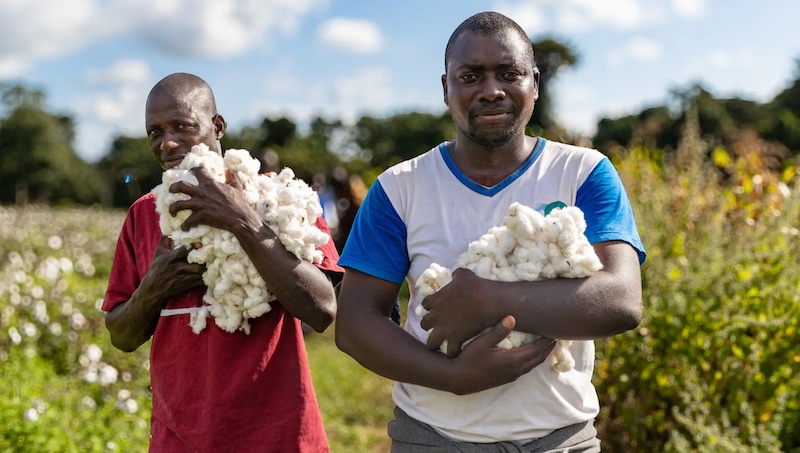
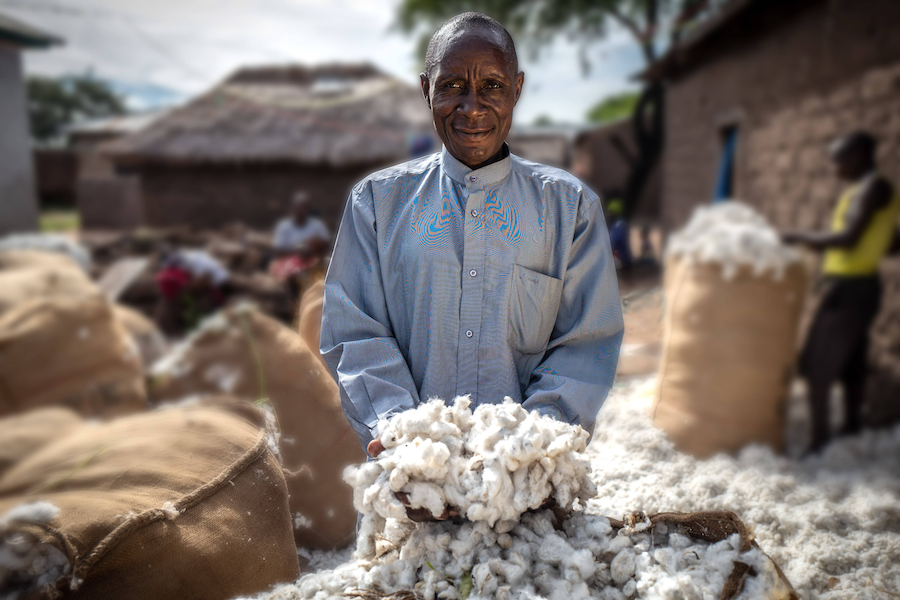
CmiA-Baumwolle © 2024 Martin J. Kielmann for AbTF


Cotton made in Africa® is one of the world’s leading sustainability standards for cotton, dedicated to improving the livelihoods of African smallholder farmers while safeguarding the environment. Through the integration of TextileGenesis’s Fibercoins™ technology, the collaboration ensures full traceability of CmiA cotton from the cotton bale to finished products, enabling brands to confidently verify their supply chains and uphold accurate sustainability claims.

This continuation of their collaboration builds on the success of the previous collaboration between TextileGenesis and AbTF on The Good Cashmere Standard®, focused on enhancing traceability, which launched earlier in 2024. The extension of this partnership to CmiA further strengthens both organizations’ efforts towards scalable and impactful sustainable practices in the textile industry.

“At Cotton made in Africa®, we highly value transparency and strive to create meaningful change for both nature and farming communities. By making CmiA cotton traceable through TextileGenesis, we empower brands already utilizing TextileGenesis to not only source ethically but also benefit from established tracking tools in their business practices. This collaboration promotes long-term sustainability for farmers, nature, and transparency while offering practical options for implementing traceability requirements within the industry,” said Christian Barthel, Head of Business Development at the Aid by Trade Foundation. “We are excited to expand our collaboration with the Aid by Trade Foundation and bring our cutting-edge technology to Cotton made in Africa®. This partnership empowers brands to ensure the integrity and sustainability of their supply chains, while also supporting the livelihoods of smallholder farmers in Africa,” adds Amit Gautam, founder and CEO of TextileGenesis.

The cooperation between TextileGenesis and Cotton made in Africa® empowers brands to confidently verify the origins of CmiA verified cotton, ensuring accurate sustainability claims while improving annual reporting. In addition, brands using TextileGenesis will have access to the industry’s largest supplier network, enabling them to track their entire production ecosystem, gaining comprehensive visibility across their entire supply chain—from fiber producers to third-party auditors. Through this new partnership, retailers and brands can benefit from two established tracking systems that provide transparency for CmiA-verified cotton from field to fashion, offering great flexibility in tracking their cotton. Those already collaborating with TextileGenesis benefit from using a single platform to manage traceability across multiple material sustainability standards, including Cotton made in Africa®. This streamlined approach improves efficiency and creates synergies across the supply chain. Others can continue to rely on CmiA’s own established SCOT system to monitor CmiA-verified cotton throughout their entire textile supply chain.

It is notable that 90% of material sustainability standards, including CmiA, have adopted TextileGenesis as their traceability backbone. This adoption highlights TextileGenesis as a single, easy-to-access platform for traceability across a variety of certified materials, making it the industry standard for ensuring authenticity and compliance across diverse certification systems.



More News from Aid by Trade Foundation (AbTF)

#Natural Fibers

The Good Cashmere Standard expands Animal Welfare Assessment on audited farms

With the Animal-related Animal Welfare Assessment (ARAWA), the Aid by Trade Foundation (AbTF) conducts a pioneering project for the second consecutive year in 2025, parallel to the independent verifications of The Good Cashmere Standard® (GCS). ARAWA assessments provide a comprehensive overview of the health status of a herd on an audited farm, going beyond standard verification procedures. They are inherently complex, which still makes them a rarity in the standard sector, but offer support in identifying non-conformities and provide a holistic overview of the herd's well-being. Therefore, the Aid by Trade Foundation will continue this crucial project and even further expand it by 2027.

#Raw Materials

Aid by Trade Foundation reaches new milestones in supply chain transparency

The Aid by Trade Foundation (AbTF) is reaching new milestones as it leads the way towards greater physical traceability for Cotton made in Africa® (CmiA) cotton. With around 700 suppliers and producers in a total of 25 countries, the Aid by Trade Foundation has reached a new record number of partners who can trace CmiA cotton from the product back to its origin. This is more than double the previous year’s figure.

#Natural Fibers

Cashmere producers stress the importance of The Good Cashmere Standard®

At the invitation of the Aid by Trade Foundation (AbTF), over 70 experts from the cashmere production and supply chain, as well as other specialists, met at the GCS Unit Meeting in Shanghai, China to discuss the progress and new objectives of The Good Cashmere Standard (GCS). The meeting focused on implementation and verification of the standard, important aspects of animal welfare and the importance of the standard in the global textile market.

#Natural Fibers

Aid by Trade Foundation publishes 2024 annual report: Growing impact for environment and people

The Aid by Trade Foundation (AbTF) is on a growth track. Despite a challenging global economy, AbTF increased its income by six percent from 2023 to 2024, reaching a total of EUR 8.6 million. This revenue has been invested in comprehensive measures for the sustainable production of cotton and cashmere as well as for expanded measures to ensure transparency in global value chains. In addition to gaining new partners in 2024—including big names like Mango, Nordstrom, and CWS Workwear—AbTF was able to expand its global stakeholder network active in the production of raw materials or textiles.

More News on Raw Materials

#Raw Materials

CSITC adds ABRAPA as a round trial sample provider

Beginning with the Q2 2026 Round Trials, the ICAC's Committee on the Commercial Standardization of Instrument Testing of Cotton has expanded its sample provision framework by adding the Brazilian Cotton Growers Association (ABRAPA) as an official sample provider.

#Raw Materials

Dr N Vigneshwaran is named 2026 ICAC Researcher of the Year

The International Cotton Advisory Committee (ICAC) is pleased to announce the selection of Dr N Vigneshwaran, Principal Scientist and Head of the Chemical and Biochemical Processing Division at the ICAR–Central Institute for Research on Cotton Technology (ICAR-CIRCOT), Mumbai, India, as the ICAC Researcher of the Year 2026.

#Raw Materials

Global Cotton area and production are projected to decline in the 2026/27 Season

The June 2026 issue of Cotton This Month projects a modest contraction in global cotton area, production, and trade during the 2026/27 season, reflecting weaker demand sentiment, rising production costs, and shifting environmental factors across major producing nations.

#Raw Materials

New U.S. cotton study uses real-world grower data to reveal where fiber impacts occur

Cotton Incorporated has released a critically reviewed life cycle assessment (LCA) of U.S. cotton fiber production that examines how cotton’s environmental impacts are measured and where meaningful improvements can be made across the value chain. The new data, grounded in real‑world grower inputs, measures what drives U.S. cotton’s environmental footprint from field to gin.

Latest News

#Associations

Keeping products moving with Swedish automation at FILTECH 2026

At FILTECH 2026, taking place in Cologne from June 30th to July 2nd, members of TMAS – the Swedish textile machinery association – will highlight how the country’s engineering expertise is enabling filtration manufacturers to increase productivity, improve traceability and reduce dependence on labour-intensive manual processes.

#ITM 2026

Global Mmeeting of textile technologies, ITM 2026, attracts great interest

ITM 2026, one of the world's most prestigious organizations in the field of textile technologies, opened its doors with the participation of over 1,000 companies and company representatives from 59 countries, as well as thousands of professional visitors from nearly 100 country. Attracting thousands of international visitors on its first day, ITM 2026 once again demonstrated its status as a global meeting point for the textile industry with its advanced technologies on display, newly established business connections, and record-breaking international participation.

#Recycling / Circular Economy

Countdown to Textiles Recycling Expo 2026: Brussels prepares for Europe’s textile recycling gathering

With only two weeks remaining until the start of the second edition of the Textiles Recycling Expo 2026, preparations are entering the final phase. The exhibition and conference, dedicated exclusively to textile recycling and circularity, will take place on 24–25 June 2026 at Brussels Expo and is expected to attract stakeholders from across the textile recycling value chain.

#Recycled Fibers

Indorama Ventures enables brands to scale circular textiles through proven, traceable supply chains

Indorama Ventures, a global leader in recycled polyester staple fibers and filament yarns, will exhibit at Textiles Recycling Expo in Brussels on June 24–25. At the event, the company will show how brands and textile manufacturers can build traceable, circular textile supply chains by working with proven partners who deliver recycled materials on an industrial scale.

TOP