[pageLogInLogOut]

#Raw Materials

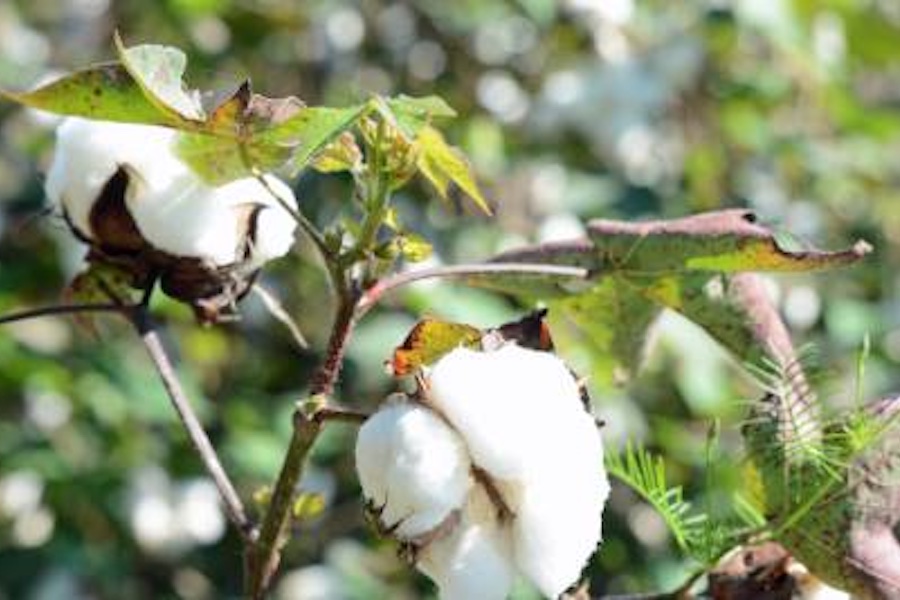
World Cotton Day on 7 October highlights the importance of cotton for development policy

Stemming from a 2019 initiative of the African Cotton-4 countries Benin, Burkina Faso, Chad and Mali, World Cotton Day will take place this year on 7 October. The event is organised by the Geneva-based World Trade Organisation (WTO) and is supported by the Food and Agriculture Organisation of the United Nations (FAO), the United Nations Conference on Trade and Development (UNCTAD), the International Trade Centre (ITC) and the International Cotton Secretariat (ICAC). The Bremen Cotton Exchange is also involved.

“Cotton is often underestimated because it is so natural. Behind it are millions of people, for example many farmers, field workers, employees in ginning factories, logistics providers and traders. We want to honour their achievements,” said the President of the Bremen Cotton Exchange, Stephanie Silber.

According to the WTO, the aim of World Cotton Day is to highlight the global economic importance of cotton and to raise awareness of the raw material by recognising the work of everyone involved in its cultivation, processing and trade. At the same time, within the framework of international cooperation, it is hoped that supporters and investors can be found to aid with technological and economic progress within the cotton value chain.

This time, the entire world cotton community will be involved in World Cotton Day on Wednesday, 7 October 2020. A wide variety of campaigns and events are taking place everywhere to draw attention to the importance of cotton and its possible uses.

Cotton is one of the most relevant agricultural raw materials in the world. Around 26 million tonnes of it are harvested annually. Approximately 150 million people in almost 80 countries around the world live from the cultivation of the natural fibre. A large number of these live in developing countries, where cotton cultivation is of particular importance as a cash crop.

Cotton is known as an agricultural product that is turned into a textile. The raw material is indispensable in fashion and clothing – and has been for thousands of years. But the use of cotton now goes far beyond textiles. For example, cosmetic products such as hand creams and hair shampoo are made from the oil of cotton seeds. The raw material is also used in the manufacture of banknotes, furniture and technical textiles, as well as in medical technology.


Stefanie Silber © 2020 Bremer Baumwollbörse

Against the background of the current discussion on sustainability and sustainable consumption, the role of natural fibres is becoming even more important. Cotton is biodegradable and a renewable resource. It can be grown again and again in agriculture through cultivation in crop rotation. This secures incomes and enables efficient value creation within the global production and processing chain.

The Bremen Cotton Exchange will actively support World Cotton Day with cross-media coverage. In addition, in time for World Cotton Day, three thematically different, emotionally appealing short films about cotton will be launched. They are aimed at consumers as customers of the textile and clothing trade and provide information about the benefits and properties of cotton and answer questions about its sustainability. In keeping with the times, they will be published via virtual media.


More News from Bremer Baumwollbörse

#Natural Fibers

38th International Cotton Conference Bremen launches registration and unveils key topics

Participants can now register online for the 38th International Cotton Conference Bremen, which will be held on 25-27 March 2026 at the Haus der Bürgerschaft parliament building on market square. All visitors can look forward to a high-calibre conference programme, numerous additional meetings and a valuable exchange of knowledge and information. The comprehensive range of topics covering the entire value chain will provide practical expertise, address current developments, answer key industry questions, and provide new impetus for the future.

#Natural Fibers

151st General Assembly of the Bremen Cotton Exchange

Economic change and personnel decisions were the dominant themes on the agenda of the Annual General Assembly of the Bremen Cotton Exchange on 26 June 2025. During the meeting, the new Executive Committee and Board of Directors of the raw material association, which is now almost 153 years old, were elected. Fritz. A. Grobien will take over as President.

#Natural Fibers

The 151st General Meeting of the Bremen Cotton Exchange on 26 June 2025

The General Assembly of the Bremen Cotton Exchange will take place in Bremen and online on 26 June 2025. All members, partners and friends of the association are cordially invited to attend this important event.

#Raw Materials

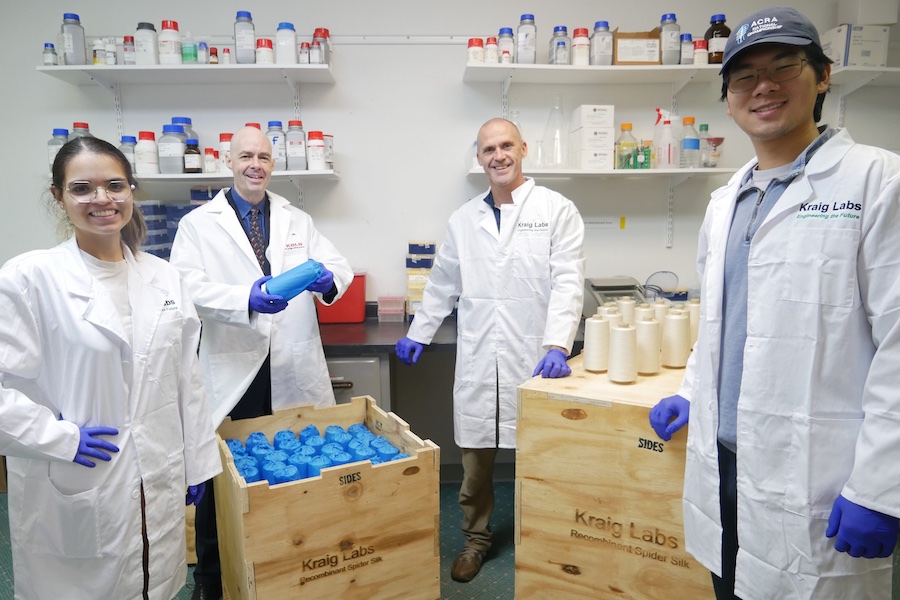
Cotton-supported study highlights potential dangers of microplastics in synthetic fibers

Microplastics are ubiquitous and evidence of serious harm is increasing. Studies have linked microplastics and nanoplastics to heart attacks, strokes and deaths, and microplastics have been found in the bone marrow of leukaemia patients and in the brains of dementia patients.

More News on Raw Materials

#Natural Fibers

Human Rights Day: Cotton made in Africa reinforces its commitment to ensuring respect for human rights in cotton production

The sustainable cotton standard Cotton made in Africa (CmiA) has always focussed on respect for human rights, including by prohibiting child labour and discrimination. With the new version of the CmiA standard coming into force, AbTF raises requirements for due diligence in the areas of human rights and risk management.

#Research & Development

How innovations drive BASF’s success

“Innovation has always been part of BASF’s DNA. Especially in these volatile times, it is crucial to leverage our innovative strength to develop competitive solutions that differentiate us as a company in our markets and give us a competitive edge,” said Dr. Stephan Kothrade, Member of the Board of Executive Directors of BASF and Chief Technology Officer, at the company’s Research Press Briefing held today. To achieve this, BASF implemented its “Winning Ways” strategy about a year ago with the clear goal of becoming the preferred chemical company to enable its customers’ green transformation.

#Natural Fibers

ICAC to collaborate with Uzbekistan and Bizpando on regenerative agriculture

The Government of Uzbekistan has allocated 55,000 hectares of land to implement a regenerative agriculture program for cotton as part of a collaborative project with the International Cotton Advisory Committee (ICAC) and Bizpando, a company with a a blockchain-based internet platform designed to ensure supply chain compliance.

#Natural Fibers

World Cotton Trade declined 4.1% in 2024/25, according to ICAC's 2025 World Cotton Trade Report

Washington, DC — The International Cotton Advisory Committee (ICAC) has released the 2025 World Cotton Trade Report, which covers trade developments in raw cotton since 1980. An annual publication, it provides analysis of world trade by region; import/export projections by country; matrices of trade flows; and seasonal estimates of export commitments to date.

Latest News

#Spinning

First PA66 spinning plant with EvoQuench successfully commissioned

With the successful commissioning of a multi-digit PA66 spinning line for microfiber yarns, Chinese textile company Shandong Nanshan Fashion Technology Co., Ltd. has added yarn production to its textile value chain.

#Knitting & Hosiery

SHIMA SEIKI returns to ShanghaiTex

Leading flat knitting solutions provider SHIMA SEIKI MFG., LTD. of Wakayama, Japan, together with its Hong Kong and Chinese market subsidiary SHIMA SEIKI (HONG KONG) LTD., will exhibit at the ShanghaiTex 2025 exhibition (Booth No.: Hall N3, Booth A20) held in Shanghai, China this month. This marks the return of SHIMA SEIKI to ShanghaiTex after a 14-year hiatus, its last exhibit at the show having been in 2011.

#Research & Development

Fraunhofer CCPE presents the “Monomaterial Design Set” – Innovative solutions for circular product design

Composite materials made from different types of plastic often extend the lifetime of products but make recycling more difficult in the circular economy. That is why Fraunhofer CCPE has developed the “Monomaterial Design Set”. This new approach helps to reduce the variety of plastics used in durable products and offers circular solutions for designers and product developers.

#Man-Made Fibers

arena introduces renewable LYCRA® EcoMade fiber in its latest swimwear collection

Italian swimwear specialist arena has unveiled a new collection that brings sustainability and performance even closer together. Launched on December 4, the line features swimsuits made from recycled nylon and renewable LYCRA® EcoMade fiber — the first time the bio-based spandex has been used commercially in swimwear.

TOP