[pageLogInLogOut]

#Raw Materials

Elastic cotton clothing made of 100% cotton

For many years now, polyester and cotton blends have been used to make clothing. In addition, elastane, also known as spandex or Lycra, is used as it emphasises the fit and provides comfort. This could change in the future, as the US research firm Cotton Incorporated, Cary, North Carolina, has now presented the market with 100% cotton elastic clothing fabrics.

The newly developed product is being marketed under the Natural StretchTM brand without the use of elastane. According to information provided by the supplier, the fabric offers the elasticity and comfort that consumers are used to from wearing long-standing products.

It is known in the industry that normal cotton fabrics already have a given elasticity of three to six percent. The material developed by Cotton Incorporated creates the increased stretch effect through a special mechanical manufacturing process. The material offers highly comfortable stretch properties in combination with the naturalness and softness of cotton. The material does not lose its elasticity when worn. The fabrics can be processed into shirts and blouses, as well as denim jeans, other trousers and skirts. According to Cotton Incorporated, there are currently licensees for the manufacture and sale of Natural StretchTM fabrics in Peru, Hong Kong, China, Taiwan, Thailand, South Korea and Indonesia.

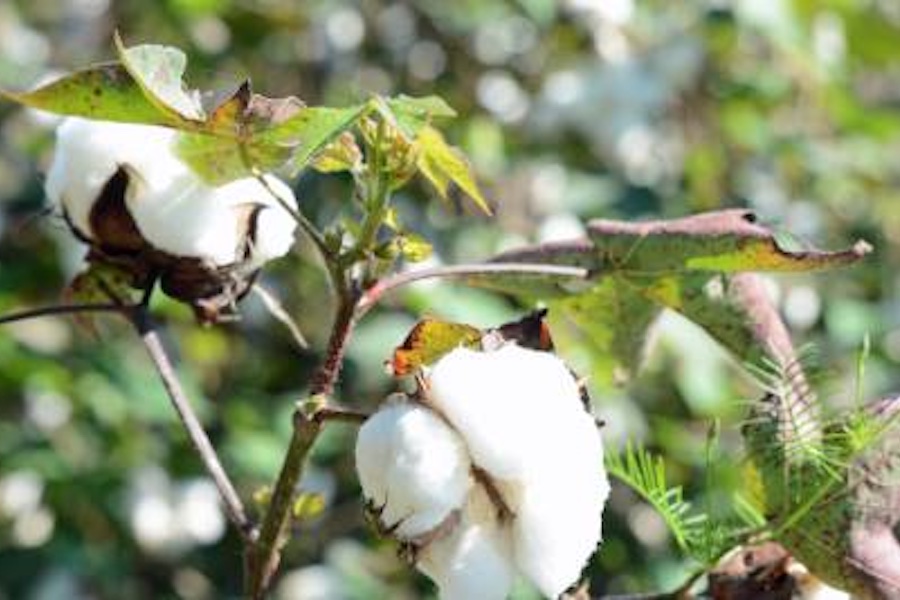
However, an additional innovation could provide a boost for change: The Commonwealth Scientific Industrial Research Organisation (CISRO), Canberra, Australia, is currently working on growing cotton seed or cotton plants whose fibres provide many of the attributes of manmade fibres such as elasticity, crease resistance, and water resistance, without restricting the natural properties of cotton.

Whether these innovations will prevail depends on the readiness of the clothing industry to deal with them and undoubtedly on changes in the fashion attitudes of consumers. Based on its observations, the Bremen Cotton Exchange assumes that issues related to sustainable production will play an increasingly important role in clothing purchasing in the future. Compared to manmade fibres such as polyester, cotton has the advantage that it is natural, renewable and biodegradable.

More News from Bremer Baumwollbörse

#Raw Materials

A Powerful Opening: Global thought leaders launch the International Cotton Conference Bremen

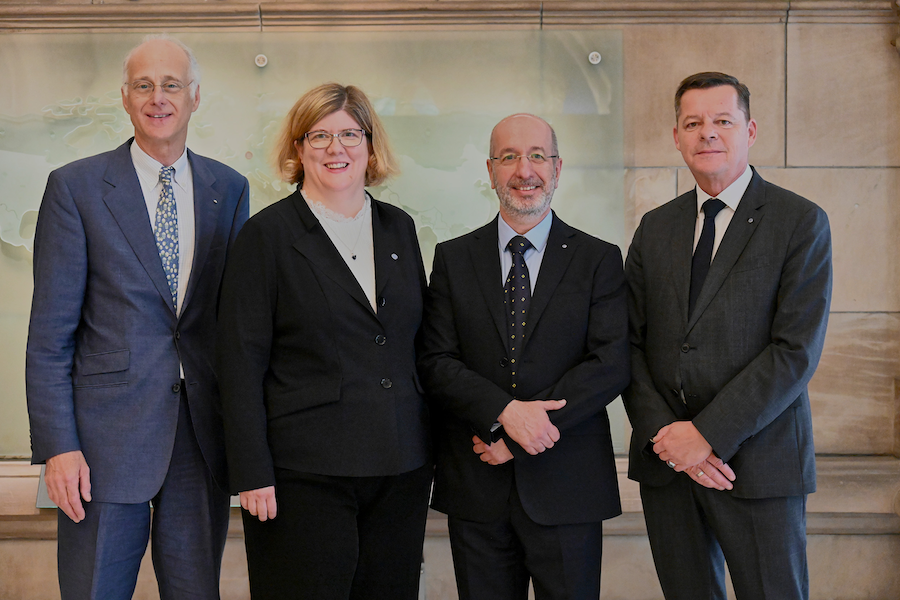
The International Cotton Conference Bremen will open on 25 March 2026 in the Parliament building of the Free Hanseatic City of Bremen with a keynote session of exceptional calibre. Distinguished international experts will set the stage for the conference by offering incisive perspectives on the most pressing challenges and the defining trends shaping the future of the global cotton trade. Their insights will span a broad spectrum — from geopolitically driven disruptions affecting global supply chains to the opportunities emerging from innovation-led agriculture capable of supporting a growing world population. Together, these opening keynotes will frame the dialogue of the conference, highlighting both the complexity of today’s market environment and the pathways toward a resilient and forward-looking cotton sector.

#Natural Fibers

Beyond Cotton: Natural Fibres in the Spotlight at the Bremen Cotton Conference - Branded by DNFI

Climate targets, fragile supply chains, and rising regulatory requirements are fundamentally changing the perspective of the textile industry - the focus is increasingly shifting toward the base material. Not only cotton, but natural fibres are gaining significant importance: they stand out not only because of their outstanding functional properties, but also because they make a valuable contribution to the bioeconomy and responsible product development.

#Raw Materials

Beyond the wardrobe – innovative cotton takes the spotlight

Cotton can do more – a lot more. Cutting-edge textiles and high-tech products made from 100% cotton prove just how powerfully performance and sustainability can come together. That very surge of innovation is front and centre at the 38th Bremen Cotton Conference, taking place March 25–27, 2026, at Bremen’s Parliament on the historic market square – culminating in a bold and dedicated closing session on Friday. In the spotlight: performance upgrades for pure cotton, smart strategies for circular textile waste solutions, and pioneering concepts for demanding technical applications. From natural fibre–reinforced composites to highly effective flame-retardant solutions, cotton steps out of the closet and shows the future potential woven into every fibre.

#Raw Materials

Modern testing methods for raw cotton

The 38th International Cotton Conference Bremen will take place from 25 to 27 March 2026 at the Bremen Parliament. This conference has traditionally stood for in-depth expertise and international exchange. The program will focus on technical innovations, market trends, and regulatory frameworks across the entire value chain – from agriculture to the circular economy. With high-profile speakers, the conference is regarded as the key meeting point for the global cotton industry. Today’s focus: Cotton quality and testing methods.

More News on Raw Materials

#Man-Made Fibers

Lenzing commissions 14 MW power‑to‑heat facility, strengthening grid stability and heat management

The Lenzing Group has successfully commissioned a new power‑to‑heat (P2H) facility with an electrical capacity of 14 megawatts. The installation converts renewable electricity directly into process heat, is fully integrated into the existing heat network at the industrial site, and represents a key building block for a fossil‑free heat supply. As project partner, VERBUND was responsible for the energy‑market integration and will operate the facility for balancing energy marketing, enabling it to respond flexibly to short‑term fluctuations in the power grid.

#Raw Materials

Kraig Biocraft reaches next step in production growth

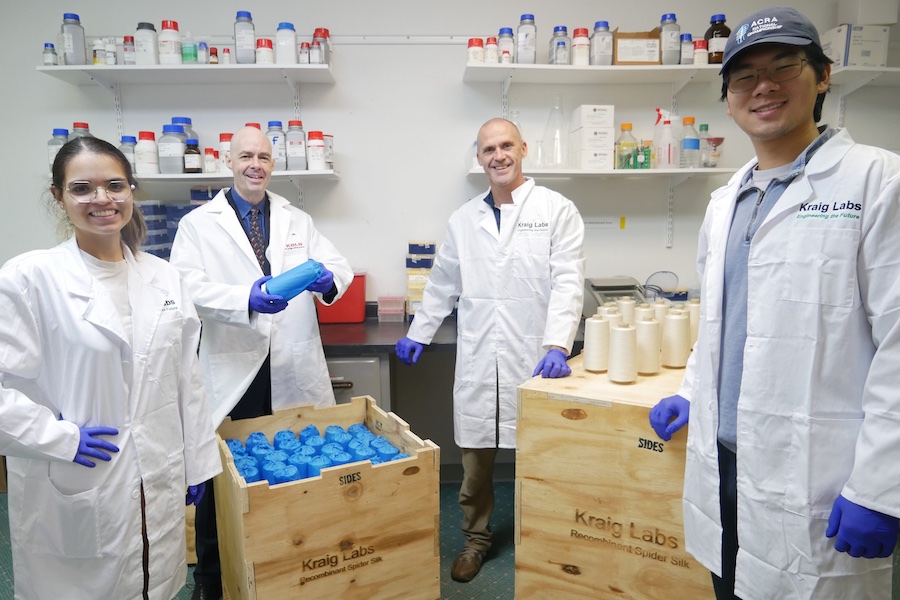
Kraig Biocraft Laboratories, Inc. (OTCQB: KBLB) (“the Company”, “Kraig Labs”, or “Kraig’s”), a world leader in spider silk technology*, today announced that it has produced more than 1.3 metric tons of recombinant spider silk cocoons in a single month. This is a new world record and shatters the Company’s previous production record by a factor of five. Today marks a pivotal step forward in the transition of spider silk from laboratory innovation to an industrial-scale material platform.

#Raw Materials

New study shows low environmental impact by Cotton made in Africa Organic Cotton from Tanzania

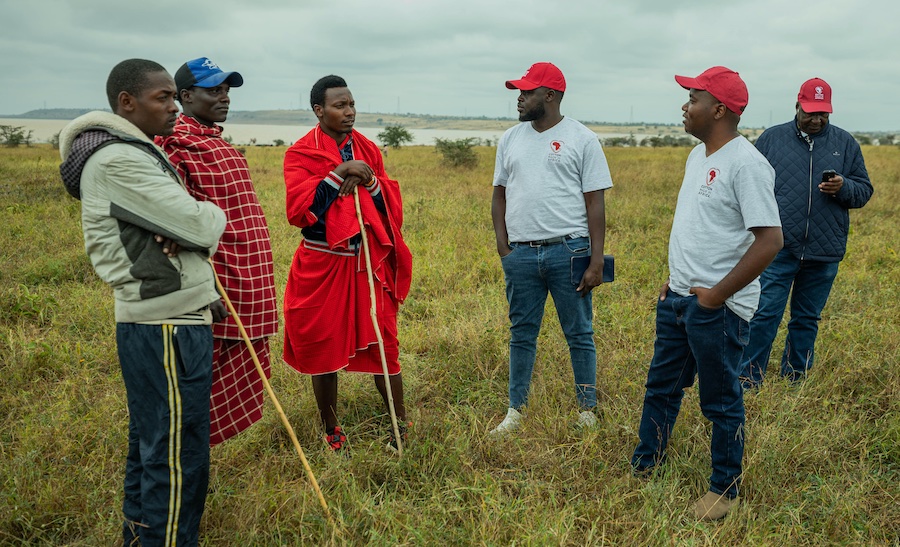
Today, the Aid by Trade Foundation (AbTF) is announcing the results of a comprehensive life-cycle analysis (LCA) for cotton produced in Tanzania under the Cotton made in Africa Organic (CmiA Organic) standard. The study emphasises the small ecological footprint of CmiA Organic verified cotton. This can largely be traced back to the absence of synthetic pesticides, artificial fertilisers, and artificial irrigation. Consequently, CmiA Organic cotton can help the textile industry meet regulatory requirements as well as science-based targets. The results also show that the consequences of climate change threaten the livelihoods of these cotton farmers, even though the type of agriculture they practise barely contributes to climate change.

#Raw Materials

Better Cotton Initiative strengthens regenerative focus in standard update

The Better Cotton Initiative (BCI) has strengthened the regenerative focus of its field-level standard with the launch of a new version of its Principles & Criteria (P&C), which marks the next step in the organisation’s journey to becoming a regenerative standards system.

Latest News

#Textile processing

NATULON® zipper series surpasses 50% of YKK’s global zipper sales

YKK Corporation (Headquarters: Chiyoda-ku, Tokyo; President: Koichi Matsushima; hereafter, YKK) announces that the global sales share of its NATULON® zipper series—zippers that incorporate recycled materials—has exceeded 50%.

#Smart Textiles

Covestro, FILK Freiberg, and OUT e.V. develop flexible, conductive polymer smart textile system

As the smart textiles market continues to grow across healthcare, personal protection, sportswear, and automotive applications, developers are seeking new ways to integrate electronic functionality directly into textiles, without the rigidity and complexity of conventional wiring. To address this challenge, FILK Freiberg Institute, an independent research institution with expertise in polymer coatings for textile applications, collaborated with Optotransmitter-Umweltschutz-Technologie (OUT) e.V. The joint project, funded under the German Industrielle Gemeinschaftsforschung (IGF) program of the Bundesministerium für Wirtschaft und Energie (BMWE), focused on developing flexible, conductive polymer surfaces for next-generation smart textiles.

#HIGHTEX 2026

Global growth in the technical textile sector drives interest in HIGHTEX 2026 to its peak

The continued steady growth of the technical textiles and nonwoven sector worldwide is increasing interest every year in the HIGHTEX Exhibition, one of the sector’s most important meeting points. In this strong growth climate, HIGHTEX 2026 International Technical Textiles and Nonwoven Exhibition, which will bring together the sector’s leading manufacturers, technology providers, and international buyers, is preparing to open its doors at Tüyap Fair and Congress Center on June 9–13, 2026.

#Techtextil 2026

RUDOLF is pioneering the future of technical textiles by developing innovative, functional solutions

At Techtextil 2026, RUDOLF presents its latest innovations for textile auxiliaries, textile care and construction chemicals. Based in Geretsried, Bavaria, the company draws on more than 100 years of experience and continues to position itself as a global technology partner focused on quality, innovation and sustainability.

TOP