[pageLogInLogOut]

#Other suppliers

Microfactory for filter bags developed in Sweden

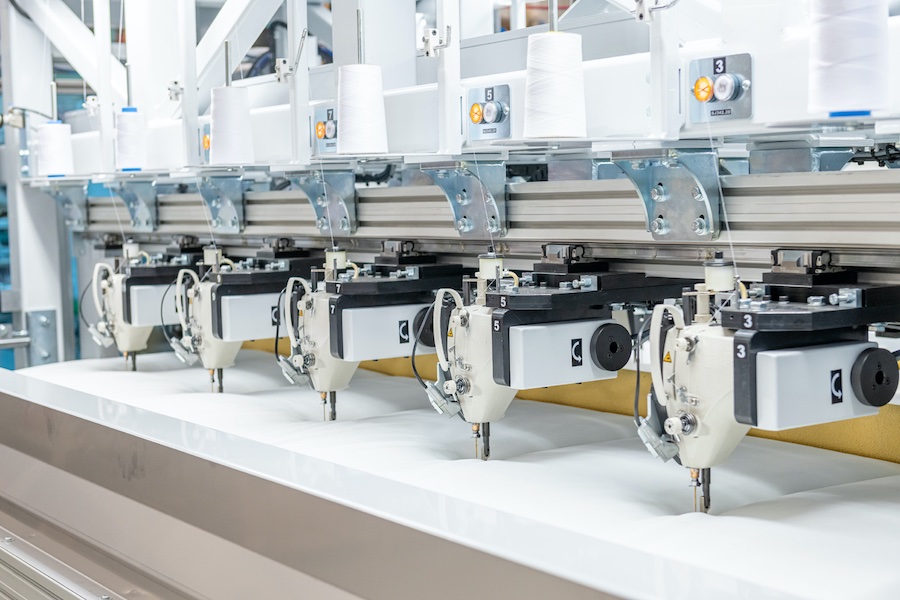
After an intensive few years of development, ACG Kinna Automatic and ACG Nyström – members of TMAS, the Swedish textile machinery association –have delivered the first microfactory for the production of fully finished filter bags to a major international filtration industry customer, in cooperation with JUKI Central Europe.

As a fully automated system, it promises to revolutionise the production of woven or nonwoven needlefelt filter bags which until now have rather surprisingly been assembled and finished in laborious and time-consuming cut and sew operations by third party suppliers.

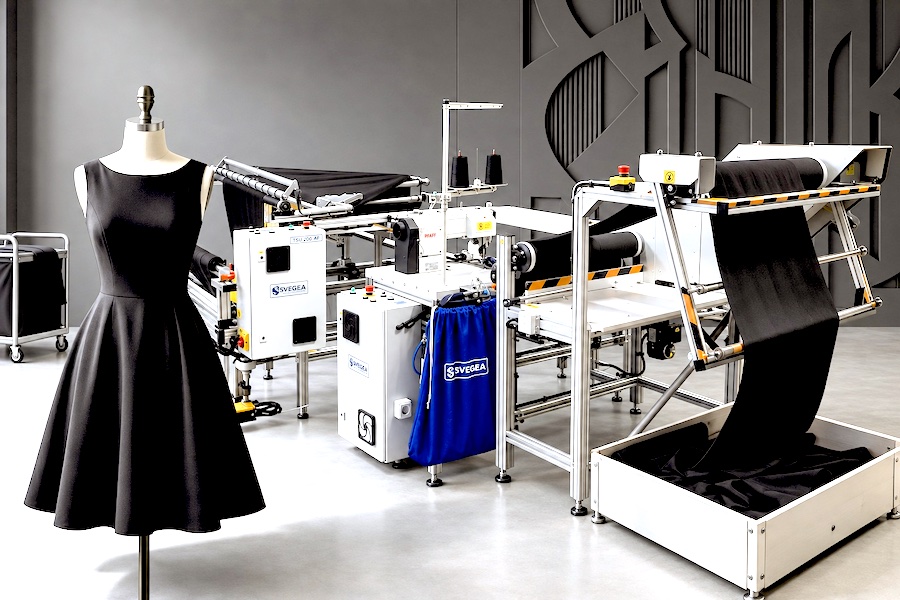
The microfactory’s configuration is based on two separate interconnecting modules – the Smart Filter Line (SFL) and the Filtermaster 2.0.

The SFL handles the fabric feeding from rolls and its folding prior to seam construction, which can either be by automatic sewing, welding or with sewing and taping, depending on specifications. Very rapid changeover of the modular seaming methods can be achieved during product changes. The specific size of the now fully-tubular fabric is then precisely cut to size for each individual unit and further folded ready to be fed into the Filtermaster 2.0.

The Filtermaster 2.0 then automatically attaches the reinforcement, bottom and snap rings onto the filter tube with a second Juki sewing head on a robotic arm, to form the fully finished filter bag ready for packaging.

“The automation of these essential steps is the real innovation we’ve achieved with this microfactory, eliminating the need for the many hours of labour-intensive manual work that has previously been necessary,” says ACG Kinna Automatic CEO Christian Moore. “The output is 120 finished filter bags per hour and the entire configuration is guided by precise automatic steering and alignment, with quality control handled by the latest high-definition vision cameras. 

“This type of automation is the way forward, not just for filter bags, but for many industries who heavily rely on such consumables in their operations,” he adds. “It makes sound economic and operational sense for the major filtration players to have such lines close to their individual operations – wherever they may be in the world – and to be self-sufficient and in control of their production, for just-in-time, guaranteed delivery.”
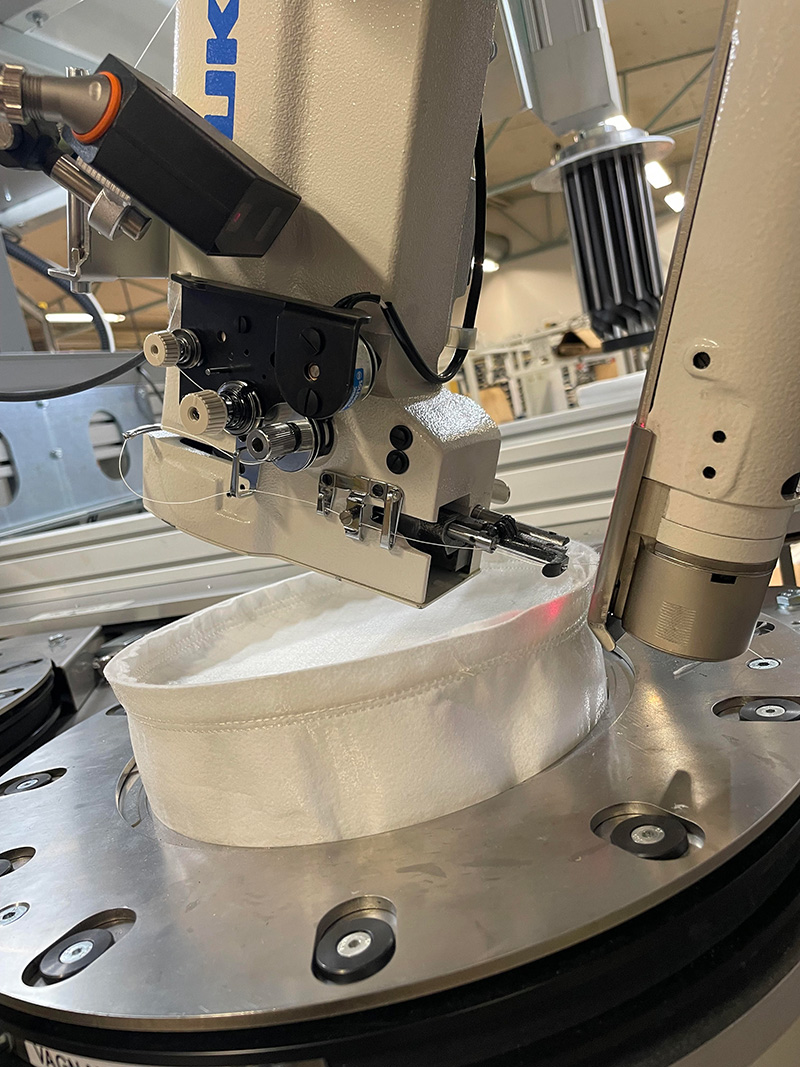
(c) 2024 JUKI
(c) 2024 JUKI


Under the radar

Filter bags are employed in a wide range of industrial processes and while they may be largely under the radar as products, they represent a pretty significant percentage of overall technical textiles production. 

They are used extensively, for example, in foundries, smelters, incinerators, asphalt plants and energy production plants. Other key manufacturing fields – often where dust is generated – include the production of timber, textiles, composites, waste handling and minerals, in addition to chemicals, food production, pharmaceuticals, electronics and agriculture.

As a further example of the scale of the industry and the high volumes of fabrics involved, one supplier has delivered a single order of 30,000 filter bags to be used for flue gas cleaning at a European power plant. The bags can also be anywhere up to twelve metres in length and frequently have to be replaced.

Many fields

“I continue to be surprised by the many fields of industry our TMAS members serve, and where automation can make the difference,” said TMAS Secretary General Therese Premler-Andersson. “The innovations coming from our companies are far-ranging and characterised by an advanced grasp of automation techniques and the need for more sustainable processing methods that is being demanded by their customers. There will be much more of this in the coming years.”
More News from Textile Machinery Association of Sweden

More News on Other suppliers

#ITMA Asia + CITME Singapore 2025

Asteks to meet the global market at ITMA ASIA + CITME Singapore 2025

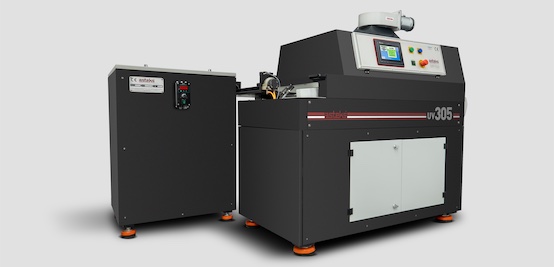
Getting ready to take its place at ITMA ASIA + CITME Singapore 2025 with advanced grinding solutions and a wide range of aprons and cots, Asteks is expanding its target for the Asian market. The company, focusing on strengthening relations with current and potential customers, will highlight the “Made in Türkiye” label with its innovative and competitive products.

#Dyeing, Drying, Finishing

WickView Moisture Management Tester recognized by new AATCC industry standard

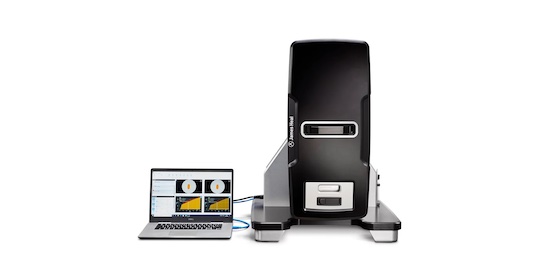
James Heal’s WickView Moisture Management Tester now has an official industry standard, with the new test method just released by The American Association of Textile Chemists and Colorists (AATCC), TM217-2025 – Liquid Moisture Management Vertical and Horizontal Wicking - Image Analysis.

#Other suppliers

New impulses for the textile care industry: Texcare 2024 supporting programme

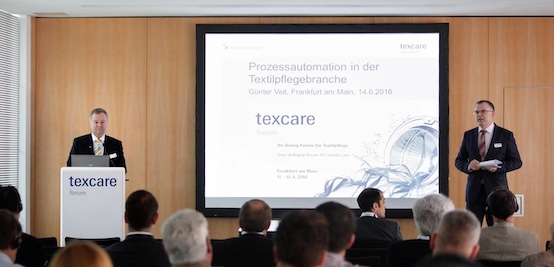
The focus of Texcare International 2024 (6-9 November) will be on the major challenges facing the textile care industry, including automation, energy saving, circular models and textile hygiene. Together with its partners, the leading trade fair has designed a supporting programme that can offer progressive impulses for the future of the sector.

#Other suppliers

Vickers Oils secures OEM approval from Lonati

Vickers Oils has announced a significant milestone in the company’s partnership with Lonati S.p.a., Italy; earning OEM approval for VICKERLUBE SOCK 46 needle oil.

Latest News

#Spinning

First PA66 spinning plant with EvoQuench successfully commissioned

With the successful commissioning of a multi-digit PA66 spinning line for microfiber yarns, Chinese textile company Shandong Nanshan Fashion Technology Co., Ltd. has added yarn production to its textile value chain.

#Knitting & Hosiery

SHIMA SEIKI returns to ShanghaiTex

Leading flat knitting solutions provider SHIMA SEIKI MFG., LTD. of Wakayama, Japan, together with its Hong Kong and Chinese market subsidiary SHIMA SEIKI (HONG KONG) LTD., will exhibit at the ShanghaiTex 2025 exhibition (Booth No.: Hall N3, Booth A20) held in Shanghai, China this month. This marks the return of SHIMA SEIKI to ShanghaiTex after a 14-year hiatus, its last exhibit at the show having been in 2011.

#Research & Development

Fraunhofer CCPE presents the “Monomaterial Design Set” – Innovative solutions for circular product design

Composite materials made from different types of plastic often extend the lifetime of products but make recycling more difficult in the circular economy. That is why Fraunhofer CCPE has developed the “Monomaterial Design Set”. This new approach helps to reduce the variety of plastics used in durable products and offers circular solutions for designers and product developers.

#Man-Made Fibers

arena introduces renewable LYCRA® EcoMade fiber in its latest swimwear collection

Italian swimwear specialist arena has unveiled a new collection that brings sustainability and performance even closer together. Launched on December 4, the line features swimsuits made from recycled nylon and renewable LYCRA® EcoMade fiber — the first time the bio-based spandex has been used commercially in swimwear.

TOP