#Nonwovens / Technical Textiles
The changing retail space for the hygiene sector in key African markets
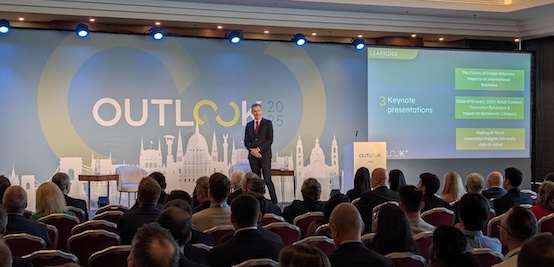
At OUTLOOK™ you will provide insight on the changing market space for the hygiene sector in African economies. How have you witnessed this evolution recently?
The changes in the African hygiene space have 3 main themes: the changing retail space, new regional players (and the end of P&G and KC domination in key markets) and opportunities in new product categories.
In retail we have seen increased interest in Africa by big European players like Carrefour moving very aggressively into French West Africa, Kenya and now indications are they already have a licence for South Africa. Before that we saw Walmart take a stake in Massmart in South Africa, as a way to have a foothold in the bigger regional retail opportunity. South Africa’s major retailers (Shoprite, Pick n Pay, Spar and Massmart) have all been establishing themselves in new markets north of the South African border. Choppies, a Botswana-based retailer, has been the fastest growing retailer in Africa, growing to above 250 stores spread across Southern, Central and East Africa in the space of a decade. Jumia has disrupted Africa’s e-commerce space, although it is still in its infancy.
Coming to the hygiene players and brands, the past decade has seen new brands becoming leaders in key markets, where Pampers and Huggies have always been the top two. In Nigeria we have seen Molfix become the market leader. Molfix is also a leading brand in Cameroon and has recently launched in Kenya. In Ethiopia we have seen Canbebe take over. New regional brands are emerging. Local manufacturing is also gaining momentum in key markets of Nigeria, Kenya and Ethiopia. There are also new leaders in other hygiene spaces and categories; Chandaria Industries is the biggest player in tissue in Kenya, with a growing appetite in feminine hygiene, while Wemy Industries is now the market leader in wet wipes in Nigeria. All these developments create new opportunities for equipment manufacturers, raw material suppliers and private label manufacturers.
And what are the specifics that are not comparable to other regions?
Unique developments that are not comparable to other regions include the challenges in the e-commerce space for example. E-commerce in other parts of the world is predominantly computer based. In Africa, the majority of transactions, led by Kenya, Nigeria, South Africa and Morocco, are mainly mobile phone based, leading to a whole new category of mobile-commerce. The challenges linked to the cost of the last mile deliveries in markets like Kenya and Nigeria are not to be under-estimated. Physical addresses are a big hurdle and raise the cost of delivery significantly. Some fintech start-ups have dedicated their focus to exactly these challenges and solutions are gradually beginning to surface.
Other initiatives that seem to be working very well include creating networks of collection points. Despite the rapid growth in more "modern trade" models, the informal channels, including the general trade, the independents and neighbourhood stores, are still in the majority. No hygiene brand can win in an African market by focusing on a modern trade framework alone. The informal channels, which may be as simple as a table top, will continue to be a key part of African retail for the foreseeable future. So important is the informal channel that we are beginning to see major retail players like Pick n Pay and Shoprite in South Africa seeking new opportunities and partnerships in this channel. Major modern trade players in other markets tend to stick to their craft and the informal market is hardly worth looking at. This is a purely African phenomenon.

Are there specific product sectors that are growing faster or have more potential? Can you speak to the regional variances within the African markets?
I personally believe that there is a big opportunity within the adult diaper space. The product is needed and penetration is still very low by global standards. The population is growing faster than anywhere else on the globe and disposable income is also improving. All these factors point towards growth and opportunity. And to maximise on the category opportunities even more, it may be important to think in terms of economic blocks (COMESA, ECOWAS, EAC or SADC) rather than individual markets or countries. When you can manufacture in one country, you can export to the other member states without paying customs duties or VAT. SADC region has worked very well in terms of allowing products that carry a SADC certificate to be exempt from duties when exporting. Other economic blocks may not have achieved SADC’s level of efficiency and smoothness in operation and practically.
The adult diaper category is growing, driven by how the category is slowly becoming more and more established in retail in most key markets. The developments of the African Continental Free Trade Area, although still in the infancy stage, also hold great opportunities for a hygiene manufacturer. Fem hygiene is another key opportunity that is growing and holds great prospects. We have seen several regional governments remove VAT on sanitary pads in recent years, acknowledging how sanitary pads are closely linked to socio-economic challenges of any economy. For that reason, it becomes easier to get the government authorities’ ear as an investor in this category, making the opportunity even more attractive.
What are the most impressive technical innovations or practical initiatives you’ve seen recently?
I would say the most practical initiatives that I have seen recently have been in the informal trade in the region. It is interesting the amount of investment and the technical capabilities and initiatives that the various Fintech companies are doing to improve how to do business, how to automate and simplify transactions and also how systems work and link into each other better. From micro-loans, new and better electronic products that improve processes and are more convenient and even the way these micro-businesses transact with big banks, things are improving. I expect in the long run the informal channel with become better and more regulated because the small players will begin to have a track record that investors can look at in order to offer them micro loans, which will improve the sector and in turn how brand owners can grow their brands in these channels and do business better. With electronic paper-trails, it will become easier for the taxman to collect taxes. Tax-paying informal traders will demand better of their municipalities. This may lift the standard of the channel in the long run.
And finally, are there other presentations at OUTLOOK™ that you are particularly looking forward to?
I am very keen to hear the current developments around sustainability and our industry and I see there are various speakers around this. I look forward to hearing more about it.