[pageLogInLogOut]

#Industry 4.0 / Digitalization

Yatas invests in Lectra solutions to optimize its cutting room

Lectra, the world leader in industrial textile cutting solutions, and Yatas Group, Turkey's leading furniture and bedding company, join forces with their knowledge and experience in cutting room optimization.

Yatas Group, one of the leading companies in the furniture and mattress industry with more than 1,400 employees and over 400 sales points, has chosen the new generation Lectra Vector cutting system for cutting room optimization. With this investment, Yatas aims to increase its cutting quality and efficiency, while optimizing its operations for the millions of mattresses, sofas and home textiles it produces each year.

Nuri Öztaskin, CEO of Yatas Group, recognizes that the Industry 4.0 transformation is accelerating day by day, in order to provide high standards and fast delivery in the industry. “Our collections stand out with their stylish design, quality and comfort, and for this reason, they are the preferred choice of consumers. Yatas Group has decided to invest in a smart industrial transformation that will increase the speed and efficiency of our production line and reduce fabric waste, in order to raise our standards even more. For this reason, we have chosen Lectra for our smart industry investments, entering into a solution partnership with the only brand in the world working with digital technologies in the cutting of industrial textile products. This new generation technology that provides more precise and faster cutting is a huge advantage. We have not only cut costs, but also aimed to improve the flow of operations and increase production capacity by maintaining the number of existing employees. By choosing Lectra, we increased our cutting room efficiency by 30%,” he says.

Zeynep Uluocak, Managing Director Turkey & Middle East at Lectra says, “Industrial transformation is increasingly more important in our industries, where costs are increasing day by day and profitable growth is harder to achieve. Post-pandemic developments in particular have made it no longer a choice, but almost a necessity, to invest in technologies that process materials without error and waste, minimize energy consumption, and measure efficiency in real time, in order to minimize the production costs of industries worldwide.


"As you know, fabrics make up 60% of sofa production costs, especially in this period where costs have increased due to the increase in exchange rates and transportation. It makes a huge difference to be able to reduce the consumption of fabric meters.

The biggest advantage Lectra offers this sector is the opportunity to save up to 5% in fabric consumption, with optimum placement of patterns and cutting technology with zero share in the cutting of fabrics. This yields significant cost saving results. In addition, Lectra not only provides a solution that greatly improves delivery times, thanks to its ability to cut 40% faster than competitive technologies, but also contributes significantly to productivity by avoiding human error and significantly reducing waste.

The main reason why furniture brands across the world and in Turkey prefer Lectra cutting room solutions are: production cost savings, fabric savings and energy consumption reductions, as well as error-free production and improved delivery times thanks to the right cutting quality, speed and efficiency. Fast delivery of upholstered furniture is the biggest competitive advantage in the industry today.

Yatas Group is a brand that strengthens its market leadership in every aspect with its investments in technology. Lectra, providing advanced solutions, high standards and fast delivery infrastructure in the cutting room, has further strengthened its leading position by investing in Industry 4.0 technologies. As a solution partner, we are proud of the contribution we have made to Yatas’ journey."
More News from Lectra Deutschland GmbH

#Industry 4.0 / Digitalization

Mango joins TextileGenesis pioneering traceability solution, a Lectra company, for a transparent value chain

Mango, one of the leading international fashion groups, has joined TextileGenesis, the pioneering traceability solution for the fashion and textile industries, to trace their natural and animal fibers, synthetics, man-made cellulosic fibers and leather. TextileGenesis, a Lectra company, offers a complete and secure cutting-edge technology with its six-dimensional (6D) offering and unique “fiber forwards” approach. Mango, has long been committed to maintaining a fully transparent supply chain, and TextileGenesis will reinforce this commitment.

#Textiles & Apparel / Garment

New Retviews study by Lectra: the luxury market in 2025, between margin protection strategies and new iconic pieces

After more than a decade of uninterrupted growth, the luxury fashion market is now experiencing a more pronounced slowdown. Global luxury goods sales have fallen from €369 billion in 2023 to €364 billion in 2024 (according to Bain & Co.), exposing the vulnerabilities of a model long supported by aggressive price increases.

#Recycling / Circular Economy

Recover and TextileGenesis collaborate to verify supply chain integrity of recycled materials

RecoverTM, a global producer of recycled cotton and cotton-blend fibers, has commenced a traceability collaboration with TextileGenesis, a Lectra company, to digitally track its recycled waste materials across the entire textile value chain.

More News on Industry 4.0 / Digitalization

#ITM 2026

Driving digitalization, efficiency, and Smart Manufacturing across textiles and carpets

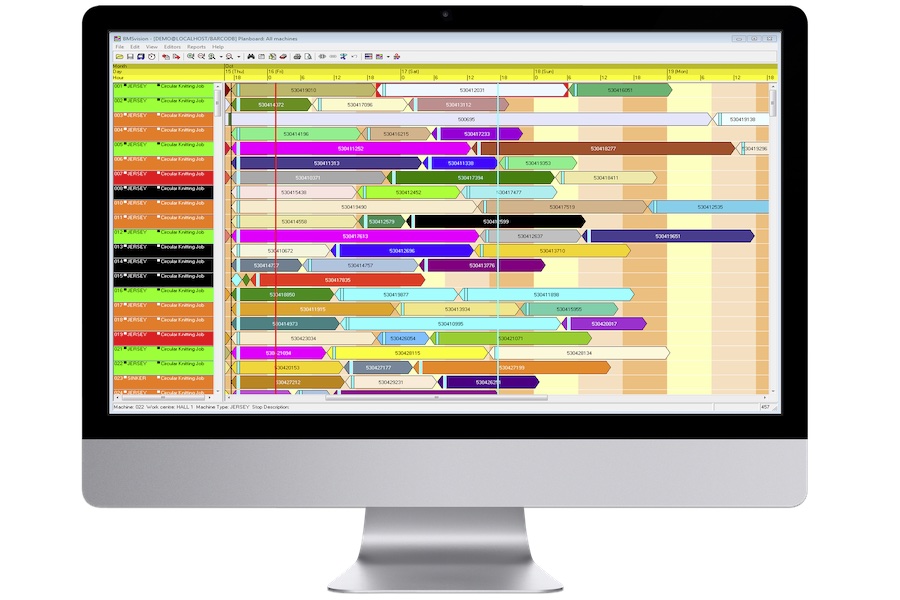
At this year’s ITM, BMSvision proudly showcases its next leap forward in digital manufacturing excellence. As a long-standing global pioneer in Manufacturing Execution Systems (MES) for the textile and plastics industries, BMSvision continues to accelerate digital transformation by delivering powerful, data-driven solutions that boost productivity, enhance quality and support sustainable growth. Visit BMSvision at the Vandewiele booth in Hall 7, Booth 710, to experience the future of textiles manufacturing.

#Industry 4.0 / Digitalization

Textile ETP launches digital transformation strategy, calling for urgent collective action across the value chain

Textile ETP’s DigitX Innovation Hub published its strategic roadmap for the digital transformation of Europe's textile and apparel industry.

#Research & Development

Textilfabrik 7.0 launched: Mönchengladbach becomes a real-world lab for sustainable textile production

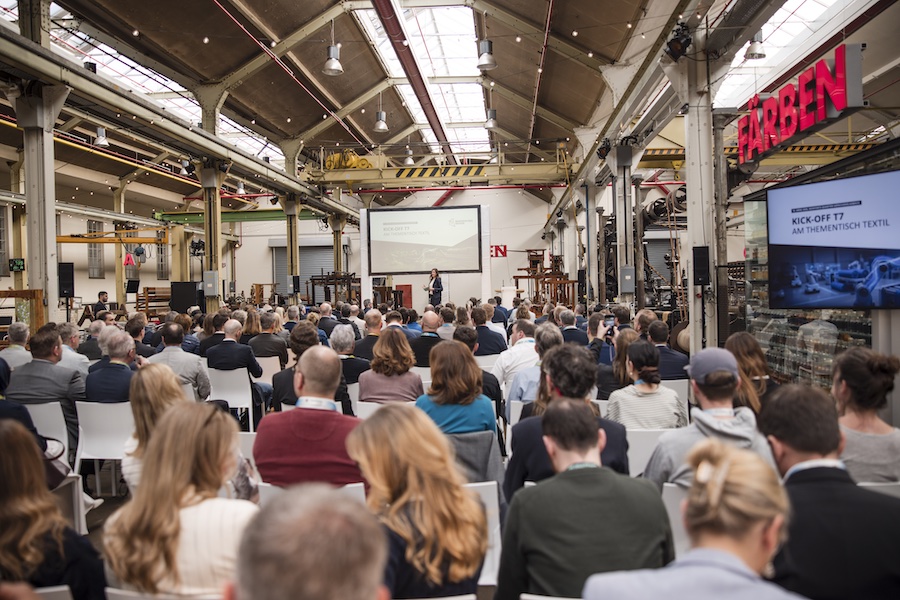
With the official kick-off event of the Textilfabrik 7.0 (T7), a major transformation project for the German textile and apparel industry has been launched in the Monforts Quarter in Mönchengladbach. At the “Textile Roundtable,” an event format organized by the Zukunftsagentur Rheinisches Revier, representatives from industry, research, politics, and the regional economy came together to jointly lay the foundation for CO₂-neutral, circular, and economically viable textile production in Germany.

#Man-Made Fibers

OnceMore® from Södra brings end-to-end traceability for circular Man-made Cellulosic Fibers (MMCF) using TextileGenesis

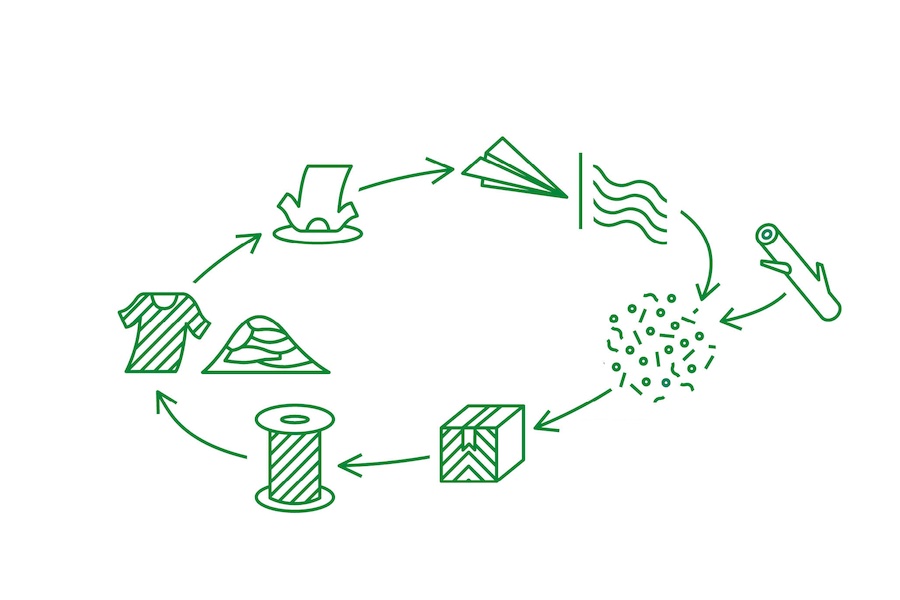
OnceMore® from Södra, the world’s first large-scale process for recycling blended fabrics into high‐quality dissolving pulp, will begin using TextileGenesis, a Lectra company, to strengthen traceability from raw material to retail across the value chain. OnceMore® produces dissolving pulp made from blended textile waste and wood sourced from responsibly managed Swedish forests. By integrating TextileGenesis, OnceMore® supports the growing need for verified data and secure, transparent tracking throughout increasingly complex supply chain.

Latest News

#Spinning

New spinning package with two-step filtration for recycled yarns and more

At the ITM in Istanbul, BB Engineering unveiled its new, patented ValuePack spinning package for the first time, which features a two-stage filtration system. This is particularly beneficial for re-cycling processes. Until now, spinning packs have used either metal powder (“sand”) or filter candles as filter media. Both options are suitable for differ-ent applications, and each has its own specific advantages and dis-advantages.

#ITMA 2027

ITMA 2027 gains strong momentum

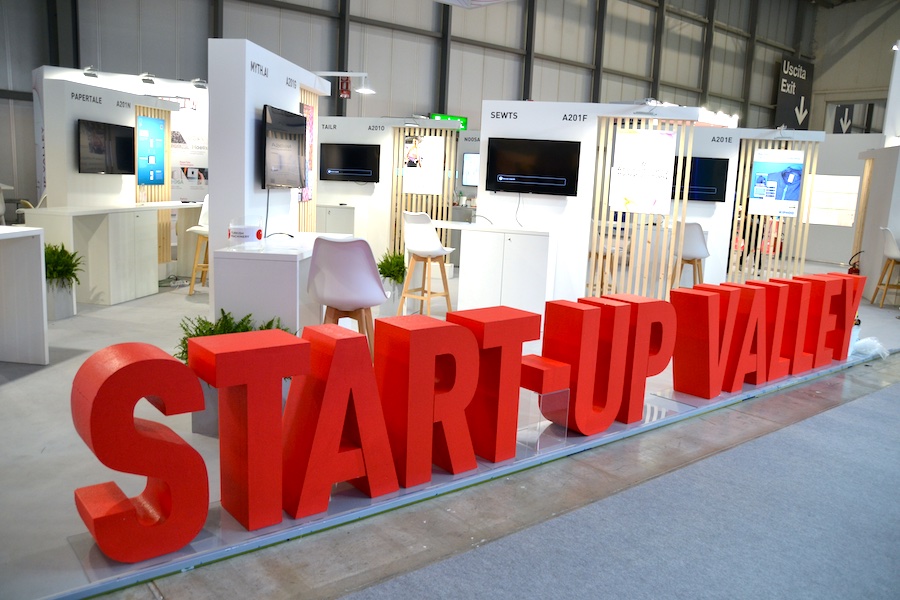
In line with the theme "Co-creating the future of textiles", ITMA continues to strengthen its support for start-ups, recognising their role in driving innovation and shaping the future of textile and garment manufacturing. Through the Start-Up Valley, emerging companies gain access to a global marketplace where they can connect with industry leaders, potential partners, investors and customers.

#ITM 2026

Positive market signals for KARL MAYER at ITM 2026

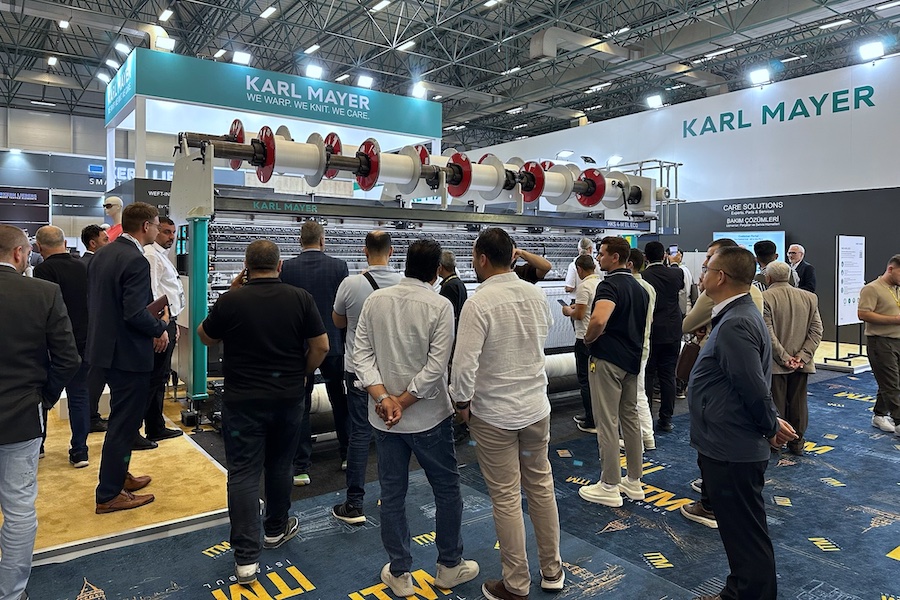
KARL MAYER is pleased with its participation as an exhibitor at ITM 2026. Faced with the challenges of rising domestic costs and fierce competition from low-priced Asian markets, the industry leader had traveled to Istanbul with mixed feelings – yet still draws a really positive conclusion.

#Associations

Mongolia: Workshop on Italian textile technologies kicks off in Ulaanbaatar

The workshop dedicated to Italian textile technologies will kick off in Ulaanbaatar from 21 to 23 June 2026. Focused on the most advanced innovative solutions for the textile industry, the initiative will bring together 13 Italian textile machinery manufacturers, confirming the growing interest in strengthening industrial cooperation between the two countries and highlighting Mongolia’s strategic importance for Italian textile machinery producers.

TRÜTZSCHLER SPINNING - THE NEW CARD
TOP