[pageLogInLogOut]

#Recycling / Circular Economy

Recover and TextileGenesis collaborate to verify supply chain integrity of recycled materials
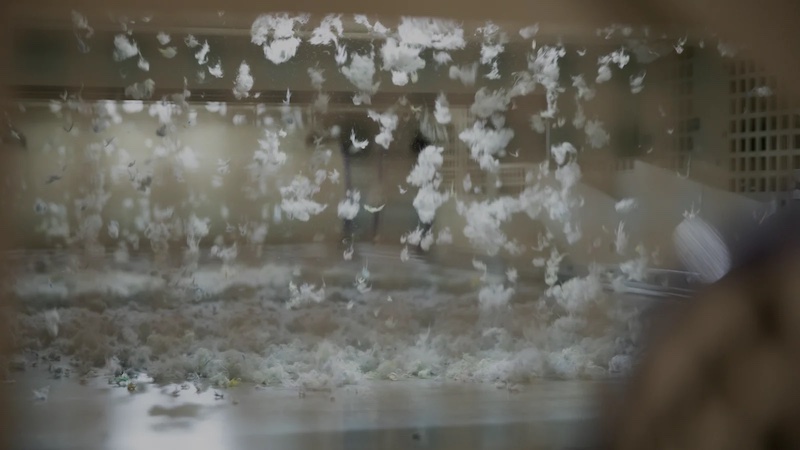
RecoverTM, a global producer of recycled cotton and cotton-blend fibers, has commenced a traceability collaboration with TextileGenesis, a Lectra company, to digitally track its recycled waste materials across the entire textile value chain.
© 2025 Recover
© 2025 Recover


The collaboration focuses on tracing Recover’s recycled cotton and polycotton inputs from fiber production through to finished garments. TextileGenesis’ FibercoinTM technology was used to generate digital tokens for every kilo of material, creating a verified chain of custody at each transformation stage.

The pilot marks a significant milestone in Recover’s circularity roadmap, demonstrating how digital traceability can validate recycled content, drive supplier participation, and enable regulatory compliance, particularly in preparation for the EU Digital Product Passport (:). This pilot with TextileGenesis' traceability solution is intended to complement Recover's existing physical tracer and GRS certification, adding another layer of traceability and transparency.

Following the industry pilot, RecoverTM and TextileGenesis intend to collaborate on implementing full fiber- to-retail traceability for RecoverTM recycled fibers across the entire textile supply chain.

Traceability as a foundation for circularity and regulatory readiness

Fiber-to-retail traceability will enable RecoverTM and its brand partners to access a verified digital chain of custody. This includes authenticated recycled content claims, integration with physical tracer audits where relevant, and visibility into supplier ESG credentials across the chain.

“Traceability plays a foundational role in validating circularity claims and preparing for regulations like the EU Digital Product Passport,” said Orsolya Janossy, Senior Sustainability Manager at RecoverTM. “This pilot will enable us to test the TextileGenesis system in real-world conditions. It will provide our brand partners with verified data to support responsible sourcing, product-level disclosures, and credible circularity claims.”

Delivering scalable traceability through supplier enablement and platform excellence

Recover’s supply chain partners are onboarded to the TextileGenesis platform with multilingual training and full technical support. Suppliers conducted transactions using robust FibercoinTM technology modules—resulting in a complete, transparent digital footprint for each unit produced. TextileGenesis’ ability to deliver structured onboarding, localized guidance, and responsive support was a key success factor.

The seamless coordination across multiple tiers and regions showcases Recover’s leadership in operationalizing traceability at scale—transforming a complex global supply chain into a fully transparent system. This is a meaningful step forward for circular fashion, proving what’s possible when technology, sustainability, and cross-industry collaboration come together.

“RecoverTM is demonstrating how traceability can be embedded into circular business models, not just to validate recycled content, but to create the verified data infrastructure needed for regulatory compliance and brand accountability,” said Amit Gautam, Founder & CEO of TextileGenesis. “This sets the foundation for scalable, digital traceability across the recycled fiber ecosystem.”


More News from Lectra Deutschland GmbH

More News on Recycling / Circular Economy

#Recycling / Circular Economy

HKRITA signs MoU with Jeanologia and Looptworks to establish the Green Machine Circular Textile Ecosystem

The Hong Kong Research Institute of Textiles and Apparel (HKRITA) yesterday officially signed a landmark Memorandum of Understanding (MoU) with two key global partners, Jeanologia and Looptworks, to establish the Green Machine Circular Textile Ecosystem – a first-of-its-kind collaboration to accelerate the large-scale recycling of blended textiles.

#Spinning

Object Carpet tests production of rPET BCF yarn on Neumag BCF line

In a joint project with Object Carpet GmbH, Denkendorf; the Institute for Textile Technology (ITA), Augsburg; and Next Generation Recyclingmaschinen GmbH (NGR), Feldkirchen, Austria, Barmag investigated the processing of recycled polyester for BCF yarn. The goal was to evaluate the fundamental suitability of 100% recycled carpet material for reuse in carpet yarn production to create a closed-loop system in carpet manufacturing. To date, commercial rPET BCF processes have been based solely on rPET from bottle pellets.

#Recycling / Circular Economy

Albany International reports progress with Cyclezyme on industrial textile recycling project

Albany International Corp. (NYSE:AIN) reports continued progress in the ongoing project with Cyclezyme AB, a leader in advanced enzyme-based plastic recycling, based in Sweden. The project exemplifies leading edge innovation in materials science, focusing on the development of enzyme-based recycling of industrial textiles primarily consisting of polyester and polyamide, where there is currently a significant lack of effective solutions for circular material flows. The objective of the project is to establish enzymatic processes for depolymerization and recycling of technical textiles and high-performance industrial materials.

#Recycling / Circular Economy

The textile industry in transition

Recycling, traceability, eco-design and digitalisation are among the key future challenges facing the European textile industry. The Erasmus+ project Skills4Circularity, involving 21 partners from twelve countries, is investigating the skills required to address these challenges. As the German industry partner, the Industry Association for Finishing – Yarns – Fabrics – Technical Textiles (IVGT) is bringing the industry’s perspective to the project.

Latest News

#Research & Development

2026 general meeting of the Friends and Supporters of RWTH Aachen at ITA

The Friends and Supporters of RWTH Aachen e. V. (proRWTH) looked back on a successful year of support at their 2026 general meeting. The meeting took place at Institut für Textiltechnik (ITA) of RWTH Aachen and was combined with a joint session of the Executive Board and the Administrative Board. Before the general meeting began, participants were given a guided tour of ITA, providing them with fascinating insights into current research and development topics in textile engineering.

#Natural Fibers

Cotton ConneXions Insight to Impact brings supply chain leaders together around cotton innovation

Cotton Incorporated’s Cotton ConneXions Insight to Impact brought together more than 300 industry leaders from 140 companies across 10 countries, including more than 45 top global brands and sourcing organizations, underscoring strong global interest in cotton-rich product development, sourcing and supply chain collaboration.

#Knitting & Hosiery

Footwear innovation enabled by warp knitting technology– insights from New Balance

The future of the athletic shoe is increasingly being shaped on warp knitting machines. For KARL MAYER, the footwear industry is one of the most important growth markets – and one of the sectors where innovative textiles can realize their full potential. In his keynote address at the opening of KARL MAYER’s TEXTILE INNOVATION CENTER in Obertshausen in April, Vishnu Prakash Muthusamy, Senior Textile and Materials Engineer at New Balance, explained the opportunities that warp knitting technology opens up for performance, sustainability, and faster development processes, and why textile manufacturers are transitioning from suppliers to development partners.

#Natural Fibers

Cashmere specialist joins AbTF Board of Trustees

The Aid by Trade Foundation (AbTF) is pleased to welcome Brian Yu, the chief executive officer of the Artwell Group, to its board of trustees. As CEO, Brian Yu developed Artwell into the world’s largest supplier of responsibly produced cashmere knitwear.

TOP