[pageLogInLogOut]

#Market Analysis & Forecasts

Global Lyocell fiber market (2021 to 2026) - Industry trends, share, size, growth, opportunity and forecasts

The "Lyocell Fiber Market: Global Industry Trends, Share, Size, Growth, Opportunity and Forecast 2021-2026" report has been added to ResearchAndMarkets.com's offering.

The global lyocell fiber market exhibited moderate growth during 2015-2020. Looking forward, the publisher expects the global lyocell fiber market to reach a value of US$ 1.6 Billion by 2026.

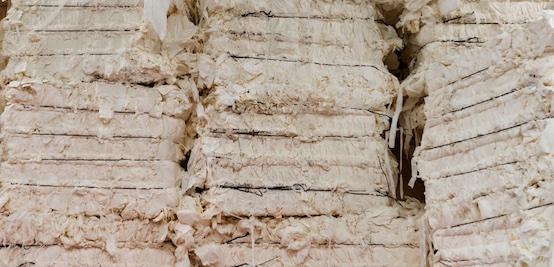
Lyocell fiber is a type of rayon produced from bleached wood pulp, also known as dissolving pulp, which contains cellulose. First developed in 1972, this fiber is manufactured using the process of dry jet-wet spinning. Lyocell fiber exhibits similar properties as other cellulose fibers, including ramie, linen, viscose rayon and cotton. It is lightweight, absorbent, breathable, soft, wrinkle-resistant, durable, capable of replicating a range of textures like silk, leather and suede, and can also be dyed in various colors. Nowadays, manufacturers are adopting natural practices to produce lyocell and eliminating the use of chemicals in the production to obtain organic certification.

Lyocell fabric is utilized in a wide range of industries, including fashion, textile, medical, and paper and pulp. Due to its versatility, lyocell fiber is used as a substitute for cotton and silk to make sportswear, shirts, bed linens, denim, T-shirts, trousers and towels. Its high absorbency profile makes it an ideal material for medical dressings. Apart from this, with the rising environmental concerns, the demand for lyocell fiber is escalating across the globe. Its main component, cellulose, is obtained from well-managed forests and its production does not generate by-products that are harmful to the health or the environment. Moreover, technological advancements have led to the manufacturing of lyocell fiber using advanced N-methyl morpholine-N-oxide (NMMO) technology, which is a simple, resource-conserving, and environment-friendly means of regenerating cellulose fiber.


Companies Mentioned

• Lenzing AG

• Acegreen Eco-Material Technology Co. Ltd

• Aditya Birla Group

• Baoding Swan Fiber Co. Ltd.

• Chonbang Co. Ltd

• Weiqiao Textile Company Limited

• Zhejiang Yaojiang Industrial Group Limited

• China Populus Textile Ltd.

• Great Duksan Corp.

• Qingdao Textiles Group Fiber Technology Co. Ltd

• Smartfiber AG

• Acelon Chemicals & Fiber Corp

Key Questions Answered in This Report:

• How has the global lyocell fiber market performed so far and how will it perform in the coming years?

• What are the key regional markets?

• What has been the impact of COVID-19 on the global lyocell fiber market?

• Which are the popular product types in the market?

• What are the key application segments in the market?

• What are the various stages in the value chain of the global lyocell fiber market?

• What are the key driving factors and challenges in the global lyocell fiber market?

• What is the structure of the global lyocell fiber market and who are the key players?

• What is the degree of competition in the global lyocell fiber market?

• How is lyocell fiber manufactured?


For more information about this report visit:

https://www.researchandmarkets.com/r/ejyjz2


More News from TEXDATA International

#ITM 2026

ITM 2026: The new geography of textile production

New production hubs are emerging across North Africa and Central Asia, while Türkiye is accelerating its transformation toward higher-value, technology-driven and more sustainable textile manufacturing.

#Research & Development

“Production is a product”

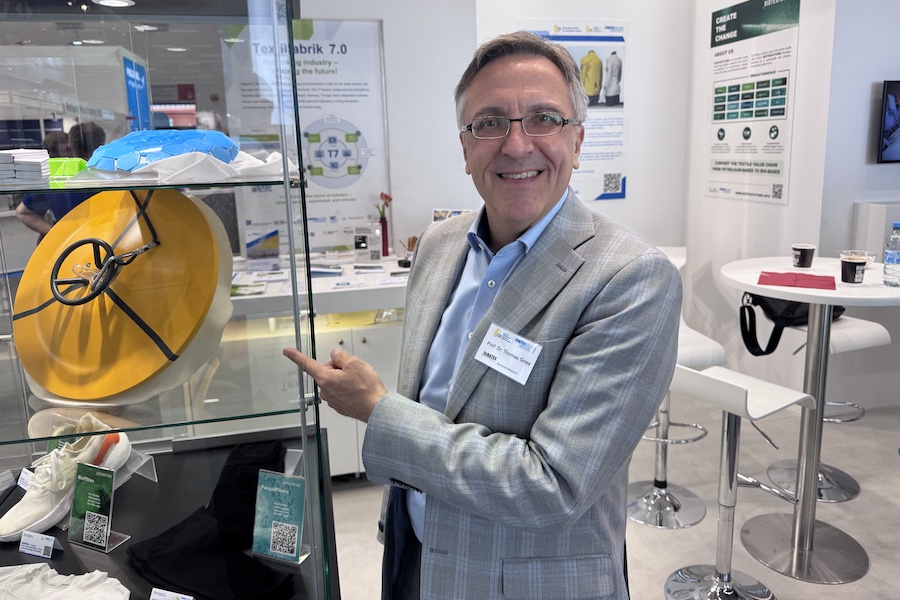
From technical textiles and AI-driven robotics to the limitations of textile circularity: Professor Dr Thomas Gries looks back on more than two decades of development at ITA Aachen. In the interview, he explains why production technology remains a decisive success factor, discusses international collaborations and innovation ecosystems, and shares his views on the transformation of production landscapes and the challenges facing an increasingly regulated industry.

#Knitting & Hosiery

“We need to move away from the price trap and return to a value-driven mindset.”

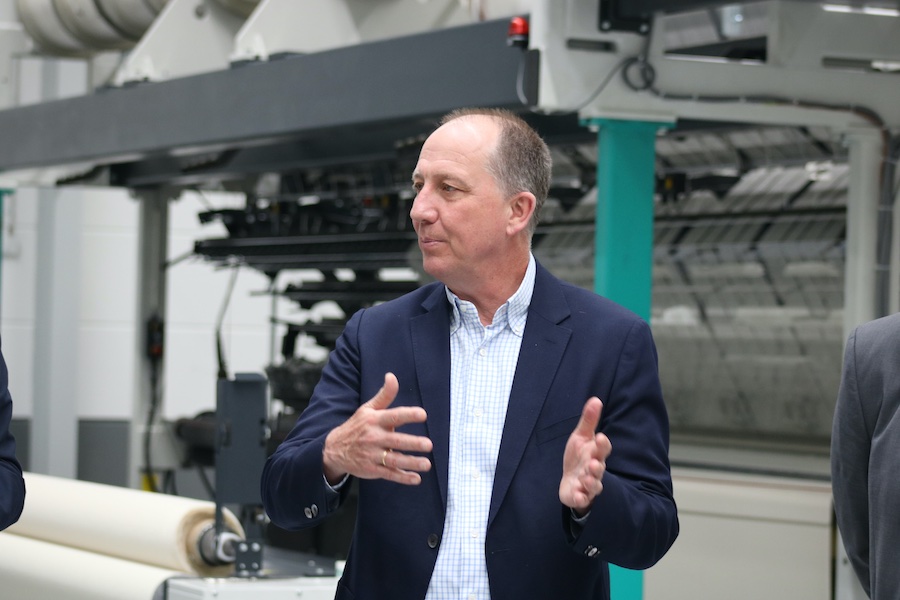
With its new Textile Innovation Center, KARL MAYER is sending a strong signal for innovation, collaboration, and the future of textile applications. In this interview, Karl Josef Mayer discusses new opportunities in warp knitting, the processing of staple fibres, recycling, the changing role of machinery manufacturers, and why the textile industry must once again focus more strongly on the value of textiles. by Oliver Schmidt

#Associations

“Innovation, resilience and international experience remain the great strengths of the Swiss textile machinery industry”

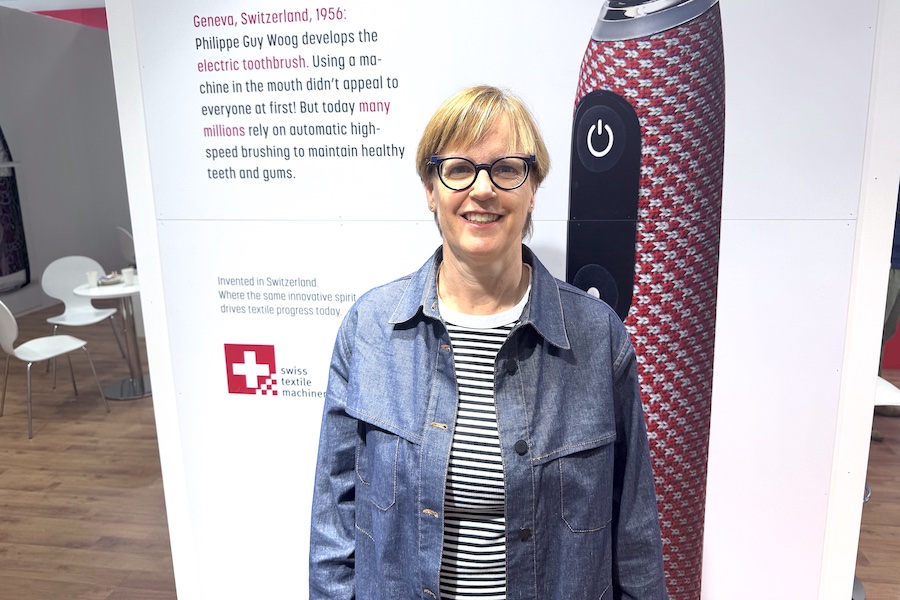
Geopolitical uncertainty, growing competitive pressure from China, new free trade agreements and the shift towards a circular economy are currently reshaping the global textile industry. In this interview, Cornelia Buchwalder discusses the current mood within the Swiss textile machinery sector, the industry’s distinctive innovative strength, new market opportunities in India and Asia, and the technological trends that could shape the upcoming trade fair cycle leading up to ITMA 2027.

More News on Market Analysis & Forecasts

Latest News

#Nonwovens

EDANA announces five new board members following 2026 Annual General Meeting

The EDANA Board of Governors is elected or re-elected at the Annual General Meeting by the member companies. The Governors are senior executives (business leaders) from member companies, based in different countries and representing different sectors of the nonwovens industry. The Board has central responsibility for guiding EDANA's overall strategy and approving its policies and priorities. It meets three times a year.

#Nonwoven machines

DiloGroup - Complete nonwoven needling line for hygiene materials in the United States

DiloGroup has received an order for a complete needling line designed for the production of hygiene materials in the United States. This project further strengthens our position in the American hygiene sector and reflects the continued demand for reliable, high-performance nonwoven equipment.

#Natural Fibers

Cotton made in Africa partners receive top marks in independent verifications

Cotton made in Africa® (CmiA) and CmiA Organic are two internationally recognised standards that aim to promote sustainable development in the African cotton sector south of the Sahara. To ensure the standards’ credibility among brands, retailers, and consumers, independent verifiers evaluate compliance on the ground. The verification results for 2025, now published in the Aggregated Verification & Implementation Report, were very strong: The verifiers awarded consistently very good remarks regarding management, people, prosperity, and the environment.

#Associations

Bangladesh: Italian textile machinery mission stops in Dhaka and Chittagong

Technological upgrading and the transition toward higher value-added production are driving the new Italian industrial mission to Bangladesh. This year, the mission will split between the country’s two main manufacturing hubs, where Italian manufacturers will meet the leaders of the local textile supply chain in two strategic stages: July 7th in Dhaka and July 9th in Chittagong.

TOP