[pageLogInLogOut]
USTER Think Quality

#Yarn & Fiber

RadiciGroup: concrete investments in sustainability.

At Domotex 2020, RadiciGroup introduced Renycle, a new range of products with recyclate content. The Group also announced the acquisition of a material recovery company.

RadiciGroup is starting off the new year 2020 under the banner of sustainability: the market launch of Renycle, a range of yarns obtained from recycled nylon, and the acquisition of Zeta Polimeri, an Italian company with thirty years’ experience in the recovery of synthetic fibre and thermoplastics. Both concrete actions fall within the Italian Group’s strategy aimed at environmental protection and meeting the requests of an increasingly demanding market.

At Domotex 2020 (Hall 11 C48), RadiciGroup has been exhibiting a number of innovative solutions for the recovered fibres sector targeted at fashion fabrics, furnishings and automotive applications. These new products are the result of the Group’s vertically integrated nylon production and the synergies among its various business areas, from chemicals to engineering polymers and synthetic yarns.

“We are working on a puzzle now close to completion,” said Angelo Radici, President of RadiciGroup. “Our Group has always made effort and investments to improve the sustainability of its products and processes. We have long experience in the recovery and reuse of the industrial scrap from our processes to give them a second life as secondary raw materials in the polymer industry. With these new products we are looking to take centre stage in the world of sustainable textiles.”

At RadiciGroup, all production scraps become resources. For some time, the Group has had the expertise to sort the various polymer scraps and select the most appropriate new use for each of them in the field of engineering polymers. Now, with Renycle, the Group has the analogous capability to produce yarn for the segments of textile flooring, rugs and fitted carpet, not to mention the most precious “Made-in-Italy“ fashionwear. Renycle reduces the need for new raw materials of fossil origin, thus decreasing the overall environmental impact, while providing same the high-level technical characteristics the market is accustomed to. Moreover, it is 100% recyclable at the end of its life.
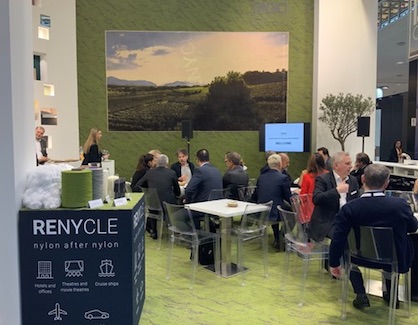
Promoting the new Renycle at Domotex (c) 2020 Radici


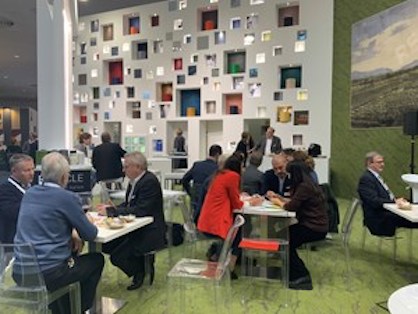
Radici at Domotex (c) 2020 Radici


The first preliminary measurements have shown that this new range of products features environmental performance that compares extremely favourably to virgin PA6 polymer. “RenycleTM allows for energy saving of over 87% and water saving of over 90%,” explained Nicola Agnoli, Manager of the RadiciGroup Fibres Business Area, “all the while maintaining the same quality performance. Moreover, CO2 emissions are reduced by almost 90%.”

The acquisition of Zeta Polimeri, an Italian company 100% focused on pre- and post-consumer material recovery, fits very well into the RadiciGroup sustainable innovation plan.

“We have collaborated with Zeta Polimeri for many years,” Angelo Radici added, “and we have come to appreciate their rigorous and competent approach to the selection and processing of materials. By combining their know-how with the synergies among our business areas, we can team up for the optimal reuse of process scraps and offer our customers high performance, sustainable products.”

Domenico Zulato, managing director of Zeta Polimeri, also expressed great satisfaction: “In RadiciGroup, we have found a partner that is both reliable and capable of ensuring the continuity of our business and, like us, equally concerned with environmental protection issues, particularly recycling and green energy, as well as product quality. Working together, we will be able to offer our services as a supplier of excellent raw materials made from recycled nylon scraps, not only to the polymer market but also to the textile industry.”
More News from Radici Partecipazioni SpA

#Recycled Fibers

Recycling mixed-fibre garments becomes a reality: RadiciGroup, The LYCRA Company and Triumph take circular fashion a step forward

The process, which is both economically and environmentally sustainable, has enabled the production of an underwear set made from 100% recycled nylon and LYCRA® fibre in a closed-loop system.

#Sustainability

RadiciGroup: 21st Sustainability Report published

RadiciGroup has published its 21st Sustainability Report, covering the year 2024, confirming more than two decades of transparency and measurement in the economic, environmental, and social dimensions. From its first Social Report in 2004 to the current reporting aligned with the GRI Universal Standards, the Group is now preparing for its next challenge: the adoption of the criteria that will be set out by the Corporate Sustainability Reporting Directive (CSRD).

#Recycling / Circular Economy

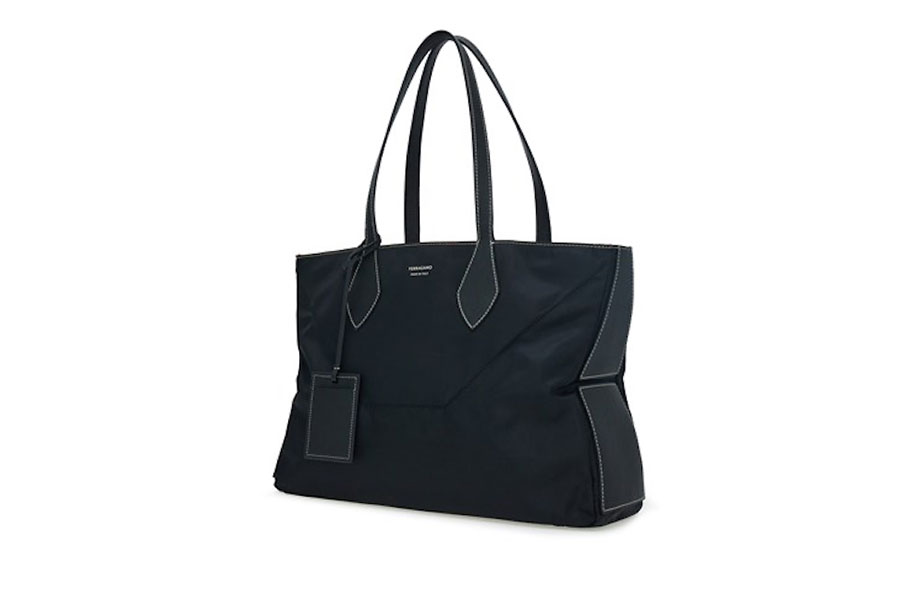
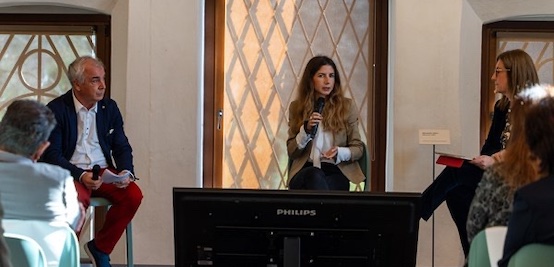
RadiciGroup and Ferragamo team up for an eco-design project under the Monitor for Circular Fashion initiative

RadiciGroup, a leading player in sustainable textile solutions, has partnered with Ferragamo to develop “Nova – The evolution of a Star”, an eco-design project that reimagines one of the Maison’s iconic handbags through the lens of circularity.

#Yarn & Fiber

Twenty years of Sustainability Report for RadiciGroup

The RadiciGroup Sustainability Report reaches an important milestone this year: twenty years have in fact passed since the Group published its first Social Report in 2004, qualifying it as one of the pioneering companies in the realisation of voluntary non-financial reporting. The document measures the Group’s achievements and the actions it has taken to reduce its environmental impact, respect social values, and implement good business management practices.

More News on Yarn & Fiber

#India ITME 2026

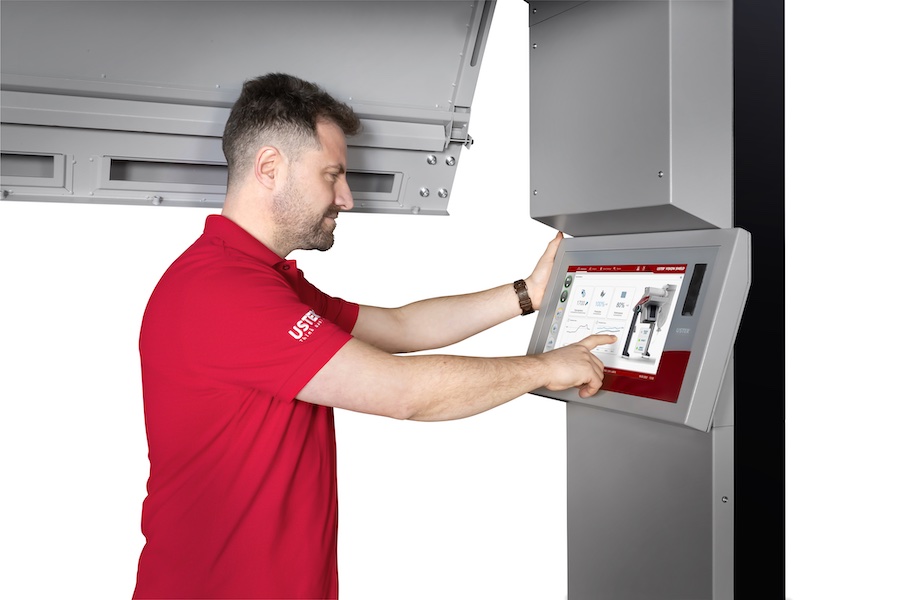
Uster to present novel solutions at India ITME 2026

Tackling contamination is a critical quality target in yarn production – and Uster now enables spinners to make the right choices for optimized profitability, with top technology, precise data and integrated analysis across the entire process. The new Uster Contamination Control solution and latest Uster Vision Shield 3i put spinners in command of contaminant removal, ensuring yarn quality, minimizing waste and protecting profits. These exciting developments – and even more news – will be featured at India ITME 2026.

#Man-Made Fibers

Lenzing improves profitability as strategic transformation gains momentum

The Lenzing Group reported improved operating profitability in the first nine months of 2026 despite declining revenue and a challenging market environment. Revenue decreased by 2.3 percent to EUR 1.93 billion, while adjusted EBITDA remained stable at EUR 353 million. The adjusted EBITDA margin increased from 17.9 percent to 18.3 percent, reflecting progress in the company's strategic transformation under its “Grow Nonwovens. Reset Textiles.” strategy.

#Recycled Fibers

C&A and Zalando join Altag® Fiber Club to accelerate adoption of agricultural waste-based fibres

Fashion for Good and AltMat announced today that C&A and Zalando have joined the Altag® Fiber Club as its first brand signatories, marking a critical commercial milestone in the journey to mainstream adoption of next-generation fibres derived from agricultural waste.

#Man-Made Fibers

Kraig Biocraft Laboratories launches performance yarn development program based on spider silk

Kraig Biocraft Laboratories has launched a development program for high-performance yarns based on its recombinant spider silk technology. The initiative follows the company's first commercial shipment of a custom spider silk yarn to a performance apparel customer and includes the delivery of spider silk samples to a textile technology company with experience in aerospace-related material development.

Latest News

#ITMA Asia + CITME 2026

Saurer showcases flexible spinning solutions from bale to yarn at ITMA ASIA + CITME 2026

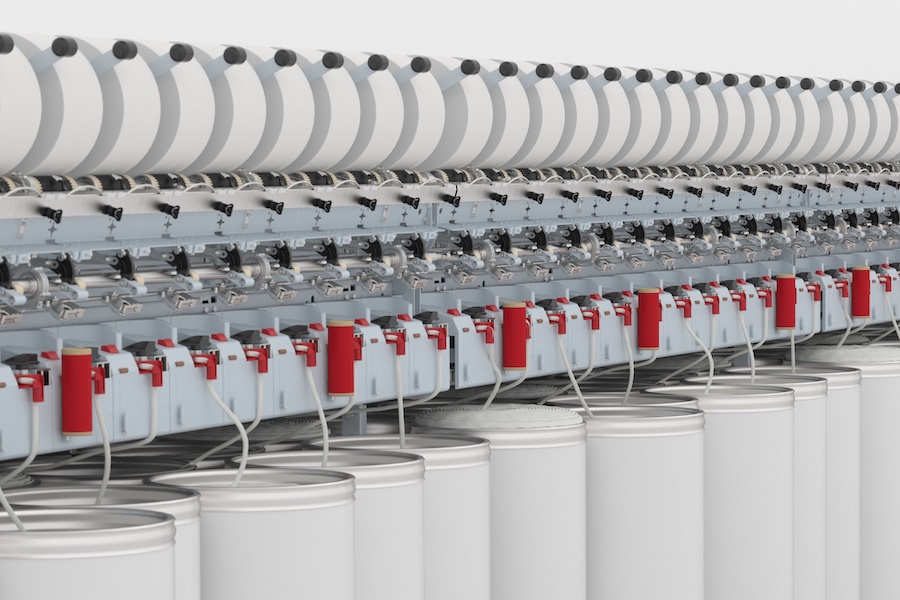
At ITMA ASIA + CITME 2026 in Shanghai, Saurer will demonstrate how its advanced technologies enable maximum flexibility across the entire spinning process, from bale to yarn and twisting. Visitors to hall 6.1, booth A58, can explore solutions designed to optimise production, improve efficiency and help mills respond quickly to changing market demands. Saurer's experts will be available to discuss individual production challenges and tailored solutions.

#Nonwovens

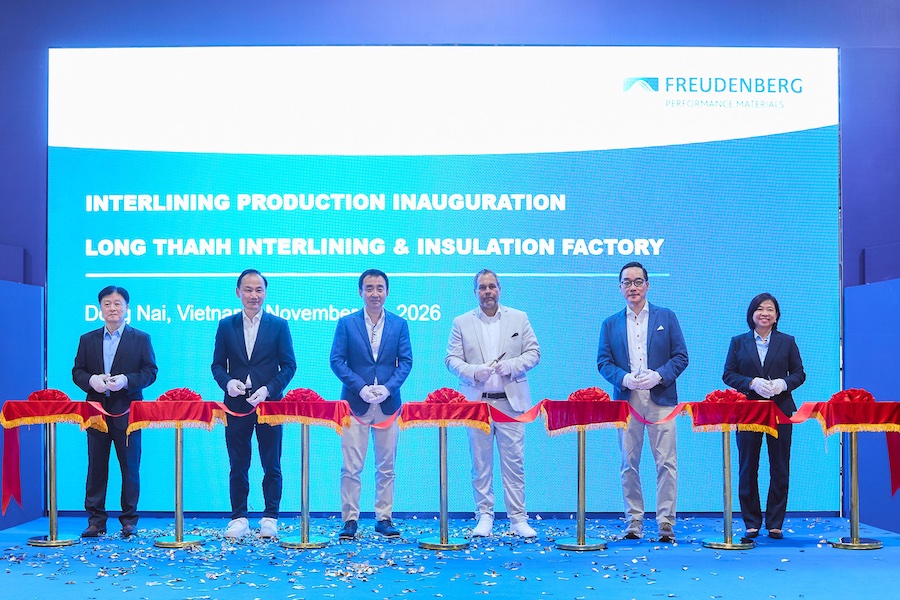
Freudenberg Performance Materials brings interlining production to Vietnam for faster regional supply

Freudenberg Performance Materials Apparel (Freudenberg Apparel) has expanded its manufacturing capabilities in Vietnam with local apparel interlining production at its factory in Long Thanh, Dong Nai. Apparel brands and manufacturers in Southeast Asia can now source both interlinings and comfortemp® thermal insulation from Vietnam, benefiting from shorter lead times, improved supply responsiveness, and consistent quality standards across Freudenberg Apparel’s regional manufacturing network.

#EU Textile Strategy

EURATEX and Egyptian industry groups sign textile cooperation agreement

The European Apparel and Textile Confederation (EURATEX) has signed a memorandum of understanding with the Apparel Export Council of Egypt (AEC), the Textile Export Council of Egypt (TEC) and the Egyptian Exporters Association (EXPOLINK). The agreement sets out plans to help Egyptian manufacturers prepare for EU sustainability requirements, promote investment and strengthen ties between European and Egyptian textile and clothing companies.

#Raw Materials

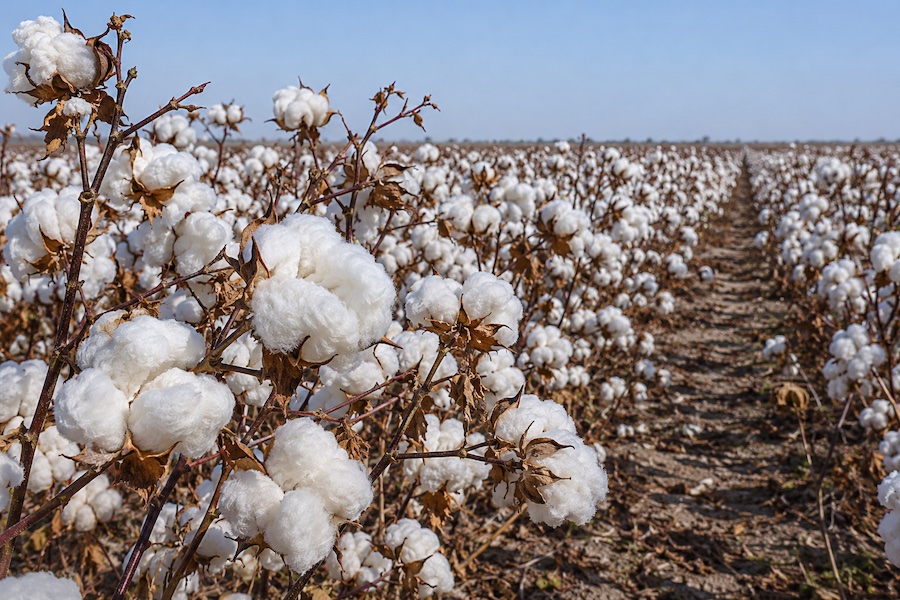
Cotton Brazil brings producers' perspective to EU textile sustainability debate

As the European Union develops new sustainability and circular economy policies, Brazilian cotton producers are seeking a stronger voice in the regulatory debate. From 16 to 18 November 2026, Cotton Brazil will hold a series of meetings in Brussels with European policymakers, industry representatives and agricultural stakeholders. The initiative aims to demonstrate how responsible cotton production can contribute to Europe's sustainability ambitions while ensuring that the perspectives of major producing countries are reflected in future policy frameworks.

TOP