[pageLogInLogOut]

#Textiles & Apparel / Garment

Milano Unica & C.L.A.S.S. join forces to activate the future of fashion through smart ingredients

C.L.A.S.S. is ready for another important synergy, with the aim of sharing its message of responsible innovation. The international eco-hub will join forces with Milano Unica to push the change towards a new generation of fashion through its C.L.A.S.S. SMART SHOP: the online space offering eco-high-tech materials representing a vast range of categories able to create a new generation of fashion.

Milano Unica, C.L.A.S.S. Area - Hall 8, 12-13-14 July, Fiera Milano

Born in 2018, it is dedicated to students, designers and new generation brands who want to explore and test premium materials mixing style, innovation and responsibility. All without minimums, all with high quality, transparency and responsible costs.

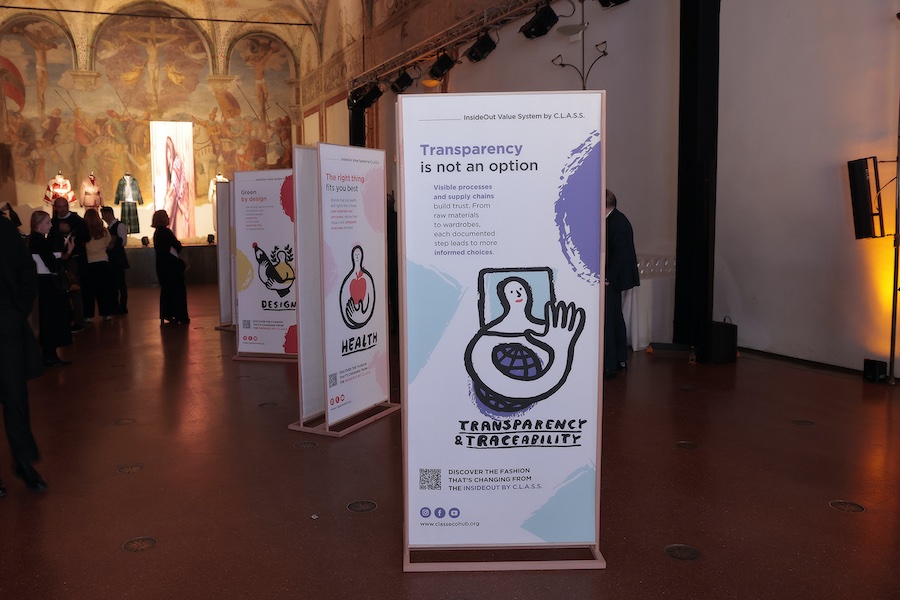
The C.L.A.S.S. Area – Hall 8 at Milano Unica will be an immersive journey of smart materials with advanced responsible solutions for the contemporary wardrobe, which include all the different expressions of textile ingredients: natural, transformed, innovative and back in the loop materials, giving everyone the possibility to create design, innovative and yet responsible products in line with their new generation of contemporary values.


“We are extremely pleased to be here at Milano Unica, the Italian fair for the ingredients of fashion, promoting a new generation of synergy to support and activate the change into fashion system enabling the new generation of designers, product managers, buyers, researchers and students with its number 1 education tool, the C.L.A.S.S. Smart Shop” Says Giusy Bettoni, Founder and CEO C.L.A.S.S. “We believe this is a valuable opportunity to share possibilities and chances with new the generations to start a conscious and yet innovative fashion product with a “learning by using” approach to the latest developments in smart materials”.

The C.L.A.S.S. SMART SHOP partners exhibiting at Milano Unica are: ALBINI GROUP - A03, BRUNELLO - C17 C19 C21 C23 C25, ILUNA GROUP - E08, IMBOTEX - INNOV.05 and ZIGNONE - C02.

More News from C.L.A.S.S. Eco Hub

More News on Textiles & Apparel / Garment

#Nonwovens

Freudenberg Performance Materials brings interlining production to Vietnam for faster regional supply

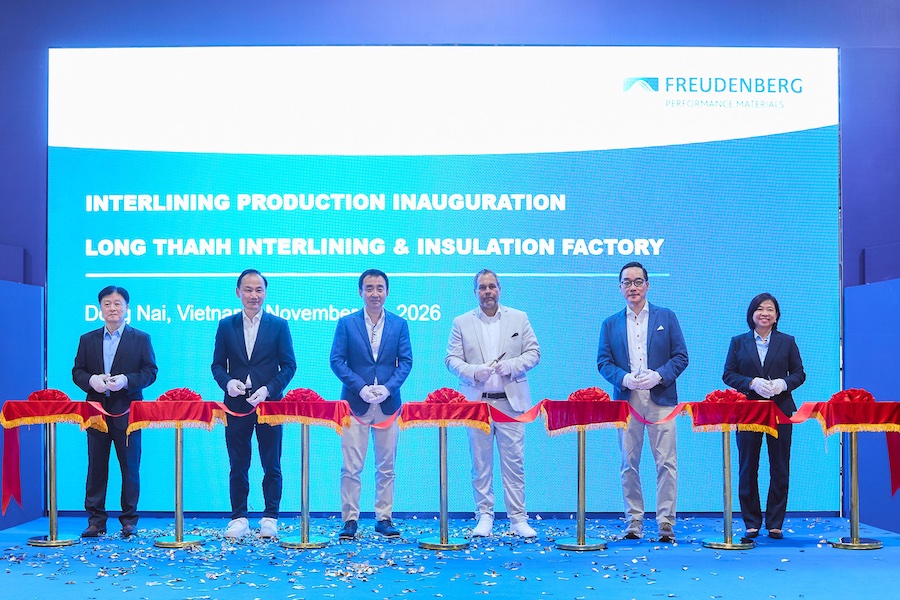
Freudenberg Performance Materials Apparel (Freudenberg Apparel) has expanded its manufacturing capabilities in Vietnam with local apparel interlining production at its factory in Long Thanh, Dong Nai. Apparel brands and manufacturers in Southeast Asia can now source both interlinings and comfortemp® thermal insulation from Vietnam, benefiting from shorter lead times, improved supply responsiveness, and consistent quality standards across Freudenberg Apparel’s regional manufacturing network.

#EU Textile Strategy

EURATEX and Egyptian industry groups sign textile cooperation agreement

The European Apparel and Textile Confederation (EURATEX) has signed a memorandum of understanding with the Apparel Export Council of Egypt (AEC), the Textile Export Council of Egypt (TEC) and the Egyptian Exporters Association (EXPOLINK). The agreement sets out plans to help Egyptian manufacturers prepare for EU sustainability requirements, promote investment and strengthen ties between European and Egyptian textile and clothing companies.

#Textile processing

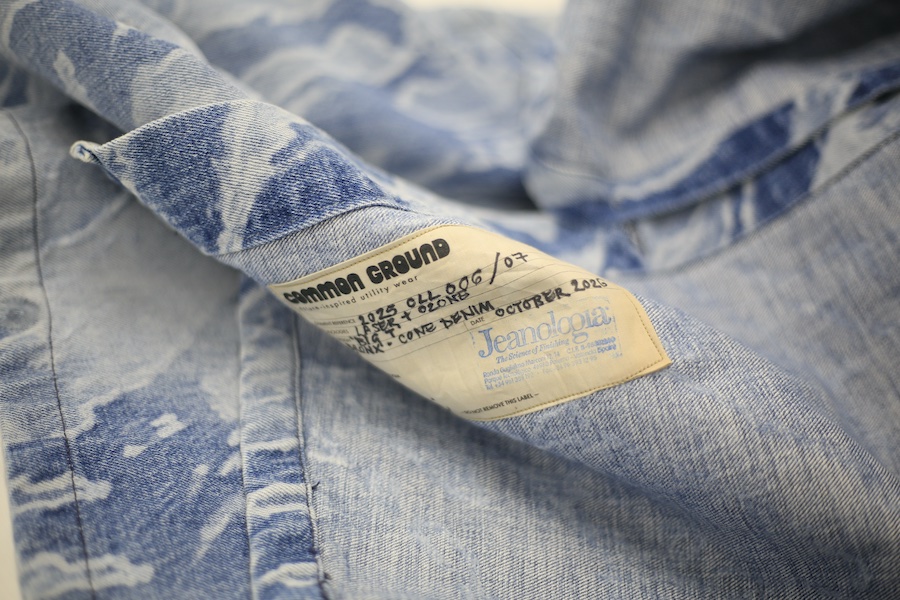
Jeanologia and Sue Barrett explore new interpretations of camouflage in COMMON GROUND

Jeanologia has collaborated with Sue Barrett, founder of Denim Forum, to create COMMON GROUND, a new denim collection that reinterprets camouflage through nature-inspired patterns, vintage garments and modern finishing technologies. Developed as part of Jeanologia’s Denim Métiers initiative, the project combines archival references and creative experimentation with laser and ozone technologies to explore new possibilities in contemporary denim design.

#Textiles & Apparel / Garment

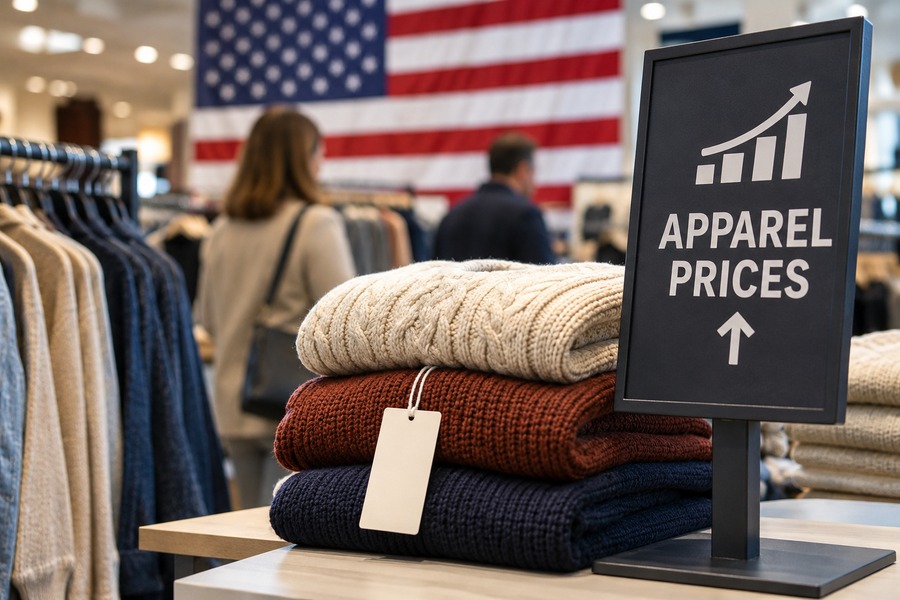
US apparel market: Rising prices, tariff uncertainty and resilient consumer spending

Cotton Incorporated’s Executive Cotton Update for November 2026 highlights a challenging economic environment for the US apparel market. While tariff uncertainty, elevated inflation and weakening real wage growth continue to put pressure on consumers and sourcing decisions, clothing expenditure remains surprisingly resilient. Inflation-adjusted spending on garments increased by 4.8% year-over-year, more than twice its long-term average.

Latest News

#Digital Printing

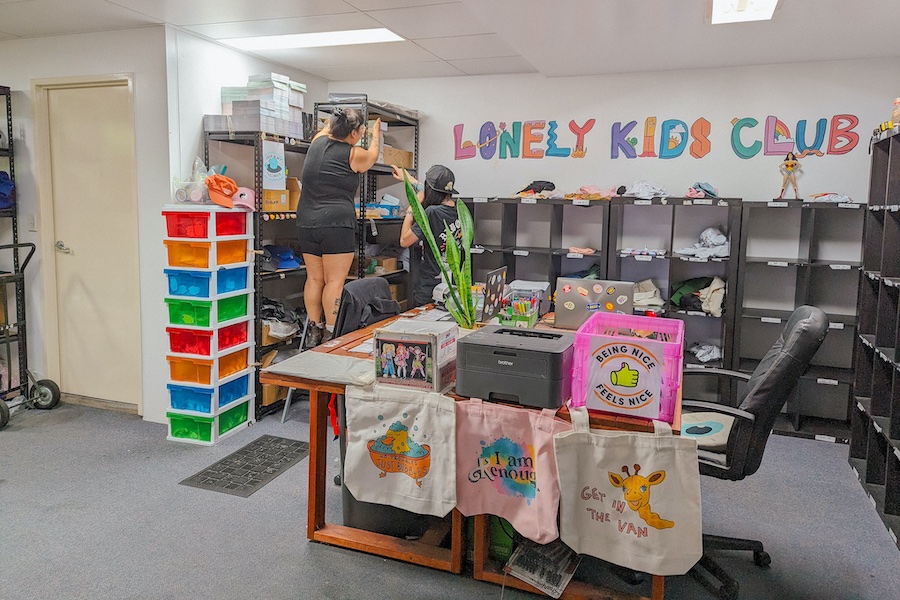
From a bedroom startup to 3,000 designs: How Lonely Kids Club built its business with DTG printing

Founded in Sydney in 2011, independent clothing label Lonely Kids Club has grown from a bedroom startup into a business offering around 3,000 graphic T-shirt designs. With its own production studio, direct-to-garment printing and a demand-driven manufacturing model, the company demonstrates how smaller apparel brands can combine creative independence with flexible production – while navigating the everyday challenges of quality control, workflow efficiency and sustainability.

#Recycled Fibers

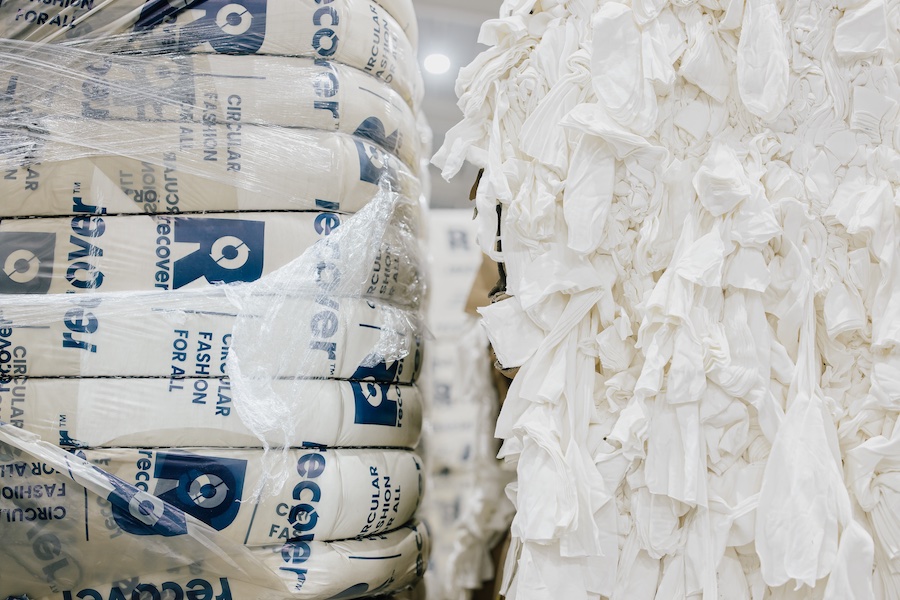
Recover and SUPIMA partner to develop recycled Pima cotton fibers and yarns

Recover and SUPIMA have partnered to turn waste from SUPIMA cotton production into a new line of recycled fibers and yarns. The collaboration will explore how recycled American-grown Pima cotton can be used in a wider range of yarns and garments for the premium market.

#India ITME 2026

India’s textile industry: Current position, growth targets and industrial development

With ambitious export targets, major investments in manufacturing infrastructure and new international trade agreements, India is pursuing a comprehensive development strategy for its textile and apparel industry. An overview of the industry’s current position, government initiatives, progress achieved and challenges ahead.

#Weaving

“A complex design is only useful if the machine can reproduce it consistently”

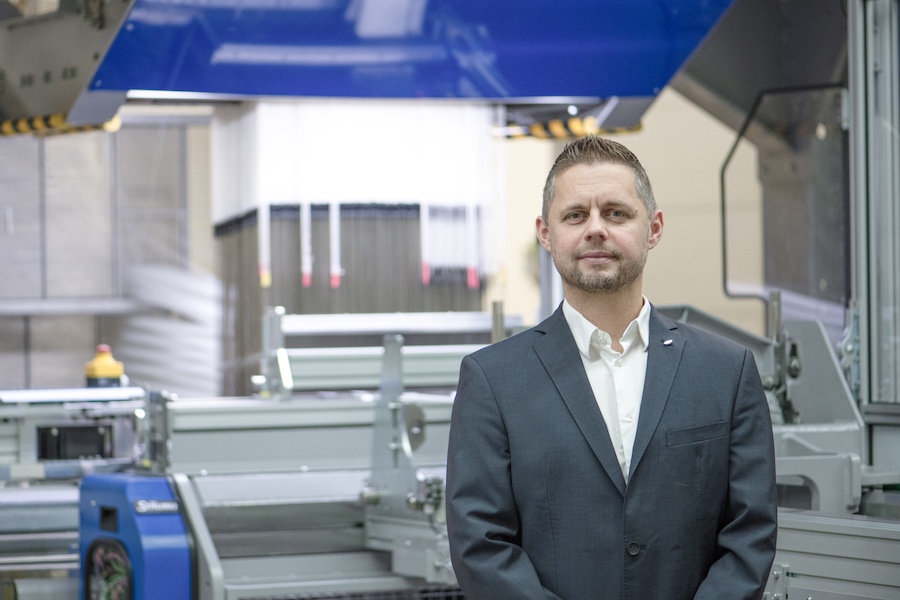
Andreas Schnabel, Head of R&D for Technical Weaving Systems at Stäubli, discusses how 3D weaving can create textile reinforcements tailored to the loads within a composite component, where near-net-shape weaving can reduce processing steps and material waste, and what it takes to produce complex structures reliably and economically. He also explains how manufacturers can adapt Stäubli’s modular TF weaving platforms to new applications and how the company’s centre of excellence in Bayreuth supports the transition from research to industrial production.

TOP