[pageLogInLogOut]

#Research & Development

Digital material parameters for a realistic 3D simulation

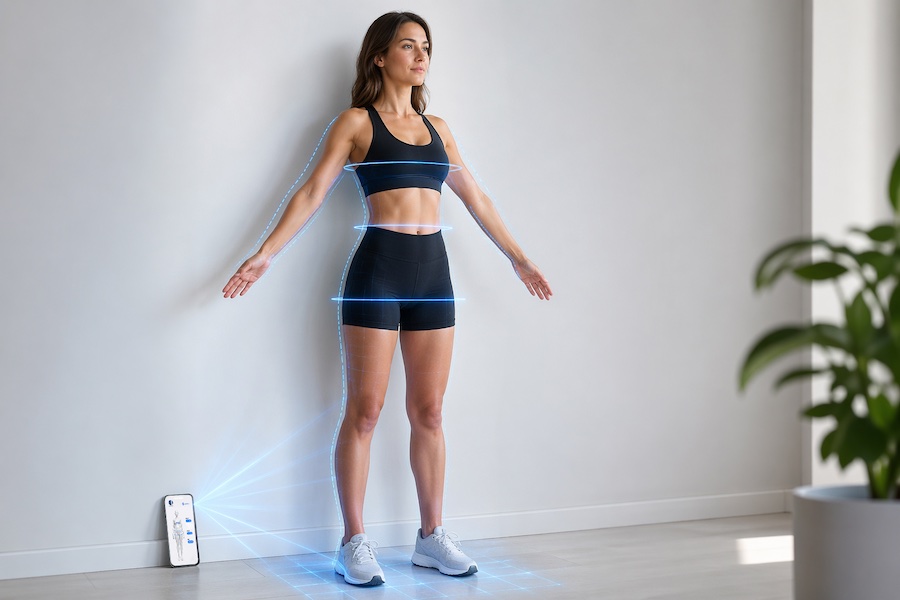
Precise digital material parameters are the key to the successful use of 3D technologies in the apparel industry. Hohenstein digitises the properties of textile fabrics for brands, clothing manufacturers and their suppliers. The Hohenstein data is compatible with common software systems and is available in all required file formats. Companies are thus able to carry out realistic 3D simulations and optimise their processes in design, product development and product communication. This saves resources and shortens the time until the collections are launched on the market.

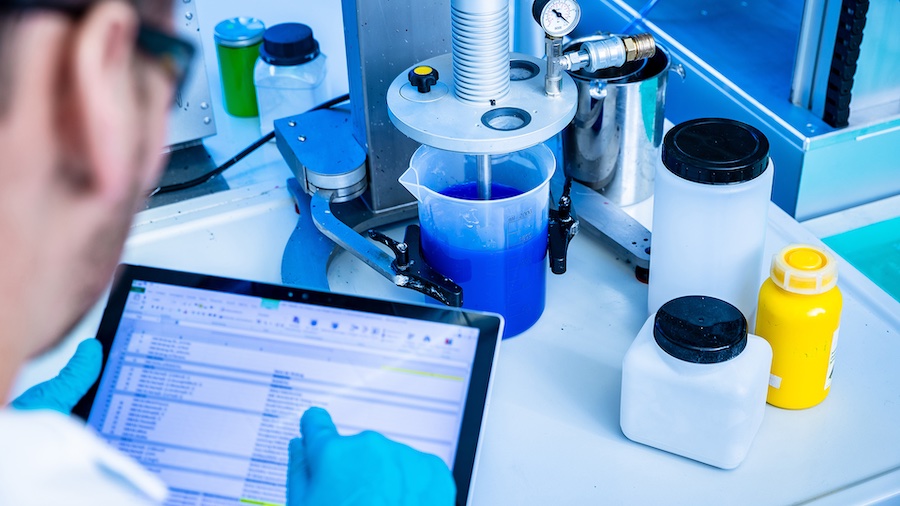
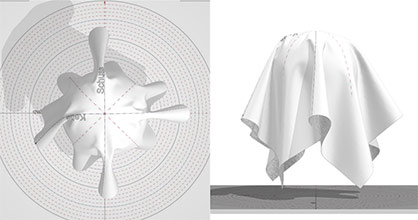
In laboratory procedures specially adapted for 3D simulation, the Hohenstein experts use fabric samples to determine the material's physical characteristics such as weight, thickness, stiffness and stretch. This is followed by testing of the fold volume and shape using a drapemeter. The results are converted into the various file formats of the 3D simulation systems so that the digital material parameters are available in the appropriate file format for each customer. Upon request, Hohenstein also simulates the associated draping images in 3D to visualize the specific draping behavior of the tested material for the customer. That way, digital prototypes can be created that subsequently accelerate the approval processes and require significantly less material when making real prototypes for production.
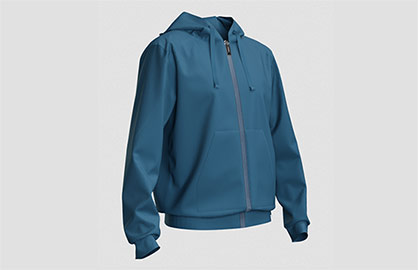
The digitization of material parameters is also possible for accessories such as (elastic) ribbons, zips or buttons. © Hohenstein


Determining the draping behavior using a drapemeter is an important parameter for the realistic 3D simulation of textile fabrics. © Hohenstein


Optimized digital material parameters enable a realistic 3D simulation of properties such as the texture or opacity of clothing fabrics used. © Hohenstein


As an accredited laboratory for the comprehensive quality testing of textiles, Hohenstein combines many years of expertise in traditional garment fit development with digital technologies. In addition, the Hohenstein Academy offers numerous workshops about pattern development and 3D fitting.

More information:

https://digital-fitting-lab.hohenstein.com 

https://www.hohenstein-academy.com/en/


Contact address for clothing companies:

digitalfittinglab@hohenstein.com.
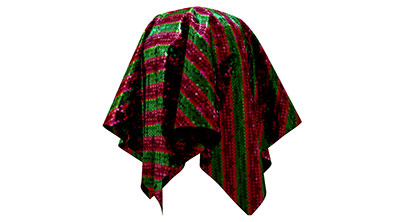
On request, Hohenstein also creates draping images in 3D in order to clearly visualize the specific draping behavior of the tested material for customers. © Hohenstein


More News from Hohenstein Institute

#Research & Development

A smarter way to verified Chemical Compliance

Hohenstein and GoBlu Drive Innovation in Sustainable Supply Chain Management As regulatory demands, customer expectations, and sustainability goals continue to grow, the ability to manage chemical compliance and data across complex supply chains has become critical. Hohenstein and The BHive® by GoBlu are initiating a strategic partnership to enhance chemical management in the textile sector. The collaboration delivers more than just a service – it provides an integrated, future-ready solution for brands, manufacturers and suppliers seeking trusted chemical management and credible sustainability.

#Research & Development

Hohenstein achieves GLP Certification for Medical Device Testing

Since the middle of July, the testing service provider Hohenstein has been certified to conduct medical device testing in accordance with the internationally recognised Good Laboratory Practice (GLP) standard. This certification comprehensively covers chemical, physical and biological safety testing of medical devices.

#Research & Development

Hohenstein supports Global Textile Scheme Initiative

Global testing and research provider Hohenstein has acquired shares in Global Textile Scheme GmbH (GTS). In this way, Hohenstein aims to support GTS in harmonizing and automating data exchange along the entire supply chain. The aim of the GTS initiative is to create an international standard for handling structured product data in the textile and apparel industry.

#Research & Development

Hohenstein releases 2024 sustainability report

Responsible action is a defining value for Hohenstein, a global testing and research provider. Their 2024 Sustainability Report provides transparency through documented progress and detailed insights into how sustainability is embedded. It covers both the existing sustainability measures at the German headquarters and the company's goals for 2025 and beyond. The direct and indirect greenhouse gas emissions (Scope 1, 2 and 3) of all its locations worldwide were recorded for the first time.

More News on Research & Development

#Research & Development

Bio-based fibers with good flame retardancy

Fibers made from bio-based plastics reduce dependence on fossil raw materials and promote the circular economy. The covalent bonding of flame-retardant additives can open the way for these fibers to enter the mass market.

#Research & Development

Exchange data between textile companies openly, securely and cost-effectively without a central platform – ITA makes it possible

The Institut für Textiltechnik (ITA) of RWTH Aachen University has launched a new demonstrator for an open and secure data space in the textile industry at the Digital Innovation Centre Europe (DICE). For the first time, the demonstrator shows directly and clearly how companies can share their data securely with each other without the need for a central platform. Data exchange is based on shared, freely usable technical foundations.

#Research & Development

Sustainable athletic wear made from bio-based Polyethylene

Conventional sports textiles made from petroleum-based synthetic fibres are to be replaced in the future by sustainable, bio-based, cooling textiles. Polyethylene, previously used mainly in the packaging industry, is thus qualified for use in textiles and, as a bio-based drop-in solution, offers a cost-effective, sustainable alternative for the future.

#Research & Development

Innovation center for textile circular economy inaugurated

Just over eight months after the foundation stone was laid, the new Innovation Center for Textile Circular Economy was officially inaugurated today at TITK Rudolstadt. Thuringia's Minister President Mario Voigt, TITK Director Benjamin Redlingshöfer, and other guests of honor cut the ribbon to the modern building complex and viewed the premises, which are now ready for occupancy. The “DICE – Demonstration and Innovation Center for Textile Circular Economy” is TITK's largest single investment to date. The Free State of Thuringia supported the total cost of €11.5 million with €8 million in GRW and FTI funding.

Latest News

#Dyeing, Drying, Finishing

Orthopac RVMC-20 plus: German Engineering for Smarter Weft Straightening

In times of rising cost pressure and growing quality demands, textile producers worldwide are searching for solutions that combine precision, efficiency, and sustainability. With its latest innovation, the Orthopac RVMC-20 plus, Mahlo once again demonstrates the strength of German engineering: improving proven technology to meet today’s challenges.

#Knitting & Hosiery

KARL MAYER and Lenzing partner to advance warp knitting with scalable cellulose fiber solutions

The Lenzing Group, a leading supplier of regenerated cellulosic fibers for the textile and nonwovens industries, together with KARL MAYER, the global market leader in warp knitting machines and warp preparation systems, debut a joint innovation project during Premiere Vision, Paris.

#Textile chemistry

RUDOLF gets the exclusive global distribution rights for Sanitized® textile technologies

With effect from today, RUDOLF officially assumes exclusive global distribution rights for Sanitized® textile technologies from SANITIZED AG. This is the next milestone in the strategic collaboration announced in 2025, with the partnership between the two companies now fully implemented and expanded worldwide.

#Europe

ICAC to support European Commission on pending PEF legislation

The International Cotton Advisory Committee (ICAC) is proud to announce that it has been included as a member of the European Commission’s Technical Advisory Board (TAB) on the Product Environmental Footprint methodology. The Commission developed the Product Environmental Footprint (PEF) to assess and communicate the life cycle environmental performance of products and organizations.

TOP