[pageLogInLogOut]

#Research & Development

A smarter way to verified Chemical Compliance
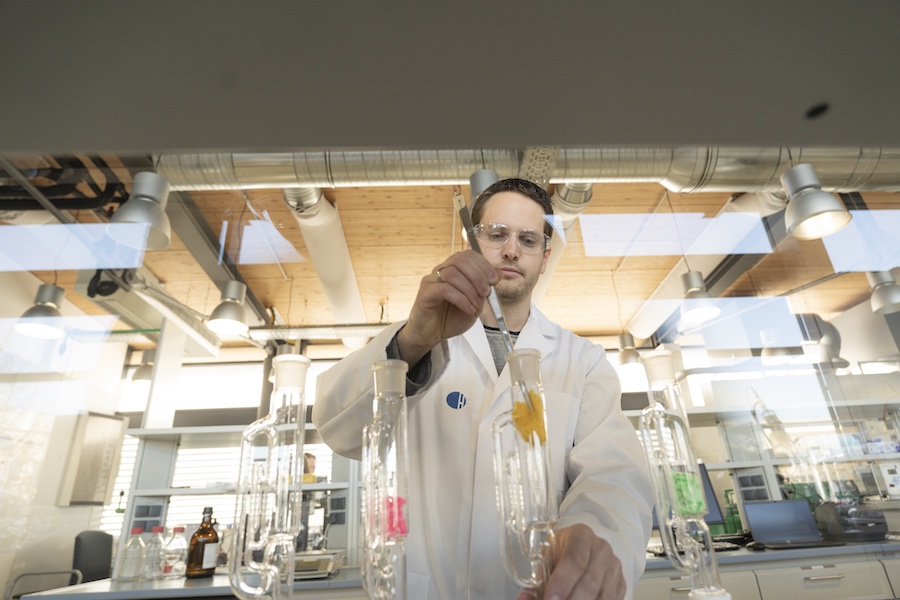
Hohenstein and GoBlu Drive Innovation in Sustainable Supply Chain Management As regulatory demands, customer expectations, and sustainability goals continue to grow, the ability to manage chemical compliance and data across complex supply chains has become critical. Hohenstein and The BHive® by GoBlu are initiating a strategic partnership to enhance chemical management in the textile sector. The collaboration delivers more than just a service – it provides an integrated, future-ready solution for brands, manufacturers and suppliers seeking trusted chemical management and credible sustainability.
By combining Hohenstein’s global certification expertise with the smart data infrastructure of The BHive® by GoBlu, this partnership streamlines every step of the compliance journey. © Hohenstein


By combining Hohenstein’s global certification expertise with the smart data infrastructure of The BHive® by GoBlu, this partnership streamlines every step of the compliance journey. The BHive® enables efficient, accurate collection and analysis of chemical data for ZDHC reporting – transforming fragmented documentation into actionable insights. Hohenstein ensures the reliability of these insights through expert testing, independent verification and internationally recognized certifications.

Simplifying complex processes

“This synergy provides measurable value”, says Dr. Dr. Stefan Droste, CEO of Hohenstein. "It leads to improved supply chain transparency, reduced compliance risks, and faster certification outcomes." Data integrity is safeguarded through audit-backed verification processes, and insights are made easily accessible to all stakeholders – from brand sustainability teams to factory managers and chemical suppliers.

In today’s competitive landscape, aligning with initiatives like ZDHC’s ‘Roadmap to Zero’ and delivering credible InCheck performance – e.g., via OEKO-TEX® ECO PASSPORT certification – reports can clearly set companies apart. This is where the collaboration between Hohenstein and The BHive® creates unique value. By integrating on-site audits and wastewater testing directly into the The BHive® workflow, the solution ensures that uploaded data accurately reflects on-site practices – avoiding discrepancies that can compromise InCheck results. These verified insights not only support regulatory compliance but also strengthen the credibility of sustainability claims made to consumers, buyers and business partners. Additionally, it helps factories to improve their supplier to zero scores.

Simple and impactful

“This partnership unites the digital innovation of The BHive® with Hohenstein’s globally recognized technical and certification expertise”, says Lars Doemer, Managing Director GoBlu International. “Together, we are setting a new benchmark for chemical management, giving brands and factories a faster and smarter way to achieve their goals and build trust with customers and partners. At GoBlu, our mission has always been to make chemical management simple and impactful. Working with Hohenstein allows factories and brands to connect data and certification in one seamless process, reducing complexity and driving real impact for people and the planet.”

Beyond the certification itself, the collaboration empowers Hohenstein clients to connect multiple services into one coordinated, efficient process – offering the option to include OEKO-TEX® certification where desired. This one-stop model simplifies operations, reduces administrative workload and supports more informed decision-making at every level of the supply chain. The collaboration between Hohenstein and The BHive® represents a smarter, more secure path toward achieving verified compliance, building industry trust and supporting long-term sustainability goals.



More News from Hohenstein Institute

#Research & Development

Hohenstein publishes 2025 Sustainability Report

The testing and research service provider Hohenstein has published its latest sustainability report, outlining key progress and strategic initiatives. The report focuses on ambitious CO₂ reduction targets, the company’s new mission statement and the systematic expansion of sustainable services for customers worldwide.

#Research & Development

New DIN SPEC assesses environmental impact of textile fragments in soil

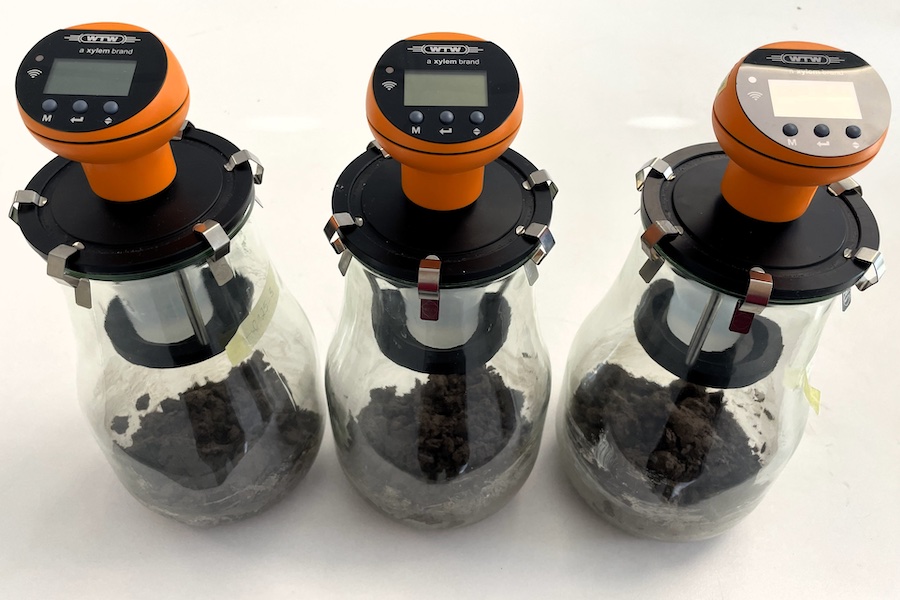
Textile products made from synthetic fibres, finished fabrics or dyed materials release fibre fragments into the environment at every stage of their life cycle. With the new DIN SPEC 19296, Hohenstein has developed a standardised testing method to analyse how these fragments behave in soil under natural conditions. Until now, little was known about their environmental behaviour or potential ecological effects once released.

#Research & Development

Testing and research laboratory ensures safe and more sustainable products worldwide

For 80 years, Hohenstein has stood for independent testing, scientific expertise and practical solutions. Today, the testing and research service provider supports manufacturers and brands worldwide in making textiles, hardlines and medical devices safe, more sustainable and market-ready – thereby building trust among consumers. With an international presence and interdisciplinary expertise, Hohenstein supports its customers from production through to market launch, helping them navigate an environment of growing regulatory and societal demands.

#Research & Development

Hohenstein achieves GLP Certification for Medical Device Testing

Since the middle of July, the testing service provider Hohenstein has been certified to conduct medical device testing in accordance with the internationally recognised Good Laboratory Practice (GLP) standard. This certification comprehensively covers chemical, physical and biological safety testing of medical devices.

More News on Research & Development

#Techtextil 2026

Smart textiles can also be sustainable, eco-friendly and AI-powered – ITA at Techtextil 2026

Sports shoes made from algae, leggings made from mushrooms, filtering (diesel) oil from water, 4D textiles, recyclable, sustainable and featuring AI – this is what the ITA Group is presenting at three individual stands run by ITA Aachen, ITA Augsburg gGmbH and ITA Technologietransfer GmbH on the joint stand of Elmatex in hall 12.0 D05.

#Techtextil 2026

Stylish design made from sustainable materials – two DITF research projects receive Techtextil Innovation Awards

Materials made from domestic, renewable raw materials reduce CO₂ emissions, prevent microplastics from entering the environment, and close the material cycle. The German Institutes for Textile and Fiber Research Denkendorf (DITF) are developing nature-based alternatives to synthetically produced and predominantly petroleum-based materials. Two research projects have received a prestigious Techtextil Innovation Award. NUO Flexholz and the lignin-coated material FormLig demonstrate that sustainable concepts can meet high standards of functionality and design. Both projects were carried out in close collaboration with industry.

#Techtextil 2026

ITM presents cutting-edge textile research at Techtextil

From April 21 to 24, 2026, the Chair of Textile Machinery and High Performance Material Technology (ITM) at TUD Dresden University of Technology will be presenting its current research at Techtextil, the leading international trade fair for technical textiles and nonwovens. In Hall 12.0, Stand D41, the team will be demonstrating how it combines high-performance fibers, AI-supported digital development tools and innovative machine technologies to develop textile solutions for lightweight construction, construction, medical technology and sustainable production from atom to product.

#Research & Development

Textile cascade filter for removing microplastics from wastewater

Microplastics are now found almost everywhere, even in remote regions of Antarctica. They enter the human body through the food chain. Studies indicate that microplastics may have negative effects on the human health.

Latest News

TOP