[pageLogInLogOut]

#Retail & Brands

PUMA x VIVID VISIONS by Andrew Burgess: A textile-to-textile fashion experiment

Global sports company PUMA reveals a new collaboration with US upcycler, Andrew Burgess and his brand VIVID VISIONS with the launch of an experimental one-off capsule collection. (Photo: Business Wire)
Global sports company PUMA reveals a new collaboration with US upcycler, Andrew Burgess and his brand VIVID VISIONS with the launch of an experimental one-off capsule collection.

Working closely with PUMA, Andrew has created five designs, each crafted entirely from PUMA’s recycled polyester RE:FIBRE fabric. Shot on models in London’s iconic York Hall Leisure Centre, the art direction combines futuristic fashion design with retro sports nostalgia, paying homage to PUMA’s roots, while celebrating the brand and Andrews’ commitment to sustainable textile innovation.

https://about.puma.com/en/re-fibre


The creative imagery shows the garments repeated over and over – reflecting the infinite possibilities of circular fashion, where old garments are transformed into new ones, again and again.

Andrew, known for his talent in repurposing unwanted and damaged clothes, was inspired by PUMA's factory partners during a visit to Turkey. During his visit, Andrew witnessed first-hand the impressive progress PUMA has made in scaling up circular textile technology and produced his own bespoke RE:FIBRE fabric from recycled polyester garments.

“Seeing the innovation, research, machinery, sustainable practices and production that goes into crafting RE:FIBRE fabric was eye-opening. When I think of garment production, I think of the final sewing stage where the fabric comes together to make the finished product as that’s typically my upcycling process. But learning exactly what goes into breaking down old textiles - that would potentially have otherwise gone to landfill – before they become something new was super interesting.” Andrew says.

The collection itself reflects the beauty of the RE:FIBRE recycling process, with designs that embody the shredded, depolymerised, repolymerised, and reimagined textiles.


Andrew says “My brand VIVID VISIONS is all about blending the past with the future, so working with PUMA to create a one-off collection made from a ‘new’ recycled fabric was pretty cool. The fabric strips on the sleeves represent the RE:FIBRE yarn that’s been spun from the melted polymers, and the cut off trousers and jacket reflect the transformative process that is RE:FIBRE.”

This fashion experiment comes as a result of the ongoing collaboration between PUMA and the US based upcycler, who is part of PUMA’s Voices of A RE:GENERATION – an initiative that aims to improve transparency and conduct greater communication regarding the brand’s sustainability efforts.

https://about.puma.com/en/sustainability/voices-of-re-generation


The custom PUMA x VIVID VISIONS one-off collection is the final chapter in Andrews’ creative Thread the Loop campaign, a social content series which aims to raise awareness of PUMA’s efforts toward achieving “100% of product polyester used, coming from textile waste”, as PUMA CSO Anne-Laure Descours stated. “Rethinking how we produce garments and experimenting with ways that we can move towards a more circular business model is one of the main priorities of our sustainability strategy.”

https://www.instagram.com/p/C0K29Dygdb8/


Since the launch of the pilot in 2022, PUMA has produced recycled training jerseys for Manchester City, AC Milan, Olympique de Marseille and Borussia Dortmund. This month, PUMA have announced they’ve scaled up the textile recycling innovation. In 2024 official PUMA football replica jerseys* including those for the Euro and Copa América tournaments will be manufactured using RE:FIBRE recycled materials, made from old garments and factory waste rather than only recycled plastic bottles.


Images and videos of the PUMA x VIVID VISIONS by Andrew Burgess shoot

https://www.instagram.com/wandythemaker/?hl=en-gb

Andrew’s Thread The Loop Series to learn about his experience with RE:FIBRE in the run-up to the collection:

https://fastcat.puma.com/transfer/f0d37c79b407b078c0e7ce72ab0643ab8845a50ada6d335547d8edce7dacbd03
More News from TEXDATA International

#Techtextil 2026

Performance Apparels: Functional textiles drive innovation at Techtextil 2026

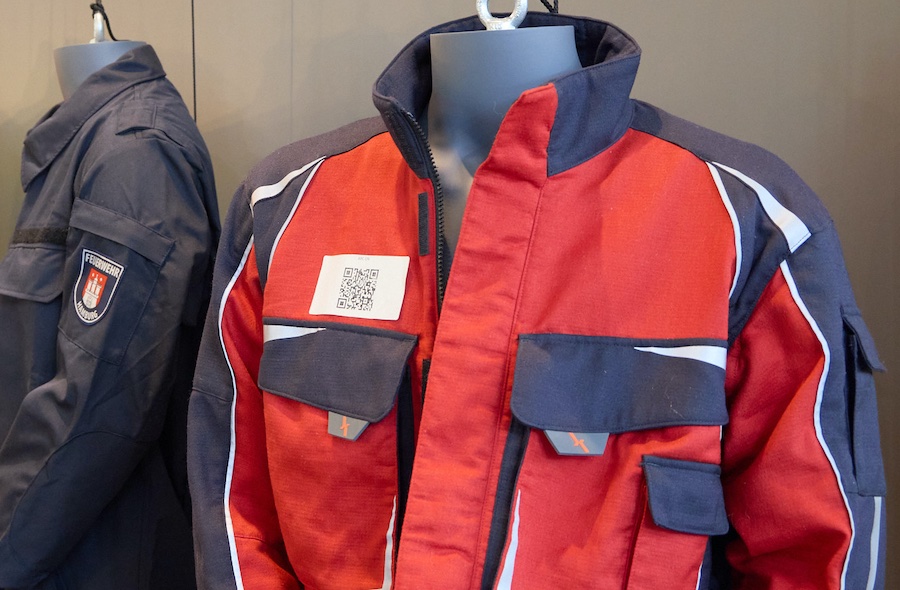
From high-performance fibres and advanced membranes to smart textiles and sustainable material concepts – functional apparel is becoming one of the most dynamic innovation fields in technical textiles. At Techtextil 2026, exhibitors demonstrate how new materials, finishing technologies and digital functions are shaping the next generation of protective, workwear and outdoor systems.

#Texprocess 2026

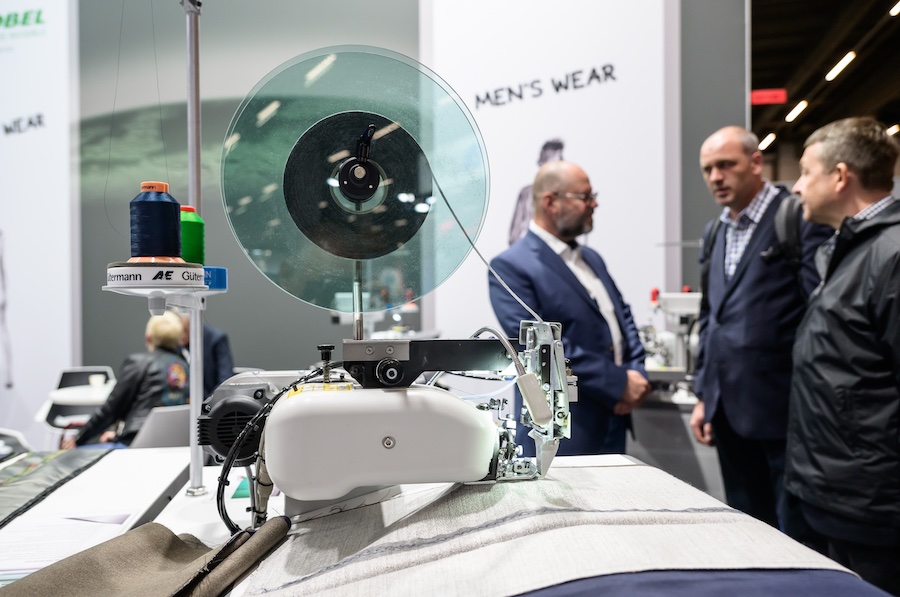
Texprocess 2026: Automation, digitalisation and AI reshape textile processing

Investment decisions in textile processing have become increasingly complex. Rising energy prices, labour shortages and geopolitical uncertainties are forcing companies to prioritise technologies that deliver measurable improvements in efficiency and process stability. This applies not only to apparel production, but also to the processing of technical textiles and high-performance materials. Modernisation projects are therefore being evaluated more selectively – but the pressure to upgrade production systems continues to grow. Texprocess 2026 reflects this tension between cautious investment behaviour and increasing technological demand.

#Techtextil 2026

Textile Chemicals & Dyes: Innovation in Textile Chemistry moves into focus at Techtextil 2026

From PFAS-free finishes and water-saving dyeing technologies to advanced coatings and recycling-compatible formulations, innovation in textile chemistry is accelerating across the industry. Reflecting this development, Techtextil 2026 introduces Textile Chemicals & Dyes as a dedicated product segment, highlighting the growing role of chemical solutions in shaping the next generation of technical textiles.

#Recycling / Circular Economy

textile.4U publishes special edition “Top 100 Textile Recycling Companies 2025”

With a comprehensive 176-page special edition, textile.4U is dedicating its latest issue entirely to one of the most dynamic and influential topics in today’s textile industry: textile recycling. The new issue, published exclusively in high-quality print, presents the Top 100 textile recycling companies researched and selected by TexData – organizations that already play a key role in the transition to circular textiles or are expected to have a significant impact in the near future.

More News on Retail & Brands

#Recycling / Circular Economy

Recover™ secures multi-year recycled cotton agreement with H&M

Recover™ has signed a multi-year agreement with H&M to support the integration of its recycled cotton fiber, RCotton, for use in H&M’s products. Since early 2024, H&M and Recover™ have collaborated on product development, which now enables scaled commercial introduction of Recover™ mechanically recycled cotton into H&M’s collections.

#Sustainability

GORE-TEX® KIDSWEAR launches innovative membership scheme for kids’ jackets

With its revolutionary new membership model, GORE-TEX® Kidswear now offers families a simple, flexible and sustainable way of kitting out their children in top-quality jackets. It is aimed at the parents of children aged between five and ten and kicks off with a choice of functional winter jackets.

#Sustainability

H&M Foundation funds pioneering initiative to build the factories of the future

The H&M Foundation is committing SEK 53 million (approx. EUR 5 million) towards Future Forward Factories, a five-year initiative led by Fashion for Good, to address fashion’s most polluting stage: tier 2 textile processing.

#Natural Fibers

Better Cotton Initiative marks World Cotton Day with launch of innovative product label

The Better Cotton Initiative (BCI) has launched an innovative product label for the fashion and textile sectors which allows retailer and brand members to provide consumers with greater clarity about the origin and percentage of BCI Cotton in their products.

Latest News

#Composites

KARL MAYER strengthens partnerships in the composites industry at JEC World 2026

KARL MAYER further strengthened its role as a reliable and competent partner to the composites industry at JEC World 2026. The global market leader in textile machinery manufacturing used the trade show to meet key customers, establish numerous new contacts, and engage in in-depth technical discussions.

#Recycling / Circular Economy

ABB and Syre partner to explore technologies for industrial-scale textile recycling

ABB has signed a Memorandum of Understanding (MoU) with Swedish textile impact company Syre to jointly explore technologies to support the development of Syre’s first textile-to-textile recycling plant in Vietnam. The agreement establishes a framework for collaboration to investigate how ABB’s automation, electrification and digital technologies could contribute to safe, efficient and scalable operations. It will also explore how these capabilities could further optimize process and quality control performance as Syre advances its ambition to produce circular polyester at industrial scale.

#Techtextil 2026

From Nature Performance to Circular Economy: Techtextil 2026 focuses on the future market for technical textiles

Alternative materials and recycling technologies are one of the most important future segments and drivers of innovation in technical textiles. Sustainability goals and regulatory requirements increase their relevance, while advances in performance and economic viability enhance their market competitiveness. Taking place from 21 to 24 April 2026, Techtextil reflects this key industry trend with a growing number of specialised exhibitors. With the new “Nature Performance” label, the leading global trade fair bundles relevant market offerings and facilitates access to new solutions – from natural fibres and yarns to bio-based materials and circular approaches.

#Research & Development

Textile cascade filter for removing microplastics from wastewater

Microplastics are now found almost everywhere, even in remote regions of Antarctica. They enter the human body through the food chain. Studies indicate that microplastics may have negative effects on the human health.

TOP