[pageLogInLogOut]

#Retail & Brands

PUMA scale-up their textile-to-textile recycling technology, creating all future replica football kit using RE:FIBRE Technology

Global sports company PUMA has today announced that it has scaled up its textile recycling innovation, RE:FIBRE, replacing recycled polyester with RE:FIBRE technology in all PUMA football Club and Federation replica jerseys from 2024 onwards. (Photo: Business Wire)
Global sports company PUMA has today announced that it has scaled up its textile recycling innovation, RE:FIBRE, replacing recycled polyester with RE:FIBRE technology in all PUMA football Club and Federation replica jerseys from 2024 onwards.

Since the launch of the pilot in 2022, which saw PUMA produce recycled training jerseys for their sponsored football clubs, RE:FIBRE technology has been used to create Switzerland and Morocco replica kits for the Women’s World Cup as well as Girona’s 2023/24 season Third kit. In 2024, official PUMA football replica jerseys* including those for the Euro and Copa América tournaments will be manufactured using RE:FIBRE recycled materials that were made of old garments and factory waste rather than only recycled plastic bottles.

Through the RE:FIBRE program, PUMA is keen to address the challenge of textile waste via a long-term solution for recycling. The technology also looks to diversify the fashion industry’s main source of recycled polyester in garments from being less reliant on clear plastic bottles.

The RE:FIBRE process uses any polyester material – from factory offcuts, faulty goods to pre-loved clothes which allows new garments to be recycled from any colour textile to any colour desired.


The four-step process of RE:FIBRE sees:

• Collect and Sort: Collecting and sorting textile waste and other previously wasteful materials.

• Shred and Mix: Shredding and mixing the collected materials down to the minimum.

• Dissolve, Filter and Polymerize: Melting down the shredded polyester and ridding them of previous dyes through a chemical recycling process.

• Melt, Spin, Knit and Sew: The melting allows the newly produced polymers to become ready to be spun and sewn into shape to create good as new RE:FIBRE fabric which can be recycled again and again.

Managing waste has today become a necessity, which is why PUMA is ramping up its investment into resource-efficient manufacturing processes in a move to reduce textile waste.


“Our wish is to have 100% of product polyester coming from textile waste,” said Anne-Laure Descours, Chief Sourcing Officer at PUMA. “Textile waste build-up in landfills is an environmental risk. Rethinking the way we produce and moving towards a more circular business model is one of the main priorities of our sustainability strategy.”

To help make the technical process of RE:FIBRE more digestible for the everyday consumer who wants to know more, PUMA has harnessed the storytelling power of Computer Generated Imagery to take viewers through the RE:FIBRE process, right down to the molecular chemistry at work. View the video here.

https://about.puma.com/en/re-fibre

The video builds on the brand’s ongoing commitment to ensure PUMA’s sustainability initiatives are simplified for everyone to engage with. This comes after research conducted by PUMA found that 71% of young people felt their voices were not being heard when it comes to the environment and would like to see brands making more commitments (49%), communicating their goals better (40%) and being more transparent (34%).

As part of this commitment to communicate better, PUMA released The RE:GEN REPORTS podcast in June 2023. Making dense information in their Sustainability Report more accessible and tailored to a Gen Z audience.

https://about.puma.com/de/forever-better/re-gen-reports

PUMA’s ongoing efforts in sustainability has shown the brand improving its rankings on Corporate Knight’s Global 100 Sustainability Index from 77th to 47th, and the journey is not over. You can read further on PUMA’s sustainability targets and RE:FIBRE on foreverbetter.com.

*excluding locally replicas for Fenerbahçe SK, Shakhtar Donetsk and locally sourced kits.


More News from TEXDATA International

#Techtextil 2026

Performance Apparels: Functional textiles drive innovation at Techtextil 2026

From high-performance fibres and advanced membranes to smart textiles and sustainable material concepts – functional apparel is becoming one of the most dynamic innovation fields in technical textiles. At Techtextil 2026, exhibitors demonstrate how new materials, finishing technologies and digital functions are shaping the next generation of protective, workwear and outdoor systems.

#Texprocess 2026

Texprocess 2026: Automation, digitalisation and AI reshape textile processing

Investment decisions in textile processing have become increasingly complex. Rising energy prices, labour shortages and geopolitical uncertainties are forcing companies to prioritise technologies that deliver measurable improvements in efficiency and process stability. This applies not only to apparel production, but also to the processing of technical textiles and high-performance materials. Modernisation projects are therefore being evaluated more selectively – but the pressure to upgrade production systems continues to grow. Texprocess 2026 reflects this tension between cautious investment behaviour and increasing technological demand.

#Techtextil 2026

Textile Chemicals & Dyes: Innovation in Textile Chemistry moves into focus at Techtextil 2026

From PFAS-free finishes and water-saving dyeing technologies to advanced coatings and recycling-compatible formulations, innovation in textile chemistry is accelerating across the industry. Reflecting this development, Techtextil 2026 introduces Textile Chemicals & Dyes as a dedicated product segment, highlighting the growing role of chemical solutions in shaping the next generation of technical textiles.

#Recycling / Circular Economy

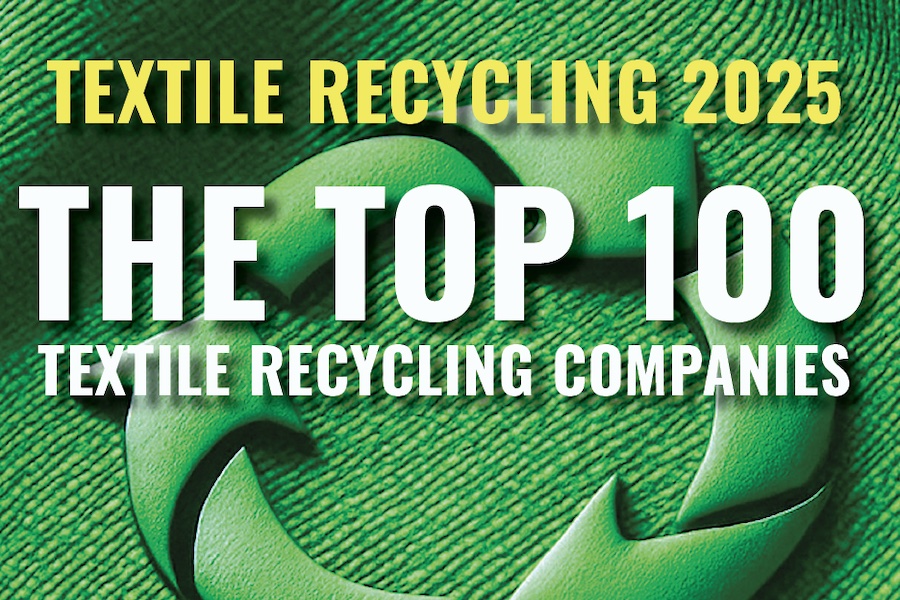
textile.4U publishes special edition “Top 100 Textile Recycling Companies 2025”

With a comprehensive 176-page special edition, textile.4U is dedicating its latest issue entirely to one of the most dynamic and influential topics in today’s textile industry: textile recycling. The new issue, published exclusively in high-quality print, presents the Top 100 textile recycling companies researched and selected by TexData – organizations that already play a key role in the transition to circular textiles or are expected to have a significant impact in the near future.

More News on Retail & Brands

#Recycling / Circular Economy

Recover™ secures multi-year recycled cotton agreement with H&M

Recover™ has signed a multi-year agreement with H&M to support the integration of its recycled cotton fiber, RCotton, for use in H&M’s products. Since early 2024, H&M and Recover™ have collaborated on product development, which now enables scaled commercial introduction of Recover™ mechanically recycled cotton into H&M’s collections.

#Sustainability

GORE-TEX® KIDSWEAR launches innovative membership scheme for kids’ jackets

With its revolutionary new membership model, GORE-TEX® Kidswear now offers families a simple, flexible and sustainable way of kitting out their children in top-quality jackets. It is aimed at the parents of children aged between five and ten and kicks off with a choice of functional winter jackets.

#Sustainability

H&M Foundation funds pioneering initiative to build the factories of the future

The H&M Foundation is committing SEK 53 million (approx. EUR 5 million) towards Future Forward Factories, a five-year initiative led by Fashion for Good, to address fashion’s most polluting stage: tier 2 textile processing.

#Natural Fibers

Better Cotton Initiative marks World Cotton Day with launch of innovative product label

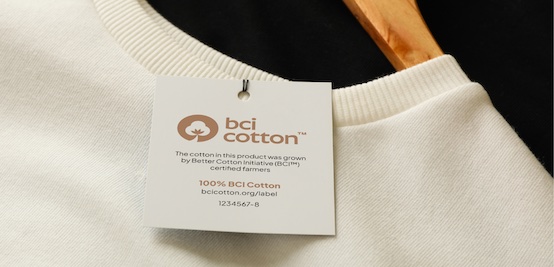
The Better Cotton Initiative (BCI) has launched an innovative product label for the fashion and textile sectors which allows retailer and brand members to provide consumers with greater clarity about the origin and percentage of BCI Cotton in their products.

Latest News

#Composites

KARL MAYER strengthens partnerships in the composites industry at JEC World 2026

KARL MAYER further strengthened its role as a reliable and competent partner to the composites industry at JEC World 2026. The global market leader in textile machinery manufacturing used the trade show to meet key customers, establish numerous new contacts, and engage in in-depth technical discussions.

#Recycling / Circular Economy

ABB and Syre partner to explore technologies for industrial-scale textile recycling

ABB has signed a Memorandum of Understanding (MoU) with Swedish textile impact company Syre to jointly explore technologies to support the development of Syre’s first textile-to-textile recycling plant in Vietnam. The agreement establishes a framework for collaboration to investigate how ABB’s automation, electrification and digital technologies could contribute to safe, efficient and scalable operations. It will also explore how these capabilities could further optimize process and quality control performance as Syre advances its ambition to produce circular polyester at industrial scale.

#Techtextil 2026

From Nature Performance to Circular Economy: Techtextil 2026 focuses on the future market for technical textiles

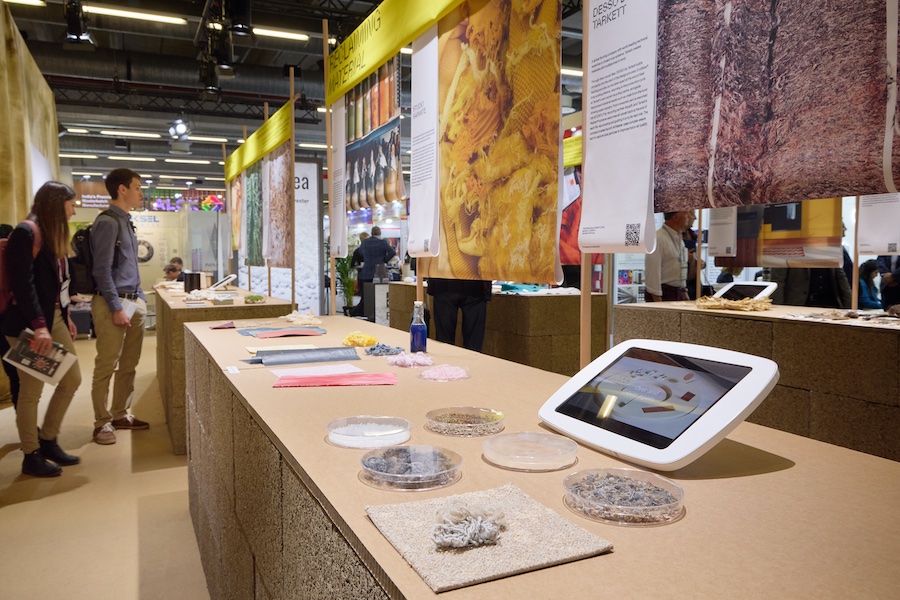
Alternative materials and recycling technologies are one of the most important future segments and drivers of innovation in technical textiles. Sustainability goals and regulatory requirements increase their relevance, while advances in performance and economic viability enhance their market competitiveness. Taking place from 21 to 24 April 2026, Techtextil reflects this key industry trend with a growing number of specialised exhibitors. With the new “Nature Performance” label, the leading global trade fair bundles relevant market offerings and facilitates access to new solutions – from natural fibres and yarns to bio-based materials and circular approaches.

#Research & Development

Textile cascade filter for removing microplastics from wastewater

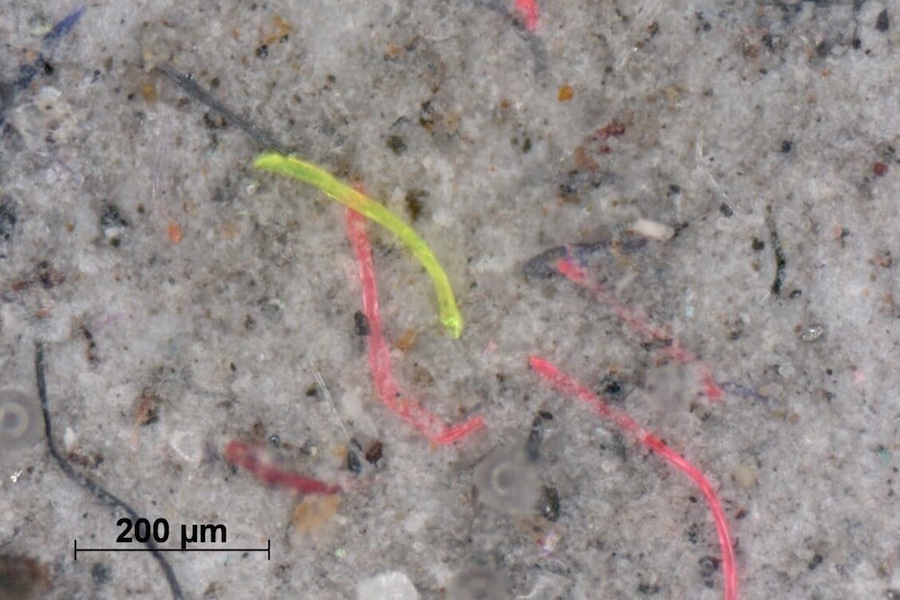
Microplastics are now found almost everywhere, even in remote regions of Antarctica. They enter the human body through the food chain. Studies indicate that microplastics may have negative effects on the human health.

TOP