[pageLogInLogOut]

#Research & Development

Assistant Professor Homa Maleki awarded Alexander von Humboldt research fellowship

Assistant Professor Ms Homa Maleki from Birjand University, Iran, has been awarded a research fellowship by the Alexander von Humboldt Foundation for a total of 15 months from June 2022 to October 2024.

She received the fellowship for joint research in the field of electrospinning and nanofibre yarns for medical technology applications. The associated research project will develop drug-eluting nanofibre yarns with core-sheath structure and shape memory polymers.
© Alexander von Humboldt-Foundation


"We are excited about the joint exchange at ITA in the field of electrospinning with such an excellent scientist as Prof. Maleki and look forward to joint publications and networking with the scientist and the Alexander von Humboldt Foundation," explains Prof. Gries, Director of the Instituts für Textiltechnik (ITA) of RWTH Aachen. "Furthermore, we are pleased that Prof. Maleki now has access to an international research station, research funds, our equipment on machines, the test laboratory and much more. Here's to good cooperation!"


Background:

Prof. Maleki receives a Georg Forster Research Fellowship for postdoctoral researchers and experienced scientists from developing and emerging countries for her own research projects in cooperation with German research institutions. The sponsor is the Alexander von Humboldt Foundation: "We sponsor researchers, regardless of discipline and nationality. We strengthen Germany as a research location through international research exchange. We support our sponsorship recipients throughout their lives. We are committed to international understanding, scientific progress and development". (Source: Alexander von Humboldt Foundation). The aim of the Georg Forster Fellowship is to strengthen researchers from developing and emerging countries and thus also the regions of origin themselves, as well as international research in Germany.
More News from Institut für Textiltechnik of RWTH Aachen University (ITA)

#Research & Development

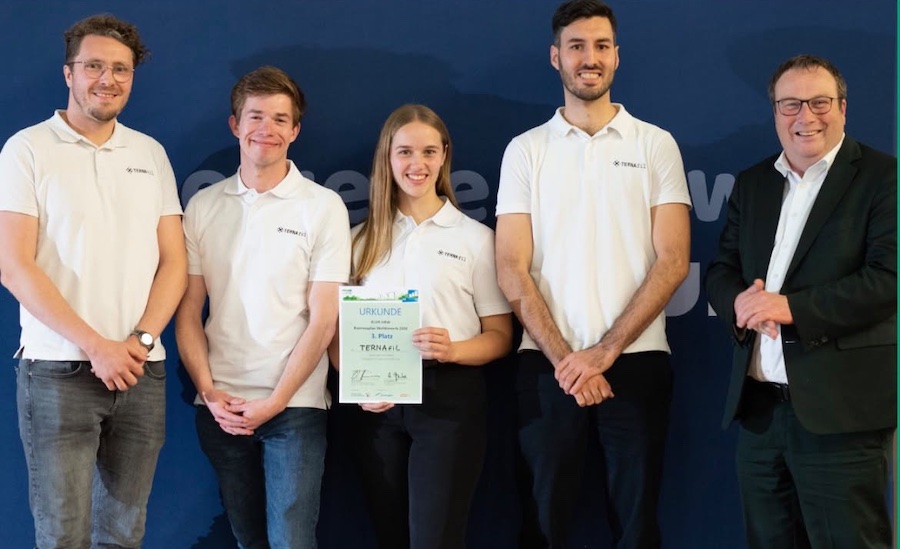
ITA spin-off TERNAfil wins third place at KUER.NRW 2026 with MAXCarbon technology

The Aachen-based ITA spin-off TERNAfil GmbH has secured third place in the KUER.NRW Business Plan Competition 2026 with MAXCarbon, an innovative carbon-ceramic hybrid fibre developed for applications in the hydrogen economy. The technology combines the mechanical properties of carbon fibres with the thermal and corrosion resistance of ceramic materials.

#Research & Development

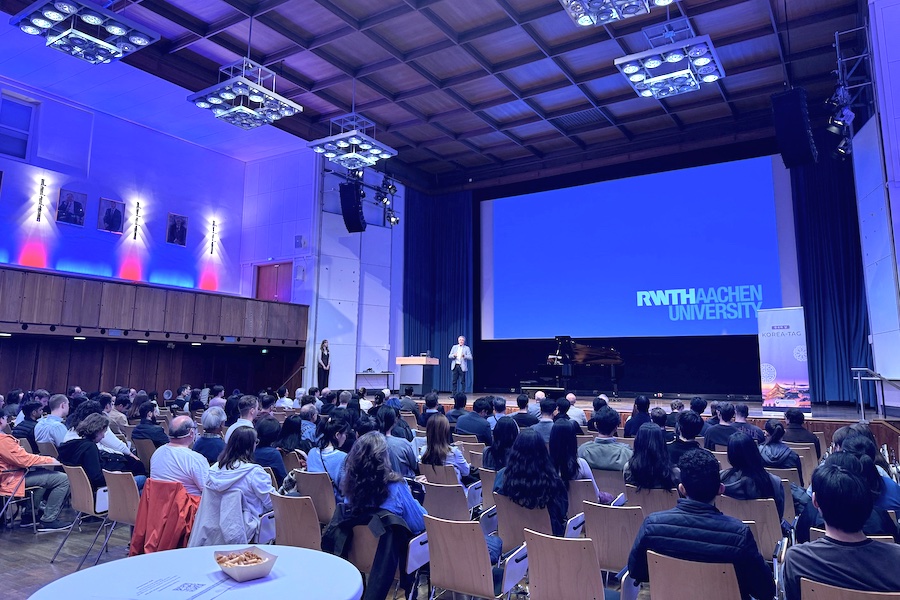
First "Korea Day" at RWTH Aachen attracts more than 300 participants

The inaugural Korea Day in Aachen brought together representatives from science, business and Korean institutions to strengthen German-Korean cooperation in research, technology and education. The Institut für Textiltechnik (ITA) of RWTH Aachen University was among the participating organisations.

#Research & Development

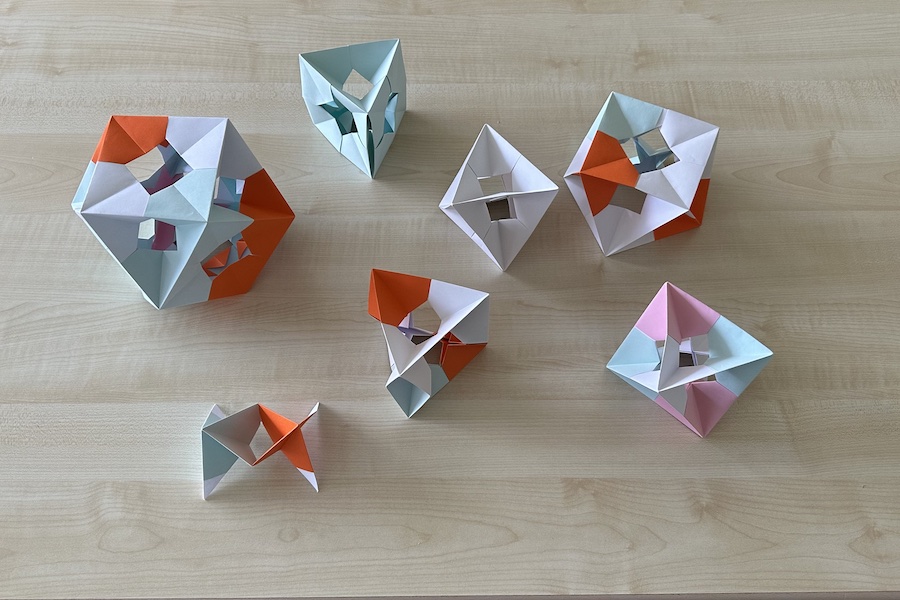
Aachen Summer School: Textiles become smart through 3D printing and origami

From 21 to 29 September 2026, the Aachen Summer School will transform Institut für Textiltechnik (ITA) of RWTH Aachen University into a laboratory of the future: over the course of a week, students will use origami folding techniques and 3D printing to develop active textile structures capable of performing programmable movements. This interdisciplinary event combines theoretical foundations with practical prototyping – from digital modelling right through to functional textile prototypes.

#Research & Development

ITA has developed a washable digital smart jacket with real-time feedback and an AI-powered app for rehabilitation

As part of the PhysioTaix research project, the Institut für Textiltechnik (ITA) of RWTH Aachen University is developing a digital smart jacket with integrated sensors. The jacket is washable and reusable; it tracks movements during rehabilitation exercises in real time and transmits the data to an app.

More News on Research & Development

#Recycling / Circular Economy

DITF establishes CYCLOTEXUM recycling center to advance mechanical and solvent-based textile recycling

As part of the CYCLOTEXUM research project, the German Institutes of Textile and Fiber Research Denkendorf (DITF) established the CYCLOTEXUM recycling center. There, in collaboration with industry partners, the center develops application-oriented solutions for mechanical and solvent-based recycling processes. The technologies developed make a significant contribution along the textile value chain toward the efficient use of textile resources in the future and the transition of production in the German textile sector to a circular economy. The project was funded by the Ministry for the Environment, Climate and Energy Sector of the State of Baden-Württemberg.

#Research & Development

Empa develops liquid-core fibre for insecticide-treated mosquito nets

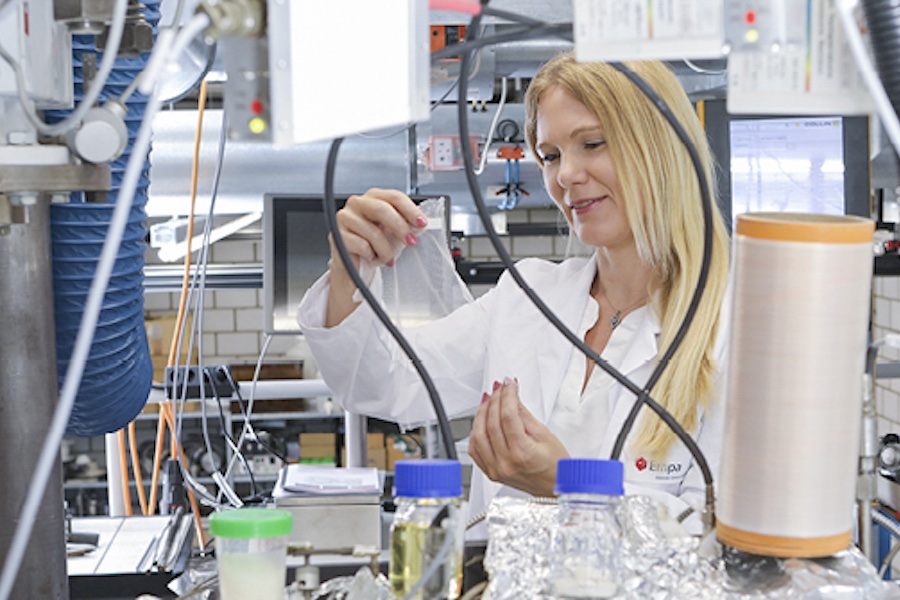
Empa researchers have developed a liquid-core fibre for mosquito nets that can incorporate insecticides unsuitable for conventional melt spinning. The fibre gradually releases the active ingredient through a polymer sheath. The team developed and tested the yarn over three years in the Innosuisse project MalCoFil with Swiss industry partners Vestergaard and Monosuisse.

#Weaving

“A complex design is only useful if the machine can reproduce it consistently”

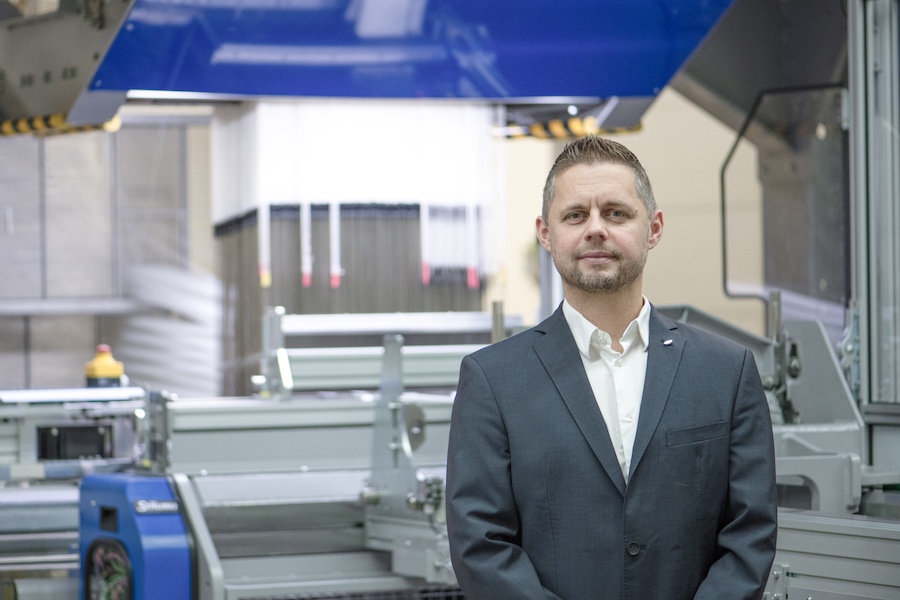
Andreas Schnabel, Head of R&D for Technical Weaving Systems at Stäubli, discusses how 3D weaving can create textile reinforcements tailored to the loads within a composite component, where near-net-shape weaving can reduce processing steps and material waste, and what it takes to produce complex structures reliably and economically. He also explains how manufacturers can adapt Stäubli’s modular TF weaving platforms to new applications and how the company’s centre of excellence in Bayreuth supports the transition from research to industrial production.

Latest News

#Textile processing

Jeanologia combines digitalisation, laser and ozone technology to strengthen China’s textile competitiveness

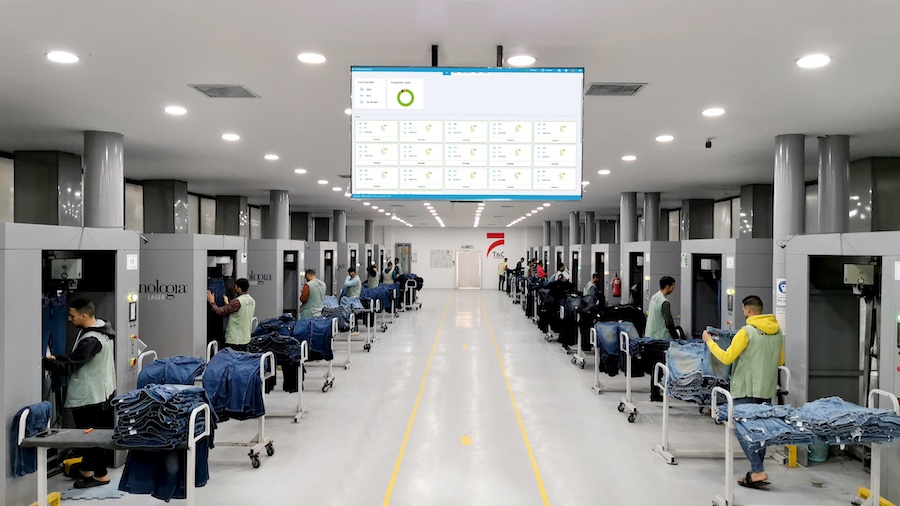
At ITMA Asia + CITME 2026 in Shanghai, Jeanologia showcased how the combination of digitalisation, laser technology and G2 Ozone can help China’s textile industry improve productivity, speed, quality and efficiency. With its Compact Super Flash laser system and integrated production concepts, the Spanish technology specialist demonstrated how connecting product development and industrial production can enable faster, more automated and sustainable manufacturing processes.

#Textile chemistry

Flame protection and OEKO-TEX® certification: Gulec Chemicals clears an important hurdle

Three halogen-free flame retardants from German specialist Gulec Chemicals have been included in the OEKO-TEX® list of accepted Active Chemical Products (ACP). The listing opens up additional opportunities for textile finishers, coaters and manufacturers of technical textiles seeking to combine demanding fire protection requirements with certification according to OEKO-TEX® STANDARD 100.

#Dyeing, Drying, Finishing

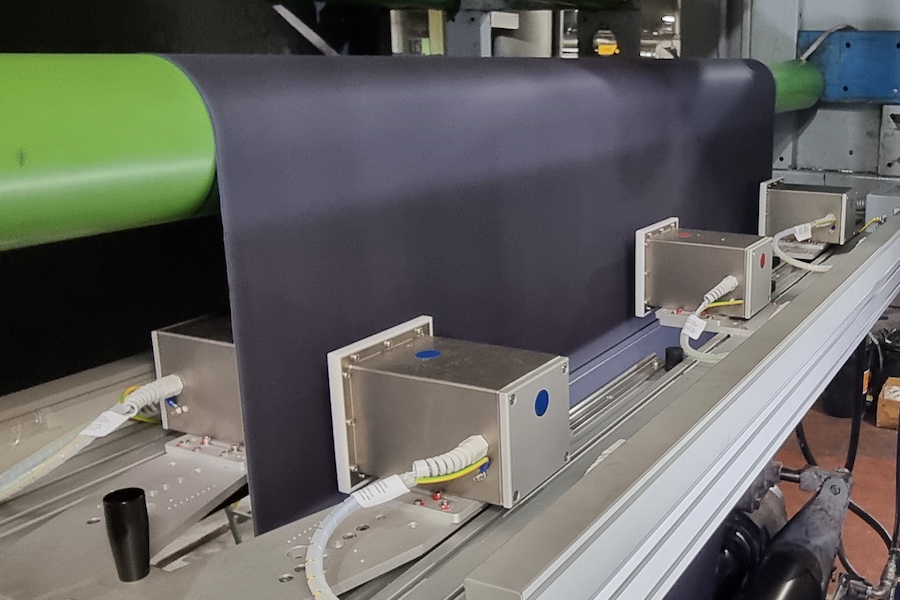
PLEVA improves dyeing consistency with inline microwave measurement of liquor pick-up

Consistent shades are essential in continuous textile dyeing. Yet variations in fabric absorbency or uneven padder pressure can go unnoticed until the end of the line. By then, hundreds of metres of fabric may already be affected and may become second-choice or rejected.

#ITMA 2027

CEMATEX outlines future exhibition strategy for ITMA 2027 and ITMA ASIA Singapore 2029 at ITMA NEXT

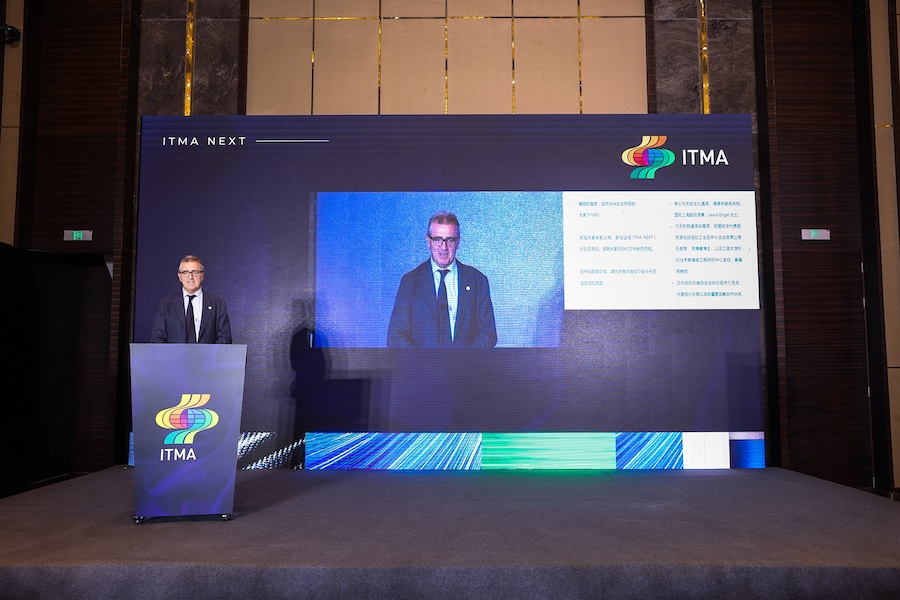
At the ITMA NEXT | Industry Networking event on 22 November in Shanghai, CEMATEX unveiled its plan for ITMA ASIA Singapore 2029, marking a new chapter under its sole organisation and management. CEMATEX also highlighted exciting initiatives for ITMA 2027, inviting the global textile and garment technology community to convene in Hanover to discover breakthrough innovations, exchange insights and forge partnerships that will shape the future of textiles.

TOP