[pageLogInLogOut]

#Research & Development

HeiQ Viroblock tested successfully against virus that causes COVID-19
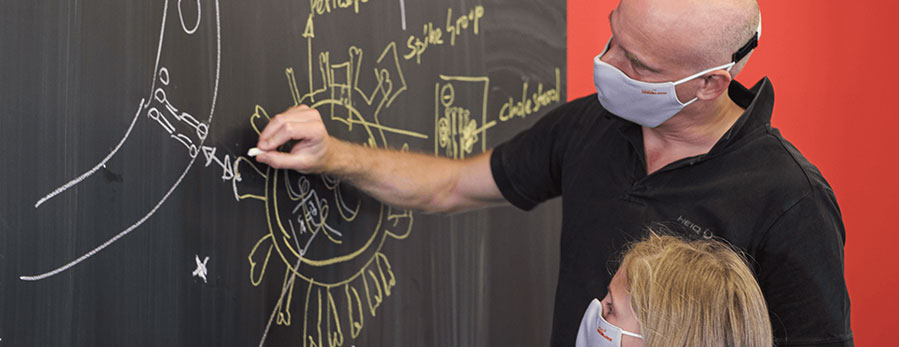
(c) 2020 HeiQ
HeiQ Viroblock NPJ03 is among the first textile technologies in the world to be proven effective against SARS-CoV-2 in the laboratory. Tests conducted by Swiss textile innovator HeiQ with the Peter Doherty Institute for Infection and Immunity in Melbourne, Australia (Doherty Institute) showed that treated fabric demonstrated rapid antiviral action against the SARS-CoV-2 virus strain.

HeiQ Viroblock NPJ03 is a textile treatment designed to provide textiles with antiviral and antibacterial properties. The combination of silver antimicrobial technology and vesicle technology rapidly destroy enveloped viruses including coronaviruses. It has previously been tested against coronavirus 229E, another strain of virus in the Coronavirus family.

The latest testing with SARS-CoV-2 virus was conducted by researchers at the Doherty Institute, a joint venture between the University of Melbourne and The Royal Melbourne Hospital, an internationally renowned institution combining research, teaching, public health and reference laboratory services, diagnostic services and clinical care into infectious diseases and immunity.

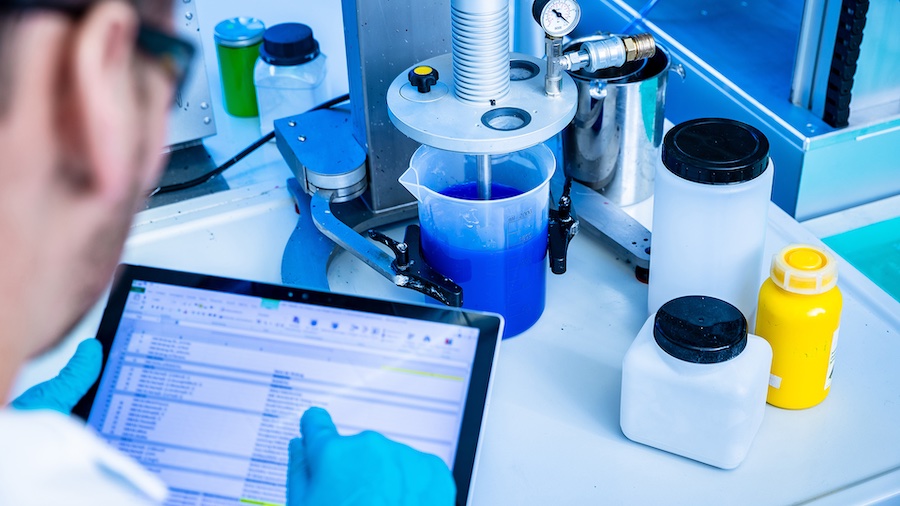
The research project involved a disinfection test protocol that simulated the real-life interaction of small aerosol droplets contaminating clothing. A known concentration of SARS-CoV-2 virus was contacted with the sample fabric for 30 minutes followed by measurement of remaining infectious SARS-CoV-2 viruses.

The fabric sample treated with HeiQ Viroblock NPJ03 had no infective viruses left after 30 minutes. The result indicated a SARS-CoV-2 virus reduction of over 99.9% relative to the inoculum control.


Carlo Centonze, Swiss co-founder and Chief Executive Officer of HeiQ Group, stated, “The confirmation of antiviral activity of HeiQ Viroblock against SARS-CoV-2 is an important milestone. This data forms part of our ongoing efforts to help provide textiles with greater levels of protection against viruses and contribute to efforts towards mitigation of the global pandemic.”

“HeiQ appreciates the work of the Doherty Institute in conducting these tests and the tremendous efforts of their researchers in contributing to the global understanding of the COVID-19 pandemic,” says Australian Dr. Murray Height, co-founder and Chief Science Officer of HeiQ Group.

Dr. Julie McAuley, Senior Research Officer at the Doherty Institute, stated, “A key part of the Institute’s current COVID-19 research focus is on testing different ways to achieve an antiviral effect against the SARS-CoV-2 virus.”

“Testing the action of different disinfectants and surface treatments is one way that our research can help provide insights towards helping to stop the pandemic”, Dr. McAuley added.
More News from TEXDATA International

#ITM 2026

ITM 2026: The new geography of textile production

New production hubs are emerging across North Africa and Central Asia, while Türkiye is accelerating its transformation toward higher-value, technology-driven and more sustainable textile manufacturing.

#Research & Development

“Production is a product”

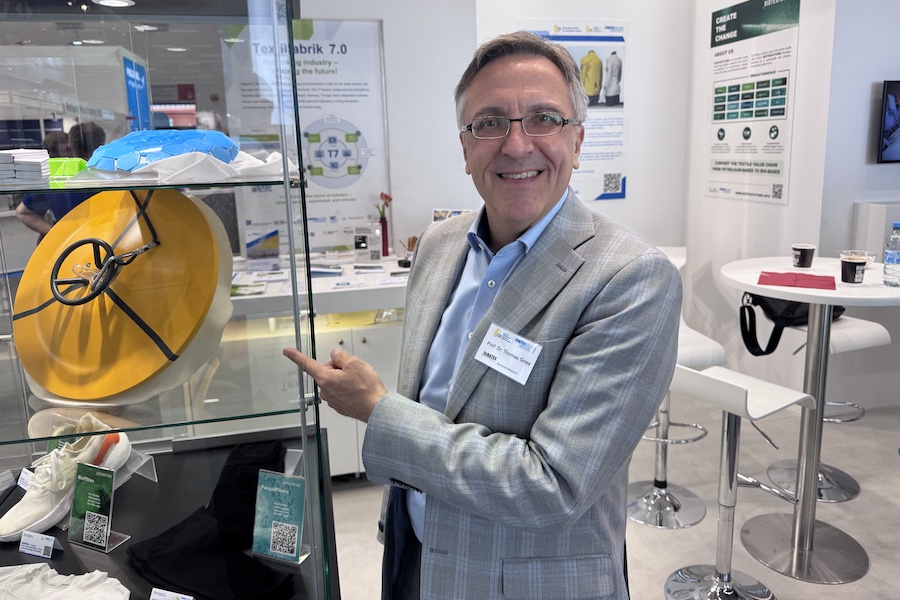
From technical textiles and AI-driven robotics to the limitations of textile circularity: Professor Dr Thomas Gries looks back on more than two decades of development at ITA Aachen. In the interview, he explains why production technology remains a decisive success factor, discusses international collaborations and innovation ecosystems, and shares his views on the transformation of production landscapes and the challenges facing an increasingly regulated industry.

#Knitting & Hosiery

“We need to move away from the price trap and return to a value-driven mindset.”

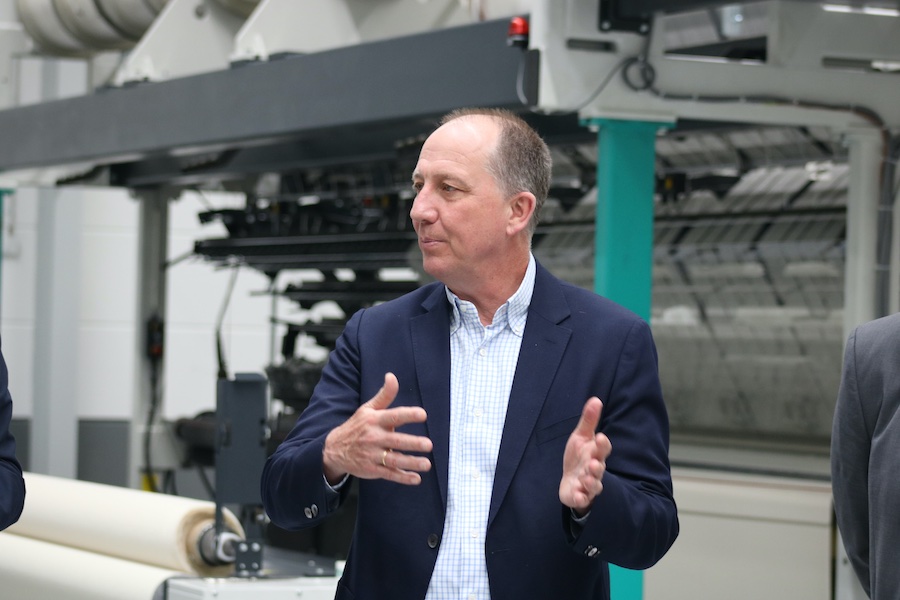
With its new Textile Innovation Center, KARL MAYER is sending a strong signal for innovation, collaboration, and the future of textile applications. In this interview, Karl Josef Mayer discusses new opportunities in warp knitting, the processing of staple fibres, recycling, the changing role of machinery manufacturers, and why the textile industry must once again focus more strongly on the value of textiles. by Oliver Schmidt

#Associations

“Innovation, resilience and international experience remain the great strengths of the Swiss textile machinery industry”

Geopolitical uncertainty, growing competitive pressure from China, new free trade agreements and the shift towards a circular economy are currently reshaping the global textile industry. In this interview, Cornelia Buchwalder discusses the current mood within the Swiss textile machinery sector, the industry’s distinctive innovative strength, new market opportunities in India and Asia, and the technological trends that could shape the upcoming trade fair cycle leading up to ITMA 2027.

More News on Research & Development

#Research & Development

TCLF: Resilient value chains in times of crises

The textiles, clothing, leather and footwear (TCLF) industry was at the centre of the webinar “Resilient value chains in times of crises”, which took place on 28 April 2026. Global supply chains continue to face increasing pressure, raw material dependencies are growing and economic uncertainties are affecting the entire sector.

#Research & Development

Textile climate control system in workwear – exhibition at the 2026 SME Innovation Day!

Conventional protective workwear often reaches its limits during strenuous physical activity. In particular, the transport of sweat and excess body heat poses a problem. The German Institutes of Textile and Fiber Research (DITF) conducted research on flow-optimized, air-conducting textile structures that enable targeted climate control directly on the body. These structures can be integrated straight into protective work garments. The textile climate control system supports the body’s natural thermoregulation. This contributes to improved workplace safety and comfort.

#Research & Development

Elastic yarns to become more recyclable and environmentally friendly in future

On 29 April 2026, ITA student Tobias Dickmeiß was awarded a sponsorship prize by the Wilhelm Lorch-Stiftung for his innovative approach, to replacing conventional elastane with elastic yarns made from thermoplastic copolyester elastomers (TPC). Thanks to their thermoplastic nature and compatibility with typical polyesters used in the textile industry, elastic TPC yarns offer improved recyclability. Furthermore, the use of the melt-spinning process in yarn production eliminates the need for solvents that are harmful to the environment and human health.

#Research & Development

Walter Reiners Foundation Prize awarded to three ITA graduates

Sabina Dann, Lukas Balon and Annegret Storm from the Institut für Textiltechnik (ITA) of RWTH Aachen University were awarded the Walter Reiners Foundation Prize by the German Engineering Federation (VDMA) for their master’s and bachelor’s theses. Peter Dornier, Chairman of the Walter Reiners Foundation, presented the awards during Techtextil at the VDMA stand in Frankfurt am Main, Germany.

Latest News

TOP