[pageLogInLogOut]

#Research & Development

Detergenttests in the course of time

When it comes to the quality of detergent and cleaning products, one aspect is of paramount importance: do the substances ensure perfect cleanliness? Hohenstein has reliably carried out detergent tests for more than 50 yearsnow, thus makinga significant contribution to ensuring that the quality of detergents and washing agents is very hightoday.

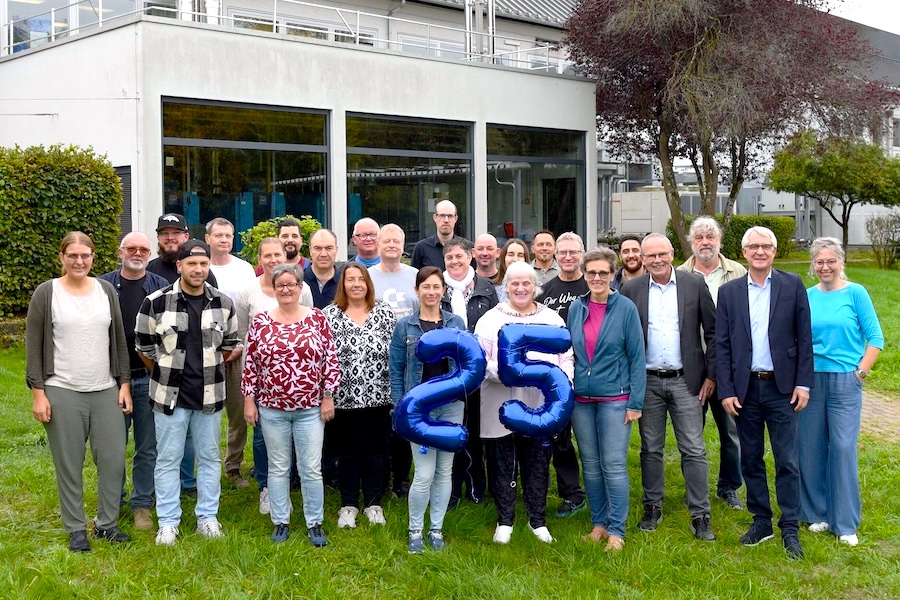
After more than 30 years, Hohenstein is now saying goodbye to the established head of detergent testing, Roswitha Hild, as she retires. Dr Eva Gierling will now take over as her successor from 01/05/2019.

A lot has happened in the detergent market over the past 30 years. Amongst other things, Hohenstein has developed alternatives to the very time-consuming wash and weartests, which havea duration of 22 weeks and thus represents a costly factor for the manufacturers. New products also posed new challenges for the testing facilities. “In 1992, colour detergents entered the market as powder detergents,” remembers Roswitha Hild. “We had to develop new test procedures as, unlike heavy-duty detergents, they also contain an additive to prevent bleeding.” 

Internationalisation has also increased significantly in recent years: when it comes to detergent tests, many customers, including global customers such as Dalli Werke, Mifa and Chemolux Germany, have relied on the expertise of Hohenstein for decades.

Dr Gerling is a graduate chemist and has worked for Hohenstein since 2010. She knows the industry: “Our customer structure is slow to change -once someone has worked with us, they often stay for decades.”

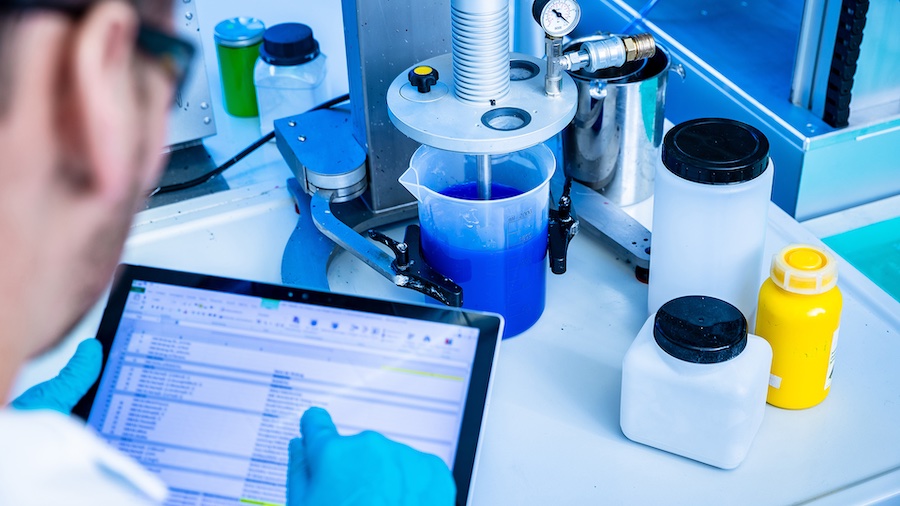
Hohenstein’s specialists still test the performance of products with tests of household laundry technology. By conducting comparative detergent tests, Hohenstein ensures improved market transparency, which both consumers as well as retailers and manufacturers expect today. In this regard, practical organisation of the test conditions and the inclusion of current standards and guidelines are particularly important.


More News from Hohenstein Institute

#Research & Development

New DIN SPEC assesses environmental impact of textile fragments in soil

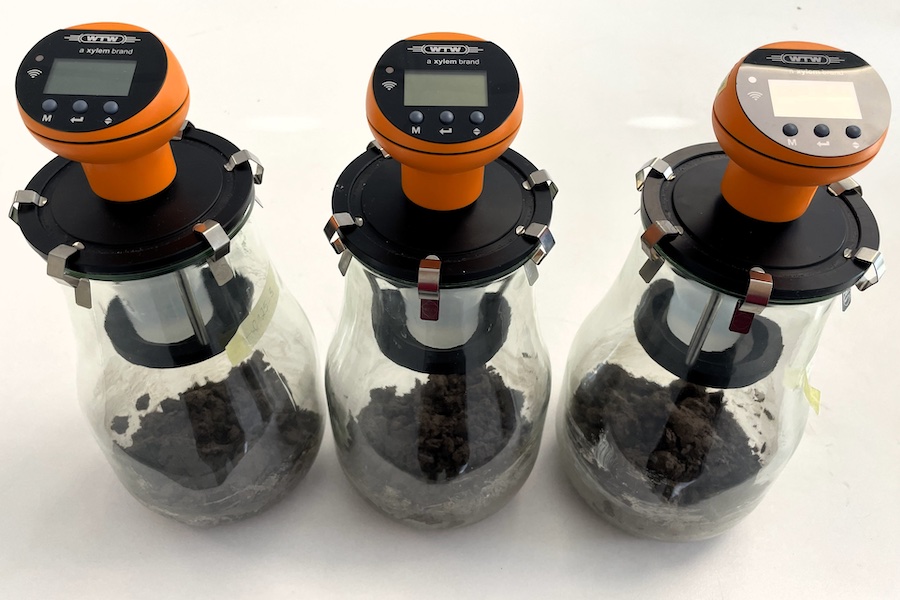
Textile products made from synthetic fibres, finished fabrics or dyed materials release fibre fragments into the environment at every stage of their life cycle. With the new DIN SPEC 19296, Hohenstein has developed a standardised testing method to analyse how these fragments behave in soil under natural conditions. Until now, little was known about their environmental behaviour or potential ecological effects once released.

#Research & Development

Testing and research laboratory ensures safe and more sustainable products worldwide

For 80 years, Hohenstein has stood for independent testing, scientific expertise and practical solutions. Today, the testing and research service provider supports manufacturers and brands worldwide in making textiles, hardlines and medical devices safe, more sustainable and market-ready – thereby building trust among consumers. With an international presence and interdisciplinary expertise, Hohenstein supports its customers from production through to market launch, helping them navigate an environment of growing regulatory and societal demands.

#Research & Development

A smarter way to verified Chemical Compliance

Hohenstein and GoBlu Drive Innovation in Sustainable Supply Chain Management As regulatory demands, customer expectations, and sustainability goals continue to grow, the ability to manage chemical compliance and data across complex supply chains has become critical. Hohenstein and The BHive® by GoBlu are initiating a strategic partnership to enhance chemical management in the textile sector. The collaboration delivers more than just a service – it provides an integrated, future-ready solution for brands, manufacturers and suppliers seeking trusted chemical management and credible sustainability.

#Research & Development

Hohenstein achieves GLP Certification for Medical Device Testing

Since the middle of July, the testing service provider Hohenstein has been certified to conduct medical device testing in accordance with the internationally recognised Good Laboratory Practice (GLP) standard. This certification comprehensively covers chemical, physical and biological safety testing of medical devices.

More News on Research & Development

#Research & Development

Pellet press enables thermomechanical textile recycling on a pilot scale at ITA

Since the end of 2025, the technical centre of the Institut für Textiltechnik (ITA) of RWTH Aachen University has been equipped with a pellet press from the manufacturer Amandus Kahl GmbH & Co. KG, Reinbek, Germany. This press can efficiently compact shredded synthetic textiles at a throughput of up to 25 kg/h and process them into pellets with a diameter of 4 mm.

#Composites

STFI at JEC

The Sächsisches Textilforschungsinstitut e.V. (STFI) will present composites for aviation made from recycled carbon fibres and natural fibres, as well as printed lightweight elements for surface heating in electric vehicles at JEC World in Paris.

#Research & Development

Fabolose: Fabricating vegan and circular leather alternatives from bio-tech-derived cellulose

Fabulose is an EU funded project coordinated by the German Institutes of Textile and Fiber Research (DITF). Its consortium consists of leading research institutes, biotech innovators, and industry stakeholders who aim to create high-performance, biobased and recyclable leather-like fabrics, using efficient biotech production routes for bacterial cellulose, cyanophycin and bacterial pigments

#Research & Development

Solid Air Dynamics wins second place at RWTH Innovation Award

On 30 January, RWTH spin-off Solid Air Dynamics was awarded second place in the RWTH Innovation Awards for its research in the field of aerogel fibres. Manufactured from renewable raw materials, aerogel fibres offer outstanding thermal insulation, are extremely lightweight and completely biodegradable, and can consist of over 90 per cent air.

Latest News

#Composites

Teijin Carbon advances sustainability leadership with EcoVadis, CDP reporting and expanding Tenax Next™ sustainable carbon fiber portfolio

As the composites industry intensifies its focus on measurable environmental, social and governance (ESG) progress, Teijin Carbon announces significant milestones that advance its position among the sector’s most sustainability-driven material suppliers. Teijin Carbon Europe achieved an EcoVadis score of 72/100 in the 2025 assessment, ranking among the top 15% of evaluated companies in its industry.

#Knitting & Hosiery

KARL MAYER (China) celebrates its 30th anniversary

On February 6, KARL MAYER (China) celebrated the new year and its 30th anniversary. Employees and the management team at the Changzhou location, as well as representatives from management in Germany, Italy, and Hong Kong, were invited to the festivities. A special highlight was the visit by Lutz Wolf, CEO of KARL MAYER.

#Digital Printing

UK Manufacturer Basic Prints commits to digital-first production model with dual investment in Kornit Digital’s Apollo

Kornit Digital, a global leader in sustainable, on-demand digital fashion and textile production technologies, today announced that UK clothing manufacturer Basic Prints has expanded its digital production capacity with a second Kornit Apollo Direct-to-Garment (DTG) system. This marks a strategic shift supporting Basic Prints’ digital-first manufacturing model.

#Spinning

Development of bio-based polyethylene fibers for textile applications – BB Engineering partici-pates in the bioPEtex research project

In the German research project bioPEtex, BB Engineering (BBE) is working with other partners to develop textiles made from 100% bio-based polyethylene (PE). The aim is to make use of this poly-mer, which has hardly been used in the chemical fiber industry to date. BBE is contributing its spinning and texturizing expertise and developing the texturing process on an industrial scale. The first promising results are already available – opening up new opportu-nities for sustainable and economically attractive applications in the textile industry.

TOP