[pageLogInLogOut]

#Spinning

Innovative Textile Recycling: New Partnership to simplify textile processing at the Recycling Atelier
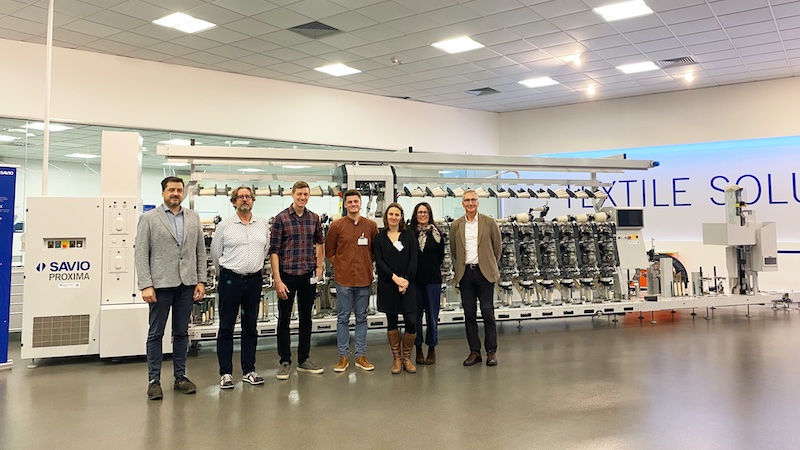
Savio Macchine Tessili S.p.A. from Italy collaborates with the Recycling Atelier of Technical University of Applied Sciences Augsburg and ITA Augsburg since September 2024. Savio will support the Recycling Atelier in the areas of winding and quality control of yarns. This cooperation completes the process chain for mechanical textile recycling and opens up new research possibilities.
Meeting in Pardenone between Savio and ITA. From left to right: Fabio D’Angolo (Savio), Jürgen Krüger (Savio), Georg Stegschuster (ITA), Justin Kühn (ITA), Nicole Hühn (ITA), Eva Babbo (Savio), Mauro Moro (Savio). Source: ITA Augsburg © 2025


Savio Macchine Tessili S.p.A. specialized in the textile machinery sector for the yarn finishing segment. The Italian company offers a portfolio of winding, twisting, air-jet spinning, shrinking and bulking machines with manufacturing plants in Italy and Asia. It has been operating for more than 110 years. The partnership adds another step to the process chain for mechanical textile recycling, completing it and opening up research possibilities in the areas of winding and quality control of yarns. 

The Recycling Atelier partner network consists of twelve industrial companies that together cover the entire process chain of mechanical textile recycling. The addition of Savio Macchine Tessili S.p.A. is an important component for the high-quality recycling of textiles. Savio contributes not only by sharing their valuable know-how in the winding field. The company also provides Proxima Smartconer® winder to the Recycling Atelier. The winding process is crucial for the quality of the yarn. Winding is the last step of the spinning process where the yarn can be controlled and qualified before it goes to the downstream processes of weaving, knitting, dyeing, and finishing. 

Know-how directly from the manufacturer

Dr.-Ing. Georg Stegschuster, Head of Recycling Atelier, says: “Savio winding machines offer high productivity, low energy consumption, premium yarn quality, automation, and data connectivity. Those criteria are ideal for the setup in the Recycling Atelier. Plus, we receive insightful know-how directly from the manufacturer. We are looking forward to the cooperation and the positive impact that Savio's involvement will bring to our applied research.” 

Mauro Moro, CEO of Savio Macchine Tessili, is delighted about the partnership with the Recycling Atelier Augsburg: “The collaboration with the Recycling Atelier Augsburg is a step forward to advancing research in winding technology and quality control within the recycling context.”

Prof. Mesut Cetin, Institute Director of ITA Augsburg and professor at the Faculty of Mechanical and Process Engineering at Augsburg University of Applied Sciences, explains the impact and work of the Recycling Atelier: “The Recycling Atelier, ITA Augsburg and the Technical University of Applied Sciences Augsburg see themselves as a catalyst for industry towards sustainability. We welcome innovation and progress in any form. Whether application-oriented content or basic research, whether publicly funded projects or direct contract research - we are open to any exchange between industry and research.”
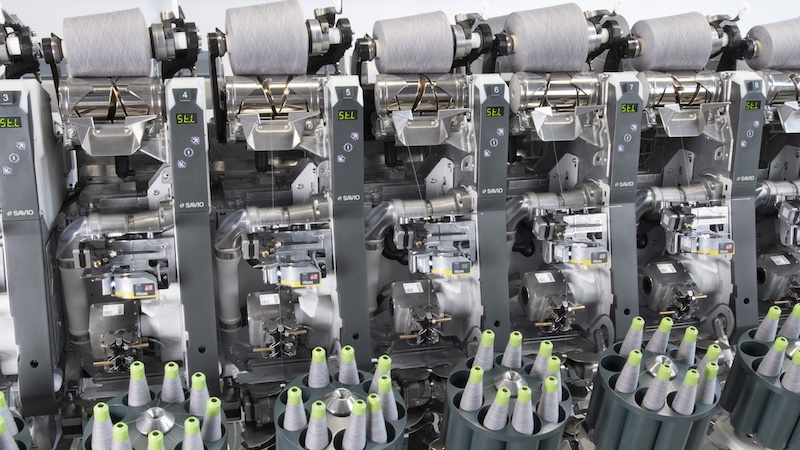
Winder “Proxima” from Savio Macchine Tessili S.p.A. Source: Savio Macchine Tessili S.p.A. © 2025


More News from Savio Macchine Tessili S.p.A.

More News on Spinning

#Spinning

Ibrahim Fibres and Trützschler: A strong partnership enters its next phase with the TC 30Si

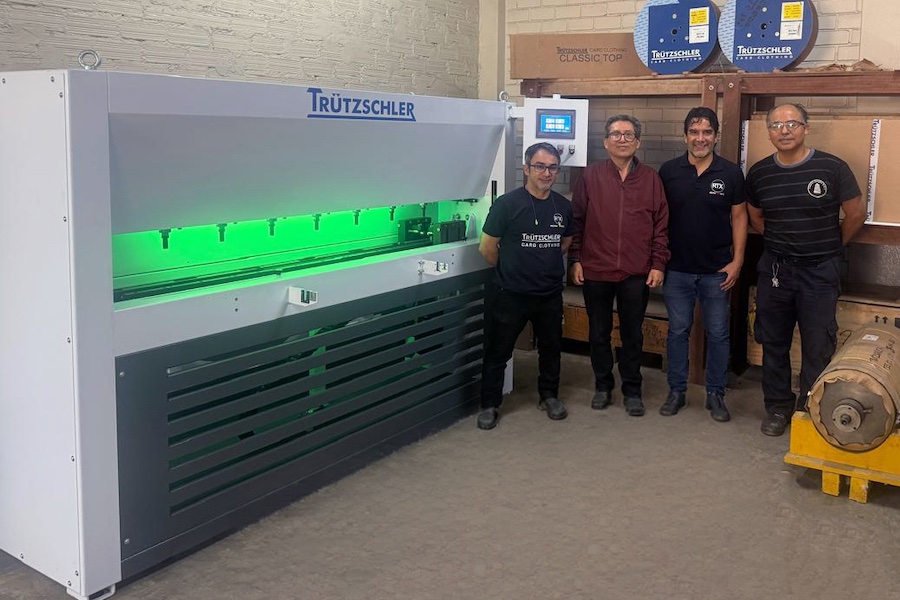
For more than two decades, Ibrahim Fibres and Trützschler have grown side by side, driven by a shared ambition to continuously improve spinning performance, strengthen technology leadership and set new benchmarks in the textile industry. Today, Ibrahim Fibres is a leading yarn and polyester staple fiber manufacturer in Pakistan. The company operates the largest number of Trützschler cards in the country, with more than 200 machines running across its mills in Faisalabad, and plays an important role in one of Asia’s largest textile industries.

#Spinning

Object Carpet tests production of rPET BCF yarn on Neumag BCF line

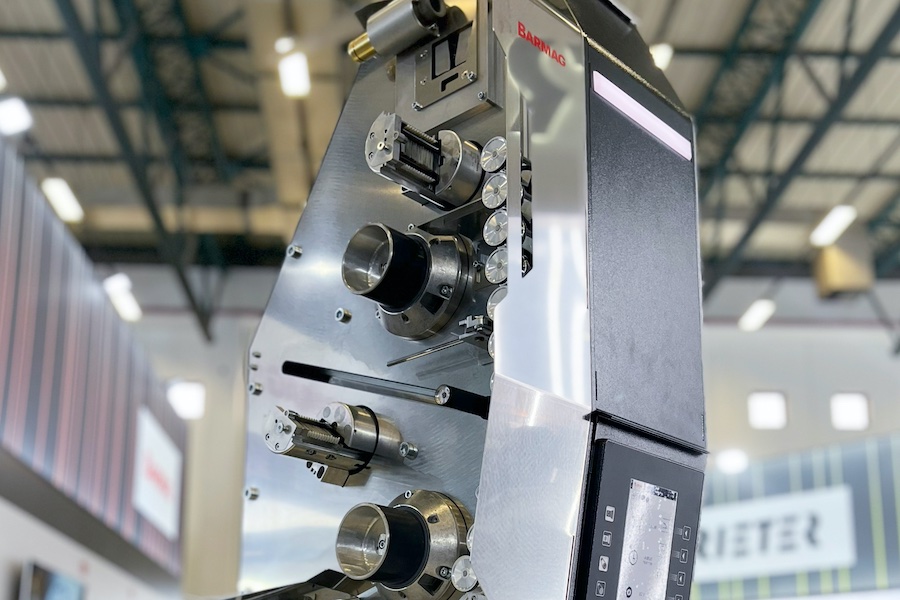
In a joint project with Object Carpet GmbH, Denkendorf; the Institute for Textile Technology (ITA), Augsburg; and Next Generation Recyclingmaschinen GmbH (NGR), Feldkirchen, Austria, Barmag investigated the processing of recycled polyester for BCF yarn. The goal was to evaluate the fundamental suitability of 100% recycled carpet material for reuse in carpet yarn production to create a closed-loop system in carpet manufacturing. To date, commercial rPET BCF processes have been based solely on rPET from bottle pellets.

#Spinning

New spinning package with two-step filtration for recycled yarns and more

At the ITM in Istanbul, BB Engineering unveiled its new, patented ValuePack spinning package for the first time, which features a two-stage filtration system. This is particularly beneficial for re-cycling processes. Until now, spinning packs have used either metal powder (“sand”) or filter candles as filter media. Both options are suitable for differ-ent applications, and each has its own specific advantages and dis-advantages.

#Research & Development

GenuTrace client advisory: Is your cotton supply chain UFLPA ready?

U.S. Customs and Border Protection has released updated operational guidance (CBP Publication No. 5560-0526) expanding its forced labor enforcement framework. The guidance supersedes the original 2022 UFLPA Operational Guidance and now covers all forced labor enforcement authorities — UFLPA, CAATSA, and WROs/Findings — in a single unified document. For cotton importers, the enforcement posture has not softened. It has become more structured, more documented, and more demanding. Learn more about UFLPA.

Latest News

#Textile processing

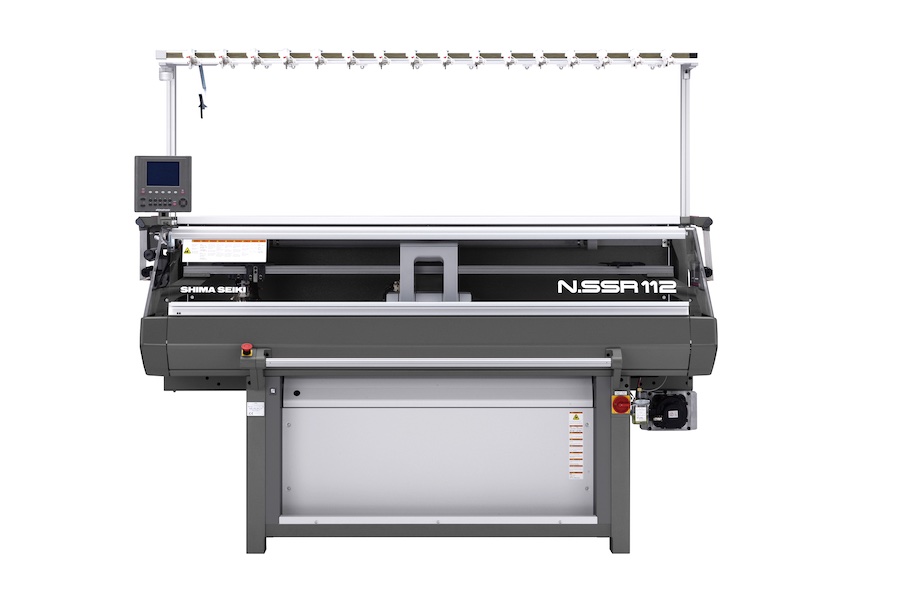
Dedicated car seat model of SHIMA SEIKI’s P-CAM® R Cutting Machine unveiled

Leading Japanese textile solutions provider SHIMA SEIKI MFG., LTD. of Wakayama, Japan, showed a special version of its P-CAM® R multi-ply computerized cutting machine dedicated to the production of car seats for the first time, at a private exhibition held over two days on Thursday, July 2nd and Friday, July 3rd at the Kariya City Industrial Promotion Center in Aichi Prefecture.

#Research & Development

ALADIN paves the way for circular and demand-driven textile production in Europe

Textile production can be organized sustainably by utilizing short supply chains and preventing overproduction. This can already be achieved today by intelligently connecting and efficiently utilizing existing infrastructure. At the same time, production becomes circular when innovative technologies and materials are used that enable high-quality recycling. The ALADIN research project, launched in May 2026 and co-funded with five million euros under the EU Horizon Europe program, is creating the conditions for this.

#Nonwovens

Katharina Obergruber appointed to the Management Board of Sandler AG

The Supervisory Board of Sandler AG has appointed Katharina Obergruber to the company’s Management Board. Effective September 1, 2026, the Board will consist of Philipp Ebbinghaus (CEO), Dr. Ulrich Hornfeck (currently CCO, future COO), and Katharina Obergruber (CCO). Katharina Obergruber, currently Chief Sales Officer Hygiene and member of the Management Team of Sandler AG, will assume responsibility for all sales activities as Chief Commercial Officer. She will assume this role from Dr. Ulrich Hornfeck, who will focus primarily on production and supply chain topics.

#Recycling / Circular Economy

Ence and ShareTex begin initial testing of the ATENEA innovation project to promote textile recycling in Spain

Ence and ShareTex are making progress on the Atenea R&D project, which aims to develop a complete value chain for textile recycling in Spain. Specifically, the goal of the ATENEA project—which is funded by the Center for Technological Development and Innovation (CDTI)—is to connect all the necessary stages for the recovery of textile waste, from collection and management, through recycling and transformation into new raw materials, to their incorporation into new textile products.

TOP