[pageLogInLogOut]

#Raw Materials

BCI’s Large Farm Symposium: Driving farm-level impact through collaboration and knowledge sharing

© 2021 BCI
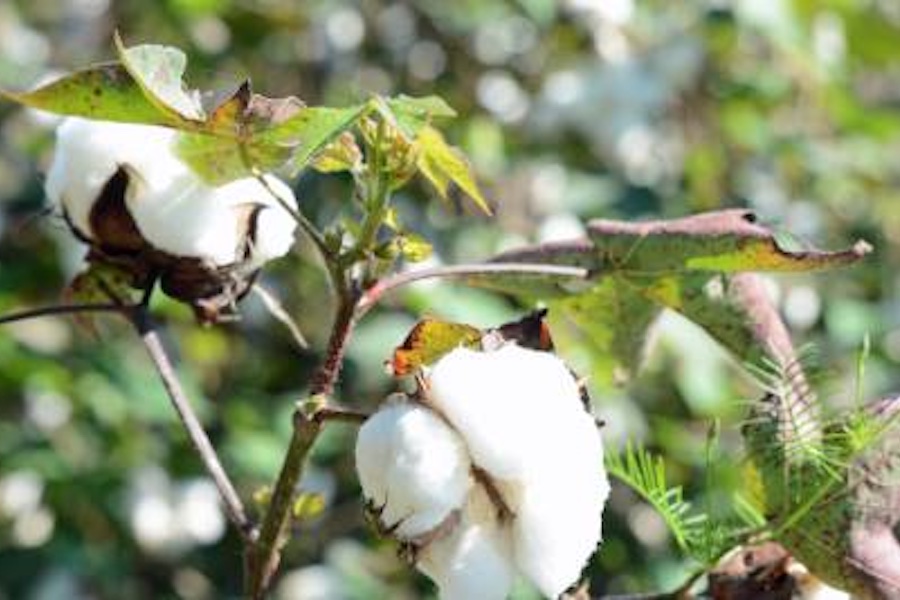
Large farms play a key role in the cotton sector. While the majority of global cotton farmers are smallholders, producing 75% of the 25 million metric tonnes of global cotton production annually*, large farmers continue to contribute significantly to more sustainable cotton production. Notably in Brazil, large farms produced the largest volume of Better Cotton in the 2019-20 season, growing over 2.3 million metric tonnes or over 37% of the total Better Cotton produced globally.

While growing cotton at scale, the impacts of growing cotton more sustainably are amplified, especially around climate change mitigation and carbon sequestration. As BCI aims to transform the cotton sector, including all key players in the cotton sector is important. Learn more about how BCI is exploring the landscape approach to strengthen impact.

What is the difference between smallholders, medium farms and large farms?

Smallholders: Farmers who are not structurally dependent on permanent hired labour, and whose farm size does not exceed 20 ha of cotton.

Medium Farms: Farmers who are structurally dependent on permanent hired labour, and whose farm size is between 20 to 200 ha of cotton.

Large Farms: Farmers who have a farm size above 200 ha of cotton, and either have mechanised production, or are structurally dependent on permanent hired labour.

BCI also recognises that due to the scale of production and resources, large farms can be a nest of technological innovation in areas such as reducing water consumption. One example is the use of soil moisture probes that indicate when irrigation is required and can be monitored and managed through mobile apps. Remote monitoring of vast field conditions is worthwhile for farmlands that can spread across 200 hectares of land, but these best practices on large farms also create the opportunity for replication in other contexts and countries. BCI provides a framework to assess the sustainability of large farms to adopt more sustainable practices and the platform to collaborate across farming communities to catalyse change.


On 11 August 2021, BCI hosted the first BCI Large Farm Symposium to drive impact through collaboration. The online event gathered around 100 participants from 11 cotton growing countries and organisations—Australia, Brazil, Greece, Israel, Kazakhstan, Mozambique, Pakistan, South Africa, Turkey, the United States, GIZ, IFC and BCI. The symposium brought large farms together to promote knowledge sharing on common best practices that are specific to large scale cotton production. In spite of technical difficulties, virtual interactions enabled partners from Israel, Australia, Brazil, the US and Turkey to share on pest management and biodiversity practices, followed by small group discussions.

Photo credit: Cotton Australia


The Symposium created momentum for strengthening BCI’s community of practice on large scale cotton production. The presentations and final report will be soon available to participants and relevant partners.

Engaging with all our partners is crucial for BCI to strengthen its position within the sector and to be increasingly recognised as a reliable actor to transform the way in which cotton is produced worldwide. Learn more about BCI Partnerships.


*Source: https://www.idhsustainabletrade.com/sectors/cotton/


More News from TEXDATA International

#Texprocess 2026

Texprocess 2026: Automation, digitalisation and AI reshape textile processing

Investment decisions in textile processing have become increasingly complex. Rising energy prices, labour shortages and geopolitical uncertainties are forcing companies to prioritise technologies that deliver measurable improvements in efficiency and process stability. This applies not only to apparel production, but also to the processing of technical textiles and high-performance materials. Modernisation projects are therefore being evaluated more selectively – but the pressure to upgrade production systems continues to grow. Texprocess 2026 reflects this tension between cautious investment behaviour and increasing technological demand.

#Techtextil 2026

Textile Chemicals & Dyes: Innovation in Textile Chemistry moves into focus at Techtextil 2026

From PFAS-free finishes and water-saving dyeing technologies to advanced coatings and recycling-compatible formulations, innovation in textile chemistry is accelerating across the industry. Reflecting this development, Techtextil 2026 introduces Textile Chemicals & Dyes as a dedicated product segment, highlighting the growing role of chemical solutions in shaping the next generation of technical textiles.

#Recycling / Circular Economy

textile.4U publishes special edition “Top 100 Textile Recycling Companies 2025”

With a comprehensive 176-page special edition, textile.4U is dedicating its latest issue entirely to one of the most dynamic and influential topics in today’s textile industry: textile recycling. The new issue, published exclusively in high-quality print, presents the Top 100 textile recycling companies researched and selected by TexData – organizations that already play a key role in the transition to circular textiles or are expected to have a significant impact in the near future.

#Recycling / Circular Economy

Responsible Textile Recovery Act of 2024 signed by Governor

Senator Josh Newman (D-Fullerton) is proud to announce that Senate Bill 707 (SB 707), the Responsible Textile Recovery Act of 2024, has been signed into law by the Governor of California, Gavin Newsom. This groundbreaking legislation establishes the country’s first Extended Producer Responsibility (EPR) textile recycling program, marking a significant step forward in the state’s efforts to combat waste and promote sustainability.

More News on Raw Materials

#Raw Materials

A Powerful Opening: Global thought leaders launch the International Cotton Conference Bremen

The International Cotton Conference Bremen will open on 25 March 2026 in the Parliament building of the Free Hanseatic City of Bremen with a keynote session of exceptional calibre. Distinguished international experts will set the stage for the conference by offering incisive perspectives on the most pressing challenges and the defining trends shaping the future of the global cotton trade. Their insights will span a broad spectrum — from geopolitically driven disruptions affecting global supply chains to the opportunities emerging from innovation-led agriculture capable of supporting a growing world population. Together, these opening keynotes will frame the dialogue of the conference, highlighting both the complexity of today’s market environment and the pathways toward a resilient and forward-looking cotton sector.

#Raw Materials

Lenzing Group positions bio‑based materials as a strategic asset for Europe’s economic security

The Lenzing Group, a leading supplier of regenerated cellulose fibers for the textile and nonwovens industries, hosted a high‑level roundtable in Brussels to discuss how bio‑based materials can strengthen Europe’s economic security and support the shift toward a fossil‑free future. Organized in cooperation with Euractiv, the event brought together representatives of the European Commission, the UK Mission to the EU, academia, civil society, and industry.

#Natural Fibers

Beyond Cotton: Natural Fibres in the Spotlight at the Bremen Cotton Conference - Branded by DNFI

Climate targets, fragile supply chains, and rising regulatory requirements are fundamentally changing the perspective of the textile industry - the focus is increasingly shifting toward the base material. Not only cotton, but natural fibres are gaining significant importance: they stand out not only because of their outstanding functional properties, but also because they make a valuable contribution to the bioeconomy and responsible product development.

#Raw Materials

International Women’s Day: Cotton made in Africa strengthens equality for women through targeted investments

On the occasion of International Women’s Day—which will be observed on 8 March under the motto “Rights. Justice. Action. For ALL Women and Girls”—the Aid by Trade Foundation (AbTF), which is responsible for Cotton made in Africa® (CmiA), underlines its long-standing and ongoing commitment to the equality of women in African cotton production areas.

Latest News

#Techtextil 2026

STFI presents concepts for the textile circular economy and solutions for a healthy and safe life at Techtextil

Sächsisches Textilforschungsinstitut e.V. (STFI) has been supporting companies in developing marketable innovations for over 30 years. With a clear focus on sustainability, the environment, health and protection, the STFI offers future-oriented research, textile testing for tailor-made solutions and certification of per- sonal protective equipment. At Techtextil 2026, the institute will present ideas for the textile circular econ- omy and showcase solutions for healthy and safe living.

#Techtextil 2026

Cetex: Textile innovations “Made in Saxony” at Techtextil

This year, the Cetex Institut gGmbH is once again not only exhibiting but also organising a joint booth at Techtextil. Together with co-operation partners, textile innovations “Made in Saxony” will be presented on almost 85 m². The spectrum covers everything from textile machine construction and the manufacture of technical textiles to measuring and testing technology, with research and development also having its place.

#Composites

Kordsa showcases its global expertise in material technologies at JEC World 2026

Kordsa, a subsidiary of Sabancı Holding, shared its global expertise in material technologies with participants at JEC World 2026, held in Paris. The company’s solutions developed for a wide range of industries—particularly aviation, energy, and automotive—stood out among its key innovations at the exhibition. Throughout the event, Kordsa also presented its vision for sustainable growth and its strategic transformation in composite technologies to international stakeholders.

#HIGHTEX 2026

The global meeting point of the technical Textiles and nonwoven industry: HIGHTEX 2026

One of the world’s most prestigious technical textiles and nonwoven exhibitions, the HIGHTEX 2026 International Technical Textiles and Nonwoven Exhibition, is preparing to open its doors to industry professionals at the Tüyap Fair and Congress Center in Istanbul between June 9–13, 2026. Bringing together manufacturers, technology developers, and global buyers from all around the world in the field of technical textiles, HIGHTEX 2026 will be an important platform showcasing the sector’s innovative solutions and paving the way for new collaborations.

TOP