[pageLogInLogOut]

#Man-Made Fibers

IMG Group, parent of Evertis and Selenis, launches Everbio Innovation Hub backed by €15 million in financing from C2 Capital Partners

A global industrial platform for circular polymer innovation, advancing perPETuity® and the next generation of recycled and bio-based polymer materials and technologies

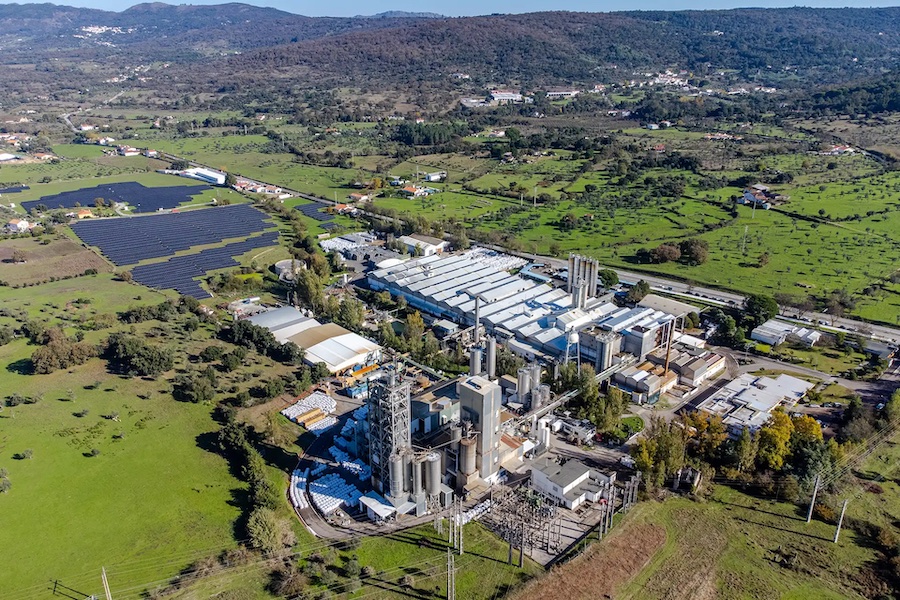
IMG Group launched the Everbio Innovation Hub, backed by €15 million in financing from C2 Capital Partners. Located at the Group’s industrial site in Portalegre, Portugal, the Everbio Innovation Hub brings together the capabilities of Evertis (PET-based packaging films), Selenis (specialty copolyester resins), Renascis (advanced multilayer recycling) and Renewis (renewable energy) to develop, test and mature the next generation of recycled and bio-based polymer materials and technologies.


Anchored by the industrial expertise of Evertis and Selenis, the Everbio Innovation Hub operates as a global industrial platform integrating the Group’s polymer, packaging, recycling and energy capabilities under one ecosystem, bridging the critical gap between laboratory innovation and industrial-scale production.

By integrating these capabilities - including the industrially proven perPETuity® delamination technology - under one industrial roof, the Everbio Innovation Hub accelerates the Group’s ability to deliver integrated, circular solutions tailored to key service markets including food, pharmaceutical and medical packaging. This integration eliminates the traditional barriers between material science and waste processing, allowing the Everbio Innovation Hub to deliver high-performance, circular solutions designed for the rigorous demands of critical packaging applications.

“For nearly seventy years, this Group has built its industrial capabilities on a strong belief - that materials should serve people and the planet across generations. Everbio is the next chapter: a hub where our polymer, packaging, recycling and renewable energy companies bring the circular economy from concept to industrial scale,” said Manuel Matos Gil, President of IMG Group. “We are proving - across polymers, packaging, recycling and renewable energy - that circular materials at industrial scale are no longer a future ambition; they are today’s reality.”

The Everbio Innovation Hub’s inaugural technology, perPETuity®, is a solvent-free process that transforms complex multilayer plastics into PET flakes of greater than 99.9% purity. By creating virgin-quality material safe for sensitive industries like food and healthcare, perPETuity® proves how the combined expertise of IMG Group members Evertis and Renascis converts recycling challenges into scalable, circular solutions. This collaboration enables true closed-loop recycling for packaging where safety and shelf-life are non-negotiable.

The Everbio Innovation Hub’s R&D programme is backed by a €15 million investment from C2 Capital Partners, supporting the development and industrial scale-up of next-generation recycled and bio-based polymer materials and technologies. Established in 2024 by IMG Group to unify R&D activities previously dispersed across Evertis, Selenis and Renascis, the Everbio Innovation Hub now concentrates the Group’s technological work across perPETuity®, recycled films and bio-based polymers - accelerating the path from laboratory innovation to industrial-scale implementation.

The industrialization of these technologies comes at a critical juncture for businesses operating within the European Union, where the European Green Deal sets the framework for the circular transition. The Packaging and Packaging Waste Regulation (PPWR) requires that all packaging within the EU market must be recyclable by 2030, with strict targets for recycled content and rigorous traceability.

The Everbio Innovation Hub integrates in-house testing and coextrusion at scale, allowing brands to meet recyclability and recycled-content targets without sacrificing performance. This integrated approach extends across the entire value chain, offering EU businesses the infrastructure needed to secure their supply chains against future regulatory shifts.

More News from Selenis

#Man-Made Fibers

Selenis acquires Polisan Hellas assets and expands specialty copolyester production to more than 200,000 tonnes by 2028

Continuous polymerisation joins Selenis’ existing lines in Portugal, Italy, Tunisia and the United States. Customers get the same grades from more than one site, supply from within their region and the cost base of continuous production for high-volume grades. Priority markets: shrink sleeves, film and sheet, healthcare, 3D printing filaments and textile to textile recycling.

#Man-Made Fibers

Selenis and Kintra Fibers partner to scale 100% bio-based synthetic fiber technology

Selenis, a leading global specialty polyester manufacturer, today announced a strategic manufacturing partnership with materials science company Kintra Fibers to scale Kintra’s patented fiber-grade PBS resin - a 100% bio-based and biodegradable material designed for textile applications.

#Recycled Fibers

Selenis to double capacity in Portugal by Q3 2027 - Accelerating the Global transition to circular and low-carbon polyesters

Selenis, a global leader in high-performance specialty polyesters and part of the IMG Group, has announced a transformational expansion of its industrial headquarters in Portalegre, Portugal. This strategic investment is set to double the site’s production capacity by the third quarter of 2027, significantly accelerating the industrial scale-up of bio-based, medical-grade, and circular co-polyesters.

#Recycling / Circular Economy

Selenis launches Texnascis for textile circularit

Selenis, a leading global manufacturer of specialty polyesters, today announced the launch of Texnascis, its new brand dedicated to textile-to-textile recycling. Texnascis will become the vehicle to deliver Selenis mission to drive the textile industry towards a circular future by transforming textile waste into innovative products for re-use.

More News on Man-Made Fibers

#Man-Made Fibers

Dornbirn GFC 2027 launches call for papers with a focus on industrial and market impact

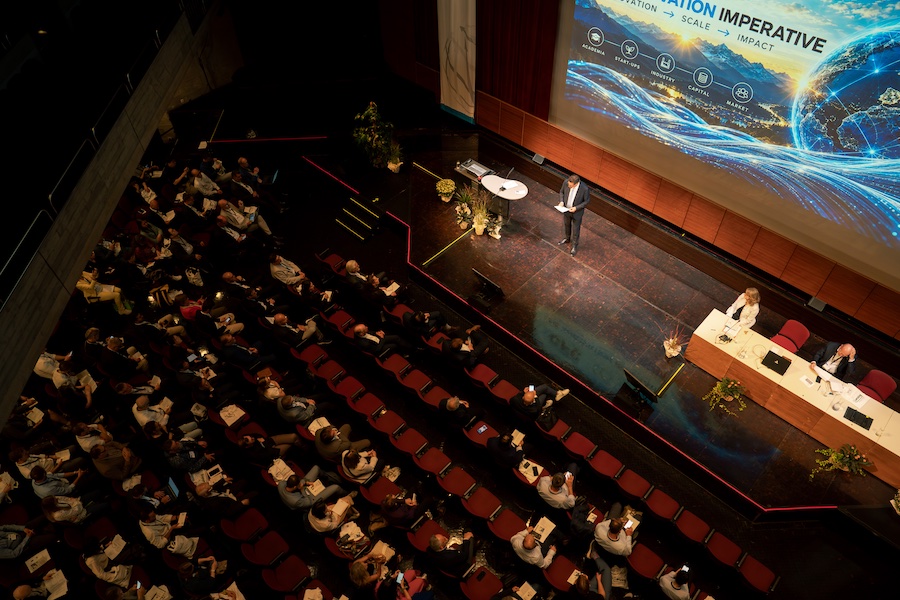
The Dornbirn Global Fiber Congress (Dornbirn GFC) has launched its call for papers for the 66th edition of the international conference, which will take place from 14 to 16 September 2027 in Dornbirn, Austria. Under the theme “From innovation to industrial & market impact”, the congress will focus on six key topics, addressing technological innovation, industrial implementation and emerging market opportunities across the fibre and textile value chain. Researchers, developers and companies are invited to submit their presentation proposals by 15 February 2027.

#Research & Development

Empa develops liquid-core fibre for insecticide-treated mosquito nets

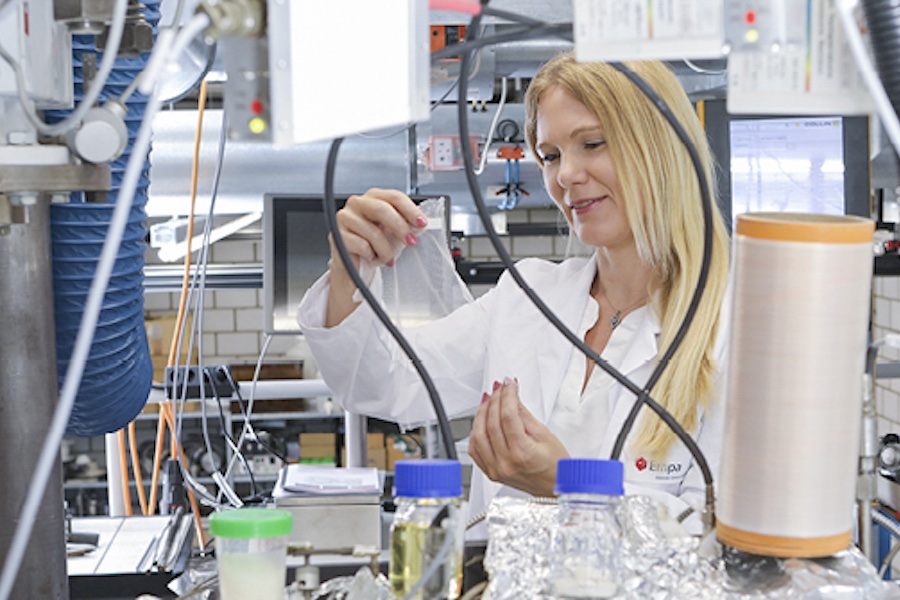
Empa researchers have developed a liquid-core fibre for mosquito nets that can incorporate insecticides unsuitable for conventional melt spinning. The fibre gradually releases the active ingredient through a polymer sheath. The team developed and tested the yarn over three years in the Innosuisse project MalCoFil with Swiss industry partners Vestergaard and Monosuisse.

#Nonwovens

Lenzing invests EUR 27 million in US facility to expand specialty fibers for nonwovens

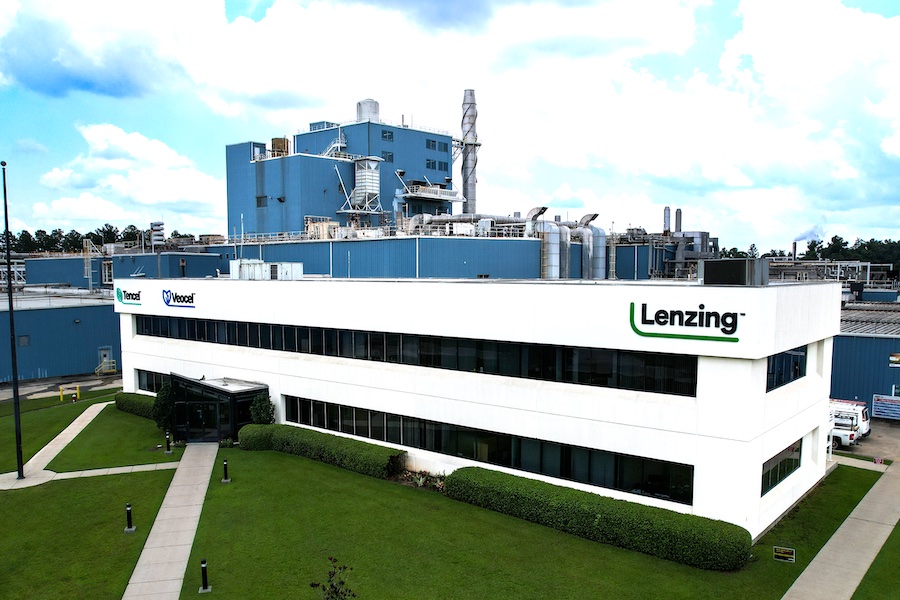
The Lenzing Group is investing EUR 27 million (USD 31 million) to expand specialty fiber production capabilities at its lyocell fiber site in Mobile, Alabama, USA. The investment forms part of the company’s “Grow NW. Reset TX.” strategy and will strengthen its global Nonwovens business, with a particular focus on short-cut fibers and customized wood-based solutions for specialty applications.

#Man-Made Fibers

Lenzing improves profitability as strategic transformation gains momentum

The Lenzing Group reported improved operating profitability in the first nine months of 2026 despite declining revenue and a challenging market environment. Revenue decreased by 2.3 percent to EUR 1.93 billion, while adjusted EBITDA remained stable at EUR 353 million. The adjusted EBITDA margin increased from 17.9 percent to 18.3 percent, reflecting progress in the company's strategic transformation under its “Grow Nonwovens. Reset Textiles.” strategy.

Latest News

#Spinning

Alexander Hoffmann to succeed Klaus Schäfer and Wolfgang Imping as managing director of BB Engineering

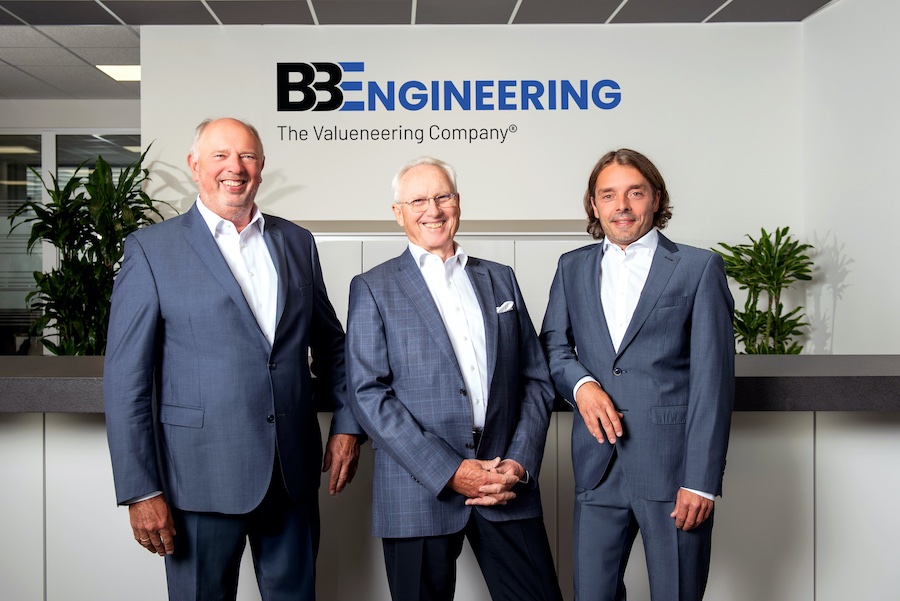
Starting January 1, 2027, Alexander Hoffmann will take over as managing director of BB Engineering GmbH, a German manufacturer of machinery and equipment for the plastics and textile industries. He succeeds Dr.-Ing. Dr. h.c. Klaus Schäfer and Wolfgang Imping, who will both retire at the end of 2026.

#Raw Materials

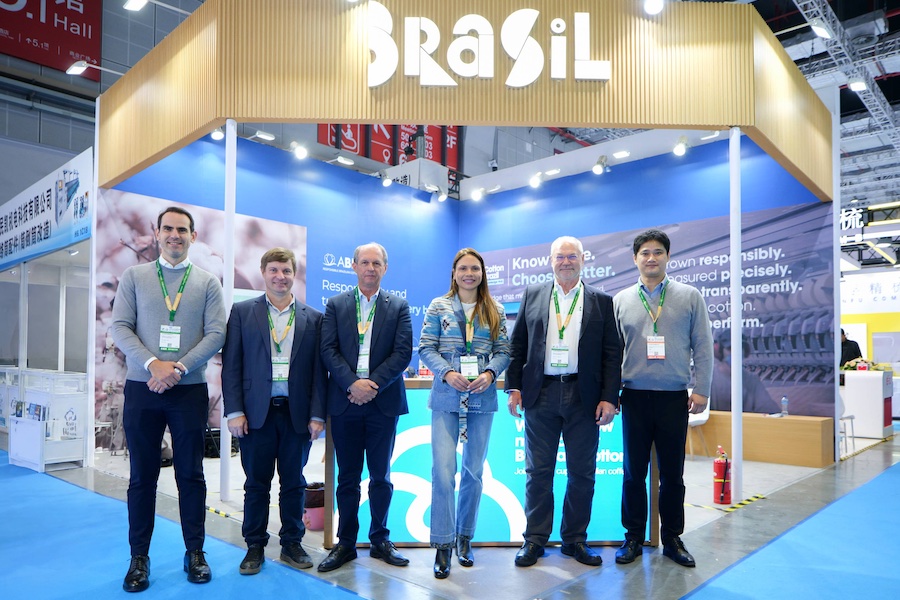
Cotton Brazil strengthens ties between Brazilian growers and the international textile industry at ITMA ASIA 2026

Cotton Brazil's participation in ITMA ASIA + CITME 2026 in Shanghai highlighted responsible production, traceability, fibre quality and technical knowledge sharing as key differentiators of Brazilian cotton. Strengthening relationships between Brazilian cotton growers and the international textile industry was a central objective of the initiative at the exhibition, which took place from November 20 to 24.

#India ITME 2026

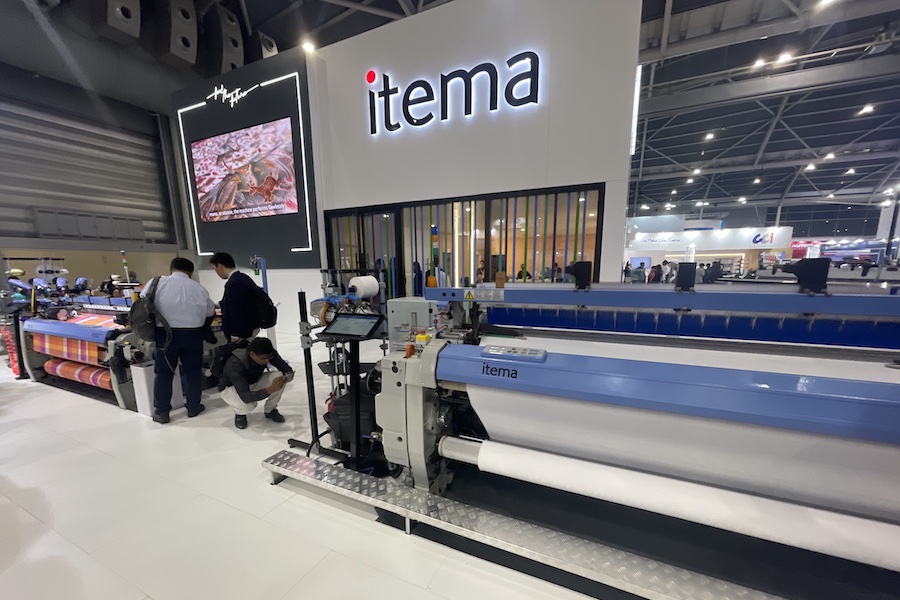
Itema demonstrates weaving versatility for apparel, suiting and sarees at India ITME 2026

At India ITME 2026, taking place from December 4 to 9 in Greater Noida, Itema will present three weaving machines configured for specific requirements of the Indian textile industry. Visitors to Hall 15, Stand G9 will see an A9500EVO air-jet weaving machine and two R9500EVO rapier weaving machines producing fabrics for apparel, suiting and sarees.

#India ITME 2026

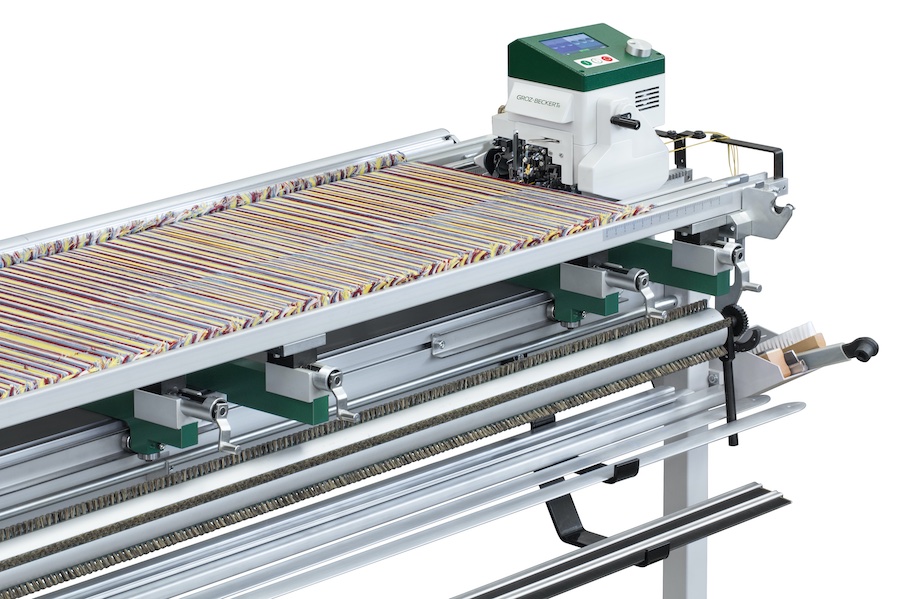
Groz-Beckert targets energy efficiency, productivity and process reliability across six textile technology sectors at India ITME 2026

At India ITME 2026 in Greater Noida from 4 to 9 December, Groz-Beckert will present its latest innovations across all six product areas – Knitting, Weaving, Nonwovens, Sewing, Tufting and Spinning. At Hall 14, Booth B6, the German textile technology specialist will showcase advanced components, systems, services and digital solutions designed to improve energy efficiency, productivity, process reliability and textile quality while addressing the increasingly diverse requirements of modern textile manufacturing.

TOP