#Recycled Fibers
Reju expands textile-to-textile recycling network with six international fabric manufacturers
Collaborations with mills in Europe and the Americas aim to accelerate the development of market-ready fabrics made from regenerated polyester, connecting future recycling capacity with downstream textile manufacturing.

The participating companies are A. Sampaio, RDD Textiles, Tintex Textiles, FOV Fabrics and Utenos Trikotažas in Europe, together with Swisstex Direct in the Americas. Their combined expertise covers circular knitting, seamless construction, technical woven fabrics, dyeing and finishing, and integrated garment manufacturing.
The ongoing development projects are intended to establish the manufacturing capabilities required to transform regenerated polyester from Reju's future Regeneration Hubs into finished textile products.
Six mills contribute complementary manufacturing expertise
The participating manufacturers represent different segments of the textile value chain.
A. Sampaio, based in Portugal, brings more than 79 years of experience in circular knitted fabrics, while RDD Textiles, also based in Portugal, specialises in seamless and circular knit manufacturing, including certified recycled-content traceability.
Tintex Textiles, a certified B Corporation, contributes expertise in jersey fabrics and advanced dyeing and finishing technologies designed to reduce environmental impacts.
Swedish manufacturer FOV Fabrics specialises in high-performance woven fabrics for demanding technical and functional applications.
Utenos Trikotažas, based in Lithuania, operates as a vertically integrated manufacturer of circular knitted fabrics and garments, drawing on more than five decades of textile manufacturing experience.
Swisstex Direct, with operations in Los Angeles, California, and El Salvador, contributes knitting, dyeing and finishing capabilities.
Together, the companies provide Reju with access to a range of manufacturing technologies, from circular knitting and technical weaving to finishing processes and traceability systems.
Connecting regenerated polyester with commercial fabric production
The collaborations are intended to address a central challenge in textile-to-textile recycling: ensuring that regenerated materials can be processed into fabrics that meet the technical, quality and production requirements of textile manufacturers and brands.
Each workstream is linked to specific development projects within Reju's expanding manufacturing network. According to the company, these activities reflect demand identified through its growing number of development agreements with brands.
“Every selected mill with whom we are working adds to our circular textile system,” said Patrik Frisk, CEO of Reju. “As plans for Reju's future Regeneration Hub network grows, so will our ability to deliver a consistent, high-quality regenerated polyester that manufacturers and brands can then build on.”
The different manufacturing specialisations are expected to support the evaluation of regenerated polyester in a broader range of applications, including apparel fabrics and technical textiles.
Expansion of regeneration infrastructure
The announcement follows several developments in Reju's plans to establish an international network of polyester regeneration facilities.
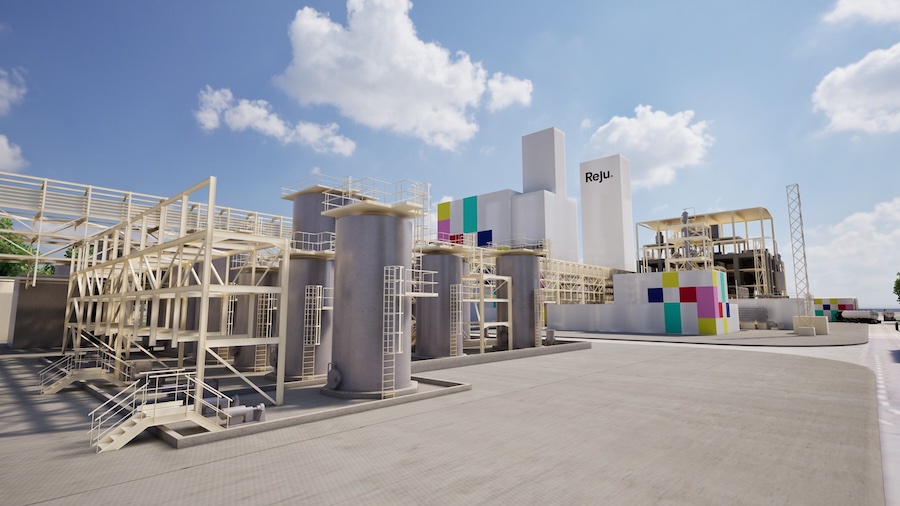
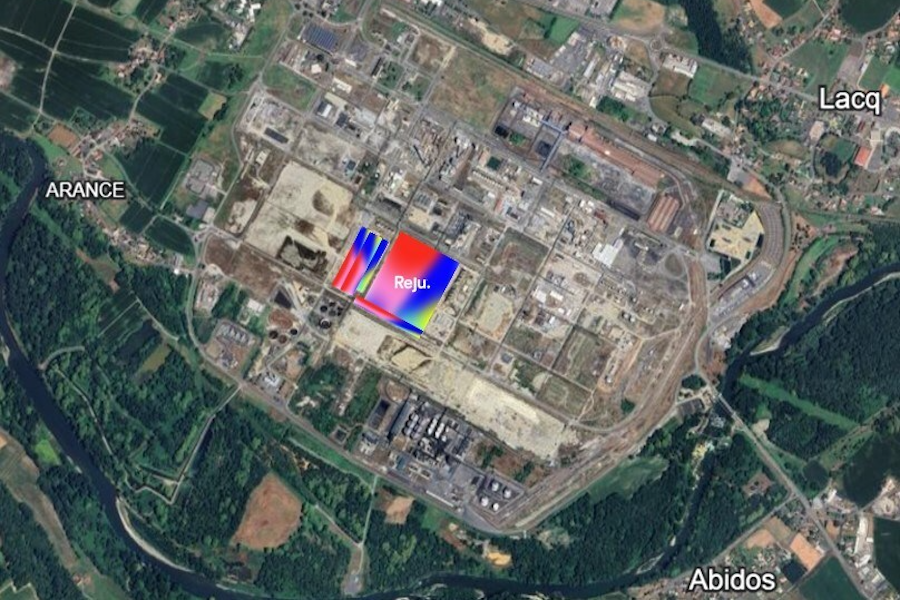
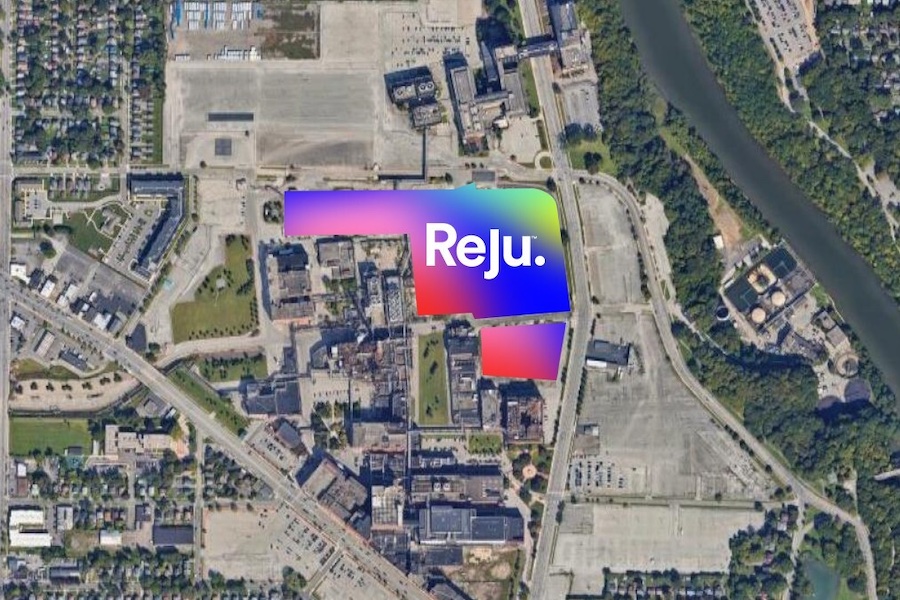
These include the selection of Rochester, New York, as the location for its first North American Regeneration Hub and Lacq, France, as another planned facility location.
In the Netherlands, Reju has also secured EUR 135 million in funding support through the Dutch government's NIKI programme for industrial climate investments.
The planned infrastructure is intended to provide regenerated polyester for downstream processing by textile manufacturers.
“By bringing mills like these into our ecosystem, we can turn regenerated material into real product,” Frisk added. “It's how we close the loop, not just in theory, but from textile waste to finished fabric.”
By linking regeneration technology with established fabric manufacturing capabilities, Reju aims to advance the development of textile-to-textile recycling supply chains capable of supplying materials for commercial textile applications.