[pageLogInLogOut]

#Industry 4.0 / Digitalization

BMSvision partners with SEITech Solutions

SEITech Solutions, a leading provider of cutting-edge technologies and services and BMSvision, Belgian expert in Manufacturing Execution Systems have entered into a sales and service co-operation agreement to bring the best MES-systems to the plastics and textile industry in the Middle East.

SEITech Solutions was established in 2019 by a group of friends with the goal to become a leading technology provider and system integrator, focusing on IoT and Industry 4.0 for the North African and Middle East markets. SEITech Solutions today is the certified distributor and service partner for KEBA, Gefran and Cannon Automata and as of now, also for BMSvision.

With over 40 years of experience, BMSvision is a leading global supplier of Industry 4.0 MES systems, with focus on the plastics and textiles industry. A group of highly skilled R&D experts develops hardware and software solutions that help customers optimize their operations. A team of project managers and field engineers install and service the solutions on a global scale. Today, leading companies all over the world rely on the BMSvision MES Systems for the daily management of their operations.

During many years BMSvision has built its expertise learning from a large installed base and enables its customers to use MES integrated with ERP, accomplishing the new demands of Industry 4.0 and the Smart Factory.

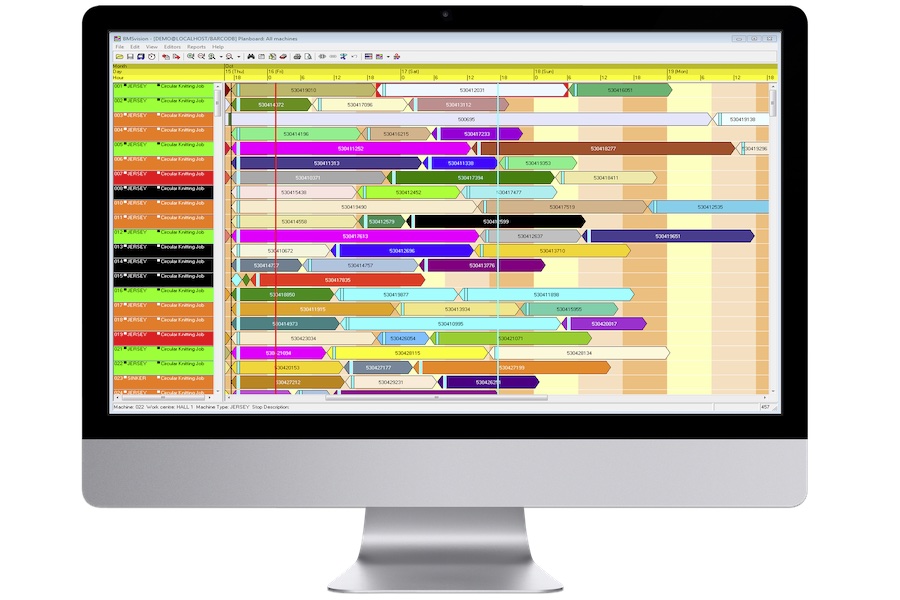
With this co-operation, SEITech Solutions and BMSvision will support textile and plastics processing companies in the Middle East in their path to digital production and offer them customized solutions for better utilization of their machines as well as for increasing their overall equipment effectiveness (OEE).
(c) 2020 SEITech
(c) 2020 SEITech


More News from BMSvision

More News on Industry 4.0 / Digitalization

#Research & Development

Textilfabrik 7.0 launched: Mönchengladbach becomes a real-world lab for sustainable textile production

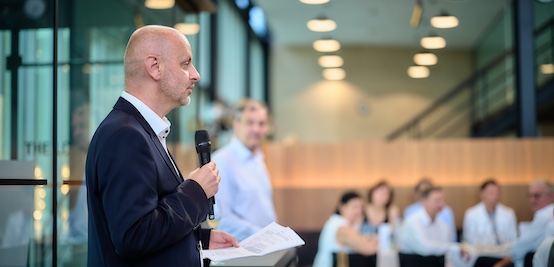
With the official kick-off event of the Textilfabrik 7.0 (T7), a major transformation project for the German textile and apparel industry has been launched in the Monforts Quarter in Mönchengladbach. At the “Textile Roundtable,” an event format organized by the Zukunftsagentur Rheinisches Revier, representatives from industry, research, politics, and the regional economy came together to jointly lay the foundation for CO₂-neutral, circular, and economically viable textile production in Germany.

#Man-Made Fibers

OnceMore® from Södra brings end-to-end traceability for circular Man-made Cellulosic Fibers (MMCF) using TextileGenesis

OnceMore® from Södra, the world’s first large-scale process for recycling blended fabrics into high‐quality dissolving pulp, will begin using TextileGenesis, a Lectra company, to strengthen traceability from raw material to retail across the value chain. OnceMore® produces dissolving pulp made from blended textile waste and wood sourced from responsibly managed Swedish forests. By integrating TextileGenesis, OnceMore® supports the growing need for verified data and secure, transparent tracking throughout increasingly complex supply chain.

#Denim

Jeanologia launches Billy

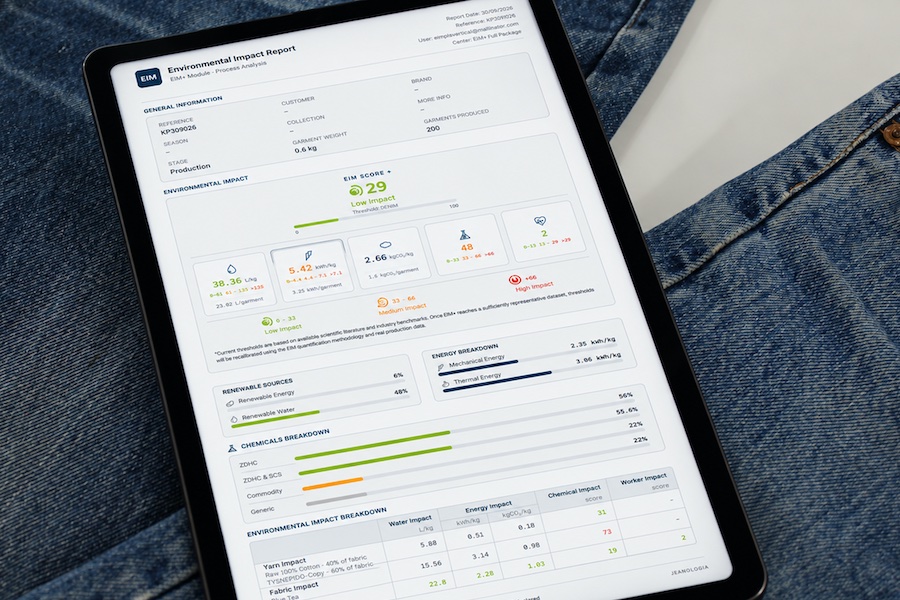
The new AI extracts precise laser designs from a garment image in minutes, transforming how vintage denim is recreated for production. If Jeanologia’s laser changed the way jeans were made at the end of the last century, its AI now takes the next step: moving from reproducing wear to designing it. / archive photo © 2026 Jeanologia

#Dyeing, Drying, Finishing

Monforts unveils interactive digital platform for textile finishers

Monforts has launched a new digital platform designed to give textile manufacturers faster, more intuitive access to the company’s finishing technologies, technical expertise and aftersales support worldwide.

Latest News

#Recycling / Circular Economy

Europe’s textile future at a turning point: New 2030 Circularity Blueprint aims to scale recycling and unlock investment opportunities

The EU textile system is at a critical crossroads. Today, less than 1% of discarded garments are recycled into new garments, despite EU-wide obligations for separate collection. In response, Global Fashion Agenda (GFA) is launching the 2030 Circularity Blueprint, in partnership with ReHubs. This ambitious initiative is designed to support the transformation of the EU textile ecosystem to advance textile-to-textile recycling and drive the transition to a circular economy.

#Research & Development

Regional hemp bast for lightweight construction profiles

The cultivation of fibre hemp for the production of ropes and clothing has a long tradition in Saxony. Due to its excellent fibre properties, it is also suitable as a renewable raw material for reinforcement in fibre composites. At the STFI and IWU in Chemnitz, the CannaPul project is cur- rently investigating how a regional value chain for hemp-based lightweight construction profiles can be established. To this end, the technical processing of hemp fibres into continuous fibre strands and their embedding in a suitable bio-based matrix are being investigated.

#Digital Printing

Kornit Digital launches Konnections 365

Kornit Digital (NASDAQ: KRNT) (“Kornit” or the “Company”), a global pioneer in sustainable, on-demand digital fashion and textile production today announced the launch of Konnections 365 - a year-round movement designed for the people moving the apparel, print, and retail industries forward. The strategy is built on the overwhelming success of Konnections 2026 held in Hollywood, Florida, featuring more than 500 customers, partners, and collaborators who together are driving the future of apparel and textiles.

#Techtextil 2026

Techtextil 2026: KARL MAYER impresses as an innovative sector partner

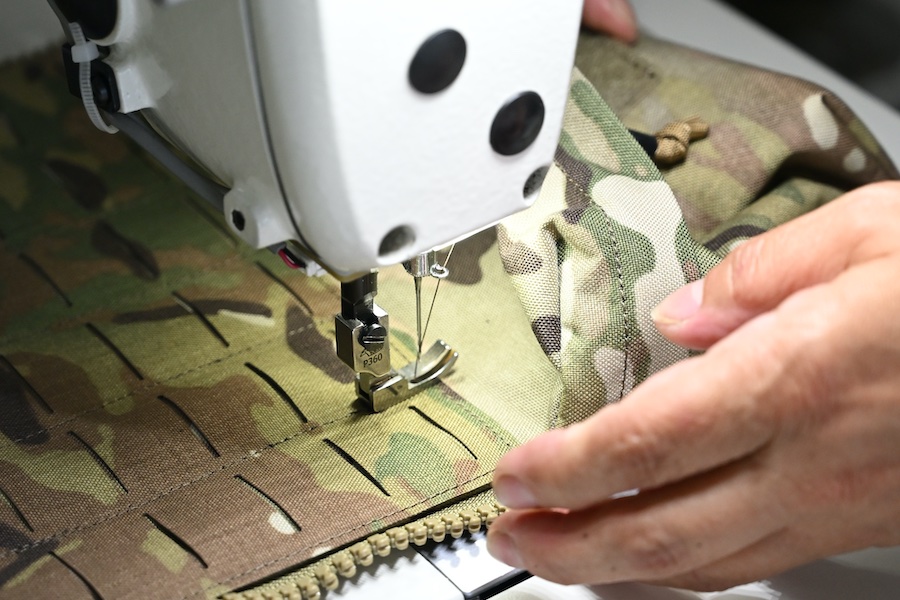
KARL MAYER looks back with satisfaction on its participation in Techtextil 2026. From April 21 to 24, the international industry leader used the trade show in Frankfurt to meet with numerous key customers at its booth and, at the same time, establish many new contacts. Most visitors came from Germany, followed by major markets such as Poland, the United Kingdom, Turkey, France, and Portugal.

TOP