[pageLogInLogOut]

#Industry 4.0 / Digitalization

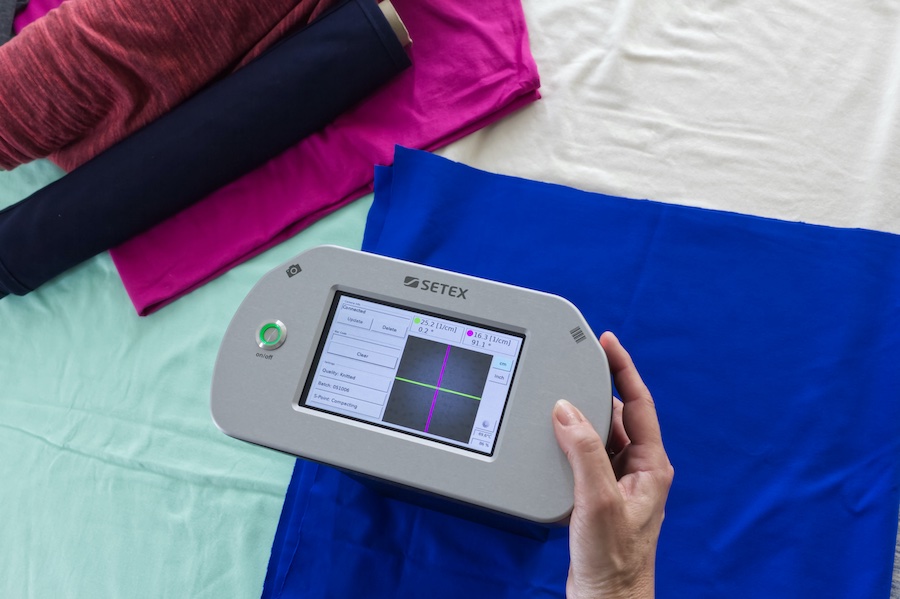
SETEX and Halo announce strategic alliance

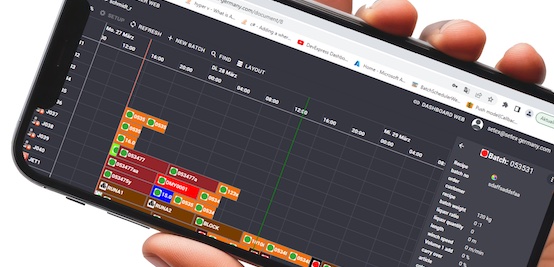
SETEX Schermuly textile computer GmbH, Mengerskirchen/Germany, a market leader in designing, manufacturing and implementing automation solutions for the textile dyeing and finishing market, and the company Halo, ERP-provider and specialist for customized solutions from fibre to product, announce to have entered into a strategical partnership.

Industry leaders collaborate for a comprehensive system towards industry 4.0. 

The strategic alliance allows the teams from SETEX and Halo to put into practice a comprehensive solution for processing and finishing of textiles via integration of Inteos and OrgaTEX components.

Clients, namely the vertical manufacturers with knitting or weaving departments, will be pleased of the benefits of the range of Inteos modules, deeply integrated into the OrgaTEX platform and working out of the box.

“Both SETEX and Halo contribute a rich source of information and technology to the new OrgaTEX-inteos package, which goes far beyond providing just a software solution“ said Oliver Schermuly from SETEX. “Thanks to our SETEX locations around the world, the newly formed project management and excellent relationships with textile machine manufacturers, this collaboration allows us to provide, commission and support the new solution locally worldwide.”

The combination of Halo´s longstanding experience as provider of customized MES- and ERP-solutions and SETEX´s position as a market leader for textile automation solutions, ensures a maximum in competence for fully integrated textile manufacturing solutions. As a result, Industry 4.0 will become a reality at your company”, states Marcus Ott of Halo.

(c) 2018 SETEX
(c) 2018 SETEX

The new OrgaTEX-inteos solution enables SETEX to react adequate and flexible to different customer needs, and to offer one-stop complete solutions that meet the most specific individual requirements.

For locations and more SETEX information visit
http://www.setex-germany.com
More News from SETEX Schermuly textile computer GmbH

More News on Industry 4.0 / Digitalization

#Research & Development

Textilfabrik 7.0 launched: Mönchengladbach becomes a real-world lab for sustainable textile production

With the official kick-off event of the Textilfabrik 7.0 (T7), a major transformation project for the German textile and apparel industry has been launched in the Monforts Quarter in Mönchengladbach. At the “Textile Roundtable,” an event format organized by the Zukunftsagentur Rheinisches Revier, representatives from industry, research, politics, and the regional economy came together to jointly lay the foundation for CO₂-neutral, circular, and economically viable textile production in Germany.

#Man-Made Fibers

OnceMore® from Södra brings end-to-end traceability for circular Man-made Cellulosic Fibers (MMCF) using TextileGenesis

OnceMore® from Södra, the world’s first large-scale process for recycling blended fabrics into high‐quality dissolving pulp, will begin using TextileGenesis, a Lectra company, to strengthen traceability from raw material to retail across the value chain. OnceMore® produces dissolving pulp made from blended textile waste and wood sourced from responsibly managed Swedish forests. By integrating TextileGenesis, OnceMore® supports the growing need for verified data and secure, transparent tracking throughout increasingly complex supply chain.

#Denim

Jeanologia launches Billy

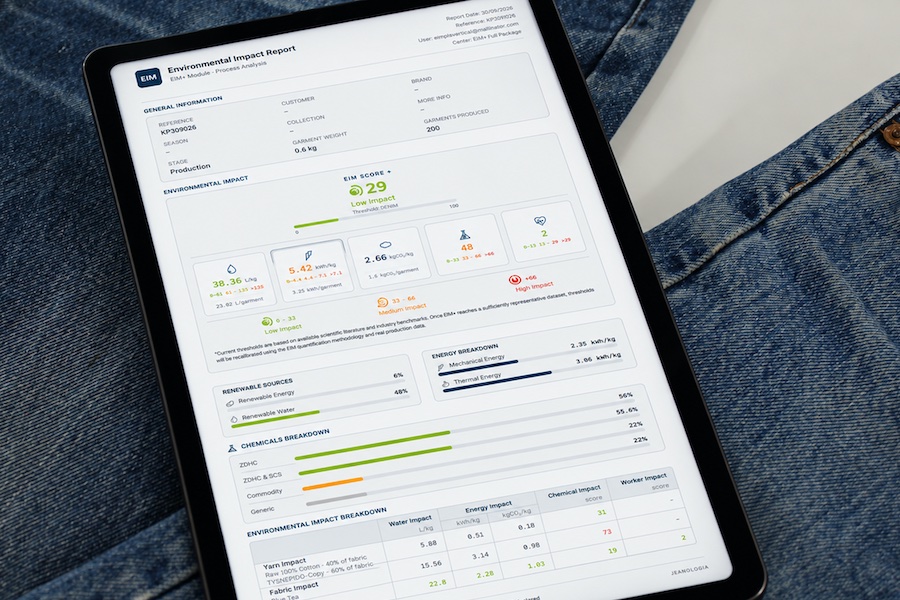
The new AI extracts precise laser designs from a garment image in minutes, transforming how vintage denim is recreated for production. If Jeanologia’s laser changed the way jeans were made at the end of the last century, its AI now takes the next step: moving from reproducing wear to designing it. / archive photo © 2026 Jeanologia

#Dyeing, Drying, Finishing

Monforts unveils interactive digital platform for textile finishers

Monforts has launched a new digital platform designed to give textile manufacturers faster, more intuitive access to the company’s finishing technologies, technical expertise and aftersales support worldwide.

Latest News

#Techtextil 2026

AI, Start-ups, Research: Techtextil and Texprocess bring together players in the textile industry

From start-ups to universities and research institutes: at Techtextil and Texprocess, the world’s leading innovation trade fairs in Frankfurt am Main, exhibitors present future-oriented concepts for the global textile industry. With the international Campus & Research area, a strong participation from start-ups and the latest AI applications for textile processing, both trade fairs showcase current developments in the textile industry. By bringing together innovation, research and application, they enable new partnerships across the textile value chain.

#Techtextil 2026

IVGT joint stand brings innovation and networking to Techtextil 2026

At Techtextil 2026 and the parallel Texprocess 2026, key transformation topics such as artificial intelligence, digitalisation, sustainability, recycling and the circular economy will be reflected across the show. Against this backdrop, the IVGT, together with 16 member companies, will present its joint stand in Hall 12.1 (Stand D62) as a platform for exchange and networking.

#Man-Made Fibers

Indorama Ventures supports Southeast Asia’s textile customers with reliable regional supply and global innovative portfolio

Indorama Ventures, one of the leading global polyester fiber and filament yarn suppliers globally, will participate in Indo Intertex 2026 in Jakarta this April, making its diverse global portfolio available to apparel, home textile, and hygiene customers across Southeast Asia.

#Raw Materials

New study shows low environmental impact by Cotton made in Africa Organic Cotton from Tanzania

Today, the Aid by Trade Foundation (AbTF) is announcing the results of a comprehensive life-cycle analysis (LCA) for cotton produced in Tanzania under the Cotton made in Africa Organic (CmiA Organic) standard. The study emphasises the small ecological footprint of CmiA Organic verified cotton. This can largely be traced back to the absence of synthetic pesticides, artificial fertilisers, and artificial irrigation. Consequently, CmiA Organic cotton can help the textile industry meet regulatory requirements as well as science-based targets. The results also show that the consequences of climate change threaten the livelihoods of these cotton farmers, even though the type of agriculture they practise barely contributes to climate change.

TOP