[pageLogInLogOut]

#Digital Printing

Revolutionizing swimwear production: Estilmar’s sustainable success with Kornit Presto MAX

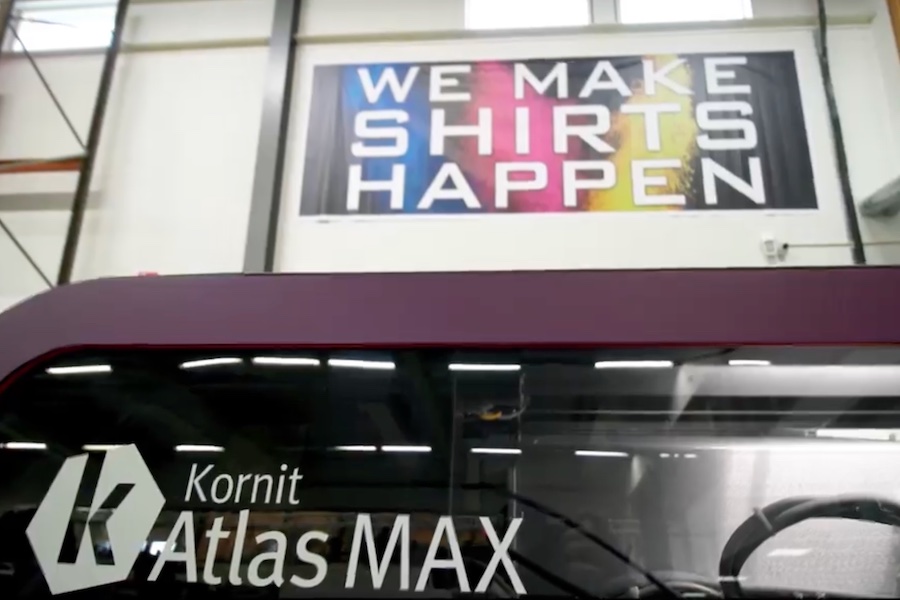
Established in 1981, Barcelona-based Grupo Moda Estilmar is a fabric decorator specializing in swimwear, activewear, and intimate apparel. The company develops three women’s swimwear collections per year, working with brands and retailers globally; more than 80% of their products are exported.

Ten years ago, Estilmar started using digital print technologies to produce their swimwear, a segment unique among textiles in that it demands more vivid colors than most apparel. These systems included acid dyeing and sublimation. Feeling the pressure to adopt more sustainable practices that require less water and energy, they looked to Kornit’s single-step, pigment-based capabilities for on-demand fulfillment, which are compatible with a diversity of materials.

“We were amazed by the technology – the fabric preparation and the richness of the color compared to other pigment equipment,” said Sergi Domenech, Owner of Grupo Moda Estilmar. “On swimwear, color is very important. They’re very bright, and the challenges of fastness, especially to light and washing, to chlorine – with Kornit, we’re able to reproduce colors very well.”

In 2018, Estilmar launched its Eco Wave sub-brand, which answered Southern Europe’s ongoing water and energy challenges with a product line that is distinctly sustainable, using recycled yarns, green energy, and waterless printing – made possible, and profitable, by technologies such as Kornit’s Presto system for digital direct-to-fabric decoration.

“Becoming sustainable was an obsession when we started this project, and with textiles being the second-most polluting industry in the world, we need to be as clean as possible,” he said. “Every decision and action we take goes in this direction, and we feel happy – not only with our sales results, but a pride in what we’re going as a company.”

Implementing Kornit’s capabilities also brought considerable speed and efficiency benefits.

“Samples can be printed in the same day,” Sergi said. “You get an idea in the morning, and you can reproduce it within the day. That is a big change versus other technologies that require many steps and machines – just a much longer process.”

Integrating Kornit Presto into Estilmar’s production operations involved top-notch support from Kornit personnel in Dusseldorf and Israel, with ongoing support from Kornit’s partner 3-Print, based locally in Spain. The company upgraded its system to Presto MAX capabilities when the latest-generation developments were made available.

According to Sergi, Kornit Presto MAX being able to deliver neon color effects for his swimwear line – matching the color capabilities of the company’s in-house acid and sublimation decoration while maintaining Kornit’s waterless print versatility advantages – was among the reasons to go all-in on the technology.


“Kornit Presto MAX has helped us move forward many years, and having one machine that can print cotton, viscose, nylon, or polyester with the same printing formula, it’s fantastic,” he said. “Many of our customers are not technical when it comes to printing, but when they see the technology that is disruptive, they really get amazed and see there is a magic behind it. We’re confident this new machine will open more doors, in other fields beyond the swimwear.”

Indeed, he finds many customers now look to have Estilmar’s swimwear designs paired with matching prints on different materials, which is accomplished without considerable setup and adjustment. Thanks to Kornit’s DuoSoft solution, the finished pieces deliver a high-quality hand-feel that ensures the swimwear feels as good as it looks.

“Our plan going forward is to continue investing in making this business as sustainable as possible, to be as vertical as possible in our production plans – and Kornit Presto MAX is a crucial part of it.”

View the customer success story video here:

https://www.youtube.com/watch?v=ZBIKKsrXik0

More News from Kornit Digital

#Digital Printing

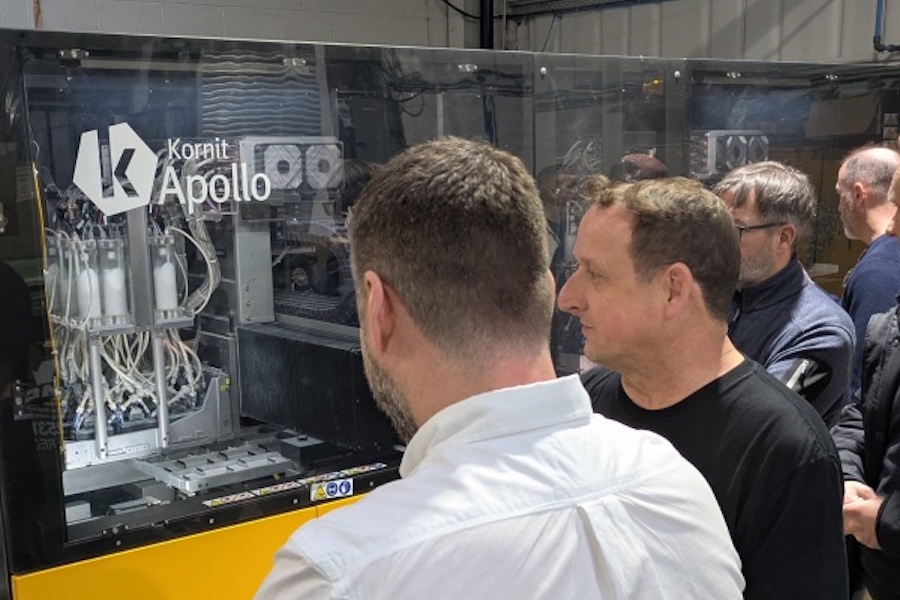
UK Manufacturer Basic Prints commits to digital-first production model with dual investment in Kornit Digital’s Apollo

Kornit Digital, a global leader in sustainable, on-demand digital fashion and textile production technologies, today announced that UK clothing manufacturer Basic Prints has expanded its digital production capacity with a second Kornit Apollo Direct-to-Garment (DTG) system. This marks a strategic shift supporting Basic Prints’ digital-first manufacturing model.

#Digital Printing

Hybris Productions scales licensed apparel production moving from screen to digital with Kornit Digital

Kornit Digital, a global pioneer in sustainable, on-demand digital fashion and textile production technologies, today announced that Hybris Productions has adopted Kornit’s direct-to-garment (DTG) digital production technology to scale licensed apparel manufacturing with greater speed, design flexibility, and on-demand production capabilities supporting retail and e-commerce growth.

#Digital Printing

Call for speakers and partners: Kornit Konnections 2026

Kornit Konnections today announced it is officially accepting speaker proposals and partner interest for what is set to be the most influential digital apparel industry gathering of the decade. Interested parties should visit www.kornitkonnections.com.

#ITMA Asia + CITME Singapore 2025

Kornit Digital launches breakthrough footwear solution at ITMA Asia + CITME Singapore 2025

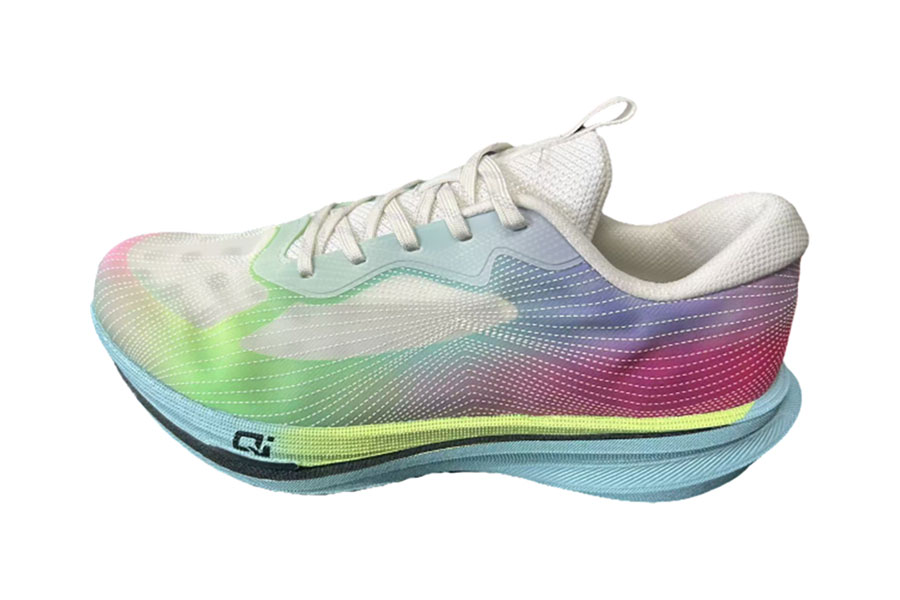
Kornit Digital Ltd. (NASDAQ: KRNT) (“Kornit” or the “Company”), a global pioneer in sustainable, on-demand digital fashion and textile production technologies, today announced a major industry milestone: the commercial launch of its groundbreaking digital footwear solution for sports and athleisure markets.

More News on Digital Printing

#Digital Printing

FESPA confirms participation from leading exhibiting suppliers and brands for inaugural textile event

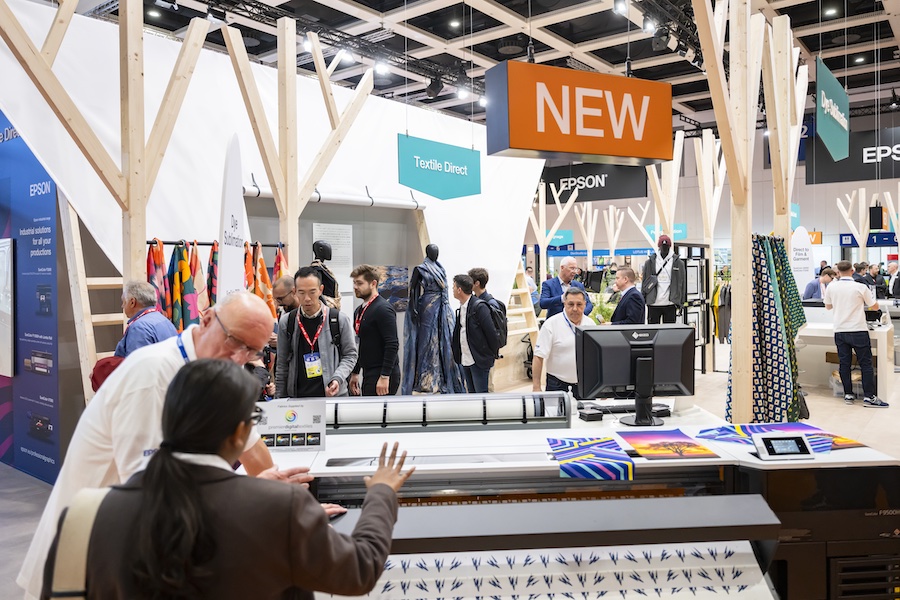
FESPA has confirmed a strong exhibitor line-up for its inaugural Textile show, a dedicated new event that will run as part of FESPA 2026, alongside co-located events: Global Print Expo, Personalisation Experience, European Sign Expo, WrapFest and the brand-new Corrugated.

#Digital Printing

Keeping print inclusive: Empowering women in the print industry

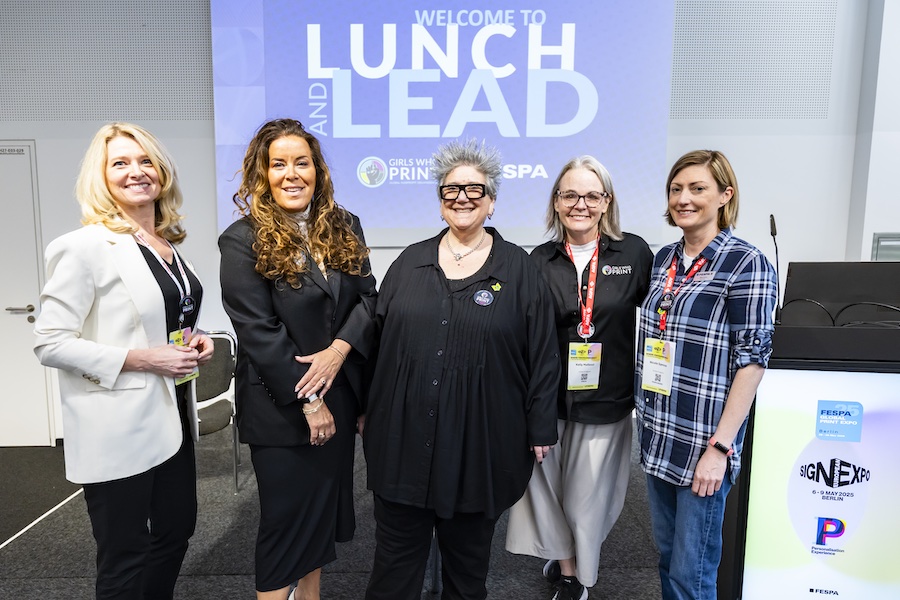
Across all industries, cultivating a diverse and inclusive workplace is increasingly recognised as valuable and essential to long-term success. However, despite the print industry’s significant advancements in technology and innovation, visible representation of women remains limited. As the sector grapples with low recruitment, it’s important to challenge outdated perceptions. Creating real change, however, requires collective effort - no single company can do it alone.

#Digital Printing

Express Print boosts production using an expanded fleet of Mimaki technologies

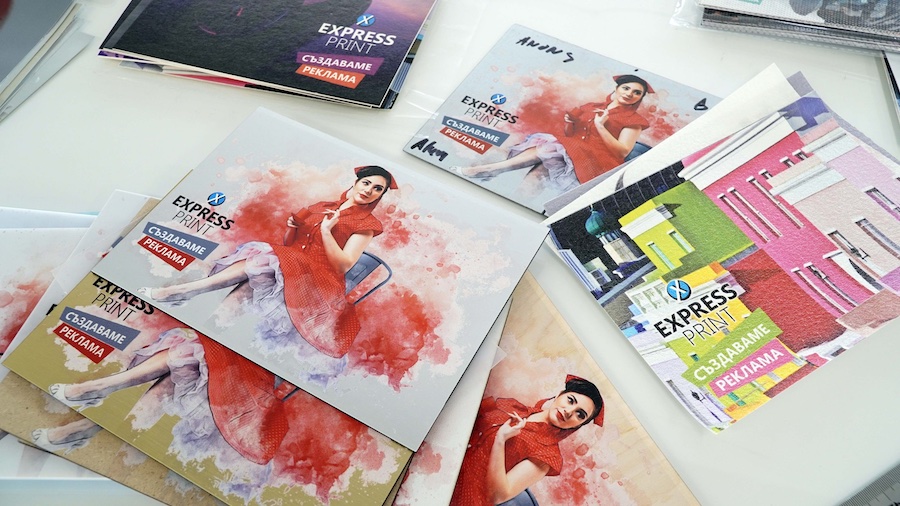
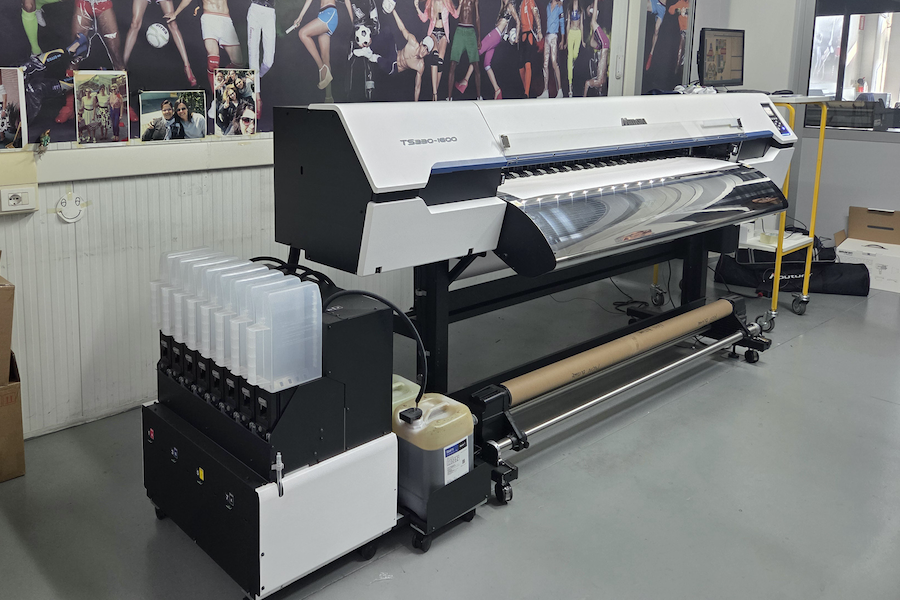
Express Print, a fast-growing Bulgarian provider of visual communication and soft signage solutions, has significantly enhanced its production workflow with a comprehensive portfolio of Mimaki digital printing systems. Based in Varna and active for more than 10 years, the company maintains a strong focus on the advertising sector. Over the years, it has steadily expanded its operations, driven by a clear vision to bring the full spectrum of large-format printing services in-house, avoiding outsourcing and ensuring complete control over production quality.

#Digital Printing

Erreà upgrades sportswear printing operations with seven high-performance Mimaki digital textile printers

Mimaki Europe, a leading manufacturer of industrial inkjet printers and cutting systems, has supported renowned Italian sportswear brand, Erreà in upgrading its digital textile printing operations with the installation of seven high-performance Mimaki systems. The new installation includes three Tiger600-1800TS industrial dye-sublimation printers and four TS330-1600 solutions, replacing a previous fleet of 28 digital printers. This major upgrade marks a significant step forward in Erreà’s production strategy, enabling the company to streamline its printing infrastructure while improving efficiency, colour consistency and overall production control.

Latest News

#Denim

Jeanologia launches Billy

The new AI extracts precise laser designs from a garment image in minutes, transforming how vintage denim is recreated for production. If Jeanologia’s laser changed the way jeans were made at the end of the last century, its AI now takes the next step: moving from reproducing wear to designing it. / archive photo © 2026 Jeanologia

#INDEX 2026

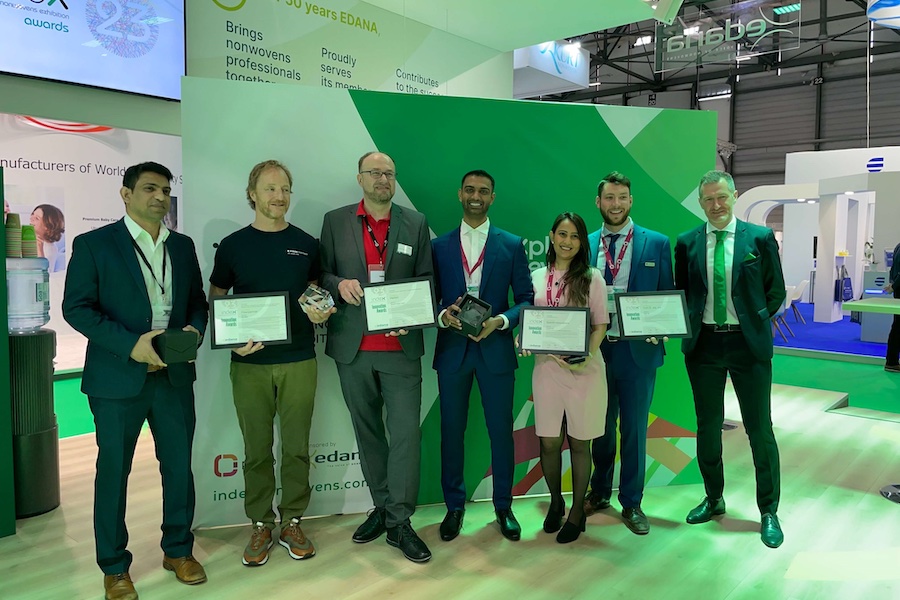
EDANA unveils nominees for INDEX™26 Awards: Highlighting the next generation of nonwoven excellence

EDANA is proud to unveil the highly anticipated nominees for the INDEX™26 Awards, the nonwoven industry’s highest accolade for technical and sustainable excellence. Out of a record-breaking field of entries, these finalists represent the cutting edge of material science—from bio-based hygiene fibers and PFAS-free protective textiles to revolutionary water-filtration machinery. Each nominee has been selected by a jury of industry experts for their ability to solve critical global challenges, including the transition to a circular economy and the pursuit of enhanced consumer performance.

#Raw Materials

Lenzing Group positions bio‑based materials as a strategic asset for Europe’s economic security

The Lenzing Group, a leading supplier of regenerated cellulose fibers for the textile and nonwovens industries, hosted a high‑level roundtable in Brussels to discuss how bio‑based materials can strengthen Europe’s economic security and support the shift toward a fossil‑free future. Organized in cooperation with Euractiv, the event brought together representatives of the European Commission, the UK Mission to the EU, academia, civil society, and industry.

#Natural Fibers

Beyond Cotton: Natural Fibres in the Spotlight at the Bremen Cotton Conference - Branded by DNFI

Climate targets, fragile supply chains, and rising regulatory requirements are fundamentally changing the perspective of the textile industry - the focus is increasingly shifting toward the base material. Not only cotton, but natural fibres are gaining significant importance: they stand out not only because of their outstanding functional properties, but also because they make a valuable contribution to the bioeconomy and responsible product development.

TOP