[pageLogInLogOut]

#Digital Printing

Mimaki UJV100-160 awarded best roll-to-roll printer by EDP
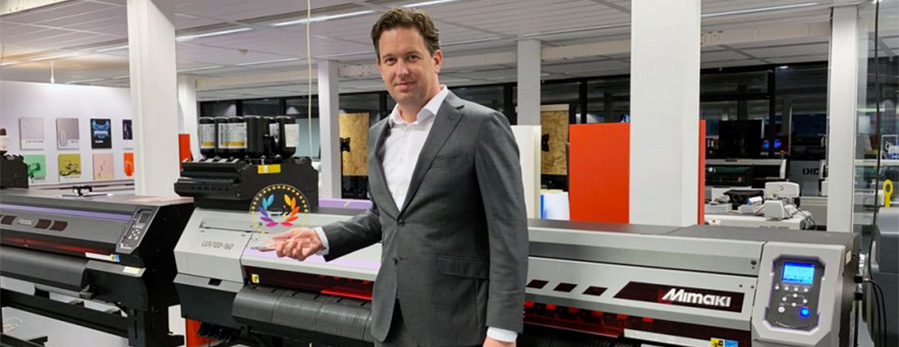
© 2020 Mimaki
The EDP award coincides with the official release of the UJV100-160 to the European market.

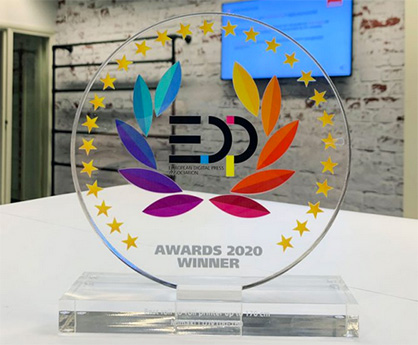
Mimaki Europe, a leading manufacturer of wide-format inkjet printers and cutting systems, today announced that the European Digital Press Association (EDP) has presented the ‘Best Roll-to-Roll printer up to 170cm’ award to Mimaki for its UJV100-160 LED-UV inkjet printer.

Confirmation of this prestigious award also coincides with this high-quality, high-productivity printing solution being officially released as commercially available for the European market this month. Many of the features that make the UJV100-160 printer cost-effective, reliable, and easy-to-use were noted as key factors that contributed to the EDP judges choosing this printer for the award.
© 2020 Mimaki / EDP
© 2020 Mimaki / EDP


EDP’s Technical Committee comments: “Mimaki offers a price breaking device with UV printing speeds up to 23m2/h. This printer offers not only CMYK but also has the option to install white and clear inks, and the new innovative system helps to maintain the quality because of the control of dot placement and media feeding, one of the most common errors in inkjet printing. The UJV100-160 is certainly an excellent entry level printer, including many features of Mimaki’s advanced UV technology at an affordable price.”

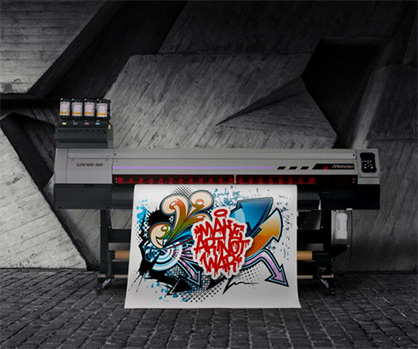
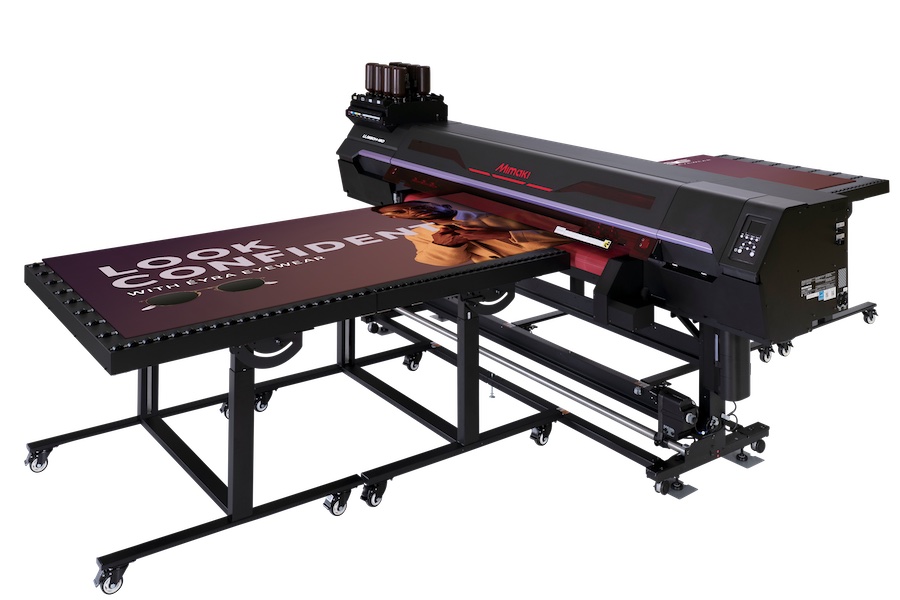
The UJV100-160 is compatible with a wide variety of media, including metallic foil, fabric and uncoated materials, enabling sign makers to produce a diverse range of high-value applications, such as posters, POP, soft signage, stickers and window decoration.


The printer features two newly developed printheads and the new DAS (Dot Adjustment System) feature. DAS automates conventional dot placement (dot position and feeding correction) for maximum image quality, saving operators time and reducing manual errors.

Delivering further time efficiencies, the UJV100-160 prints at a maximum of 23m2/h with VOC (Volatile Organic Chemicals)-free UV-curable ink. This environmentally conscious ink cures instantly after printing, eliminating the drying time that water-based or solvent ink requires. Post-processing and sign application are therefore possible immediately after printing, reducing production time and enabling printers to deliver products to short deadlines.

“The UJV100-160 is a versatile, robust and efficient solution for sign makers looking to delve into UV-printing and diversify their offerings,” said Ronald van den Broek, General Sales Manager at Mimaki Europe. “We’re extremely proud that the quality and productivity of this printer has been recognised by the EDP and are excited to bring it to market this month, providing our customers with another innovative solution designed to help them increase their competitive edge.”
© 2020 Mimaki
© 2020 Mimaki


More News from Mimaki Europe B.V.

#Digital Printing

Mimaki highlights growing demand for hybrid UV printing across European markets

Insights from Mimaki's European partner network reveal how hybrid UV printing is responding to different regional market needs, driven by growing demand for flexible, application-oriented printing technologies.

#Digital Printing

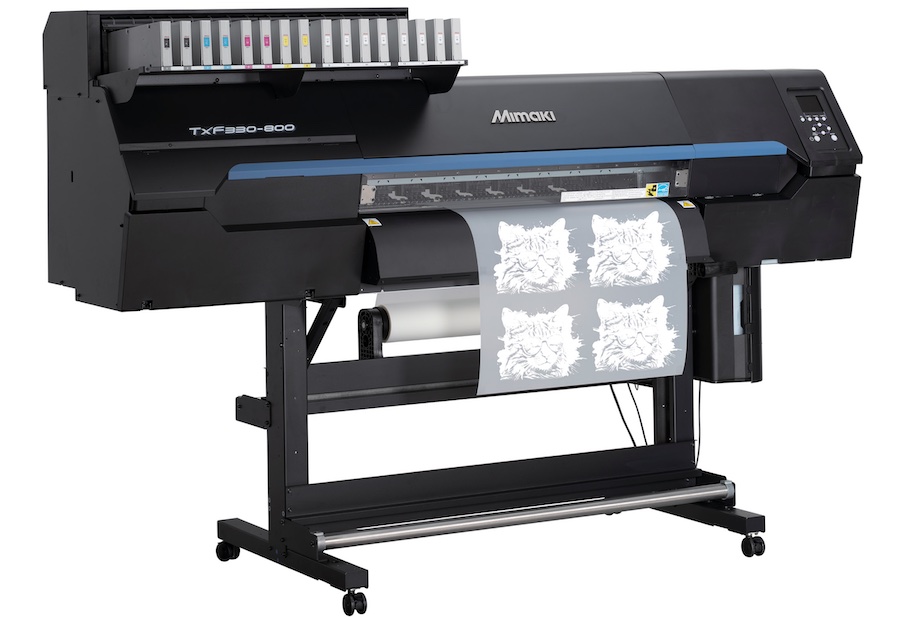
Mimaki advances DTF productivity and stability with new TxF330-800

Mimaki Europe, a leading manufacturer of industrial inkjet printers and cutting plotters, announces the TxF330-800, its new direct-to-film (DTF) printer. Designed to support stable, high-quality garment decoration in demanding print environments, the system combines automated maintenance, expanded white ink capacity and advanced production capabilities to streamline workflow.

#Digital Printing

Where every detail counts: Experiential applications of DTF and UV-DTF printing

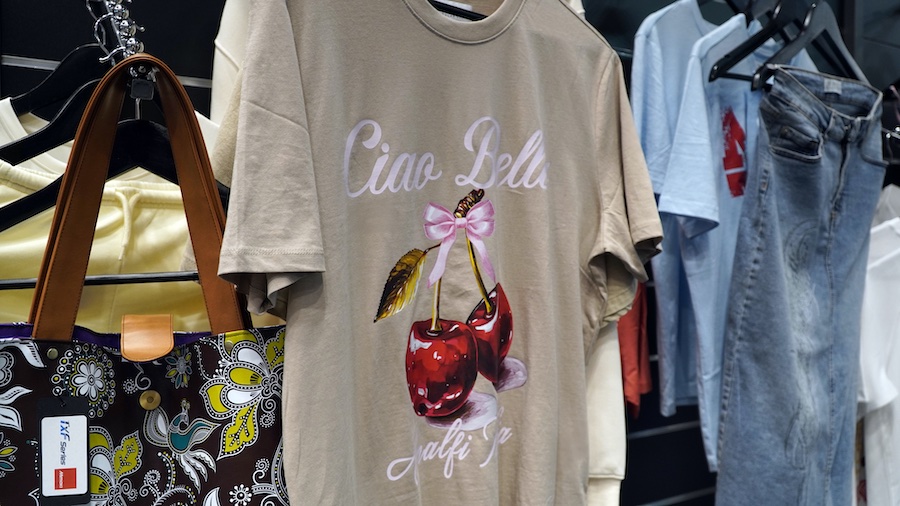
Personalisation has moved far beyond the traditional logo on a t-shirt. Today, brands want to create complete experiences, where every detail – from clothing and accessories to décor and packaging – feels distinctive and reflective of their identity.

#Digital Printing

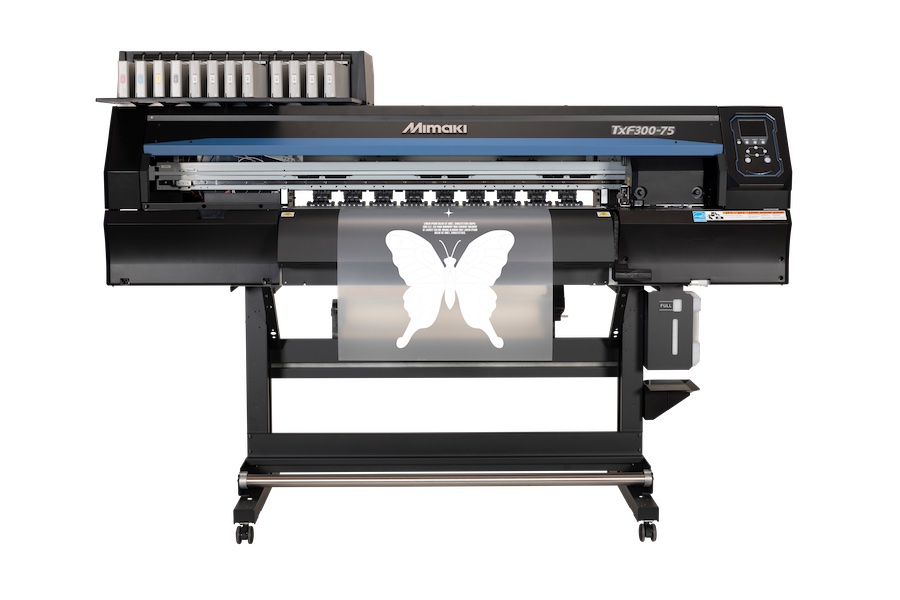
DTF vs DTG Printing - The technologies shaping today’s custom merchandise market

From sportswear to branded tote bags, custom merchandise continues to grow in popularity across sectors, driving print shops to cater to short runs, personalisation, and rapid turnaround. As print providers look to this market, two printing technologies often stand out: Direct‑to‑Film (DTF) and Direct‑to‑Garment (DTG). Each offers its own benefits, and understanding these differences helps determine the most suitable production method for print service providers.

More News on Digital Printing

#Digital Printing

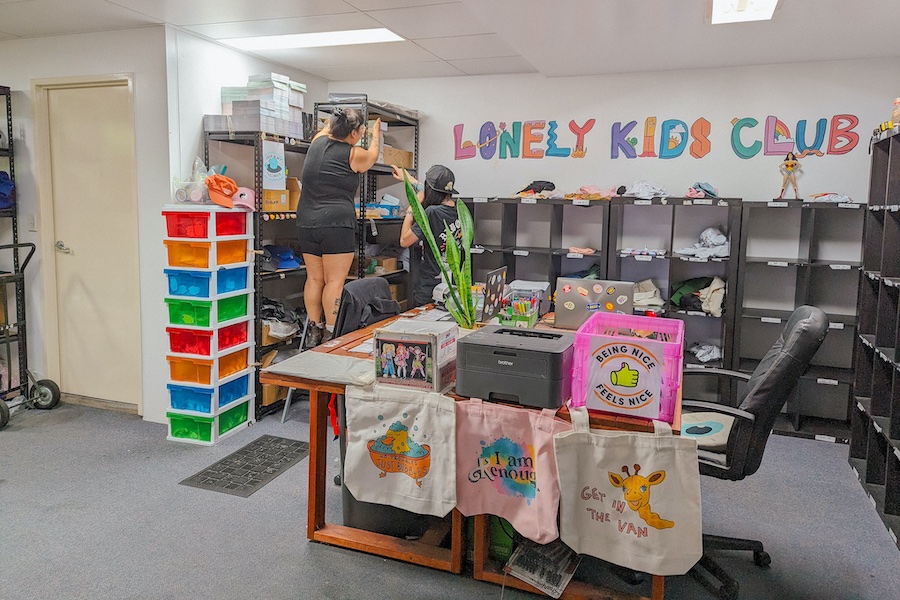
From a bedroom startup to 3,000 designs: How Lonely Kids Club built its business with DTG printing

Founded in Sydney in 2011, independent clothing label Lonely Kids Club has grown from a bedroom startup into a business offering around 3,000 graphic T-shirt designs. With its own production studio, direct-to-garment printing and a demand-driven manufacturing model, the company demonstrates how smaller apparel brands can combine creative independence with flexible production – while navigating the everyday challenges of quality control, workflow efficiency and sustainability.

#Digital Printing

VistaPrint increases apparel production capacity with Kornit Apollo

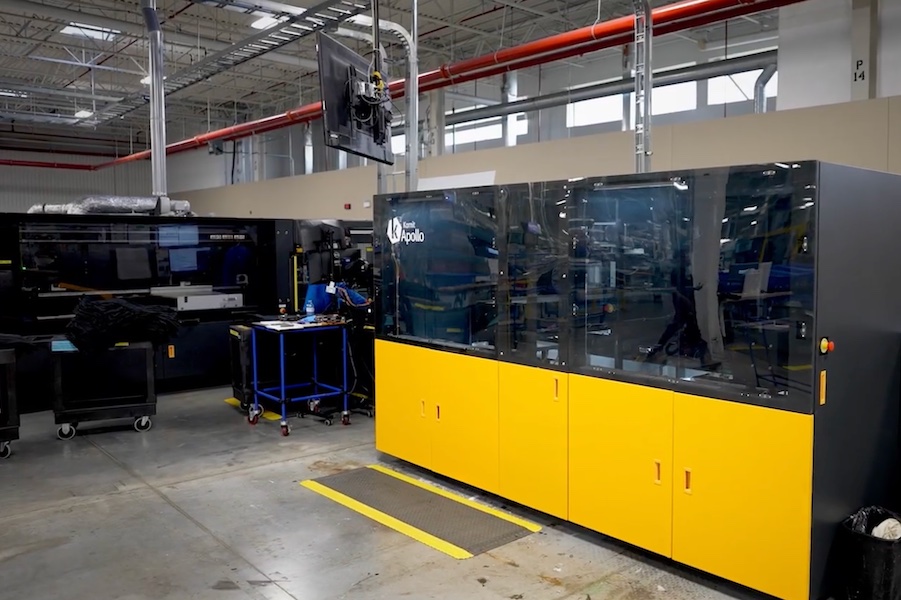
Kornit Digital (NASDAQ: KRNT), a provider of on-demand digital textile production technologies, reports that VistaPrint has significantly increased its apparel production capacity through the implementation of the Kornit Apollo system. The installation has enabled the international print and design company to add approximately 25,000 units of weekly production capacity while improving production speed, operational efficiency and order turnaround times.

#Digital Printing

Blue Tomato accelerates agile retail apparel production with Kornit Digital

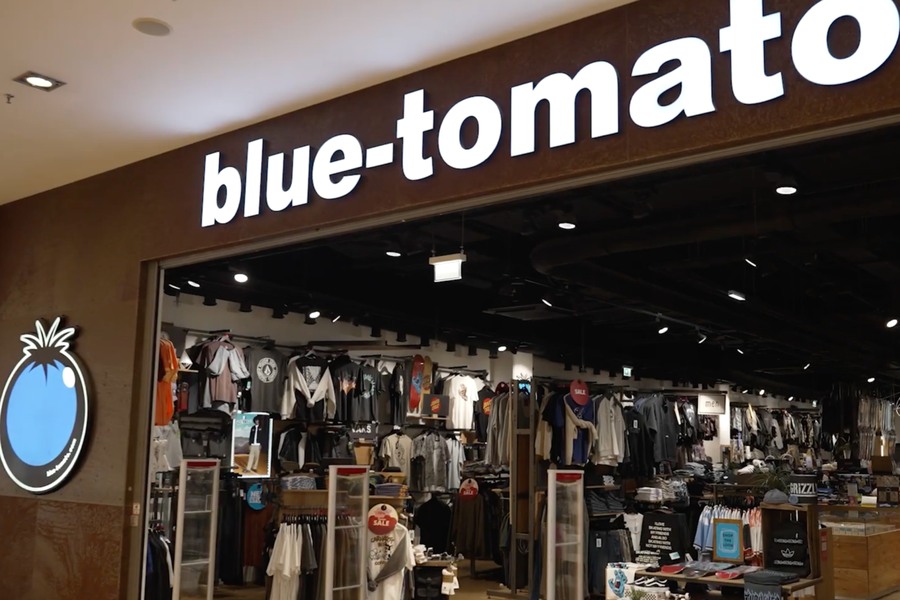
Kornit Digital (NASDAQ: KRNT), a global pioneer in on-demand digital fashion and textile production technologies, is highlighting how Blue Tomato, Europe’s largest board sports retailer, is using two Kornit Atlas MAX PLUS systems to support a more agile approach to in-house apparel production. The systems are helping Blue Tomato respond faster to changing consumer trends, produce high-quality apparel for its network of 86 retail stores across Europe and reduce inventory by printing only what the market demands.

#Digital Printing

Growth at the speed of demand: Kornit Digital brings digital textile innovation to PERFORMANCE DAYS 2026

Kornit Digital Ltd. (NASDAQ: KRNT) (“Kornit”), a global pioneer in on-demand digital fashion and textile production, will showcase the possibilities of digital, on-demand production at PERFORMANCE DAYS 2026, October 13–14 at Messe München, Hall 6, Booth E08.

Latest News

#Research & Development

Empa develops liquid-core fibre for insecticide-treated mosquito nets

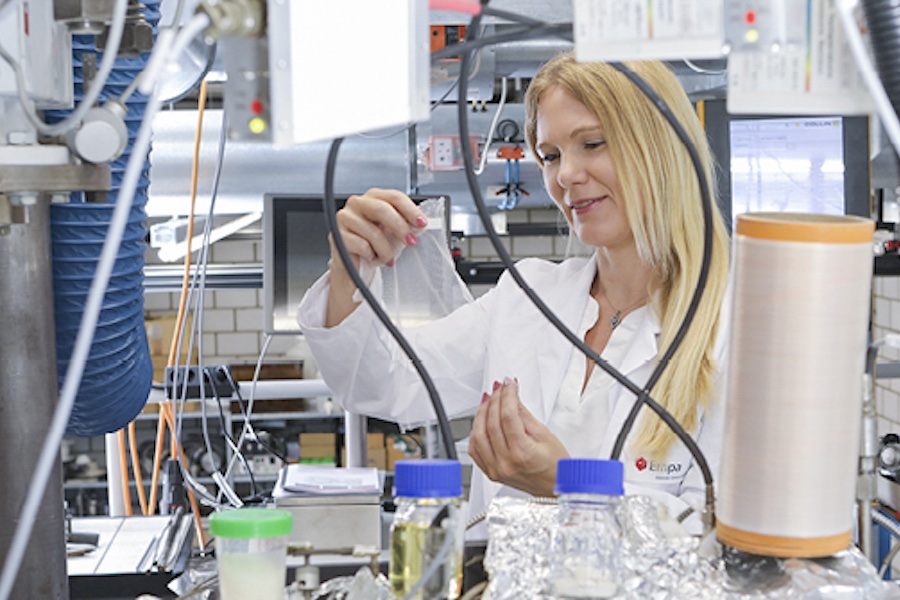
Empa researchers have developed a liquid-core fibre for mosquito nets that can incorporate insecticides unsuitable for conventional melt spinning. The fibre gradually releases the active ingredient through a polymer sheath. The team developed and tested the yarn over three years in the Innosuisse project MalCoFil with Swiss industry partners Vestergaard and Monosuisse.

#Raw Materials

Sourcing of traceable BCI cotton rises 43.5% to 33,000 tonnes

Retailers and brands sourced a record 33,000 metric tonnes of Traceable BCI Cotton over the past year, up 43.5% from 23,000 tonnes in 2024–2025, the Better Cotton Initiative (BCI) reported on 17 November 2026.

#Industry 4.0 / Digitalization

Smartex.ai names Tony Fadell chairman and previews new fabric inspection system

Smartex.ai has appointed Tony Fadell as chairman and will present its new fabric inspection hardware and software at SmartCollab Hong Kong on 27 November. Fadell co-designed Inspect, the hardware at the centre of the system, which Smartex developed with a supplier in H&M Group’s network.

#Recycled Fibers

Recover and SUPIMA partner to develop recycled Pima cotton fibers and yarns

Recover and SUPIMA have partnered to turn waste from SUPIMA cotton production into a new line of recycled fibers and yarns. The collaboration will explore how recycled American-grown Pima cotton can be used in a wider range of yarns and garments for the premium market.

TOP