[pageLogInLogOut]

#Sustainability

PT. Idaman Eramandiri is OEKO-TEX® Company of the Month for March 2015
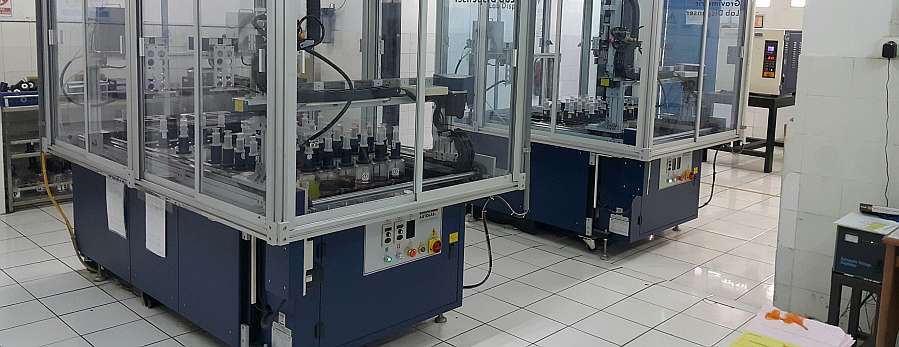
The production steps at PT. Idaman Eramandiri range from twisting yarns to dying, drying, bonding and then spooling and packaging the goods. Regarding quality management, the company pursues a no error strategy with as low levels of production waste as possible. Picture: © PT Idaman Eramandiri
The core business of the company PT. Idaman Eramandiri, founded in 1990 and located in West Java in Indonesia, is the manufacturing of high quality and efficient yarns. As an integrated manufacturer, whose production steps range from twisting to dyeing, bonding, finishing, spooling and packaging, the business supplies not only numerous Indonesian customers but also renowned brand suppliers in the United States, Europe, and Japan.
The trademark of Idaman Eramandiri is the highest level of customer satisfaction based on long term, reliable supply relationships, creative services and innovative product characteristics. In addition, the company has a high level of corporate responsibility in relation to the environment and its 217 highly qualified employees. Since 2007, the entire range of products provided by the company has fulfilled the requirements for human-ecological safe textiles in accordance with OEKO-TEX® Standard 100. In December 2014, PT. Idaman Eramandiri was also the first textile company in Indonesia awarded with STeP certification for environmentally friendly and socially responsible production facilities.

True to the maxim "Your satisfaction is our priority", Idaman manufactures a broad range of yarn and embroidery thread out of polyester, viscose and polyamide (nylon) in its just over 5600 square meter large facility in Bandung. The annual output is around 1.2 million kilograms. The dyed and finished yarns are used, for example, in the automotive, footwear, and clothing industry as well as during the manufacturing of bags, gloves or camping equipment and the production of mattresses and upholstery. Due to the exclusive use of high quality raw materials, dyes and other materials as well as a quality management implemented for many years in accordance with ISO 9001, Idaman Eramandiri is able to offer a constantly high level of testing, even for specialist customer specifications. The company further distinguishes itself through high efficiency with low levels production waste.

Furthermore, another core feature of Idaman Eramandiri's company philosophy is its conviction to ideally compete internationally through sustainable economics. "As only limited resources are available globally, where possible our main goal is aimed at long term added value." explains Managing Director Hendra Indrawirawan. "For us sustainability means that we build as close a partnership as possible with our suppliers and customers, which is based on ethical principles and business practices. To be able to implement this on a day to day basis, we need well educated employees that completely identify with our company and have a good working environment. Furthermore, efficient technologies and manufacturing procedures, which not only ensure high production capacity but also help to make our environmental impact as low as possible, are imperative.”

In order to on the one hand communicate and on the other hand to constantly improve on what the company has already achieved in environmental protection, occupational health and safety and health protection, PT. Idaman Eramandiri has successfully been independently certified according to ISO 14001 and OHSAS 18001. "The comprehensive approach of STeP by OEKO-TEX® is what made us still want to be certified according to this additional tool" says Hendra Indrawirawan. "With SteP we can analyse and manage all relevant company areas with only one certification." The implementation of the criteria required by STeP at PT. Idaman Eramandiri has been certified as exemplary by OEKO-TEX® auditors at the Swiss Textile Testing Institute TESTEX AG.
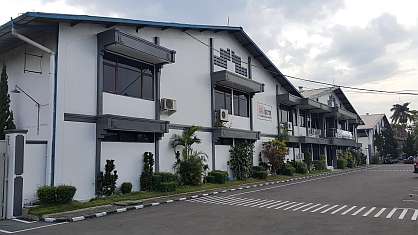
The Indonesian company received, for example, an especially good scoring in the "Chemicals Management" module not merely thanks to modern harmful substances monitoring. By recycling waste water, the company also drastically reduced fresh water consumption and in the future will use natural gas (CNG) instead of coal to generate energy. Regular health checks for employees and strict compliance with all necessary measures for occupational health and safety support the no accident strategy of the company management as well. In their own words, PT Idaman Eramandiri can communicate its sustainable business model in the best way to its customers through STeP certification and profits as their processes are improved, for example by reducing costs for primary energy resources, fresh water, raw materials and waste disposal.

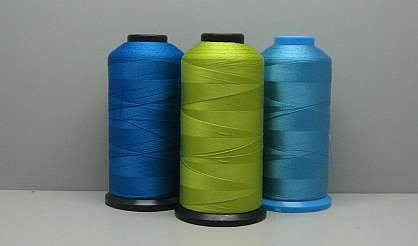
Pic: The yarn and embroidery thread of PT. Idaman Eramandiri is used in the most varied areas such as the automotive, footwear and clothing industry and during the manufacture of bags, gloves or camping equipment. Picture: © PT Idaman Eramandiri

Pic: In December 2014, PT. Idaman Eramandiri was the first textile company in Indonesia and South East Asia to be certified by the Swiss Textile Testing Institute TESTEX AG in accordance with the STeP by OEKO-TEX® criteria. The company received the certificate as a result of its environmentally friendly processes and socially responsible working conditions. Picture: © PT Idaman Eramandiri

More News from Oeko-Tex® Association

#Sustainability

OEKO-TEX® chooses TextileGenesis to advance digital traceability for organic cotton

OEKO-TEX® today announced a full collaboration with TextileGenesis, a Lectra company, to digitally trace and authenticate organic cotton, strengthening fraud prevention across the supply chain. This announcement follows a successful pilot and brings together OEKO-TEX®’s certification expertise and closed testing system with TextileGenesis’ digital traceability platform to deliver a secure, end-to-end solution for managing certified organic cotton flows.

#Sustainability

OEKO-TEX® - New regulations 2025

Fostering trust within the textile and leather industry remains the mission of OEKO-TEX®. Since trust relies on consistently high standards, the OEKO-TEX® Association has released the updated testing criteria, limit values and guidelines for its certifications, based on the latest scientific research and legal developments.

#Sustainability

OEKO-TEX® Annual Report 2023/2024 mentions 50,000+ valid certifications

The international OEKO-TEX® association has continued to demonstrate positive business growth, highlighting the critical role of close collaboration and shared commitment in accelerating sustainable change. More than 35,000 textile and leather companies depend on the certificates and product labels issued by OEKO-TEX®’s independent testing institutes. OEKO-TEX® issued more than 50,000 certificates and labels between July 1, 2023, and June 30, 2024 – an increase of 22% over the previous financial year.

#Sustainability

OEKO-TEX® New regulations 2024

Creating trust within the textile and leather industry and for its customers is the mission of OEKO-TEX®. Since trust is based on consistently high quality, the OEKO-TEX® Association is again publishing updates to the applicable test criteria, limit values and guidelines for its certifications. Based on new scientific findings and legal developments, the OEKO-TEX® Association has published the annual updates to its test criteria, limit values and guidelines.

More News on Sustainability

#Natural Fibers

Global Standard gGmbH launches second public consultation for GRTS Draft 2 for the textile industry (1–30 April 2026)

Global Standard gGmbH is pleased to announce the release of Draft 2 of the Global Responsible Textile Standard (GRTS) for its second public consultation. The consultation will be open from 1 April 2026 to 30 April 2026, inviting stakeholders across the textile and apparel value chain to provide input and contribute to the further development of this new Standard.

#Sustainability

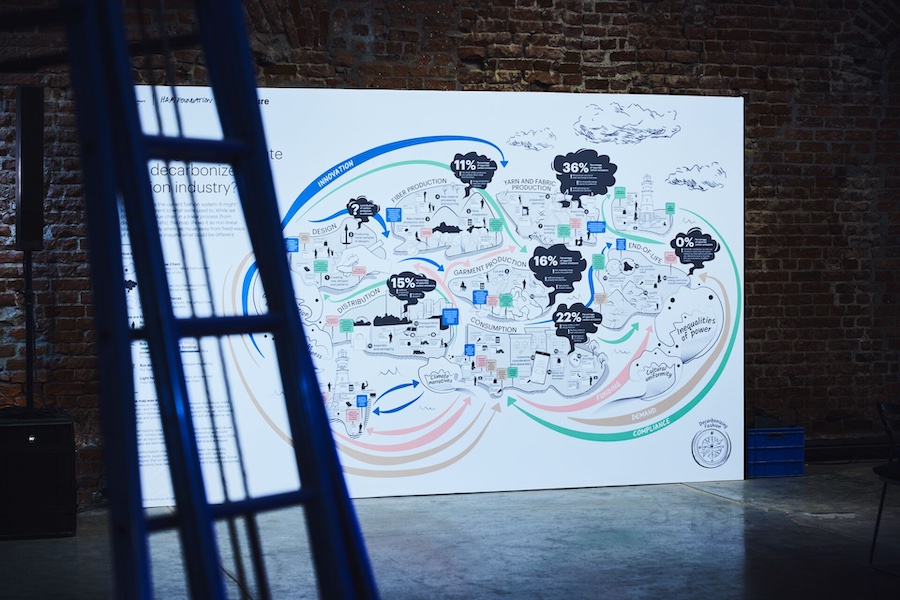
Practical toolkit to drive coordinated climate action launched

An open-access workshop toolkit enables brands, suppliers, policymakers and investors across the textile industry to apply the System Map in their own work, identifying leverage points to halve emissions and enable a just transition.

#Raw Materials

Textile Exchange publishes cotton Life Cycle Assessment study to strengthen impact data

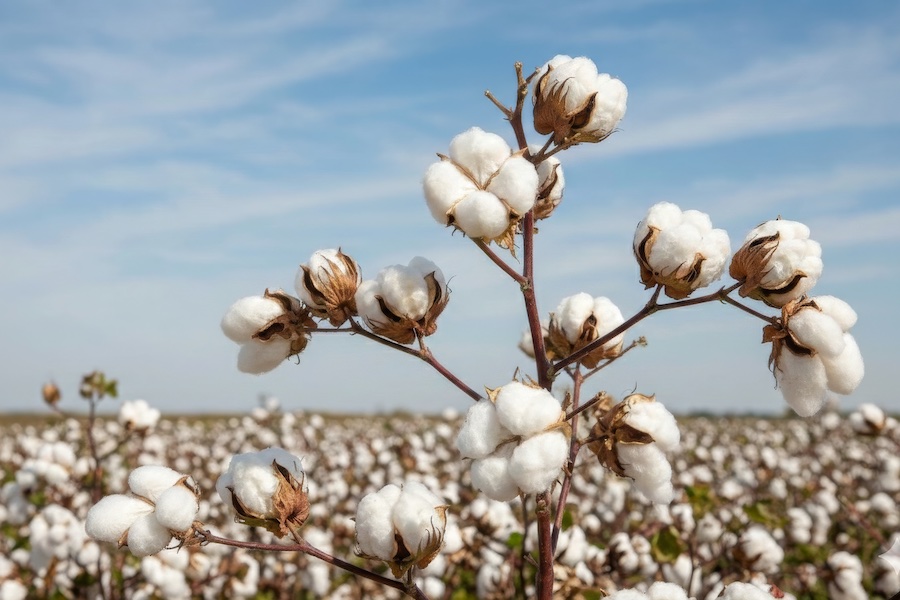
Textile Exchange has published the first in a series of seven Life Cycle Assessment (LCA) studies designed to improve the quality and robustness of environmental impact data for raw material production across the fashion, textile, and apparel industry. The first LCA study focuses on cotton and addresses critical data gaps and methodology variability through new high-quality data across key producing countries. The study includes organic, regenerative, recycled, and country averages for conventional cotton production systems, providing a clearer picture of the associated environmental impact.

#Sustainability

Experts publish APAC policy priorities

Cascale today announced the publication of its APAC Policy Priorities Paper, developed by the Asia-Pacific (APAC) Policy Member Expert Team (MET) to identify key regional sustainability challenges and provide practical, aligned recommendations for policymakers and industry stakeholders across Asia-Pacific.

Latest News

#Raw Materials

New study shows low environmental impact by Cotton made in Africa Organic Cotton from Tanzania

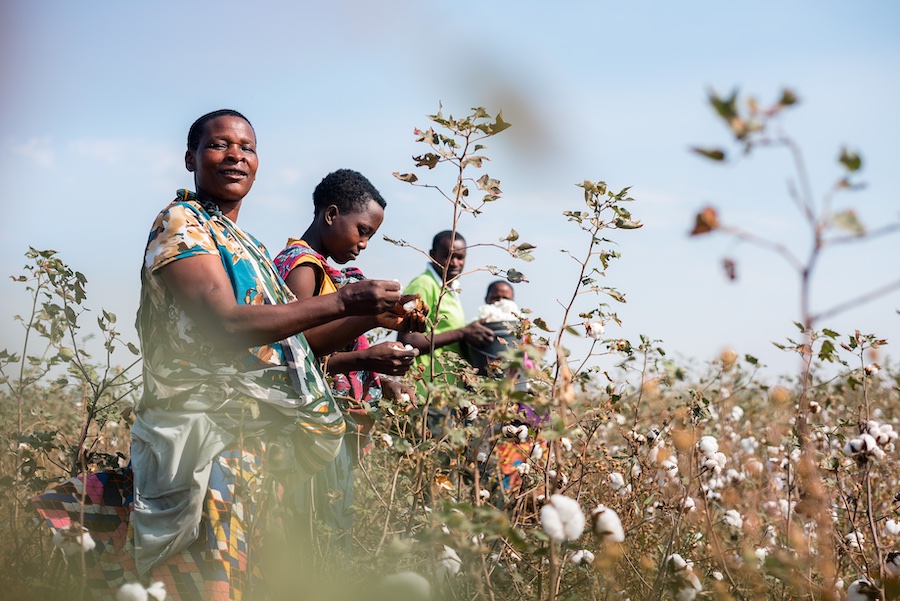
Today, the Aid by Trade Foundation (AbTF) is announcing the results of a comprehensive life-cycle analysis (LCA) for cotton produced in Tanzania under the Cotton made in Africa Organic (CmiA Organic) standard. The study emphasises the small ecological footprint of CmiA Organic verified cotton. This can largely be traced back to the absence of synthetic pesticides, artificial fertilisers, and artificial irrigation. Consequently, CmiA Organic cotton can help the textile industry meet regulatory requirements as well as science-based targets. The results also show that the consequences of climate change threaten the livelihoods of these cotton farmers, even though the type of agriculture they practise barely contributes to climate change.

#Raw Materials

Better Cotton Initiative strengthens regenerative focus in standard update

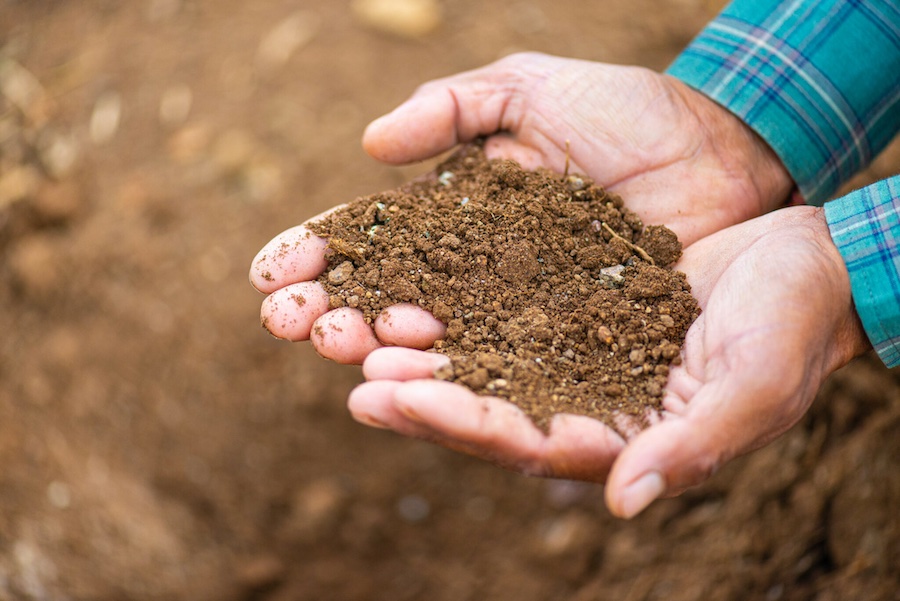
The Better Cotton Initiative (BCI) has strengthened the regenerative focus of its field-level standard with the launch of a new version of its Principles & Criteria (P&C), which marks the next step in the organisation’s journey to becoming a regenerative standards system.

#Man-Made Fibers

Selenis and Kintra Fibers partner to scale 100% bio-based synthetic fiber technology

Selenis, a leading global specialty polyester manufacturer, today announced a strategic manufacturing partnership with materials science company Kintra Fibers to scale Kintra’s patented fiber-grade PBS resin - a 100% bio-based and biodegradable material designed for textile applications.

#Functional Fabrics

PERFORMANCE DAYS proves its relevance as the industry’s key meeting point

Held on March 18–19, 2026, PERFORMANCE DAYS once again confirmed its position as a leading international platform for functional textiles. A total of 3.366 trade visitors and around 560 exhibitors gathered in Munich, with the event already kicking off successfully on DAY 0, which received highly positive feedback for its interactive format. Despite challenging conditions caused by the public transport strike in Munich, the event saw strong attendance and a consistently high level of activity across both exhibition days.

TOP